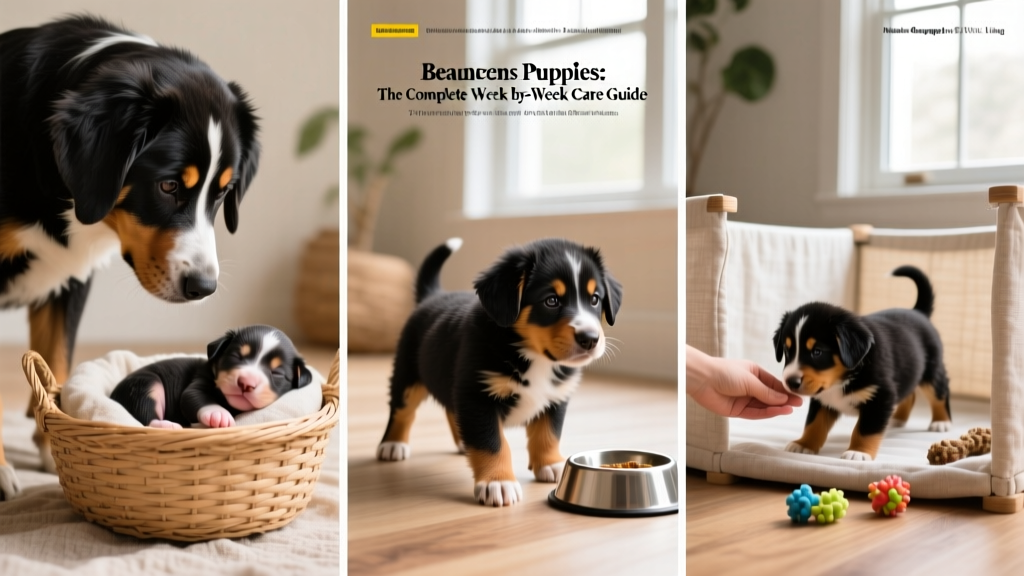
Golden Retriever Puppy Guide: Tips for Toilet Training...
Breed-specific Golden Retriever puppy guide with tips for toilet training puppies, feeding schedules, vaccination timelines, socialization checklists, &...

Golden Retrievers are one of America's most beloved family dogs, but raising a Golden puppy from 8 weeks to adulthood requires a structured plan — especially when it comes to housebreaking. This guide combines breed-specific insights with proven tips for toilet training puppies, feeding benchmarks, vaccination schedules, and socialization strategies tailored to the Golden Retriever's eager-to-please temperament and high-energy growth phases.
When Should I Bring My Golden Retriever Puppy Home?
The American Kennel Club and most veterinary behaviorists recommend bringing your Golden Retriever puppy home at 8 weeks of age. Some responsible breeders keep puppies until 9–10 weeks to ensure littermates complete early socialization and bite-inhibition learning. Never accept a puppy younger than 7 weeks — early separation correlates with increased fear-based reactivity and resource guarding later in life.
Golden Retrievers are highly social, people-oriented dogs. The transition window between 8–10 weeks is when your puppy is most receptive to bonding with humans and adapting to new environments. Plan to take at least one full week off work during this period to establish routines for feeding, crate training, and potty breaks.
Golden Retriever Puppy Milestones: Weeks 4 Through 12 Months
Understanding age-specific developmental stages helps you set realistic expectations. Golden Retrievers mature slower than smaller breeds — expect puppy behaviors (mouthiness, clumsiness, short attention spans) to persist through 18–24 months.
| Age Range | Weight (Approx.) | Developmental Milestones | What to Expect |
|---|---|---|---|
| Weeks 4–8 | 5–10 lb / 2.3–4.5 kg | Weaning, litter play, early bite inhibition from siblings | Puppy still with breeder; learning canine communication |
| Weeks 8–12 | 10–20 lb / 4.5–9 kg | Fear imprint period (8–11 weeks), peak bonding, first vaccines | Nighttime crying, frequent potty accidents, intense mouthing |
| Weeks 12–16 | 20–35 lb / 9–16 kg | Socialization window closing, improved bladder control, second vaccines | Testing boundaries, chewing everything, potty training progress |
| Weeks 16–24 | 35–55 lb / 16–25 kg | Teething begins, fear period #2 (6–8 months), adolescent energy surge | Regression in training, selective hearing, destructive chewing peaks |
| Months 6–12 | 50–70 lb / 23–32 kg (males larger) | Sexual maturity, spay/neuter window, near-adult size by 12 months | Calming begins, reliable recall develops with consistent training |
Feeding Schedule: Exact Portions by Age and Weight
Golden Retrievers are prone to rapid growth-related orthopedic issues including hip dysplasia and elbow dysplasia. The Merck Veterinary Manual recommends feeding large-breed puppy formulas that restrict calcium and caloric density to control growth rate. Your Golden should gain approximately 2–2.5 lb (0.9–1.1 kg) per week during peak growth (8–16 weeks).
| Puppy Age | Meals Per Day | Daily Kibble (Large-Breed Puppy Formula) | Water Access |
|---|---|---|---|
| 8–12 weeks | 4 meals | 1.5–2 cups (180–240 g) divided across meals | Free access; remove 2 hours before bedtime |
| 12–16 weeks | 3 meals | 2–2.5 cups (240–300 g) divided across meals | Free access; remove 2 hours before bedtime |
| 16–24 weeks | 3 meals | 2.5–3.5 cups (300–420 g) divided across meals | Free access; remove 2 hours before bedtime |
| 6–12 months | 2 meals | 3–4 cups (360–480 g) divided across meals | Free access at all times |
Recommended brands with AAFCO large-breed puppy statements: Purina Pro Plan Large Breed Puppy, Royal Canin Golden Retriever Puppy, Hill's Science Diet Large Breed Puppy. Expect to spend $55–$85 per 30-lb bag, lasting 3–5 weeks depending on age.
Tips for Toilet Training Puppies: A Golden Retriever Timeline
Golden Retrievers are intelligent and food-motivated, which works in your favor for housebreaking. However, their large bladders take longer to develop full control than smaller breeds. Here's a realistic potty training progression with breed-specific tips for toilet training puppies:
Potty Training Timeline and Expectations
- 8–10 weeks: Bladder capacity lasts 1–2 hours maximum. Expect 12–15 potty trips per day. Accidents are guaranteed — this is management, not training.
- 10–14 weeks: Bladder control extends to 2–3 hours. Puppy begins to pause and sniff before eliminating. Begin pairing a verbal cue ("go potty") with the action.
- 14–20 weeks: Most Goldens can hold for 3–4 hours during the day. Nighttime stretches reach 5–6 hours. Accidents drop to 1–2 per week if schedule is consistent.
- 5–7 months: Reliable daytime control with scheduled outings. Nighttime dry through (7–8 hours). Occasional regression during fear periods or routine changes.
- 7–12 months: Fully house-trained under normal conditions. May still have accidents if left alone 8+ hours without a break.
Track every outing using this pattern. Print and post on your fridge:
- Time out → Location → Pee/Poop/Neither → Treat given (Y/N) → Accident? (Y/N + location)
- Take puppy out: immediately upon waking, 15 min after every meal, after every play session, after every nap, before crating, before your bedtime
- Use the same outdoor spot every time — scent triggers elimination
- Reward within 2 seconds of completion with a high-value treat (freeze-dried liver, small cheese piece)
Troubleshooting Common Potty Training Setbacks
Submissive urination: Golden Retrievers are particularly prone to this. Your puppy leaks small amounts when greeting people or being scolded. This is involuntary — never punish it. Crouch sideways, avoid direct eye contact during greetings, and take puppy outside immediately after calm hellos.
Excitement urination: Similar to submissive urination but triggered by high arousal. Keep greetings low-key. Ask visitors to ignore the puppy for the first 2 minutes.
Marking behavior (6–12 months): Intact males may begin lifting legs indoors. Spaying/neutering before sexual maturity (typically 6 months for females, 6–9 months for males, per your vet's recommendation) reduces this significantly.
Regression at 6–8 months: Adolescent Goldens often "forget" training during fear period #2. Return to puppy-level management: more frequent outings, higher-value rewards, shorter alone time. This phase typically lasts 2–4 weeks.
Vaccination Schedule for Golden Retriever Puppies
Golden Retrievers follow the standard core vaccination protocol recommended by the American Veterinary Medical Association. Your breeder should provide records of any vaccines administered before pickup.
| Age | Vaccine(s) | Purpose | Estimated Cost |
|---|---|---|---|
| 6–8 weeks | DHPP (Distemper, Hepatitis, Parainfluenza, Parvovirus) — 1st dose | Core protection; often given by breeder | $20–$40 |
| 10–12 weeks | DHPP — 2nd dose, Bordetella (optional), Leptospirosis (recommended for Goldens) | Booster immunity; kennel cough protection; waterborne disease | $40–$75 |
| 14–16 weeks | DHPP — 3rd dose, Rabies (required by law) | Final puppy booster; legal requirement | $45–$90 |
| 12–16 months | DHPP booster, Rabies booster, Leptospirosis booster | Annual maintenance | $60–$120 |
Non-core vaccines to discuss with your vet: Lyme disease (if in a tick-endemic area), Canine Influenza (H3N2/H3N8 — recommended if attending daycare or group classes), and Leptospirosis (Goldens love water, increasing exposure risk).
The Socialization Window: Weeks 3–14
The American Veterinary Society of Animal Behavior identifies weeks 3–14 as the critical socialization period. For Golden Retrievers — a breed known for friendliness — this window is when you build the foundation for a confident, well-adjusted adult dog. Under-socialized Goldens can develop fear-based reactivity, separation anxiety, or shyness despite their naturally gregarious genetics.
Important safety note: Until your puppy completes their DHPP series (after the 14–16 week dose), avoid public dog parks, pet store floors, and areas with unknown dog traffic. Parvovirus can survive in soil for months. Socialize in controlled environments with known-vaccinated dogs only.
Crate Training Progression and Time Limits
Golden Retrievers adapt well to crate training when introduced properly. The crate becomes their den — a safe retreat, not a punishment space. Use a 42-inch wire crate with a divider panel so you can adjust the interior size as your puppy grows. The crate should be large enough for the puppy to stand, turn around, and lie down — no larger, or they may eliminate in one corner and sleep in another.
| Puppy Age | Max Crate Time (Day) | Max Crate Time (Night) | Notes |
|---|---|---|---|
| 8–10 weeks | 30–60 minutes | 2–3 hours (set alarm) | Expect whining; place crate near your bed |
| 10–14 weeks | 1–2 hours | 3–4 hours | Begin moving crate to permanent location |
| 14–20 weeks | 2–3 hours | 5–6 hours | Puppy should enter voluntarily for treats/meals |
| 5–7 months | 3–4 hours | 7–8 hours | Can sleep through the night reliably |
| 8–12 months | 4–5 hours | 8 hours | Transition to open-door access during day |
Crate training steps for Golden Retrievers:
- Leave the crate door open with a soft blanket and a stuffed Kong inside. Let puppy explore freely for 2–3 days.
- Feed all meals inside the crate with the door open.
- Close the door during meals for 1 minute, then open immediately. Gradually extend to 5 minutes, then 10.
- Begin crating for short absences (5 minutes, then 15, then 30) while you're home but out of sight.
- Practice leaving the house for 5 minutes, returning before puppy becomes distressed. Build to 30-minute absences over 1–2 weeks.
Teething Timeline and Relief Strategies (3–6 Months)
Golden Retriever puppies begin losing their 28 deciduous (baby) teeth around 12–16 weeks, with all 42 adult teeth typically erupted by 6–7 months. The peak discomfort period is 4–5 months. Goldens are notoriously mouthy dogs — they carry things in their mouths by nature — so teething amplifies an already strong breed instinct.
Signs of active teething: Increased chewing, drooling, mild gum bleeding, decreased appetite for hard kibble, irritability, and ear-scratching (jaw pain radiates).
Safe chew recommendations by stage:
- 3–4 months: Frozen wet washcloths (knot one end, soak in water, freeze), rubber teething rings (Kong Puppy, Nylabone Puppy), chilled carrot sticks
- 4–5 months: Benebone Wishbone (puppy size), frozen Kong stuffed with plain pumpkin purée, bully sticks (supervised, remove at 3 inches)
- 5–7 months: Yak cheese chews, deer antler splits (split, not whole — less fracture risk), Goughnuts Ring (medium, for power chewers)
Avoid: Rawhide (choking and intestinal blockage risk), cooked bones (splintering), ice cubes (tooth fracture risk in aggressive chewers), and any chew smaller than your puppy's fist.
Common Golden Retriever Puppy Problems and Solutions
Puppy Biting and Nipping
Golden Retrievers are a retrieving breed — their mouths are their primary tool for exploring the world. Biting is not aggression; it's breed-typical behavior. Here's how to manage it using force-free, positive reinforcement methods:
- Redirect: When puppy mouths your skin, immediately offer a chew toy. Praise and reward when they bite the toy instead.
- Withdraw attention: If redirecting fails, stand up, fold your arms, and turn away for 10–15 seconds. This mimics how littermates respond — play stops when biting is too hard.
- Time-outs: For persistent nipping, calmly place puppy in their crate or a playpen for 30–60 seconds with a chew toy. This is a cool-down, not punishment.
- Provide sufficient exercise: A tired Golden puppy mouths less. Aim for 5 minutes of structured exercise per month of age, twice daily (e.g., a 4-month-old gets 20-minute sessions).
Most Golden Retrievers significantly reduce mouthing by 6–7 months once adult teeth are fully set. If biting intensifies after 6 months or is accompanied by growling and stiffening, consult a certified professional dog trainer (CPDT-KA) or veterinary behaviorist.
Nighttime Whining and Crying
Expect 3–7 nights of significant whining when your Golden puppy first comes home. Strategies that work:
- Place the crate in your bedroom for the first 2–3 weeks so puppy can hear and smell you
- Use a Snuggle Puppy (heartbeat toy with warming pack) inside the crate
- Set a phone alarm for 3–4 hours after bedtime to take puppy out for a silent, boring potty break (no play, no talking, dim lights)
- Cover the crate with a breathable blanket to reduce visual stimulation
Destructive Chewing
Golden Retrievers chew through adolescence (up to 18–24 months). Puppy-proof your home by removing shoes, electrical cords, remote controls, and children's toys from floor level. Provide a rotation of 6–8 approved chew toys, swapping 2–3 daily to maintain novelty. Use bitter apple spray on furniture legs and baseboards as a deterrent during the first 6 months.
When Can My Golden Puppy Go Outside and Meet Other Dogs?
This is one of the most common questions new Golden Retriever owners ask. The answer balances disease risk against the critical socialization window:
- Immediately (8 weeks): Carry your puppy in your arms or a sling for outdoor exposure to sights, sounds, and surfaces. Your own yard is safe if no unknown dogs have access.
- After 2nd DHPP (10–12 weeks): Short walks on low-traffic residential sidewalks. Arrange playdates with known, fully-vaccinated adult dogs in private yards.
- After 3rd DHPP (14–16 weeks) + 1 week: Full immunity achieved. Puppy can attend group training classes, visit dog-friendly patios, and walk in public areas.
- After Rabies vaccine (14–16 weeks): Legally permitted in public spaces in most jurisdictions.
- Dog parks: Wait until at least 5–6 months, after all puppy vaccines are complete and your dog has solid recall and social skills. Dog parks carry unpredictable risk — many veterinary behaviorists recommend structured playdates over dog parks entirely.
First-Year Cost Breakdown for a Golden Retriever
Budgeting realistically prevents surprise financial stress. Here's a detailed first-year cost estimate for a Golden Retriever puppy in the United States (2026 figures):
| Category | Item | Estimated Cost |
|---|---|---|
| Purchase/Adoption | Responsible breeder (health-tested parents, AKC registration) | $2,000–$4,500 |
| Breed-specific rescue (alternative) | $300–$600 | |
| Veterinary | Puppy vaccine series (3 visits), rabies, deworming, fecal tests | $250–$500 |
| Spay/neuter surgery | $400–$900 | |
| Microchipping | $45–$75 | |
| Heartworm/flea/tick prevention (12 months) | $200–$400 | |
| Food | Large-breed puppy kibble (12 months) | $600–$1,000 |
| Supplies | Crate (42" with divider), bed, leash, collar, harness, bowls, gates | $250–$450 |
| Chew toys, puzzle toys, training treats | $150–$300 | |
| Training | Puppy kindergarten class (6–8 weeks) | $150–$300 |
| Basic obedience class (follow-up) | $150–$300 | |
| TOTAL (Breeder Route) | $4,445–$8,725 | |
| TOTAL (Rescue Route) | $2,745–$4,825 |
Emergency fund recommendation: Set aside an additional $1,000–$2,000 for unexpected veterinary costs. Golden Retrievers are predisposed to conditions requiring early intervention, including elbow dysplasia, allergic skin disease, and gastrointestinal foreign body obstructions (they eat everything). Pet insurance (Healthy Paws, Trupanion, or Nationwide) typically costs $40–$80/month for a Golden puppy and can offset major expenses.
Frequently Asked Questions
When will my Golden Retriever puppy be fully potty trained?
Most Golden Retrievers achieve reliable house training between 5–7 months of age, with occasional accidents possible until 12 months. Consistency in schedule, immediate outdoor trips after meals and naps, and high-value rewards for outdoor elimination are the three most important factors. If your puppy is still having daily accidents after 7 months, consult your veterinarian to rule out urinary tract infections or anatomical issues.
How do I stop my Golden puppy from biting my children?
Supervise all interactions between puppies and children under 12. Teach children to freeze (stand still, arms crossed) when the puppy mouths them — movement excites Goldens further. Redirect puppy to a toy immediately. Provide the puppy with mandatory nap times in the crate (puppies need 18–20 hours of sleep per day); overtired puppies bite more. Never allow children to punish or physically correct the puppy.
How often should I feed my 10-week-old Golden Retriever puppy?
Four meals per day, spaced approximately 4 hours apart (e.g., 7 AM, 11 AM, 3 PM, 7 PM). Each meal should be approximately 0.4–0.5 cups of large-breed puppy kibble. Remove the food bowl after 15–20 minutes regardless of whether puppy finished. Consistent feeding times produce consistent potty times — the foundation of successful house training.
What vaccines does my Golden Retriever puppy need and when?
Core vaccines: DHPP at 6–8, 10–12, and 14–16 weeks, plus Rabies at 14–16 weeks. Non-core vaccines your vet may recommend based on lifestyle: Bordetella (10–12 weeks), Leptospirosis (10–12 weeks, with booster at 14–16 weeks), Lyme disease (12+ weeks in endemic areas), and Canine Influenza (14+ weeks). See the vaccination table above for details and costs.
When can my Golden puppy go to the dog park?
Wait until at least 5–6 months, after completing all puppy vaccinations and a basic obedience class. Dog parks carry risks including disease exposure, bullying by larger dogs, and reinforcement of poor social skills. Many trainers recommend structured playdates with known, compatible dogs as a safer alternative throughout your Golden's life.
My Golden puppy was doing great with potty training, then suddenly regressed at 6 months. Is this normal?
Yes. Adolescent regression is extremely common in Golden Retrievers between 6–8 months. Hormonal changes, a second fear period, and increased independence all contribute. Return to puppy-level management: more frequent potty breaks, higher-value outdoor rewards, and closer supervision indoors. This phase typically resolves in 2–4 weeks with consistent management. If regression persists beyond 4 weeks or includes straining to urinate, excessive licking of the genital area, or accidents in a previously dry crate, schedule a veterinary exam to rule out a UTI or other medical cause.
If your puppy ingests something toxic (chocolate, xylitol, grapes, raisins, human medication), call ASPCA Animal Poison Control: (888) 426-4435 (24/7, consultation fee applies) or Pet Poison Helpline: (855) 764-7661. For breed-specific legislation questions, check your local jurisdiction's regulations as laws vary by city and county.
Dr. Hannah Wickes
All our authors care for dogs every day — read more of their work on the authors page.