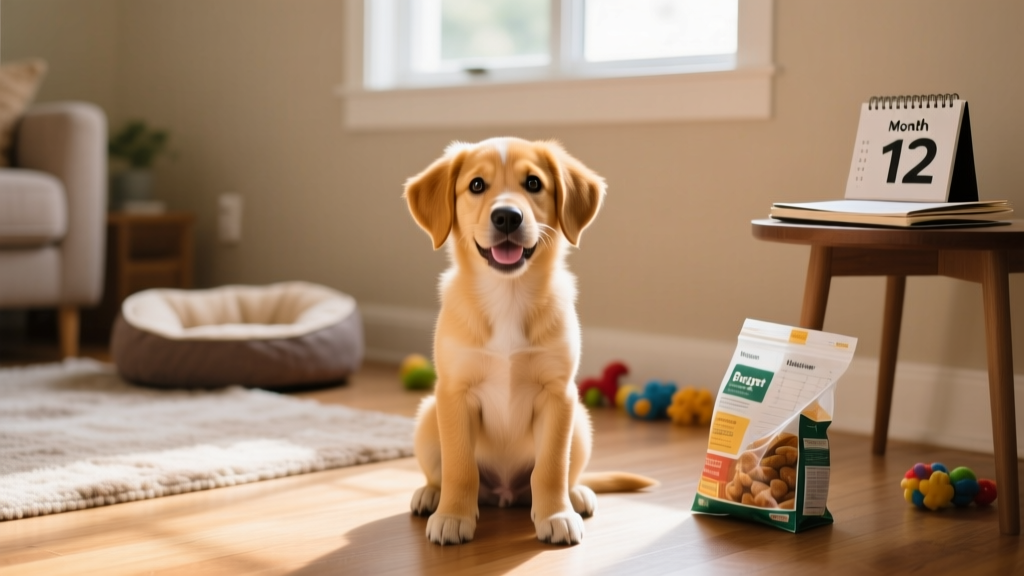
Golden Retriever Puppy Zâna: Complete Care & Milestone Guide
Your complete golden retriever puppy zâna guide: age milestones, feeding schedules, vaccination timelines, potty training, socialization, and

Bringing home a golden retriever puppy is one of life's great joys — and one of its steepest learning curves. Whether you've adopted from a rescue or are working with a responsible breeder, the first twelve months shape your dog's health, temperament, and bond with you for life. This guide walks you through every developmental stage of your golden retriever puppy zâna with specific timelines, portion sizes, vaccine names, and real cost figures so you can plan with confidence rather than guess.
When Should You Bring Your Golden Retriever Puppy Home?
The American Kennel Club and the American Veterinary Medical Association both recommend that puppies remain with their mother and littermates until at least 8 weeks of age. For golden retrievers — a breed prone to separation anxiety and mouthy behavior — many responsible breeders keep puppies until 9 to 10 weeks to allow additional socialization during the critical developmental window.
During weeks 4 through 8, puppies learn bite inhibition from their siblings, begin processing solid food, and develop early social skills that are nearly impossible to replicate in a single-dog household. A puppy removed at 6 weeks misses approximately 30% of this litter-based learning period, which can manifest as increased nipping, fear-based reactivity, and difficulty settling later in life.
Golden Retriever Puppy Milestones: Week by Week
Golden retrievers mature more slowly than smaller breeds. Expect your puppy to retain "puppy" behaviors — including chewing, mouthiness, and bursts of chaotic energy — well into the 12-to-18-month range. Here is what to expect at each stage.
| Age Range | Weight (Approx.) | Key Milestones & Expectations |
|---|---|---|
| 4–8 weeks | 3–10 lb (1.4–4.5 kg) | Eyes and ears fully functional. Weaning onto gruel/kibble. Learning bite inhibition from littermates. First dewclaw removal (if applicable) at 3–5 days. First deworming at 2, 4, 6 weeks. Temperament testing often performed at 7 weeks. |
| 8–12 weeks | 10–22 lb (4.5–10 kg) | Goes home with new family. Rapid bonding period. Bladder control: approximately 1 hour per month of age (2–3 hours max). Sleeps 18–20 hours per day. Peak fear imprint period (8–11 weeks) — avoid traumatic experiences. Begin crate training and name recognition. |
| 12–16 weeks | 22–35 lb (10–16 kg) | Baby teeth begin loosening. Bladder control extends to 3–4 hours. Can begin structured positive-reinforcement training sessions (5–10 minutes). Socialization window closing — maximize exposure. May test boundaries with selective hearing. |
| 16–24 weeks | 35–50 lb (16–23 kg) | Active teething phase — intense chewing drive. Adult teeth erupting. Can hold bladder 4–6 hours. Spay/neuter typically scheduled around 6 months (discuss timing with your vet). Second fear period may emerge around 6–8 months. Growth plates still open — avoid forced running or jumping. |
| 6–12 months | 50–70 lb (23–32 kg) | Adolescent "teenage" phase. Hormonal surges if intact. May regress in training. Coat transitions from puppy fluff to adult double coat. Energy remains very high. Not fully mature mentally until 2–3 years. Growth plates close between 12–18 months. |
Feeding Schedule: Portions by Age and Weight
Golden retrievers are large-breed dogs, which means they require a large-breed puppy formula that limits calcium and caloric density to prevent rapid bone growth linked to hip dysplasia and osteochondrosis. Look for an AAFCO statement confirming the food is formulated for "growth" or "all life stages" and specifically tested for large-breed puppies.
Feed measured meals — never free-feed — to monitor intake and prevent bloat, a life-threatening condition golden retrievers are predisposed to.
| Puppy Age | Meals Per Day | Approx. Cups Per Day (Large-Breed Puppy Kibble) | Notes |
|---|---|---|---|
| 8–12 weeks | 3–4 | 1.5–2.5 cups | Moisten kibble with warm water for first 1–2 weeks home. Use a slow-feeder bowl. |
| 12–16 weeks | 3 | 2.5–3.5 cups | Transition to dry kibble. Adjust based on body condition score (BCS): ribs should be palpable but not visible. |
| 16–24 weeks | 3 | 3.0–4.0 cups | Growth rate slows slightly. Monitor for overweight — golden retrievers gain weight easily. |
| 6–12 months | 2 | 3.5–5.0 cups | Transition to 2 meals/day around 6 months. Consider switching to adult large-breed formula at 12 months (consult your vet). |
Calorie reference: Most large-breed puppy kibbles contain 350–420 kcal per cup. A 30 lb (13.6 kg) golden retriever puppy at 16 weeks needs approximately 1,200–1,500 kcal/day. Adjust portions if your puppy's ribs become difficult to feel (reduce by 10%) or if the puppy looks gaunt (increase by 10% and consult your vet).
Vaccination Schedule: What, When, and Why
Your golden retriever puppy's immune system is not fully functional until the maternal antibodies wane — typically between 14 and 16 weeks. This is why a series of boosters is essential. The AVMA and the American Animal Hospital Association (AAHA) recommend the following core vaccination protocol:
| Age | Vaccines Administered | Estimated Cost (Per Visit) |
|---|---|---|
| 6–8 weeks | DHPP (Distemper, Hepatitis/Adenovirus, Parainfluenza, Parvovirus) — 1st dose. Bordetella (optional, recommended if attending puppy classes). | $75–$120 |
| 10–12 weeks | DHPP — 2nd dose. Leptospirosis (2-dose series, 1st dose). Lyme disease (2-dose series, 1st dose — recommended in tick-endemic areas). Bordetella booster if indicated. | $85–$150 |
| 14–16 weeks | DHPP — 3rd (final puppy) dose. Rabies (required by law in most US states). Leptospirosis 2nd dose. Lyme 2nd dose if started. | $100–$180 |
| 12–16 months | DHPP booster. Rabies booster (1-year or 3-year, per local law). Leptospirosis annual. Lyme annual if in endemic area. | $90–$160 |
Important: Until your puppy has received the final DHPP dose at 14–16 weeks and waited 5–7 days after that injection, avoid high-traffic dog areas (dog parks, pet store floors, unvaccinated dog playdates). Parvovirus can survive in soil for over a year and is frequently fatal in unvaccinated puppies.
Socialization Window: Weeks 3–14 Checklist
The primary socialization window for puppies closes between 12 and 14 weeks. After this period, unfamiliar stimuli are more likely to trigger fear rather than curiosity. Golden retrievers are generally outgoing, but insufficient socialization can still produce fear-based reactivity, noise sensitivity, and resource guarding.
During the pre-vaccine-completion period, carry your puppy or use a stroller/sling to expose them to new environments without placing them on public ground where parvovirus may be present.
Rule of thumb: Pair every new experience with high-value treats (boiled chicken, freeze-dried liver). If your puppy shows fear — tucked tail, flattened ears, refusal to take food — increase distance from the stimulus and decrease intensity. Never force exposure.
Potty Training Timeline and Troubleshooting
Golden retrievers are generally eager to please and pick up house-training faster than many breeds, but "faster" still means weeks, not days. Here is a realistic progression:
- 8–10 weeks: Accidents every 1–2 hours. Take puppy outside after every nap, meal, play session, and crate release. Expect 8–12 outdoor trips per day.
- 10–14 weeks: Bladder control extends to 2–3 hours. Accidents decrease if schedule is consistent. Puppy may begin going to the door independently.
- 14–20 weeks: Most golden retriever puppies can hold for 3–4 hours during the day. Nighttime control often reaches 6–7 hours.
- 4–6 months: Reliable daytime control with scheduled outings. Occasional accidents still normal, especially during excitement or schedule disruptions.
- 6–8 months: Considered "fully trained" for most households, though adolescent regression may cause temporary setbacks.
Sample Potty Training Log (First 2 Weeks Home)
Track every outing to identify patterns:
| Time | Location | Result | Trigger |
|---|---|---|---|
| 6:30 AM | Backyard | Pee + poop | Wake-up |
| 7:15 AM | Backyard | Pee | Post-breakfast |
| 8:00 AM | Backyard | Nothing | Post-play |
| 9:15 AM | Living room | Accident (pee) | Post-nap, missed cue |
Key insight: If accidents cluster at specific times, add a scheduled outing 10–15 minutes before that window. Enzymatic cleaners (e.g., Nature's Miracle, Rocco & Roxie) are essential — ammonia-based cleaners attract puppies back to the same spot.
Teething Timeline and Crate Training Progression
Golden retrievers are notoriously mouthy dogs. Their retriever genetics drive them to carry objects in their mouths, and teething amplifies this behavior significantly.
Teething Timeline (3–6 Months)
- 3–4 months: Baby incisors loosen and fall out. You may find tiny teeth on the floor or notice minor gum bleeding. Chewing intensity increases sharply.
- 4–5 months: Canines and premolars erupt. This is peak chewing destruction phase. Furniture legs, shoes, and baseboards are prime targets.
- 5–7 months: Adult molars come in. Chewing gradually decreases as the full set of 42 adult teeth settles. Most puppies are fully transitioned by 7 months.
Safe chew options: Frozen Kong Classic (stuffed with peanut butter and banana — verify xylitol-free peanut butter), Nylabone Puppy Chew (soft formula), frozen carrot sticks, Benebone Wishbone (puppy size). Avoid rawhide, cooked bones, and antlers, which can fracture developing teeth.
Crate Training: Time Limits by Age
A crate is a management tool and a safe den — never a punishment space. Use positive reinforcement: feed meals inside the crate, toss treats in, and practice short absences while your puppy is calm.
| Puppy Age | Maximum Daytime Crate Duration | Maximum Overnight Duration |
|---|---|---|
| 8–10 weeks | 30–60 minutes | 2–3 hours (set alarm) |
| 10–14 weeks | 1–2 hours | 3–4 hours |
| 14–16 weeks | 2–3 hours | 4–5 hours |
| 4–6 months | 3–4 hours | 6–8 hours |
| 6+ months | 4–5 hours max | 7–8 hours |
Golden retrievers are social dogs. Extended crating beyond these limits increases the risk of anxiety-related behaviors including excessive barking, crate soiling, and self-injury from attempting to escape.
Common Golden Retriever Puppy Problems and Solutions
Every breed has its signature challenges. Golden retriever puppies consistently present these three issues more intensely than most breeds:
1. Puppy Biting and Nipping
Golden retrievers were bred to carry game gently in their mouths, so oral fixation is hardwired. Nipping is normal through 5–6 months but must be shaped.
Solution: When teeth touch skin, say "ouch" in a calm tone and immediately redirect to an appropriate chew toy. If biting persists, implement a 30-second "time-out" by stepping behind a baby gate — this teaches that biting ends interaction. Never hold the puppy's mouth shut, shake them, or use physical punishment, which damages trust and can escalate to defensive biting. Consistent redirection typically reduces nipping significantly by 5–6 months.
2. Destructive Chewing
Between 3 and 8 months, a golden retriever puppy can destroy shoes, remote controls, drywall, and furniture legs with alarming speed.
Solution: Puppy-proof every room at ankle height. Provide 8–10 approved chew toys rotated every 3 days to maintain novelty. Use bitter apple spray (e.g., Grannick's Bitter Apple) on furniture legs. Supervise or crate when you cannot watch. Ensure at least 30–45 minutes of structured physical exercise and 15–20 minutes of mental enrichment (snuffle mats, frozen Kongs, training sessions) daily.
3. Jumping on People
Golden retrievers greet the world with full-body enthusiasm. Jumping is reinforced every time someone pets the puppy while all four paws are off the ground.
Solution: Teach "four on the floor" from day one. When the puppy jumps, turn your back and cross your arms. The instant all paws touch the ground, mark with "yes" and reward with attention or a treat. Ask guests to do the same. Consistency from every household member is critical — one person allowing jumping undermines weeks of training.
First-Year Cost Breakdown
Budgeting realistically prevents surrender to shelters due to unexpected costs. Here is a detailed first-year estimate for a golden retriever puppy in the United States (2026 figures):
| Category | Low Estimate | High Estimate | Details |
|---|---|---|---|
| Veterinary (vaccines, wellness, spay/neuter) | $600 | $1,200 | 3–4 puppy visits, rabies, DHPP series, leptospirosis, heartworm test, fecal exams, spay/neuter |
| Food (large-breed puppy formula) | $480 | $840 | $40–$70/month for quality kibble (e.g., Purina Pro Plan Large Breed Puppy, Royal Canin, Hill's Science Diet) |
| Preventive medications | $240 | $480 | Heartworm (Heartgard Plus, Interceptor Plus), flea/tick (NexGard, Simparica Trio) — $20–$40/month |
| Supplies (crate, bed, leash, bowls, toys, gates) | $300 | $600 | 42-inch wire crate ($60–$100), orthopedic bed ($50–$120), baby gates ($30–$80 each) |
| Training (group classes or private) | $150 | $600 | Puppy kindergarten ($150–$250 for 6-week course), private sessions ($75–$150/hour if needed) |
| Pet insurance (optional but recommended) | $360 | $720 | $30–$60/month for accident/illness coverage (Trupanion, Healthy Paws, Lemonade) |
| Grooming | $0 | $300 | Golden retrievers do not require professional grooming, but occasional deshedding baths ($40–$75/session) help manage shedding |
| TOTAL FIRST YEAR | $2,130 | $4,740 | Excludes puppy purchase price ($1,500–$3,500 from a responsible breeder; $300–$600 from a rescue) |
Frequently Asked Questions
When can my golden retriever puppy go outside and meet other dogs?
Your puppy can explore your own yard (if no unvaccinated dogs have access) immediately. For public spaces and dog-to-dog introductions, wait until 5–7 days after the final DHPP booster at 14–16 weeks. Before that, carry your puppy in public and arrange playdates only with fully vaccinated, known-health-status adult dogs in private yards. Puppy socialization classes that require proof of at least one DHPP dose and maintain sanitized floors are generally considered safe from 10 weeks onward, per the AVMA.
How do I stop my golden retriever puppy from biting and nipping?
Redirect every bite to an appropriate toy. If teeth touch skin, say "ouch" calmly, withdraw attention for 15–30 seconds, then re-engage with a toy. Ensure your puppy gets adequate physical exercise (30–45 minutes daily, split into sessions) and mental enrichment (training, puzzle toys, snuffle mats). Overtired puppies bite more — enforce nap times in the crate if nipping escalates in the late afternoon. Most golden retrievers outgrow intense nipping by 5–6 months with consistent redirection.
How often should I feed my puppy at each age?
8–12 weeks: 3–4 meals per day. 12–16 weeks: 3 meals per day. 16 weeks to 6 months: 3 meals per day. 6–12 months: 2 meals per day. Never feed a single large meal to a golden retriever — this breed is at elevated risk for gastric dilatation-volvulus (bloat), and splitting food into multiple smaller meals reduces that risk.
When will my golden retriever puppy be fully potty trained?
Most golden retrievers achieve reliable house-training between 4 and 6 months of age, provided you maintain a consistent schedule. "Reliable" means fewer than one accident per month. Full reliability — including no accidents during excitement, schedule changes, or overnight — typically solidifies by 8–10 months. Males may take slightly longer than females.
What vaccines does my golden retriever puppy need and when?
Core vaccines: DHPP at 6–8, 10–12, and 14–16 weeks; Rabies at 14–16 weeks. Lifestyle vaccines (discuss with your vet based on your area and activities): Bordetella, Leptospirosis, Lyme disease, and Canine Influenza (H3N2/H3N8). A booster round is given at 12–16 months, then DHPP and Rabies every 1–3 years depending on local regulations and your veterinarian's protocol.
Raising a golden retriever puppy zâna is demanding, deeply rewarding work. The structure you build in these first twelve months — consistent routines, positive socialization, measured nutrition, and force-free training — creates the foundation for a confident, healthy adult dog. When in doubt, consult your veterinarian or a certified professional dog trainer (CPDT-KA) for breed-specific guidance tailored to your individual puppy.
Aaron Whyte
All our authors care for dogs every day — read more of their work on the authors page.