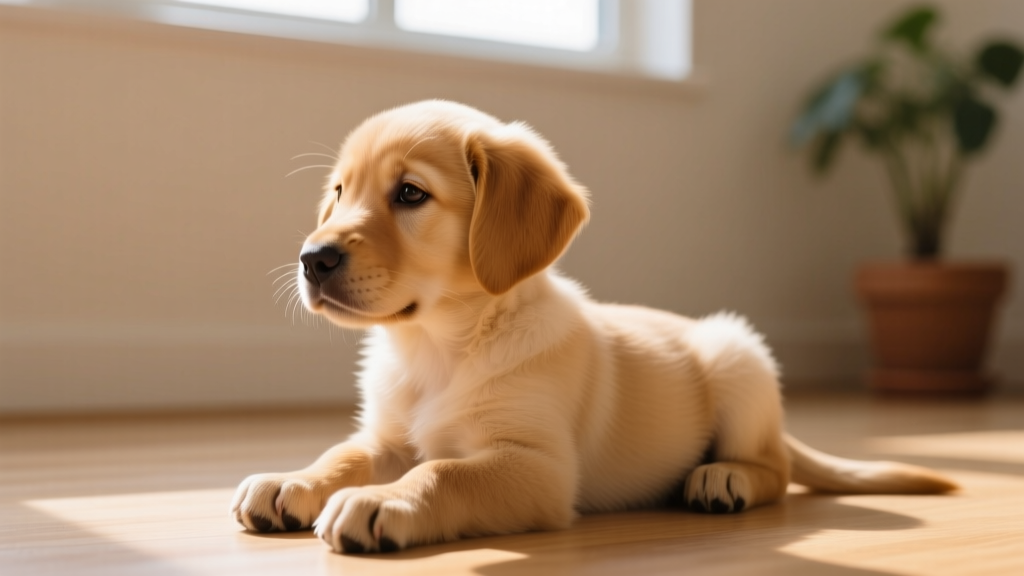
German Shepherd Puppies in Ohio: The Complete Puppy Care Timeline
Raising German Shepherd puppies in Ohio? This week-by-week guide covers feeding, vaccines, potty training, socialization, and first-year costs.

If you're preparing to bring home one of the German Shepherd puppies you've found in Ohio, you're starting one of the most rewarding — and demanding — journeys in dog ownership. German Shepherd Dogs (GSDs) are intelligent, driven, and deeply loyal, but their puppy phase requires precise timing on nutrition, socialization, and training that generic puppy advice simply doesn't cover.
This guide gives you a concrete, week-by-week roadmap tailored specifically to GSD development, Ohio's climate and veterinary landscape, and the real costs you'll face in the first year. Whether you're picking up your pup from a breeder in rural Holmes County or adopting through a rescue near Columbus, you'll know exactly what to expect at every stage.
When to Bring Your German Shepherd Puppy Home
Responsible breeders in Ohio will not release a German Shepherd puppy before 8 weeks of age. This isn't arbitrary — the AKC recommends that puppies remain with their littermates through the critical 6-to-8-week period, where they learn bite inhibition, social hierarchy, and basic canine communication from their mother and siblings.
Some Ohio breeders specializing in working-line GSDs may hold puppies until 10 or even 12 weeks to begin early neurological stimulation (ENS) and imprint training. This is a positive sign of a thoughtful breeding program, not a red flag.
German Shepherd Puppy Milestones: Weeks 4 Through 12 Months
German Shepherds mature more slowly than many breeds. While a Labrador might hit physical maturity at 12 months, a GSD continues filling out and mentally developing until 18–24 months. Here's what each stage actually looks like:
Weeks 4–8: The Breeder's Window
- Weight: 4–10 lb (1.8–4.5 kg), gaining roughly 1–2 lb per week
- Development: Baby teeth fully erupted, eyes and ears fully functional, beginning to explore solid food (gruel/moistened kibble)
- Behavior: Litter play intensifies — this is where bite inhibition foundations are laid by the dam
- What you can do: If visiting the breeder, handle the puppy daily for 5–10 minutes to build human familiarity
Weeks 8–12: Home Transition and Bonding
- Weight: 10–20 lb (4.5–9 kg)
- Development: Rapid brain growth; fear periods can occur around 8–10 weeks — avoid traumatic experiences
- Behavior: Crying at night is normal (separation from litter). Follow-you-everywhere phase begins. Mouthing and nipping peak.
- Key action: Establish a consistent daily routine immediately — same feeding times, same potty spot, same crate location
Weeks 12–16: Confidence Building
- Weight: 20–35 lb (9–16 kg)
- Development: Coordination improves dramatically; can navigate stairs (supervised). Second fear period may hit around 12–14 weeks.
- Behavior: Testing boundaries. May "forget" previously learned cues. Prey drive starts to emerge — watch for chasing squirrels, leaves, or moving objects.
- Key action: Begin structured positive-reinforcement training sessions (5 minutes, 2–3x daily)
Weeks 16–24: The Adolescent Onset
- Weight: 35–55 lb (16–25 kg)
- Development: Adult teeth replacing baby teeth. Ears typically stand fully erect by 16–20 weeks (some GSDs as late as 6 months). Rapid skeletal growth — avoid forced exercise on hard surfaces.
- Behavior: Independent streak emerges. Recall may deteriorate. Chewing intensifies during teething.
- Key action: Enroll in a structured puppy class (many Ohio training facilities offer GSD-specific adolescent groups)
Months 6–12: The Lanky Teenager
- Weight: 50–75 lb (23–34 kg) — males trend higher; females often plateau earlier
- Development: Approaching adult height but still filling out in chest and hindquarters. Growth plates remain open until 14–18 months.
- Behavior: Sexual maturity (females may experience first estrus cycle around 6–9 months). Guarding instincts may surface — stranger wariness increases.
- Key action: Transition to adult food around 12 months (large-breed formula). Discuss spay/neuter timing with your vet — many orthopedic specialists now recommend waiting until 12–18 months for GSDs to allow growth plate closure.
Feeding Schedule for German Shepherd Puppies
GSDs are prone to rapid growth-related orthopedic issues including hip dysplasia and panosteitis. Overfeeding is a direct contributor. The Merck Veterinary Manual notes that large-breed puppies fed excess calories have significantly higher rates of developmental joint disease.
Feed a large-breed puppy formula (AAFCO statement should read "growth" or "all life stages" with large-breed growth specifications). Target foods with calcium levels between 1.0–1.5% on a dry matter basis.
| Age | Est. Weight Range | Meals/Day | Daily Amount (Dry Kibble) | Notes |
|---|---|---|---|---|
| 8–12 weeks | 10–20 lb (4.5–9 kg) | 3–4 | 1.5–2 cups (divided) | Moisten with warm water if needed |
| 3–4 months | 20–35 lb (9–16 kg) | 3 | 2–3 cups (divided) | Transition to dry kibble fully |
| 4–6 months | 35–55 lb (16–25 kg) | 2–3 | 3–4 cups (divided) | Monitor body condition score weekly |
| 6–9 months | 50–65 lb (23–29 kg) | 2 | 3.5–4.5 cups (divided) | Ribs should be palpable, not visible |
| 9–12 months | 60–75 lb (27–34 kg) | 2 | 4–5 cups (divided) | Begin transition to adult large-breed formula at 12 months |
Important: Cup measurements vary significantly by brand (a cup of Orijen Puppy Large weighs more than a cup of Purina Pro Plan Large Breed Puppy due to kibble density). Always weigh your puppy's food on a kitchen scale for the first week and compare to the brand's feeding chart by target adult weight (75–90 lb for male GSDs, 55–75 lb for females).
Vaccination Schedule for Your GSD Puppy in Ohio
Ohio does not have a statewide rabies vaccination mandate, but most counties and municipalities require rabies vaccination by 4–6 months of age. Your veterinarian will tailor this schedule, but here is the standard protocol recommended by the AVMA and followed by most Ohio veterinary clinics:
| Age | Vaccine | Details |
|---|---|---|
| 6–8 weeks | DHPP (Distemper, Hepatitis, Parainfluenza, Parvovirus) | First dose — typically given by breeder. Maternal antibodies may partially interfere. |
| 10–12 weeks | DHPP booster | Second dose critical — maternal antibodies declining. Some vets add Leptospirosis based on Ohio's rural exposure risk. |
| 14–16 weeks | DHPP booster + Rabies | Final DHPP in puppy series. Rabies given per local ordinance (1-year or 3-year vaccine). |
| 12–16 weeks (lifestyle) | Bordetella | Recommended if attending puppy classes, visiting dog parks, or boarding. Intranasal or injectable. |
| 12+ weeks (lifestyle) | Lyme | Ohio is a moderate-risk Lyme state, especially in wooded areas (Hocking Hills, Cuyahoga Valley). Two-dose series, 2–4 weeks apart. |
Socialization Window: Weeks 3–14 (Don't Miss It)
The primary socialization period for dogs closes around 14 weeks. After this window, unfamiliar stimuli are more likely to trigger fear responses rather than curiosity. For German Shepherds — a breed with strong protective instincts and a genetic tendency toward wariness — this window is arguably the most critical factor in whether you end up with a confident companion or a reactive, anxious dog.
Balance socialization against disease risk by carrying your puppy to new environments, using a sling or wagon, and only allowing ground contact in controlled, known-safe areas (your yard, a vaccinated friend's home).
Every exposure should be paired with high-value treats (boiled chicken, cheese bits). If your puppy shows fear, increase distance from the stimulus and let them observe from safety — never force interaction.
Potty Training: Realistic Timeline for German Shepherd Puppies
German Shepherds are highly trainable, and most GSD puppies can be reliably house-trained by 4–5 months of age with consistent management. However, "reliable" means fewer than one accident per week — full bladder control and the maturity to "ask" to go out consistently develops closer to 6–8 months.
The rule of thumb: a puppy can hold their bladder for approximately one hour per month of age (so a 3-month-old puppy for about 3 hours). Overnight, most puppies can hold it 1–2 hours longer than daytime capacity.
Daily Potty Schedule Template (8–16 Weeks)
- Immediately upon waking — carry to designated potty spot
- 15–20 minutes after every meal — set a timer
- After every play session — excitement triggers elimination
- After every nap — even 10-minute dozes
- Before crating — always
- Before bedtime — last trip outside, ideally 10–11 PM
- Overnight: Set one alarm at 2–3 AM for 8–12 week puppies; phase out by 14–16 weeks as capacity increases
Troubleshooting common issues:
- Submissive urination when greeting: Common in GSD puppies. Ignore the puppy for the first 30 seconds upon entering; greet calmly at their level without direct eye contact. This typically resolves by 6–8 months.
- Accidents in the crate: Your crate may be too large (use a divider panel) or you're exceeding the puppy's bladder capacity. Clean accidents with an enzymatic cleaner (Nature's Miracle or Rocco & Roxie) — ammonia-based cleaners attract repeat elimination.
- Diarrhea or frequent urgent elimination: Common after diet transitions or stress. If lasting more than 24 hours or accompanied by blood, contact your vet — parvovirus and giardia are real risks in Ohio puppies.
Crate Training Progression and Time Limits
A crate is essential for house training, safety, and giving your GSD puppy a secure den. Maximum crate time should follow these guidelines:
- 8–10 weeks: 30–60 minutes during the day (with potty breaks between); overnight, expect 2–3 hours before a potty wake-up
- 10–14 weeks: 1–2 hours during the day; overnight 3–4 hours
- 14–16 weeks: 2–3 hours during the day; overnight 5–6 hours
- 4–6 months: 3–4 hours during the day; overnight 7–8 hours (most puppies sleep through the night by this age)
- 6+ months: Up to 5–6 hours during the day; never exceed 6 hours without a break for a growing GSD
Use a 36-inch or 42-inch wire crate (Midwest iCrate or Frisco Double Door are common, budget-friendly options in the $50–$90 range). Use a divider panel to limit space to just enough for your puppy to stand, turn around, and lie down. Excess space invites elimination in one corner and sleeping in another.
Teething Timeline and Relief Strategies (3–6 Months)
German Shepherd puppies begin losing their 28 deciduous (baby) teeth around 12–16 weeks, with all 42 adult teeth typically erupted by 6 months. During this window, your puppy will chew relentlessly — this is physiological, not behavioral.
Safe relief options:
- Frozen Kong Classic (size Medium or Large): Fill with plain yogurt mixed with mashed banana and freeze for 4+ hours. The cold numbs inflamed gums.
- Benebone Wishbone or Nylabone Power Chew: Durable nylon chews that won't splinter. Choose the puppy-specific version (softer flex material) for under 6 months.
- Frozen wet washcloth: Twist a clean washcloth, soak in water, freeze. Supervise to prevent ingestion of fabric.
- Carrot sticks (frozen): Low-calorie, safe, and naturally abrasive for cleaning emerging teeth.
Avoid: Rawhide (choking and blockage risk), antlers or weight-bearing bones (tooth fractures), and any chew smaller than your puppy's mouth that could be swallowed whole. If your puppy swallows a foreign object, contact the ASPCA Animal Poison Control Center at (888) 426-4435 (a consultation fee applies) or your emergency vet immediately.
Common German Shepherd Puppy Problems and Solutions
GSD puppies come with a specific set of challenges that differ from, say, a Golden Retriever or a Beagle. Here's what to expect and how to respond using force-free, positive-reinforcement methods:
Land Shark Biting (Mouthing and Nipping)
GSD puppies are mouthy — this is a herding-breed trait amplified by teething. Biting peaks between 8–16 weeks.
- Redirect: Always have a chew toy within arm's reach. When teeth touch skin, say "oops" calmly, withdraw attention for 10 seconds, then offer the toy.
- Reverse time-out: If biting continues after two redirects, YOU leave the room for 30 seconds. This teaches that biting ends play, not starts it.
- Satisfy the drive: Provide 10–15 minutes of tug play daily with a dedicated tug toy (Kong Tugger or similar). Structured tug with "drop it" cues channels mouth drive constructively.
Whining and Crying in the Crate
- Ensure the puppy has been exercised, has eliminated, and isn't hungry before crating.
- Cover the crate with a breathable blanket to reduce visual stimulation.
- Place a Snuggle Puppy (heartbeat toy, ~$25–$35) or a warm water bottle wrapped in a towel inside for comfort.
- Wait out demand whining — releasing the puppy while they're vocalizing teaches that crying opens the door. Release during a moment of quiet, even if it's just a 5-second pause.
Destructive Chewing
GSD puppies have powerful jaws and high drive. Puppy-proof your home by removing shoes, cords, and accessible household items. Provide a rotation of 4–5 approved chew toys (rotate every 2 days to maintain novelty). Confine the puppy to a puppy-safe area (exercise pen or gated room) when unsupervised.
First-Year Cost Breakdown for a German Shepherd Puppy in Ohio
Budget realistically. GSDs are large dogs with large-dog expenses. Here's what Ohio owners typically spend in year one:
| Category | Low Estimate | Mid Estimate | High Estimate |
|---|---|---|---|
| Puppy purchase (responsible breeder) | $1,500 | $2,500 | $4,000+ |
| Adoption/rescue (if applicable) | $200 | $450 | $600 |
| Initial vet visits (3–4 puppy wellness exams) | $250 | $400 | $600 |
| Vaccinations (full puppy series + rabies + lifestyle) | $150 | $250 | $400 |
| Spay/neuter (if done in year one) | $300 | $500 | $800 |
| Heartworm/flea/tick prevention (12 months) | $150 | $250 | $350 |
| Food (large-breed puppy formula, 12 months) | $400 | $650 | $900 |
| Supplies (crate, bed, leash, harness, bowls, toys) | $200 | $400 | $700 |
| Training classes (puppy + basic obedience) | $150 | $350 | $600 |
| Pet insurance (optional but recommended for GSDs) | $480 | $720 | $1,100 |
| Total (breeder puppy, mid-range) | $5,300 – $8,400 | ||
Why pet insurance is especially important for GSDs: German Shepherds have elevated rates of hip dysplasia (estimated 19–20% per the Orthopedic Foundation for Animals), elbow dysplasia, degenerative myelopathy, and hemangiosarcoma. A single TPLO surgery for a torn cruciate ligament costs $3,500–$5,500 in Ohio. Enroll before any symptoms appear — pre-existing conditions are universally excluded.
Frequently Asked Questions
When can my German Shepherd puppy go outside and meet other dogs?
Your puppy can explore your own yard immediately (assuming no parvo-positive dogs have been there in the past year). For public spaces and unfamiliar dogs, wait until 7 days after the final DHPP booster at 14–16 weeks — typically around 17 weeks of age. Socialization before this point should involve carrying your puppy to new environments or arranging playdates only with dogs you know are fully vaccinated.
How often should I feed my 10-week-old German Shepherd puppy?
At 10 weeks, feed 3–4 meals per day, totaling approximately 1.5–2 cups of large-breed puppy kibble divided equally across meals. For example: ½ cup at 7 AM, ½ cup at 12 PM, ½ cup at 5 PM, and ½ cup at 9 PM. Remove uneaten food after 15–20 minutes to establish a feeding routine and prevent free-feeding, which makes potty training harder.
How do I stop my German Shepherd puppy from biting my hands and ankles?
Redirect to an appropriate chew toy every time teeth contact skin. If biting persists, implement a reverse time-out: stand up, cross your arms, and ignore the puppy for 10–15 seconds (or leave the room briefly). Consistency from every household member is essential — if one person allows mouthing and another scolds for it, the puppy cannot learn the rule. Expect 3–6 weeks of consistent practice before you see significant improvement. Never hit, hold the mouth shut, or use alpha rolls — these methods increase fear and aggression in a breed already predisposed to protective behavior.
When will my German Shepherd puppy be fully potty trained?
Most GSD puppies are reliably house-trained (fewer than one accident per week) by 4–5 months with a strict schedule. Full reliability — where the puppy will hold it for 6–8 hours and clearly signal to go out — typically develops by 6–8 months. Setbacks are normal during fear periods, environmental changes, or illness. If accidents suddenly increase in a previously trained puppy, rule out a urinary tract infection with your vet.
What vaccines does my German Shepherd puppy need and when?
The core series is DHPP (Distemper, Hepatitis, Parainfluenza, Parvovirus) given at 6–8 weeks, 10–12 weeks, and 14–16 weeks. Rabies is given at 14–16 weeks per Ohio local ordinances. Lifestyle vaccines your Ohio vet may recommend include Bordetella (for puppy classes and boarding), Lyme disease (especially in wooded or tick-heavy areas), and Leptospirosis (rural or farm exposure). Always consult your veterinarian to customize the schedule to your puppy's specific risk factors.
Disclaimer: This guide provides general educational information. Always consult your veterinarian for personalized advice regarding your German Shepherd puppy's health, nutrition, and vaccination schedule. Individual puppies may develop at different rates, and your vet is the best resource for breed-specific care decisions.
Dr. Hannah Wickes
All our authors care for dogs every day — read more of their work on the authors page.