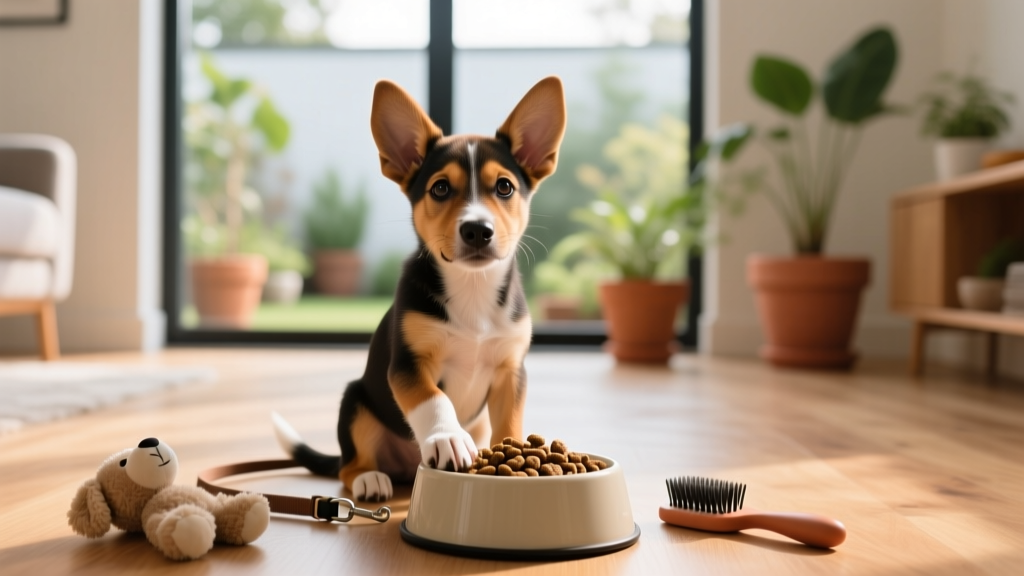
French Bulldog and Puppies: The Complete First-Year Guide
Everything you need to know about French Bulldog and puppies: milestones, feeding, potty training, vaccines, socialization, and first-year costs.

Bringing home a French Bulldog puppy is equal parts thrilling and overwhelming. Their bat ears, squishy faces, and clownish personalities make them irresistible, but Frenchie puppies come with a unique set of challenges that generic puppy guides simply don't address. Brachycephalic anatomy, sensitive digestion, stubborn streaks, and a critical socialization window all demand breed-specific planning.
This guide walks you through every stage of your French Bulldog puppy's first year with exact timelines, portion sizes, vaccine schedules, and real cost figures so you can prepare confidently rather than reactively.
When Should You Bring Your French Bulldog Puppy Home?
The American Kennel Club and responsible breeders agree: 8 weeks is the absolute minimum, but for French Bulldogs, 10-12 weeks is strongly preferred.
Frenchies mature more slowly than many breeds. Their brachycephalic airways mean they're more vulnerable to stress-related respiratory issues during the transition to a new home. A Frenchie puppy kept with the breeder until 10-12 weeks will typically:
- Be fully weaned and eating solid food confidently
- Have received at least two rounds of core vaccinations
- Have begun basic bite inhibition work with littermates
- Weigh 5-9 lb (2.3-4.1 kg), making them sturdier for travel
French Bulldog Puppy Milestones: Week by Week
Understanding what's developmentally normal at each stage prevents unnecessary vet visits and helps you recognize genuine concerns.
Weeks 4-8: The Breeder's Domain
During this period, your puppy is still with the breeder. Key developments include:
- Week 4-5: Deciduous (baby) teeth begin erupting; puppies start lapping gruel
- Week 6-7: First DHPP vaccine administered; deworming (pyrantel pamoate) typically given
- Week 7-8: Fear imprint period begins — negative experiences now can create lasting phobias
- Weight at 8 weeks: Typically 4-6 lb (1.8-2.7 kg)
Weeks 8-12: Home Transition and Bonding
This is when most Frenchie puppies join their new families. Expect:
- Sleep: 18-20 hours per day is normal — Frenchie puppies exhaust quickly due to brachycephalic breathing effort
- Appetite: May be reduced for the first 2-3 days due to stress; offer the same food the breeder used
- Potty frequency: Every 1-2 hours during the day; accidents are guaranteed
- Bite inhibition: Mouthing and nipping peak; redirect to chew toys consistently
- Weight at 12 weeks: Approximately 7-12 lb (3.2-5.4 kg)
Weeks 12-16: Confidence Building
- Teething discomfort increases as adult teeth begin pushing through
- Testing boundaries — "selective hearing" emerges
- Second fear imprint period may occur around 12-14 weeks
- Bladder control improves to approximately 2-3 hours between outings
- Weight at 16 weeks: Approximately 10-16 lb (4.5-7.3 kg)
Weeks 16-24: The Teenage Phase
- Adult teeth fully in by 6 months; chewing intensity peaks
- Energy surges followed by sudden crashes (Frenchie "zoomies" then naps)
- May regress on previously learned commands — stay consistent
- Sexual maturity begins; discuss spay/neuter timing with your vet (typically 6-9 months for Frenchies)
- Weight at 6 months: Approximately 14-22 lb (6.4-10 kg)
Months 6-12: Approaching Adulthood
- Growth rate slows significantly after 8 months
- Adult weight range: 16-28 lb (7.3-12.7 kg) per AKC breed standard
- Mental maturity lags behind physical maturity — expect puppy behaviors until 18-24 months
- Transition to adult food around 10-12 months (Frenchies benefit from extended puppy nutrition)
French Bulldog Puppy Feeding Schedule
French Bulldogs are prone to food allergies, sensitive stomachs, and obesity. Getting portions right from the start prevents digestive upset and long-term weight problems.
Food type recommendation: Choose an AAFCO-approved small-breed puppy formula with named animal protein as the first ingredient. Brands like Royal Canin French Bulldog Puppy, Purina Pro Plan Puppy Small Breed, or Hill's Science Diet Puppy Small Paws are formulated for their specific caloric and kibble-size needs.
| Age | Meals Per Day | Portion Per Meal (approx.) | Total Daily Amount | Notes |
|---|---|---|---|---|
| 8-12 weeks | 4 | ¼ - ⅓ cup | 1 - 1⅓ cups | Moisten kibble with warm water for easier chewing |
| 12-16 weeks | 3 | ⅓ - ½ cup | 1 - 1½ cups | Transition to dry kibble; monitor stool consistency |
| 4-6 months | 3 | ½ - ⅔ cup | 1½ - 2 cups | Peak growth phase; do not overfeed |
| 6-9 months | 2 | ¾ - 1 cup | 1½ - 2 cups | Reduce to 2 meals; adjust based on body condition score |
| 9-12 months | 2 | ¾ - 1 cup | 1½ - 2 cups | Begin gradual transition to adult formula at 10-12 months |
Water: Fresh water available at all times. Frenchies are messy drinkers — a shallow, wide bowl or a water-dispensing bottle designed for brachycephalic breeds reduces slobber and aspiration risk.
Potty Training Your French Bulldog Puppy: Realistic Timeline
French Bulldogs are notoriously stubborn about house training. While some breeds master potty training in weeks, most Frenchies take 4-6 months to be reliably house trained, and some take up to 8 months. This is normal, not a failure on your part.
Why Frenchies Are Harder to Potty Train
- Small bladders relative to body size
- Stubborn temperament — they don't feel urgency to "please" you the way retrievers do
- Sensitivity to weather — many Frenchies refuse to go outside in rain, cold, or extreme heat
- Brachycephalic breathing means they tire quickly on walks, shortening outdoor time
Potty Training Progression
| Age | Max Bladder Hold Time | Expected Accidents/Week | Strategy |
|---|---|---|---|
| 8-10 weeks | 1-1.5 hours | 3-5 daily | Take out every 30-60 min; praise + treat immediately after elimination |
| 10-14 weeks | 2 hours | 2-3 daily | Establish consistent door/spot; use cue word like "go potty" |
| 3-4 months | 2-3 hours | 1-2 daily | Bell training on door handle works well for Frenchies |
| 4-6 months | 3-4 hours | 2-4 weekly | Reduce treat frequency; maintain verbal praise |
| 6-8 months | 5-6 hours | 0-2 weekly | Reliable during the day; may still need one overnight outing |
| 8-12 months | 6-8 hours | Rare (illness/stress only) | Fully reliable if schedule maintained |
Troubleshooting Common Setbacks
Regression at 4-5 months: Extremely common. Your Frenchie may suddenly "forget" everything. This coincides with a developmental brain reorganization. Return to more frequent outings and higher-value treats for 1-2 weeks.
Refusing to go outside: Frenchies are notorious for protesting bad weather. Options include indoor pee pad stations (use only as a backup, not primary), covered potty areas, or a doggy raincoat to reduce discomfort.
Submissive/excited urination: Common in Frenchie puppies greeting owners. Ignore the puppy for the first 30 seconds upon entering; greet calmly at their level. Never punish — this worsens the behavior.
Vaccination Schedule for French Bulldog Puppies
Frenchies are particularly vulnerable to respiratory infections due to their compromised airways. Staying current on vaccinations is non-negotiable. The following schedule aligns with AVMA guidelines and core vaccine recommendations.
| Age | Vaccine | What It Protects Against | Estimated Cost |
|---|---|---|---|
| 6-8 weeks | DHPP (1st dose) | Distemper, Hepatitis (Adenovirus), Parainfluenza, Parvovirus | $20-$40 |
| 10-12 weeks | DHPP (2nd dose) + Bordetella | Same as above (booster) + Kennel Cough | $40-$60 |
| 14-16 weeks | DHPP (3rd dose) + Rabies | Final puppy booster + Rabies (legally required) | $40-$75 |
| 12-16 weeks | Leptospirosis (optional, 2-dose series) | Bacterial infection from contaminated water/wildlife | $30-$50 per dose |
| 16+ weeks | Canine Influenza (H3N2/H3N8, optional) | Dog flu strains — recommended for social dogs | $30-$45 per dose |
The Socialization Window: Weeks 3-14
The AKC identifies weeks 3-14 as the critical socialization period — a finite window during which puppies form lasting impressions about what is "safe" versus "threatening." For French Bulldogs, who can develop fear-based reactivity if under-socialized, this window is your single most important investment.
French Bulldog Socialization Checklist
People (aim for 100+ positive encounters before 14 weeks):
- Men with beards, hats, sunglasses
- Children of various ages (supervised, calm interactions)
- People in uniforms, using wheelchairs or walkers
- People of different heights, skin tones, and clothing styles
Environments:
- Different floor surfaces: tile, carpet, gravel, grass, metal grates
- Elevator rides, automatic doors, revolving doors
- Car rides (short, positive trips — not just vet visits)
- Outdoor seating areas, parking lots, quiet streets
Sounds (play at low volume, pair with treats):
- Thunder, fireworks, sirens, doorbells
- Vacuum cleaners, hair dryers, blenders
- Children laughing/screaming, construction noise
Handling (daily, 2-5 minutes):
- Ear touching and gentle cleaning — Frenchies need lifelong ear care
- Paw handling — prepares for nail trims
- Muzzle touching — critical for brachycephalic breeds who may need airway procedures
- Being placed on a table (simulates vet exam)
Other animals:
- Fully vaccinated, calm adult dogs (playdates, not dog parks)
- Cats (if applicable in your household)
- Observing livestock or wildlife from a distance
Teething, Chewing, and Bite Inhibition
French Bulldog puppies begin losing baby teeth around 3-4 months, with the process completing by 6 months. During this window, chewing intensity is at its peak, and their powerful jaws (Frenchies have a strong bite relative to their size) can cause real damage.
Teething Timeline and Relief
- 3-4 months: Incisors loosen first; increased drooling, pawing at mouth
- 4-5 months: Canines and premolars erupt; peak chewing destruction phase
- 5-6 months: Molars come in; most baby teeth should be shed
Retained baby teeth: Frenchies are predisposed to retained deciduous teeth, especially the canines. If a baby tooth hasn't fallen out within 2 weeks of the adult tooth appearing beside it, your vet will need to extract it to prevent crowding and dental disease.
Safe Chew Recommendations
- Kong Classic (size Small or Medium): Fill with frozen plain yogurt and mashed banana — the cold soothes inflamed gums
- Benebone Wishbone (Puppy size): Nylon chew with ridges; replace when worn smooth
- Frozen carrots: Natural, low-calorie, and appropriately sized for Frenchie mouths
- Yak cheese chews: Long-lasting and digestible; supervise to prevent choking on small end pieces
Avoid: Rawhide (choking and blockage risk, especially for brachycephalic breeds), cooked bones (splinter hazard), and any chew smaller than your Frenchie's mouth opening.
Stopping Puppy Biting and Nipping
Frenchies are mouthy puppies. Their nipping is normal communication, not aggression. Use these force-free methods:
- Redirect: When teeth touch skin, immediately offer an appropriate chew toy. Praise when they bite the toy instead.
- Withdraw attention: If nipping continues, stand up, cross your arms, and ignore for 15-30 seconds. Frenchie puppies are social and respond strongly to loss of attention.
- Time-outs: For persistent biting, calmly place puppy in a playpen for 1-2 minutes. This is not punishment — it's a calm-down reset.
- Never hold the muzzle shut, yell, or use physical correction. These methods increase fear and can damage the trust your Frenchie is building with you.
Crate Training Your French Bulldog Puppy
Crate training serves dual purposes for Frenchies: safe confinement during unsupervised periods and a den-like retreat that aids potty training. However, brachycephalic breeds overheat easily, so crate placement and duration require extra attention.
Crate Setup for Frenchies
- Size: A 24-inch crate (e.g., Midwest iCrate or Frisco Double Door) is appropriate for most adult Frenchies. Use the included divider panel to reduce space while your puppy is small.
- Bedding: A flat, chew-resistant pad (like Kuranda's CotFleece) rather than plush beds that invite shredding and potential ingestion
- Location: Cool, well-ventilated area away from direct sunlight and heating vents — Frenchies can overheat in a warm crate
- Water: A clip-on water bottle rather than a bowl prevents spills and keeps bedding dry
Crate Time Limits by Age
| Age | Max Continuous Crate Time (Day) | Overnight | Notes |
|---|---|---|---|
| 8-10 weeks | 1-1.5 hours | 3-4 hours (expect one nighttime potty break) | Set an alarm; don't wait for crying |
| 10-14 weeks | 2 hours | 4-5 hours | May still need one overnight break |
| 3-4 months | 3 hours | 5-6 hours | Most can hold overnight by 4 months |
| 4-6 months | 4 hours | 6-7 hours | Begin extending overnight duration gradually |
| 6+ months | 4-5 hours | 7-8 hours | Never exceed 5 hours daytime crating regularly |
Crate training progression:
- Day 1-3: Leave crate door open. Toss high-value treats inside. Feed meals in the crate. No door closing yet.
- Day 4-7: Close door during meals. Open immediately when finished. Add 1-2 minutes of closed-door time with you visible.
- Week 2: Close door, step away for 1-5 minutes. Return before puppy cries. Gradually extend absences.
- Week 3+: Leave the room for 10-30 minutes. Practice short departures from the house.
Crate whining protocol: If your Frenchie whines, wait for 3-5 seconds of silence before opening the door. Opening during whining teaches that noise = freedom. If whining persists beyond 15-20 minutes, assess whether they need a potty break, are too hot, or need more exercise before crating.
First-Year Cost Breakdown for a French Bulldog Puppy
French Bulldogs are among the more expensive breeds to raise, especially in the first year when veterinary setup costs are highest. Below is a realistic breakdown based on 2026 US pricing.
| Category | Low Estimate | Mid Estimate | High Estimate | Notes |
|---|---|---|---|---|
| Puppy purchase/adoption | $500 (rescue) | $2,500 | $5,000+ | AKC-registered from health-tested parents: $2,500-$5,000+ |
| Veterinary (wellness + vaccines) | $400 | $700 | $1,200 | Includes spay/neuter ($300-$800 depending on clinic) |
| Pet insurance | $480/yr | $720/yr | $1,200/yr | $40-$100/month; Frenchies are high-claim breeds |
| Food (quality puppy formula) | $300 | $450 | $700 | $25-$60/month depending on brand |
| Supplies (crate, bed, bowls, leash, harness) | $200 | $350 | $500 | Include harness — never use neck collars for walks (BOAS risk) |
| Training (puppy kindergarten + basic) | $150 | $300 | $600 | Group classes $150-$300; private sessions $75-$150 each |
| Grooming | $0 | $100 | $300 | Frenchies are low-maintenance but need wrinkle cleaning supplies |
| Emergency fund / unexpected vet | $0 | $300 | $2,000+ | Frenchie puppies prone to GI issues, skin infections, cherry eye |
| Total First Year | $2,030 | $5,420 | $11,500+ |
Common French Bulldog Puppy Problems and Solutions
Excessive Whining and Crying
Frenchies are vocal dogs. Puppy whining peaks in the first 2-3 weeks home. Distinguish between needs-based whining (potty, hunger, pain) and attention-seeking whining. Address needs first, then ignore attention whining consistently. A Snuggle Puppy heartbeat toy ($25-$35) can ease the first few nights.
Loose Stools and Digestive Upset
Frenchie puppies have notoriously sensitive stomachs. Common triggers include diet transitions (always take 7-10 days), stress, and food sensitivities (chicken and beef are common allergens). If stools are loose for more than 48 hours or contain blood or mucus, contact your vet. Keep a bland diet of boiled chicken and white rice on hand for 24-48 hour stomach resets.
Destructive Chewing
Peak chewing occurs between 3-6 months. Puppy-proof your home: use bitter apple spray on baseboards, keep shoes in closed closets, and use baby gates to limit unsupervised access. Provide at least 4-5 approved chew options rotated weekly to maintain novelty.
Skin Fold Irritation
Begin cleaning your Frenchie's facial folds daily from puppyhood using unscented dog wipes or a damp cloth followed by thorough drying. This prevents yeast and bacterial infections that are extremely common in the breed. Products like Squishface Wrinkle Wipes ($12-$15 for a pack) are convenient for daily use.
When Can My Frenchie Puppy Go Outside and Meet Other Dogs?
This is one of the most common questions new Frenchie owners ask, and the answer requires balancing disease risk with socialization urgency.
Before full vaccination (before ~16 weeks):
- Carry your puppy in public spaces — do not let paws touch public ground
- Attend puppy socialization classes that verify vaccination status of all attendees
- Arrange playdates with known, fully vaccinated, healthy adult dogs in private yards
- Avoid dog parks, pet store floors, and rest areas entirely
After full vaccination (1-2 weeks after final DHPP at 16 weeks):
- Begin supervised visits to low-traffic dog parks during off-peak hours
- Walk on public sidewalks and visit outdoor restaurant patios
- Enroll in group training classes
- Introduce to dog-friendly stores and hiking trails
Temperature caution: French Bulldog puppies should never exercise in temperatures above 80°F (27°C) or below 30°F (-1°C) without protection. Their brachycephalic airways make heat stroke a genuine emergency — learn the signs: excessive panting, blue-tinged gums, collapse. Cool immediately with lukewarm (not cold) water and go to the nearest emergency vet.
Frequently Asked Questions
How often should I feed my 10-week-old French Bulldog puppy?
At 10 weeks, feed 4 meals per day, approximately ¼ to ⅓ cup of small-breed puppy kibble per meal (total 1-1⅓ cups daily). Space meals roughly 4 hours apart during waking hours. Always provide fresh water.
When will my French Bulldog puppy be fully potty trained?
Most Frenchies are reliably house trained between 6-8 months, though some take up to 10 months. Consistency in schedule, immediate rewards for outdoor elimination, and realistic expectations about bladder capacity are the three biggest factors in success.
What vaccines does my French Bulldog puppy need and when?
Core vaccines include DHPP at 6-8 weeks, 10-12 weeks, and 14-16 weeks, plus Rabies at 14-16 weeks. Bordetella (kennel cough) is strongly recommended at 10-12 weeks for Frenchies due to their respiratory vulnerability. Optional vaccines include Leptospirosis and Canine Influenza based on your vet's assessment of local risk.
How do I stop my Frenchie puppy from biting my hands?
Redirect every bite to an appropriate chew toy. If biting continues, stand up and withdraw attention for 15-30 seconds. Consistency from all household members is critical. Most Frenchie puppies significantly reduce mouthing by 5-6 months as adult teeth come in and bite inhibition improves through training.
Is it normal for my French Bulldog puppy to snore?
Light snoring is typical for the breed due to shortened airways. However, loud snoring, gasping during sleep, exercise intolerance, or blue-tinged gums are signs of BOAS (brachycephalic obstructive airway syndrome) and warrant veterinary evaluation. Early intervention improves long-term outcomes.
Should I get pet insurance for my French Bulldog puppy?
Strongly recommended. French Bulldogs consistently rank among the top 3 breeds for veterinary claims. Common expensive conditions include BOAS corrective surgery ($3,000-$7,000), IVDD treatment ($3,000-$8,000), allergy management ($500-$2,000/year ongoing), and emergency care for GI obstructions. Enrolling at 8-10 weeks, before any conditions are documented, ensures the broadest coverage.
Dr. Hannah Wickes
All our authors care for dogs every day — read more of their work on the authors page.