Safe Dog Wormer for Pregnant Dogs: A Complete Parasite Control Guide
Learn which dog wormer for pregnant dogs is safe, when to deworm during gestation, dosage guidelines, and how to protect both dam and puppies from parasites.
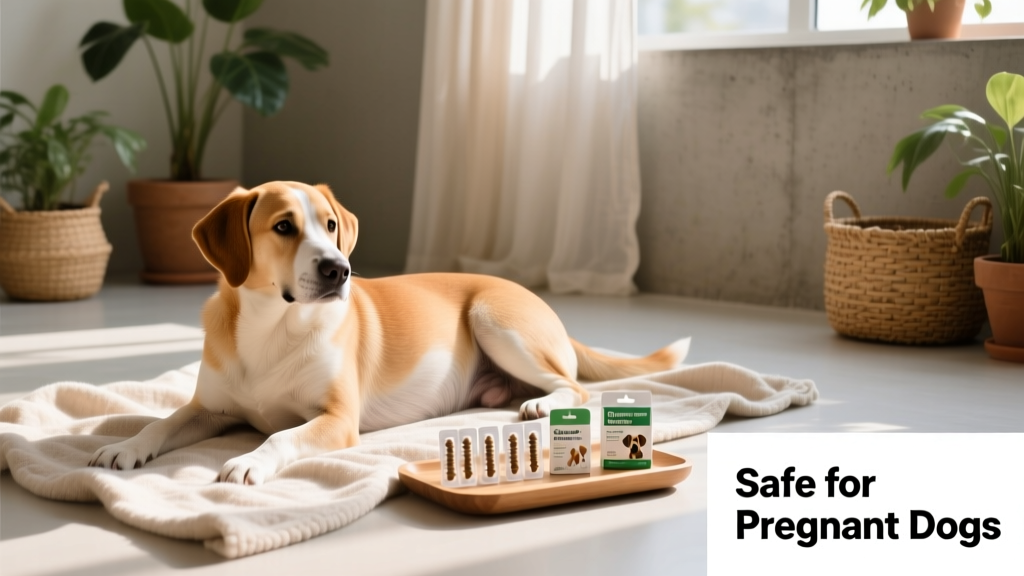
If your dog is expecting puppies, parasite control becomes one of the most critical — and most misunderstood — aspects of her prenatal care. Internal parasites like roundworms and hookworms can pass from mother to puppies through the placenta and milk, making a safe dog wormer for pregnant dogs essential for protecting the entire litter. But not every dewormer on the shelf is appropriate during gestation, and timing matters just as much as the product you choose.
This guide walks you through the life stage of canine pregnancy and early motherhood, covering safe anthelmintic options, nutritional shifts, physical changes, and the health screening schedule your veterinarian will recommend. Whether you're a first-time breeder or managing a multi-dog household, you'll find specific dosages, timelines, and practical steps to keep your pregnant dog and her puppies healthy.
Understanding Pregnancy as a Distinct Life Stage
Canine pregnancy (gestation) lasts approximately 58–68 days, with an average of 63 days from ovulation. While pregnancy isn't a permanent life stage like puppyhood or senior years, it represents a physiologically distinct period with unique care requirements that overlap with the broader "reproductive adult" life stage.
Life Stage Age Ranges by Breed Size
Because most pregnant dogs are adults, it's important to understand where your dog falls in the adult-to-senior spectrum. Pregnancy in senior dogs carries additional risks, so knowing your dog's life stage context matters:
| Breed Size Category | Weight Range | Adult Stage | Senior Threshold |
|---|---|---|---|
| Small breeds | Under 20 lb / 9 kg | 1–10 years | 11+ years |
| Medium breeds | 20–50 lb / 9–23 kg | 1–9 years | 10+ years |
| Large breeds | 50–90 lb / 23–41 kg | 1–7 years | 8+ years |
| Giant breeds | Over 90 lb / 41 kg | 1–5 years | 6+ years |
Key insight: Breeding a giant breed over 5 years old or a small breed over 10 years old means your dog is entering pregnancy as a senior, which increases risks of dystocia (difficult birth), gestational complications, and slower recovery. Your vet may recommend additional monitoring in these cases.
Why Deworming During Pregnancy Is Critical
Parasite transmission from dam to puppies is one of the most preventable — yet most common — problems in canine reproduction. Here's what the science tells us:
- Roundworms (Toxocara canis): Larvae dormant in the dam's tissues reactivate during pregnancy due to hormonal changes. They cross the placenta starting around day 42 of gestation, infecting puppies before birth. According to the Merck Veterinary Manual, nearly 100% of puppies are born with roundworms if the dam is not dewormed.
- Hookworms (Ancylostoma caninum): Transmitted primarily through the dam's milk during nursing. Larvae migrate to the mammary glands and are ingested by puppies during feeding.
- Whipworms and tapeworms: Less commonly transmitted vertically, but infected dams shed eggs into the environment, exposing puppies shortly after birth.
Without prenatal deworming, puppies can develop severe parasitic burdens leading to anemia, pot-bellied appearance, failure to thrive, and in extreme cases, intestinal blockage or death before 8 weeks of age.
Safe Dog Wormer Options for Pregnant Dogs
Not all anthelmintic medications are safe during pregnancy. Some commonly available dewormers carry risks of fetal harm or have not been adequately tested in pregnant dogs. Here's a breakdown of the most widely recommended options:
Fenbendazole — The Gold Standard
Fenbendazole (brand names: Panacur, Safe-Guard) is the most extensively studied and widely recommended dog wormer for pregnant dogs. It is effective against roundworms, hookworms, whipworms, and certain tapeworms (Taenia species).
Fenbendazole has been demonstrated safe in pregnant and lactating dogs when used at recommended dosages. It is the dewormer of choice recommended by most veterinary reproductive specialists.
| Parameter | Details |
|---|---|
| Dosage | 50 mg/kg (22.7 mg/lb) orally once daily |
| Prenatal Protocol | Daily from day 40 of gestation through day 14 post-whelping (approximately 28 consecutive days) |
| Available Forms | Oral suspension (liquid), granules (powder), paste |
| Cost Range | $15–$40 for a full course depending on dog size |
| Parasites Covered | Roundworms, hookworms, whipworms, Taenia tapeworms |
| Side Effects | Rare; occasional vomiting or loose stool at treatment onset |
Practical tip: For a 50 lb (23 kg) pregnant dog, the daily fenbendazole dose is approximately 1,136 mg. Using Panacur C granules (1 gram packets containing 222 mg/g), you'd administer roughly 5 grams daily mixed into food. The liquid suspension (Panacur 10% at 100 mg/mL) requires about 11.4 mL daily. Always confirm calculations with your vet.
Ivermectin — Use With Caution
Ivermectin at heartworm-preventive doses (6 mcg/kg) is generally considered safe in pregnant dogs. However, higher doses used for mange or heavy parasite loads carry risks and should never be given to pregnant dogs without direct veterinary supervision. Certain breeds with the MDR1 gene mutation (Collies, Australian Shepherds, Shetland Sheepdogs) are particularly sensitive to ivermectin toxicity.
Medications to AVOID During Pregnancy
- Praziquantel at high doses — limited safety data in pregnant dogs at therapeutic tapeworm doses; your vet will weigh risk vs. benefit
- Levamisole — known teratogenic potential
- Piperazine — narrow safety margin, largely outdated
- Over-the-counter "natural" or herbal wormers — unregulated, untested in pregnancy, may contain harmful compounds like wormwood or black walnut hull
The Prenatal Deworming Timeline
Timing is everything. Here's the recommended schedule for parasite control throughout your dog's pregnancy and early nursing period:
Pregnancy Deworming Timeline
- Pre-breeding (2–4 weeks before mating): Fecal flotation test and broad-spectrum deworming with fenbendazole or pyrantel pamoate. This reduces the overall parasite burden before conception.
- Day 0–40 of gestation: No routine deworming unless a fecal test indicates active infection. Heartworm preventive should continue as normal.
- Day 40 of gestation: Begin daily fenbendazole at 50 mg/kg. This is the critical window — roundworm larvae begin migrating to the uterus around day 42, so starting treatment at day 40 creates a protective barrier.
- Day 40–whelping: Continue daily fenbendazole without interruption.
- Day 1–14 post-whelping: Continue daily fenbendazole. Hookworm larvae are transmitted through milk during nursing; ongoing treatment reduces this transmission.
- Day 14 post-whelping: Discontinue fenbendazole. Schedule a fecal test for the dam at the postpartum checkup.
Puppy Deworming Starts Early
Even with perfect prenatal deworming, puppies should begin their own parasite control early. The CDC and veterinary parasitologists recommend:
- 2 weeks of age: First deworming with pyrantel pamoate (roundworms and hookworms)
- 4, 6, and 8 weeks: Repeat pyrantel pamoate every 2 weeks
- 8 weeks: Transition to monthly broad-spectrum preventive (e.g., Heartgard Plus, Interceptor Plus, or Revolution Plus)
- Fecal testing: At 8 weeks and again at 12 weeks
Physical Changes During Pregnancy and What to Expect
Understanding the normal physical progression of pregnancy helps you distinguish healthy changes from warning signs that require veterinary attention.
Weight Gain
A pregnant dog typically gains 20–55% of her pre-pregnancy body weight over the course of gestation, depending on litter size. Most weight gain occurs in the final 3–4 weeks:
- Weeks 1–5: Minimal visible change; weight gain of 0–5%
- Weeks 5–7: Noticeable abdominal enlargement; 10–25% weight gain
- Weeks 7–9: Rapid growth; total weight gain of 20–55%
Red flag: Sudden weight gain of more than 5% in a single week, or abdominal swelling that seems disproportionate, could indicate fluid accumulation (hydrops) or a single oversized fetus. Contact your vet immediately.
Coat and Skin Changes
Many pregnant dogs develop darker, more prominent nipples ("pinking up") by week 3–4. The mammary glands enlarge significantly in the final two weeks. Some dogs experience mild coat dryness due to nutrient diversion to the developing puppies — supplementing with omega-3 fatty acids (fish oil at 20–55 mg EPA+DHA per kg of body weight daily) can help.
Energy and Sleep Patterns
Expect your pregnant dog to become progressively less active as pregnancy advances. By week 7–8, she may sleep 16–20 hours per day and show reluctance on walks. This is normal. However, lethargy combined with refusal to eat for more than 24 hours is a veterinary concern.
Nutritional Adjustments for Pregnant Dogs
Feeding a pregnant dog correctly is one of the most impactful things you can do for litter health. Nutritional needs shift dramatically across gestation:
| Gestation Period | Caloric Increase | Diet Type | Key Adjustments |
|---|---|---|---|
| Weeks 1–5 | None (maintenance) | Regular adult diet | Do not overfeed; excess calories early in pregnancy contribute to maternal fat, not puppy growth |
| Weeks 5–6 | +10–15% | Begin transitioning to puppy/growth formula | Look for AAFCO statement for "growth" or "all life stages"; minimum 28% protein, 17% fat |
| Weeks 7–8 | +25–35% | Full puppy/growth formula | Feed 3–4 smaller meals daily; stomach capacity is reduced by uterine pressure |
| Week 9 (final) | +25–50% (peak) | Puppy/growth formula, free-choice if appetite is low | Appetite may drop 24–48 hours before whelping — this is normal |
| Lactation (weeks 1–4 post-whelping) | +100–300% (2–4x maintenance) | Puppy/growth formula, free-choice | Peak milk production at week 3–4; highest caloric demand of any life stage |
Supplement considerations: A high-quality prenatal supplement for dogs may include folic acid (400–800 mcg daily for medium breeds), DHA for fetal brain development, and calcium. However, do not supplement calcium before whelping — excess calcium during pregnancy can suppress parathyroid function and actually increase the risk of eclampsia (milk fever) after birth. Calcium supplementation is appropriate only during lactation and under veterinary guidance.
Exercise Modifications During Pregnancy
Exercise during pregnancy should be adjusted gradually — not eliminated. Moderate activity maintains muscle tone for labor and prevents excessive weight gain.
Exercise Adjustment Checklist by Trimester
- Weeks 1–3 (First Trimester): Continue normal exercise routine. No modifications needed unless your dog shows signs of nausea or fatigue (some dogs experience mild morning sickness around days 21–28).
- Weeks 4–6 (Mid-Pregnancy): Maintain daily walks but reduce intensity. Switch from running/jogging to brisk walking. Avoid rough play with other dogs that could cause abdominal trauma.
- Weeks 7–9 (Late Pregnancy): Short, gentle walks (10–15 minutes, 2–3 times daily). Allow your dog to set the pace. Stop immediately if she shows panting, lagging, or reluctance.
- Post-Whelping (Weeks 1–3): Brief outdoor bathroom breaks only. The dam should stay close to her puppies. Gradually reintroduce short walks after week 3 as puppies begin supplemental feeding.
Avoid during pregnancy: Swimming in cold water (hypothermia risk to fetuses), agility or jumping activities, hiking on rough terrain, and forced exercise (never pull a reluctant pregnant dog on a leash).
Health Screening Schedule for Pregnant Dogs
A structured veterinary screening schedule catches problems early and ensures your deworming protocol is on track:
| Timing | Tests/Procedures | Purpose | Estimated Cost |
|---|---|---|---|
| Pre-breeding | Full physical exam, fecal flotation, heartworm test, Brucella canis screening, progesterone timing | Confirm health status, rule out infectious disease, optimize breeding timing | $150–$400 |
| Day 28–35 | Abdominal ultrasound or relaxin blood test | Confirm pregnancy; ultrasound can estimate litter size and fetal viability | $100–$300 (ultrasound), $80–$120 (relaxin test) |
| Day 40 | Begin fenbendazole protocol; fecal recheck if indicated | Initiate prenatal deworming before transplacental migration | $15–$40 (medication) |
| Day 50–55 | Abdominal radiographs (X-rays) | Count fetal skeletons for accurate litter size; assess fetal positioning | $150–$350 |
| Day 55–58 | Pre-whelping exam; discuss emergency C-section plan | Assess readiness for labor; establish emergency protocol | $80–$150 (exam); $1,500–$4,000 (emergency C-section if needed) |
| 48 hours post-whelping | Postpartum exam for dam and puppies | Check for retained placentas, metritis, adequate milk production | $80–$200 |
Common Health Problems During Pregnancy and Early Warning Signs
Pregnant dogs face specific health risks that require prompt recognition and veterinary intervention:
Pregnancy Toxemia (Gestational Ketosis)
Occurs when the dam cannot meet energy demands, usually in late pregnancy with large litters. Warning signs: lethargy, anorexia, sweet or acetone-smelling breath, weakness. More common in small breeds carrying large litters. Requires immediate veterinary treatment with IV dextrose.
Eclampsia (Milk Fever / Hypocalcemia)
Low blood calcium, typically occurring during peak lactation (weeks 2–4 post-whelping). Warning signs: muscle tremors, stiffness, panting, restlessness, seizures. This is a life-threatening emergency requiring IV calcium gluconate. Do not attempt to treat at home.
Metritis (Uterine Infection)
Bacterial infection of the uterus after whelping. Warning signs: foul-smelling dark green or pus-like vaginal discharge beyond 48 hours post-whelping, fever over 103°F (39.4°C), lethargy, neglect of puppies. Requires antibiotics and possibly emergency spay.
Mastitis
Infection of the mammary glands. Warning signs: hot, red, swollen, or painful teats; discolored milk (yellow, bloody, or clotted); dam refusing to nurse. Puppies may cry excessively or fail to gain weight.
- Temperature above 103°F (39.4°C) or below 99°F (37.2°C) — a drop below 99°F typically signals labor within 24 hours, but sustained low temperature without labor onset is concerning
- Active straining for more than 30 minutes without producing a puppy
- More than 4 hours between puppies with continued straining
- Green discharge before any puppy is delivered (placental separation)
- Visible puppy or fluid-filled sac at the vulva for more than 15 minutes without progress
- Seizures, collapse, or severe lethargy at any point
Home Environment Adjustments for Pregnant and Nursing Dogs
Preparing your home before whelping reduces stress for the dam and improves puppy survival rates:
Whelping Box Setup
Introduce the whelping box by week 7 of pregnancy so the dam becomes comfortable with it. Specifications:
- Size: 1.5 times the dam's body length in both dimensions (e.g., for a 50 lb dog approximately 36 inches long, use a box at least 54" × 54")
- Rail height: Low enough for the dam to step over easily (6–8 inches for small breeds, 10–12 inches for large breeds), with internal "pig rails" 3–4 inches from the walls to prevent puppies from being crushed
- Bedding: Washable vetbed or whelping pads — avoid loose towels or blankets that puppies can become tangled in
- Temperature: Maintain ambient room temperature at 72–75°F (22–24°C). Puppies cannot thermoregulate for the first 3 weeks; supplemental heat (heat lamp or heating pad on LOW under one side of the box) should create a gradient of 85–90°F (29–32°C) in the nesting area
Environmental Modifications
- Ramps or steps: Provide a ramp to help the heavily pregnant dam access elevated surfaces (couches, beds) if she chooses, but ideally keep her on ground-level surfaces in late pregnancy
- Quiet zone: Relocate the whelping area away from household traffic, other pets, and loud noises. A spare bedroom or enclosed utility room works well
- Puppy-proofing: After birth, ensure no gaps, sharp edges, or small objects near the whelping area. Puppies begin exploring at 3–4 weeks
- Separation from other dogs: Keep other household dogs separated from the dam and puppies for at least the first 3 weeks. Even familiar dogs may show unpredictable behavior around newborns
Behavioral Changes and How to Support Your Pregnant Dog
Hormonal fluctuations during pregnancy cause noticeable behavioral shifts. Understanding these changes helps you respond appropriately:
- Nesting behavior (weeks 7–9): The dam may dig at bedding, rearrange blankets, or seek out dark, enclosed spaces. This is normal and indicates approaching labor. Provide appropriate nesting materials and ensure the whelping box is accessible.
- Appetite fluctuations: Some dogs experience decreased appetite in weeks 3–4 (canine morning sickness) and again 24–48 hours before whelping. Offer small, frequent meals of highly palatable food. If appetite loss lasts more than 48 hours outside these windows, consult your vet.
- Increased clinginess or withdrawal: Both are normal. Some dams seek constant human contact; others become more reclusive. Follow your dog's lead — provide attention when she seeks it and respect her space when she retreats.
- Mild aggression toward other dogs: Maternal protective instincts can emerge before birth. Separate the dam from other household dogs during the last two weeks of pregnancy and throughout nursing.
- Post-whelping protectiveness: The dam may growl or snap if you approach her puppies. Use positive reinforcement — offer high-value treats when you handle puppies to build positive associations. Never punish protective behavior; this increases anxiety and may escalate to biting.
Quality of Life Considerations for Breeding Dogs
Responsible breeding includes honest assessment of the dam's overall wellbeing — not just during pregnancy, but across her breeding career. The physical toll of repeated pregnancies, whelping, and lactation is significant.
Assessing Your Breeding Dog's Quality of Life
Use this framework to evaluate whether continued breeding is in your dog's best interest:
| Indicator | Acceptable | Concerning — Reevaluate Breeding |
|---|---|---|
| Recovery time post-whelping | Returns to pre-pregnancy weight and energy within 8–12 weeks | Prolonged weight loss, persistent lethargy beyond 12 weeks |
| Coat condition post-lactation | Mild coat blow that regrows within 3–4 months | Severe coat loss, bald patches, skin infections |
| Dental health | No significant tartar buildup or tooth loss | Accelerated dental disease from calcium demands of lactation |
| Behavioral state between litters | Returns to normal temperament and activity | Persistent anxiety, fearfulness, or disinterest in normal activities |
| Whelping history | Natural delivery or uncomplicated C-section | Repeated C-sections, stillbirths, or neonatal losses |
The AKC Breeder of Merit program and responsible breed organizations generally recommend limiting a dam to 3–4 litters maximum and retiring her from breeding by age 5–6 (earlier for giant breeds). Spaying after retirement eliminates the risk of pyometra (uterine infection), which affects up to 25% of intact female dogs by age 10.
How to Know if Your Senior Pregnant Dog Is Suffering
If your dog is pregnant and at or near her senior threshold (see the age chart above), the physical demands of pregnancy compound age-related decline. Watch for these indicators that pregnancy may be causing undue suffering:
- Mobility decline: Difficulty rising, reluctance to move, limping, or stiffness that worsens during pregnancy — may indicate hip dysplasia or arthritis exacerbated by pregnancy weight
- Chronic pain indicators: Excessive panting at rest, trembling, flattened ears, tucked tail, whale eye (showing whites of eyes), lip licking when touched
- Cognitive changes: Confusion, disorientation, disrupted sleep-wake cycles — may signal canine cognitive dysfunction, which pregnancy stress can worsen
- Organ function decline: Increased thirst and urination beyond normal pregnancy levels, vomiting, diarrhea — may indicate kidney or liver strain
If your senior pregnant dog shows multiple signs from this list, have an honest conversation with your veterinarian about whether continuing the pregnancy is in the dog's best interest. In some cases, humane termination of pregnancy or early delivery via C-section may be the most compassionate option. This is a difficult decision, and your vet can help you navigate it without judgment.
Responsible Breeding: A Necessary Caveat
This article is written for dog owners who find themselves managing a pregnant dog — whether through planned breeding, accidental mating, or adoption of a pregnant rescue. If you are considering breeding, please keep these principles in mind:
- Health testing first: Both sire and dam should have breed-appropriate health clearances (OFA/CERF/PennHIP for hips, cardiac exams, genetic testing for breed-specific conditions). The Orthopedic Foundation for Animals maintains breed-specific testing requirements.
- Genetic compatibility: Avoid breeding two dogs with known hereditary conditions or carriers of the same recessive disease.
- Take-back clause: Responsible breeders contractually agree to take back any dog they produce, at any age, for any reason.
- Adoption is equally valid: If you want a specific breed, check breed-specific rescue organizations before purchasing from a breeder. Many purebred dogs — including pregnant females — end up in rescue through no fault of their own.
- Never breed for profit alone: The costs of responsible breeding (health testing, prenatal care, emergency C-sections, puppy veterinary care, genetic screening) frequently exceed the revenue from puppy sales. Ethical breeding is a labor of love, not a business model.
Frequently Asked Questions
Can I use over-the-counter dewormer from a pet store on my pregnant dog?
Most over-the-counter dewormers at pet stores contain pyrantel pamoate or praziquantel, which have varying safety profiles during pregnancy. The safest approach is to use only veterinary-recommended products at vet-directed dosages. Fenbendazole (Panacur/Safe-Guard) is available over the counter and is the preferred choice, but you should still confirm the dosage and timing with your veterinarian before starting treatment.
How much does a full prenatal deworming course cost?
For a medium-sized dog (40–60 lb / 18–27 kg), a 28-day course of fenbendazole typically costs $25–$45 using over-the-counter Panacur C granules. Prescription formulations from your vet may cost slightly more. This is a small investment compared to the cost of treating a litter of puppies with heavy parasite burdens, which can run $200–$500+ in veterinary visits and medications.
My pregnant dog has visible worms in her stool — what should I do?
Collect a fresh stool sample and bring it to your veterinarian for identification. Visible worms are typically roundworms (spaghetti-like, 2–4 inches long) or tapeworm segments (rice-grain sized, near the anus or in bedding). Your vet will identify the species and prescribe the appropriate dewormer. Do not delay — heavy parasite loads compete with the puppies for nutrients and increase the risk of anemia.
Can heartworm preventive be given to pregnant dogs?
Yes. Heartworm preventives containing ivermectin (Heartgard), milbemycin (Interceptor), or selamectin (Revolution) at labeled preventive doses are considered safe during pregnancy. Never skip heartworm prevention during pregnancy — heartworm disease is far more dangerous to a pregnant dog than the preventive medication. The American Heartworm Society confirms that all FDA-approved heartworm preventives have been tested for safety in pregnant dogs at labeled doses.
Is it safe to deworm my dog while she is nursing puppies?
Yes — in fact, it's recommended. The fenbendazole protocol described above extends through day 14 post-whelping specifically to reduce hookworm transmission through milk. Fenbendazole passes into milk in very small quantities and is safe for nursing puppies. The puppies are also receiving their own deworming starting at 2 weeks of age.
What if I didn't deworm my dog during pregnancy — is it too late?
If you've missed the prenatal window, start the puppies on pyrantel pamoate at 2 weeks of age and repeat every 2 weeks until 8 weeks. Have the dam fecal-tested and dewormed post-whelping. While prenatal deworming is ideal, aggressive early treatment of puppies can still prevent serious parasitic disease. Consult your vet to create a catch-up protocol.
Robin Maitland
All our authors care for dogs every day — read more of their work on the authors page.


