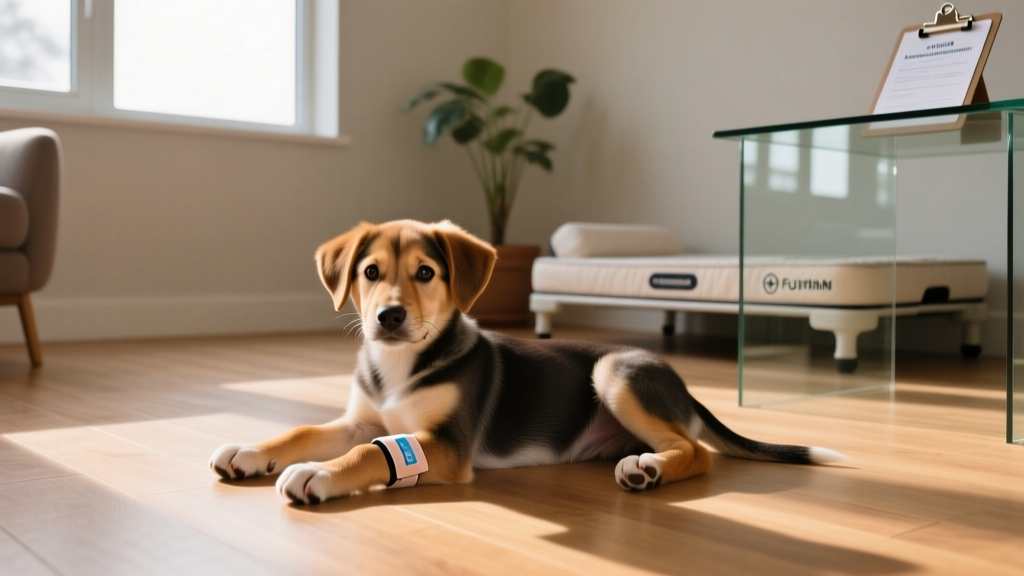
Deworming Puppy Schedule: A Complete Week-by-Week Guide for New Owners
Complete deworming puppy schedule with week-by-week milestones, vaccination timelines, feeding portions, potty training, and first-year cost breakdown.

Why Deworming Your Puppy Starts Before You Even Bring Them Home
Intestinal parasites are nearly universal in puppies. According to the Merck Veterinary Manual, roundworms (Toxocara canis) can be transmitted from mother to puppy through the placenta before birth, and hookworms (Ancylostoma caninum) pass through the mother's milk. This means that even puppies from clean, well-managed breeding environments are likely carrying parasites by the time they're two weeks old.
A structured deworming puppy protocol is one of the most important health interventions in your dog's first year. Left untreated, heavy parasite loads cause anemia, stunted growth, potbellied appearance, diarrhea, and in severe cases, intestinal blockage or death. Some parasites, including roundworms and hookworms, are also zoonotic — meaning they can transmit to humans, particularly children who play in contaminated soil.
Week-by-Week Deworming Puppy Schedule and Age Milestones
The CDC and the Companion Animal Parasite Council (CAPC) recommend deworming puppies beginning at 2 weeks of age, repeating every 2 weeks until 8 weeks, then monthly until 6 months. Here's what that timeline looks like alongside other critical developmental milestones:
| Age | Deworming Action | Key Milestones |
|---|---|---|
| Weeks 2–4 | Pyrantel pamoate every 2 weeks (breeder/rescue responsibility) | Eyes open (2 weeks), start weaning onto gruel (3–4 weeks), first socialization with littermates |
| Weeks 4–8 | Pyrantel pamoate at weeks 4, 6, and 8; fecal float test at 6–8 weeks | First DHPP vaccine (6–8 weeks), transition to solid puppy food, crate introduction, begin handling exercises |
| Weeks 8–12 | Monthly broad-spectrum dewormer begins (e.g., pyrantel/praziquantel/febantel combo); heartworm preventive starts at vet's discretion | Go-home day (8–10 weeks), second DHPP (10–12 weeks), peak socialization window, potty training begins in earnest |
| Weeks 12–16 | Continue monthly dewormer; fecal recheck at 12–14 weeks if initial test was positive | Third DHPP (14–16 weeks), rabies vaccine (14–16 weeks per local law), longer crate durations, leash walking practice |
| Weeks 16–24 | Monthly heartworm/intestinal parasite combo preventive continues; fecal test at 6 months | Teething peaks (3–6 months), spay/neuter discussion, advanced socialization, puppy kindergarten classes |
| 6–12 Months | Transition to adult monthly preventive; annual fecal screening at 12 months | Adult teeth fully in, growth rate slows, transition to adult food (breed-size dependent), adolescent behavior challenges |
Common Deworming Medications Used in Puppies
Your veterinarian will select the appropriate anthelmintic (deworming medication) based on the parasites identified. Here are the most commonly prescribed options:
- Pyrantel pamoate (Nemex®, Strongid®): Targets roundworms and hookworms. Safe from 2 weeks of age. Typical dose: 5 mg/kg orally, repeated in 2 weeks.
- Fenbendazole (Panacur®): Broad-spectrum — covers roundworms, hookworms, whipworms, and some tapeworms (Taenia species). Safe from 6 weeks. Typical course: 50 mg/kg daily for 3 consecutive days.
- Praziquantel (Droncit®): Specifically targets tapeworms (Dipylidium caninum, Taenia). Often combined with pyrantel in products like Drontal® Plus.
- Monthly combination preventives (e.g., Interceptor Plus®, Sentinel®, Heartgard Plus®): Cover heartworm prevention plus intestinal parasites (roundworms, hookworms, and in some products, whipworms and tapeworms). These become the long-term maintenance protocol after the initial intensive deworming phase.
Feeding Schedule and Portions by Age and Weight
Puppies burn calories at roughly twice the rate of adult dogs per pound of body weight. Their stomachs are small, which means they need frequent, measured meals rather than free-feeding. Here's a feeding framework based on projected adult weight categories:
| Age | Meals/Day | Small Breed (under 20 lb adult) | Medium Breed (20–50 lb adult) | Large Breed (50–100+ lb adult) |
|---|---|---|---|---|
| 6–12 weeks | 4 meals | ¼–½ cup per meal | ½–¾ cup per meal | ¾–1¼ cups per meal |
| 3–6 months | 3 meals | ⅓–⅔ cup per meal | ¾–1 cup per meal | 1–2 cups per meal |
| 6–12 months | 2 meals | ½–¾ cup per meal | 1–1½ cups per meal | 1½–3 cups per meal |
These are starting estimates. Always check the feeding chart on your specific kibble brand (caloric density varies significantly — from 350 to 500 kcal/cup across brands), and use your puppy's body condition score (BCS) as the ultimate guide. You should be able to feel ribs without pressing hard but not see them prominently. A visible waist when viewed from above indicates appropriate condition.
Key feeding rules during deworming: Some dewormers (like fenbendazole) are given with food to improve absorption and reduce GI upset. Pyrantel pamoate can be given on an empty stomach but is often mixed with a small amount of canned food for easier administration. Always follow your vet's specific instructions.
Vaccination and Deworming: The Combined Health Schedule
Vaccines and deworming work together to build your puppy's immune defenses. A parasite-burdened puppy may not mount a strong immune response to vaccines, which is why the deworming puppy schedule starts even earlier than vaccinations.
| Age | Vaccines | Parasite Prevention | Estimated Cost |
|---|---|---|---|
| 6–8 weeks | DHPP (Distemper, Hepatitis/Adenovirus, Parainfluenza, Parvovirus) — 1st dose | Pyrantel pamoate (roundworms, hookworms) | $75–$100 (exam + vaccine + dewormer) |
| 10–12 weeks | DHPP — 2nd dose; Bordetella (optional, based on exposure risk) | Monthly combo preventive begins; fecal float test | $80–$120 |
| 14–16 weeks | DHPP — 3rd dose; Rabies (required by law in most US states) | Continue monthly preventive; heartworm test if 6+ months | $80–$150 (rabies adds $15–$35) |
| 6 months | No scheduled vaccines (booster at 1 year) | Fecal recheck; heartworm antigen test | $40–$70 (tests only) |
| 12–16 months | DHPP booster; Rabies booster (1-year or 3-year per local law) | Annual fecal screening | $90–$160 |
Important note on parvovirus risk: Parvovirus is environmentally persistent and deadly to unvaccinated puppies. Until your puppy has completed the full DHPP series (typically at 16 weeks), avoid high-traffic dog areas like dog parks, pet store floors, and rest stops. Controlled socialization with known, vaccinated dogs in private yards is acceptable and encouraged.
Potty Training Timeline and Realistic Expectations
Potty training is a physiological milestone as much as a behavioral one. A puppy's bladder sphincter doesn't fully mature until approximately 4–6 months of age, which means accidents before that point are developmental, not defiance.
The general rule: A puppy can hold their bladder for roughly one hour per month of age, plus one. So a 3-month-old puppy can manage about 4 hours maximum — and that's during rest, not active play.
Track the following for 5–7 days to identify your puppy's patterns:
- Time of elimination (note AM/PM and exact time)
- Trigger event (waking up, eating, playing, drinking)
- Location (outdoor target spot vs. indoor accident location)
- Stool consistency (1–7 scale: 1=hard pellets, 4=ideal formed log, 7=liquid — note: persistent scores of 5–7 may indicate parasites and warrant a fecal recheck with your vet)
Realistic timeline expectations:
- 8–12 weeks: Expect 3–6 accidents per week. Take puppy out every 1–2 hours during the day, immediately after meals, naps, and play sessions. Reward with high-value treat (small piece of boiled chicken or commercial training treat) within 2 seconds of elimination in the correct spot.
- 3–4 months: Accidents should decrease to 1–2 per week if you're consistent. Begin adding a verbal cue ("go potty") as the puppy eliminates.
- 4–6 months: Most puppies are reliably house-trained with zero to rare accidents. They can hold for 4–6 hours during the day.
- 6–12 months: Fully reliable. Some intact males may begin marking — spay/neuter and management resolve this in most cases.
Deworming connection: Puppies with active intestinal parasite infections often have loose stools and increased urgency, making potty training significantly harder. If your puppy is having frequent diarrhea despite consistent training, get a fecal test before blaming the training protocol.
Socialization Window: Weeks 3–14
The American Veterinary Society of Animal Behavior (AVSAB) identifies the primary socialization period as 3–14 weeks of age. During this window, puppies form lasting impressions about what is safe and normal. Puppies deprived of varied positive experiences during this period are statistically more likely to develop fear-based behavioral problems later in life.
The challenge: this window overlaps with the vulnerable pre-vaccination period. The AVSAB's position statement recommends that puppies begin socialization before completing their vaccine series, provided exposures are managed carefully — meaning controlled environments with known, vaccinated dogs rather than unknown dogs in public spaces.
Socialization Exposure Checklist (Weeks 8–14)
Aim for 5–10 new positive experiences per day. Every exposure should be paired with treats and praise so the puppy forms a positive association. If your puppy shows fear (cowering, tail tucking, freezing), increase distance and let them observe from a safe spot — never force interaction.
- People: Children, elderly individuals, people wearing hats/sunglasses/masks, people of different ethnicities, tall people, people using wheelchairs or crutches, delivery workers, people carrying umbrellas
- Surfaces: Gravel, grass, metal grates, wet pavement, carpet, tile, wood floors, tarps, wobble boards
- Sounds: Vacuum cleaner (start from another room), thunderstorm recordings at low volume, doorbells, car horns, construction noise, fireworks recordings, hair dryer, blender
- Objects: Open umbrellas, garbage bags blowing, bicycles, skateboards, shopping carts, balloons (supervised, pop risk), flags
- Animals: Vaccinated adult dogs (calm, puppy-savvy), cats (controlled introduction), livestock if rural
- Handling: Ear touching, paw handling, mouth opening, nail clipping simulation, collar grabbing, being lifted, being examined on a table
- Environments: Car rides (short trips ending in fun destinations), outdoor café patios, friend's houses, parking lots, quiet suburban streets, puppy kindergarten class
Crate Training Progression and Time Limits
A crate serves as your puppy's safe den, a potty training tool (dogs instinctively avoid soiling their sleeping area), and a management tool to prevent destructive chewing when unsupervised. But crate time must be age-appropriate to avoid distress and crate aversion.
Maximum crate durations by age:
- 8–10 weeks: 30–60 minutes during the day; 2–3 hours overnight (you'll need one middle-of-night potty break)
- 10–12 weeks: 1–2 hours during the day; 3–4 hours overnight
- 3–4 months: 2–3 hours during the day; 4–6 hours overnight
- 4–6 months: 3–4 hours during the day; 6–8 hours overnight
- 6+ months: Up to 4–5 hours during the day; 8 hours overnight is typical
Crate training steps:
- Leave the crate open with a soft bed and scatter high-value treats inside. Let the puppy enter and exit freely for 2–3 days.
- Begin feeding meals inside the crate with the door open, then closed during the meal, then opened immediately after.
- Close the door for 1–5 minutes while you sit nearby. Gradually increase duration and distance.
- Leave the room for short periods (1–5 minutes), then return before the puppy shows distress. Build duration in small increments.
- Never use the crate as punishment. The crate should always predict good things.
Teething Timeline (3–6 Months) and Safe Chew Strategies
Puppies have 28 deciduous (baby) teeth that begin erupting at 3–4 weeks and are fully in by 6–8 weeks. Starting around 12–16 weeks, these baby teeth begin falling out as 42 permanent adult teeth push through. This process is often uncomfortable and drives intense chewing behavior.
Teething phases:
- 3–4 months: Incisors (front teeth) loosen and fall out. You may find tiny teeth on the floor, or your puppy may swallow them (harmless). Increased mouthing and nipping.
- 4–5 months: Canine teeth (fangs) and premolars replace. This is peak chewing intensity. Gums may appear red or slightly bloody.
- 5–6 months: Molars erupt (no baby predecessors). Chewing drive begins to taper but remains active. Retained baby teeth (especially canines) should be evaluated by your vet — they may need extraction to prevent crowding and malocclusion.
Safe chew options:
- Kong Classic (puppy rubber, pink/blue): Fill with soaked kibble mixed with plain yogurt or pumpkin puree, then freeze for 2–4 hours. Provides 20–40 minutes of engaged chewing and soothes inflamed gums.
- Nylabone Puppy Chew (flexible formula): Designed for developing teeth — softer than adult versions. Replace when it becomes small enough to swallow.
- Frozen washcloth: Soak a clean washcloth in water (or low-sodium chicken broth), twist into a rope, and freeze. Supervise to prevent ingestion of fabric pieces.
- Bully sticks (6-inch, single-ingredient beef pizzle): Fully digestible, high-protein. Supervise and remove when the last 2 inches remain to prevent choking. Caloric density is high (~88 calories per 6-inch stick), so account for this in daily food intake.
Common Puppy Problems and Breed-Stage Solutions
Puppy Biting and Nipping
Mouthing is normal puppy behavior — they explore the world with their mouths and teething causes discomfort. However, it must be redirected consistently.
What works (positive reinforcement approach):
- Redirect: When puppy teeth touch skin, say "ouch" in a calm, medium-pitched voice, withdraw attention for 5–10 seconds, then offer an appropriate chew toy. When they chew the toy, praise enthusiastically.
- Time-outs: If redirecting doesn't work after 2–3 attempts, calmly place the puppy in their crate or a small pen for 30–60 seconds to reset. This is not punishment — it's a brief calm-down period.
- Bite inhibition training: Puppies learn from littermates that biting too hard ends play. You replicate this by consistently ending interaction when teeth contact skin. Most puppies show significant improvement within 2–4 weeks of consistent practice.
What doesn't work: Yelling, holding the muzzle shut, "alpha rolls," or any physical punishment. These methods increase fear and can escalate biting into defensive aggression. The AVSAB explicitly recommends against dominance-based training methods.
Nighttime Whining in the Crate
Most puppies whine the first 3–7 nights in a new home. They've been separated from their littermates and mother for the first time. Strategies that help:
- Place the crate in your bedroom for the first 1–2 weeks so the puppy can hear and smell you.
- Use a Snuggle Puppy® (a plush toy with a simulated heartbeat and heat pack) to mimic littermate warmth.
- Take the puppy out for a potty break if they whine after 2+ hours (it may be a bladder signal, not protest).
- If you've confirmed the puppy doesn't need to eliminate, wait out brief whining (under 5 minutes) before intervening. Responding immediately to every sound teaches that whining = attention.
Destructive Chewing
Puppies chew to explore, relieve teething discomfort, and burn mental energy. Management is more effective than correction:
- Puppy-proof one room or use an exercise pen to limit access when unsupervised.
- Provide a rotating selection of 4–6 appropriate chew toys (rotate every 2–3 days to maintain novelty).
- Ensure adequate physical exercise and mental stimulation (5 minutes of structured exercise per month of age, twice daily, plus 10–15 minutes of training or puzzle toys).
First-Year Cost Breakdown: Budgeting for Your Puppy
New puppy owners consistently underestimate first-year costs. Here's a realistic breakdown based on 2026 national averages. Costs vary significantly by region (expect 20–40% higher in major metro areas like New York, San Francisco, or Seattle).
| Category | Low Estimate | Mid Estimate | High Estimate |
|---|---|---|---|
| Puppy purchase/adoption fee | $150 (rescue) | $1,200 (responsible breeder) | $3,500+ (specialty breed) |
| Veterinary (vaccines, deworming, exams, spay/neuter) | $500 | $900 | $1,500 |
| Heartworm/flea/tick prevention (annual) | $200 | $350 | $500 |
| Food (puppy formula, 12 months) | $250 | $500 | $900 |
| Supplies (crate, bed, leash, collar, bowls, toys, gates) | $150 | $350 | $600 |
| Training (puppy kindergarten + basic obedience) | $100 (group class) | $300 (group + private) | $800+ (board-and-train) |
| Pet insurance (annual premium) | $350 | $550 | $800 |
| Total First Year | $1,700 | $4,150 | $8,600+ |
Emergency veterinary care is not included in these estimates. A single emergency visit for parvovirus treatment, for example, can cost $2,000–$5,000. Pet insurance purchased before any conditions develop is the most cost-effective way to manage this risk.
Frequently Asked Questions About Deworming Puppies
When should I bring my puppy home?
The optimal age is 8–10 weeks. Puppies benefit from staying with their mother and littermates through at least 8 weeks, where they learn bite inhibition, social cues, and early canine communication. Bringing a puppy home before 7 weeks increases the risk of behavioral problems including separation anxiety, fearfulness, and poor social skills. Some breeders of smaller breeds (Chihuahuas, Yorkshire Terriers) prefer to keep puppies until 10–12 weeks due to their fragility and slower development.
How often should I feed my puppy at each age?
Feed 4 meals per day from 6–12 weeks, 3 meals per day from 3–6 months, and transition to 2 meals per day from 6–12 months. Small breeds (under 10 lb adult weight) may need to stay on 3 meals longer to prevent hypoglycemia. Always feed a food labeled as meeting AAFCO nutritional standards for growth or all life stages.
When will my puppy be fully potty trained?
Most puppies achieve reliable house training between 4–6 months of age with consistent management. Small breeds may take slightly longer (up to 8 months) due to smaller bladder capacity. If your puppy is still having frequent accidents past 6 months despite consistent training, consult your veterinarian to rule out urinary tract infections, parasites, or anatomical issues.
What vaccines does my puppy need and when?
Core vaccines include DHPP (given at 6–8, 10–12, and 14–16 weeks, with a booster at 1 year) and Rabies (given at 14–16 weeks per local law, booster at 1 year, then every 1–3 years). Non-core vaccines like Bordetella, Leptospirosis, and Lyme disease are recommended based on your puppy's lifestyle and geographic risk. Your veterinarian will guide you based on local disease prevalence.
How do I stop puppy biting and nipping?
Use consistent redirection: when teeth touch skin, say "ouch," withdraw attention for 5–10 seconds, then offer an appropriate chew toy. Pair this with adequate physical exercise and mental enrichment. Most puppies show major improvement by 5–6 months as adult teeth come in and impulse control develops. Never use physical punishment, which can worsen the behavior.
When can my puppy go outside and meet other dogs?
Your puppy can explore your private yard immediately. For public spaces, wait until 7 days after the final DHPP vaccine (typically around 17 weeks) for dog parks and high-traffic areas. However, controlled socialization with known, fully vaccinated dogs in clean, private environments should begin at 8 weeks — the socialization window is too important to delay. Puppy kindergarten classes that require proof of at least one DHPP dose and a negative fecal test are generally considered safe starting at 10–12 weeks, per AVSAB guidelines.
Can I deworm my puppy at home without a vet?
While over-the-counter dewormers like pyrantel pamoate are available without a prescription, veterinary guidance is strongly recommended for several reasons: OTC products may not cover all parasite species your puppy carries, incorrect dosing can be ineffective or cause side effects, and a fecal test is the only way to confirm which parasites are present and whether treatment was successful. Your vet can also prescribe broader-spectrum options not available OTC, such as fenbendazole or combination products.
Beth Carrasco
All our authors care for dogs every day — read more of their work on the authors page.