Cutest Puppy Names Ever
Discover the cutest puppy names ever plus a complete first-year care guide covering feeding, potty training, vaccinations, and milestones by age.

The Cutest Puppy Names Ever: Find the Perfect Fit for Your New Companion
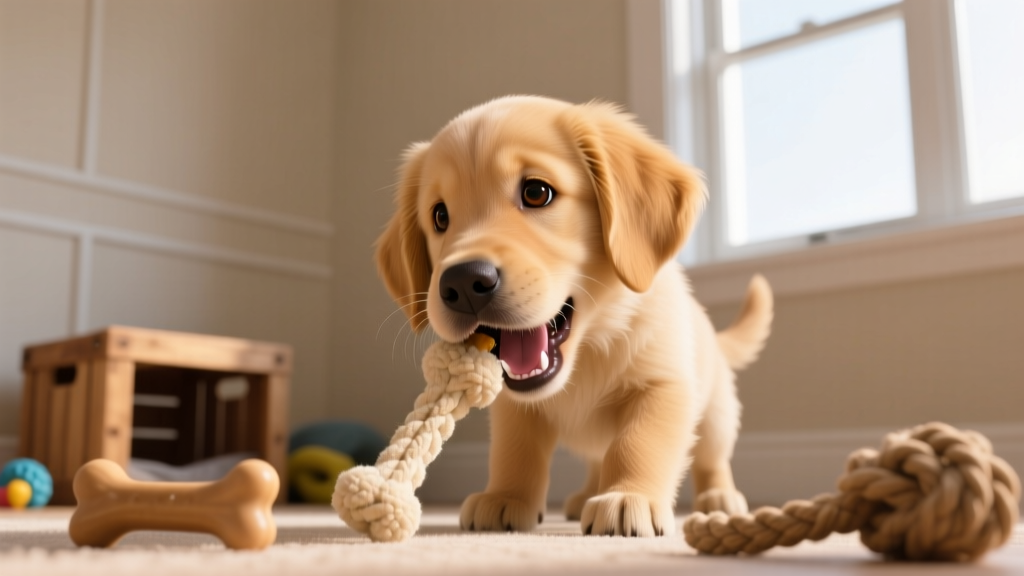
Bringing a new puppy home is one of life's most exciting moments — and picking the perfect name is usually the very first decision you'll make together. Whether you've just adopted a scruffy terrier mix, a floppy-eared spaniel, or a tiny Chihuahua, the right name sets the tone for your bond. Below, you'll find over 150 of the cutest puppy names ever, organized by style, plus a comprehensive first-year puppy care guide so you're prepared for every milestone ahead.
A quick naming tip from years of working with dog owners: choose a name that's one to two syllables and ends in a vowel sound (like "Mochi," "Biscuit," or "Clover"). Dogs respond best to higher-pitched, short names, and you'll be saying it thousands of times — make sure it feels natural calling across a dog park.
Sweet & Food-Inspired
- Mochi
- Biscuit
- Waffles
- Noodle
- Peanut
- Cinnamon
- Maple
- Tofu
- Dumpling
- Cookie
- Brownie
- Truffle
- Clover
- Honey
- Bean
Tiny & Playful
- Pip
- Button
- Sprout
- Tiny
- Pebble
- Dot
- Pixel
- Nugget
- Squeak
- Chip
- Fizz
- Ziggy
- Bubble
- Puddles
- Socks
Nature & Whimsical
- Willow
- Daisy
- Sage
- River
- Luna
- Sunny
- Storm
- Poppy
- Juniper
- Aster
- Wren
- Meadow
- Hazel
- Cedar
- Petal
Classic & Cozy
- Teddy
- Charlie
- Bella
- Oliver
- Rosie
- Milo
- Daisy
- Cooper
- Ruby
- Gus
- Stella
- Buddy
- Penny
- Scout
- Winnie
When Should I Bring My Puppy Home?
The American Kennel Club and most veterinary behaviorists agree: puppies should stay with their littermates and dam until at least 8 weeks of age. For toy breeds (Chihuahuas, Yorkshire Terriers, Pomeranians under 5 lb / 2.3 kg), many responsible breeders keep puppies until 10–12 weeks because these tiny dogs mature more slowly and are more fragile during the transition.
Here's why timing matters: between weeks 3 and 8, puppies learn critical bite inhibition, canine communication signals, and social confidence from their mother and siblings. Removing a puppy before this window closes can lead to increased fear-based behaviors, difficulty with bite inhibition, and poor dog-to-dog social skills later in life.
Puppy Development Milestones: What to Expect Month by Month
Understanding your puppy's developmental timeline helps you set realistic expectations and provide the right support at each stage. Here's a concrete breakdown:
| Age Range | Key Milestones | What You Should Do |
|---|---|---|
| Weeks 4–8 | Eyes/ears fully functional; first teeth erupt; begins solid food; learns bite inhibition from siblings; first deworming (typically at 2, 4, 6, 8 weeks) | If still with breeder: ensure puppy is handled daily by multiple people, exposed to varied surfaces, sounds, and gentle children |
| Weeks 8–12 | Fear imprint period begins (~8–10 weeks); rapid brain development; peak curiosity; bladder control lasts ~1–2 hours; sleep needs: 18–20 hours/day | First vet visit within 48 hours of homecoming; begin positive exposure to household sounds, surfaces, car rides; start name recognition training; keep experiences positive — avoid traumatic events |
| Weeks 12–16 | Second fear period possible (~12 weeks); teething discomfort begins; bladder control improves to ~2–3 hours; can begin short structured walks (5 min per month of age rule) | Enroll in puppy kindergarten class (after 2nd DHPP); increase socialization variety; begin leash walking practice; offer frozen washcloths and approved teething toys |
| Weeks 16–24 | Adult teeth replacing baby teeth (3–6 months); increased independence; testing boundaries; bladder control: 3–4 hours; chewing peaks | Puppy-proof home thoroughly; rotate chew toys daily; continue group training; practice recall in safe enclosed areas; discuss spay/neuter timing with your veterinarian |
| 6–12 Months | Adolescence — hormonal changes if intact; possible regression in training; adult coat comes in; growth plates closing (varies by breed size: small breeds ~9 mo, large breeds ~18–24 mo) | Increase physical and mental exercise; revisit foundational training; consider advanced classes (agility, nosework); transition to adult food for small breeds at ~10–12 months (large breeds: 12–18 months) |
Feeding Schedule: Exact Portions by Age and Weight
One of the most common questions new puppy parents ask: how often should I feed my puppy at each age? The answer depends on age, expected adult size, and the caloric density of your chosen food. Below are guidelines based on Merck Veterinary Manual recommendations and typical AAFCO-approved puppy food caloric ranges (350–450 kcal/cup).
| Puppy Age | Meals Per Day | Small Breed (5–20 lb adult) | Medium Breed (21–50 lb adult) | Large Breed (51–100+ lb adult) |
|---|---|---|---|---|
| 8–12 weeks | 4 meals | ¼–½ cup/day total | ½–1 cup/day total | 1–2 cups/day total |
| 3–6 months | 3 meals | ⅓–¾ cup/day total | 1–2 cups/day total | 2–3¾ cups/day total |
| 6–12 months | 2 meals | ½–1 cup/day total | 1½–2½ cups/day total | 3–5 cups/day total |
Vaccination Schedule: Core and Non-Core Vaccines by Week
Your puppy's immune system isn't fully functional until the maternal antibody protection wanes and the full vaccine series is complete. The American Veterinary Medical Association recommends the following core vaccination timeline:
| Age | Vaccines Given | What They Protect Against | Estimated Cost |
|---|---|---|---|
| 6–8 weeks | DHPP (1st dose) + Bordetella (optional, often given by breeder) | Distemper, Hepatitis (Adenovirus), Parainfluenza, Parvovirus | $25–$45 |
| 10–12 weeks | DHPP (2nd dose) + Leptospirosis (1st, if recommended) + Lyme (if in endemic area) | Boosters for core viruses; Lepto covers bacterial kidney/liver infection | $35–$60 |
| 14–16 weeks | DHPP (3rd dose) + Rabies (legally required) + Leptospirosis (2nd) | Final core booster; Rabies (1-year or 3-year depending on local law) | $40–$75 |
When can my puppy go outside and meet other dogs? Until your puppy has received the final DHPP booster at 14–16 weeks (and ideally 1 week after), avoid high-risk areas like dog parks, pet stores, and unknown dog environments. Parvovirus can survive in soil for over a year and is often fatal in unvaccinated puppies. However, controlled socialization with known, fully vaccinated adult dogs in clean home environments is safe and encouraged during this period.
Socialization Window: The Critical Weeks 3–14 Checklist
Between weeks 3 and approximately 14, your puppy's brain is primed to accept new experiences without fear. After this window closes, unfamiliar stimuli trigger caution rather than curiosity. The AKC's socialization guidelines recommend exposure to the following before 14 weeks:
- ☐ Men with beards
- ☐ Children (supervised, gentle)
- ☐ People wearing hats/sunglasses
- ☐ People in uniforms
- ☐ People using walkers/canes
- ☐ People of various skin tones and heights
- ☐ Grass, gravel, sand, wet pavement
- ☐ Metal grates, wooden decks
- ☐ Car rides (start with 2-min trips)
- ☐ Elevators, automatic doors
- ☐ Busy sidewalks (carried if unvaccinated)
- ☐ Grooming tables, vet exam tables
- ☐ Vacuum cleaner (start distant, pair with treats)
- ☐ Thunder/fireworks recordings (low volume)
- ☐ Doorbells, knocking
- ☐ Traffic noise
- ☐ Hair dryers, blenders
- ☐ Children laughing/screaming
- ☐ Paw handling (prepare for nail trims)
- ☐ Ear examination and gentle cleaning
- ☐ Mouth opening (prepare for tooth brushing)
- ☐ Collar grabs (pair with treats)
- ☐ Being gently restrained (simulate vet holds)
- ☐ Wearing a harness and booties
The golden rule: every new experience should be paired with something your puppy loves (treats, praise, play). If your puppy shows fear, increase distance or reduce intensity — never force exposure. One traumatic event during this window can create a lifelong phobia.
Potty Training Timeline: Realistic Expectations and Troubleshooting
When will my puppy be fully potty trained? Most puppies achieve reliable house training between 4 and 6 months of age, though toy breeds may take until 8–10 months due to smaller bladders. Some individual dogs aren't 100% reliable until 12 months. Here's what realistic progress looks like:
- 8–12 weeks: Accidents every 1–2 hours. You are managing, not training. Take puppy out after every nap, meal, play session, and crate release.
- 3–4 months: Beginning to signal (sniffing, circling, going to door). Bladder control: 2–3 hours during the day.
- 4–6 months: Fewer accidents if schedule is consistent. Overnight control: 5–7 hours. Still supervise or confine when not watched.
- 6+ months: Mostly reliable with occasional setbacks during adolescence or environmental changes.
- Puppy pees inside 10 minutes after coming back in: You went outside too briefly. Stay out 5–10 minutes, walk in small circles, use a consistent cue word ("go potty"), and reward with a high-value treat immediately upon elimination — not after coming inside.
- Puppy only goes in crate: Crate may be too large (puppy is eliminating in one corner and sleeping in another). Size the crate so puppy can stand, turn, and lie down — no more. Clean with enzymatic cleaner (Nature's Miracle or Rocco & Roxie) to remove scent markers.
- Regression at 4–6 months: Normal during adolescence. Return to frequent outings and supervision. Rule out UTI with a vet visit if accidents are sudden and frequent.
Teething Timeline and Crate Training Progression
Teething (3–6 months): Baby teeth (28 deciduous teeth) are replaced by 42 adult teeth. You may find tiny teeth on the floor, notice increased chewing, or see mild gum bleeding. Relief strategies:
- Frozen washcloth twisted into a rope (supervised use only — remove if pieces tear off)
- Kong Classic (puppy size) stuffed with moistened kibble and frozen
- Benebone Puppy or Nylabone Puppy chew (sized to puppy's current weight)
- Chilled (not frozen solid) carrot sticks for puppies over 12 weeks
Avoid: rawhide (choking and blockage risk), cooked bones (splintering), and any chew toy harder than your puppy's teeth (the "thumbnail test" — if you can't indent the toy with your thumbnail, it's too hard and can fracture developing teeth).
Crate training time limits by age:
| Puppy Age | Max Daytime Crate Time | Max Overnight Crate Time |
|---|---|---|
| 8–10 weeks | 30–60 minutes | 2–3 hours (set alarm) |
| 11–14 weeks | 1–2 hours | 3–4 hours |
| 15–16 weeks | 2–3 hours | 4–5 hours |
| 4–6 months | 3–4 hours | 6–7 hours |
| 6+ months | 4–5 hours | 7–8 hours |
Always pair crate time with a stuffed Kong or safe chew to build positive association. The crate should never be used as punishment. If your puppy whines after being settled with a potty break and a chew, wait for a brief pause in whining before releasing — releasing mid-whine teaches that vocalizing opens the door.
Common Puppy Problems and Solutions
How do I stop puppy biting and nipping? Mouthing is completely normal — puppies explore the world with their mouths and are teething. Here's what works:
- Redirect: When teeth touch skin, say "ouch" in a calm tone, withdraw attention for 5 seconds, then offer an appropriate chew toy. Reward chewing the toy with praise.
- Time-outs: If nipping continues after 2–3 redirects, calmly place puppy in a playpen or crate for 30–60 seconds with a chew toy. This teaches that biting ends play, not starts it.
- Ensure adequate exercise and sleep: Overtired puppies bite more. Puppies need 18–20 hours of sleep per day — enforce nap times in a crate or quiet space.
Never use: holding the mouth shut, alpha rolls, spraying water in the face, or physical punishment. These methods increase fear and can escalate to defensive biting. The American Veterinary Society of Animal Behavior explicitly advises against dominance-based training methods.
Excessive whining at night: Place the crate near your bed for the first 2–3 weeks. A Snuggle Puppy (with heartbeat simulator) or a warm water bottle wrapped in a towel can ease the transition. Gradually move the crate to its permanent location over several days.
Destructive chewing: Puppies chew to explore and relieve teething pain. Manage the environment — keep shoes, cords, and remote controls out of reach. Provide 5–8 rotating chew toys of varying textures. Increase daily physical exercise and mental enrichment (snuffle mats, frozen Kongs, training sessions).
First-Year Cost Breakdown
Budgeting realistically prevents surprises. Here's what most puppy owners spend in year one, based on 2026 U.S. averages:
| Category | Low Estimate | Typical Range | High Estimate |
|---|---|---|---|
| Veterinary (vaccines, wellness exams, spay/neuter, fecal tests, heartworm prevention) | $400 | $600–$1,000 | $1,500 |
| Food (quality puppy kibble or balanced diet) | $250 | $400–$700 | $1,200 |
| Supplies (crate, bed, leash, harness, bowls, toys, grooming tools, gates) | $200 | $350–$600 | $900 |
| Training (group puppy class, private sessions if needed) | $100 | $200–$500 | $1,200 |
| Pet insurance (annual premium) | $350 | $500–$800 | $1,200 |
| Emergency fund (recommended reserve) | $500 | $500–$1,000 | $2,000+ |
| TOTAL First Year | $1,800 | $2,550–$4,600 | $8,000+ |
These figures do not include the initial puppy purchase or adoption fee ($50–$3,500+ depending on source and breed). Pet insurance purchased in the first weeks of ownership (before any pre-existing conditions develop) typically costs $30–$70/month and can reimburse 70–90% of unexpected veterinary bills — a worthwhile investment given that emergency visits for foreign body ingestion alone average $2,000–$5,000.
Frequently Asked Questions
Can I change my puppy's name after bringing them home?
Yes. Dogs don't have a fixed identity tied to a name the way humans do. If you adopt a puppy with a name you don't love, simply start using the new name paired with high-value treats and a happy tone. Most puppies learn a new name within 1–2 weeks. Avoid names that sound like common commands (e.g., "Kit" sounds like "sit," "Bo" sounds like "no").
My puppy won't eat — is this normal?
A skipped meal in the first 24–48 hours at a new home is common due to stress. However, puppies under 12 weeks — especially toy breeds — are at risk of hypoglycemia if they go more than 8–12 hours without eating. Offer warmed food, hand-feed, or add warm water or low-sodium chicken broth. If your puppy refuses food for more than 12 hours (under 12 weeks) or 24 hours (over 12 weeks), consult your veterinarian promptly.
When should I start training classes?
The American Veterinary Society of Animal Behavior recommends starting puppy socialization classes as early as 7–8 weeks of age, provided the puppy has received at least one DHPP vaccine and a deworming. Look for classes that require proof of vaccination, use positive reinforcement methods, and maintain small class sizes (6–8 puppies maximum).
How do I choose between two names I love?
Try the "back door test": stand at your back door and call each name out loud three times, as if calling your dog in from the yard. The one that feels most natural, rolls off your tongue, and doesn't make you feel self-conscious is usually the right pick. Remember, you'll say this name an estimated 50,000+ times over your dog's lifetime.
My puppy is biting my children — what should I do?
Supervise every interaction between puppies and children under 10. Teach children to be "tree statues" (stand still, fold arms, look at the sky) when the puppy mouths them, rather than running or squealing (which triggers chase and bite instincts). Provide the puppy with appropriate outlets for mouthing (chew toys, frozen Kongs) and enforce mandatory nap times — most puppy biting escalates when the puppy is overtired.
Anouk Beaumont
All our authors care for dogs every day — read more of their work on the authors page.