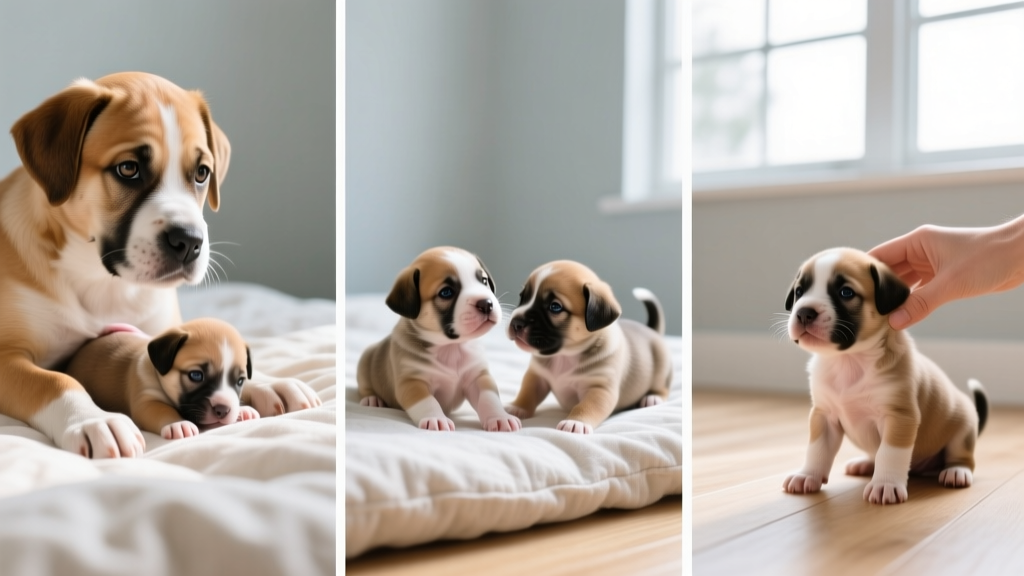
Chihuahua Puppy Care Guide: Care, Training & Year 1 Costs
Complete chihuahua puppy guide covering age milestones, feeding portions, potty training timelines, vaccination schedule, socialization, and first-year costs.

Chihuahuas pack enormous personality into a 4-to-6-pound frame, but raising a chihuahua puppy demands precision that larger-breed guides simply don't cover. Their tiny bladders, fragile bones, rapid metabolism, and famously strong-willed temperament create a unique set of challenges from week one. This guide walks you through every developmental stage with exact feeding amounts, realistic timelines, and breed-specific troubleshooting so you can raise a confident, healthy Chihuahua.
When Should You Bring a Chihuahua Puppy Home?
Most reputable breeders will not release a Chihuahua puppy before 10 to 12 weeks of age — and many hold them until 12 to 14 weeks. This is not arbitrary. Chihuahuas are one of the few breeds where extended time with the litter is standard practice, and here is why:
- Hypoglycemia risk: Puppies under 10 weeks have minimal glycogen reserves. A missed meal or stress event can trigger a blood sugar crash severe enough to cause seizures. Extra weeks with the breeder means more supervised feeding transitions.
- Fontanelle development: Many Chihuahua puppies are born with an open molera (soft spot on the skull). Extra time with littermates reduces early head-trauma risk during critical skull closure.
- Socialization buffer: Weeks 8–12 fall squarely inside the AVMA-recognized primary socialization window. A good breeder exposes puppies to varied surfaces, sounds, and gentle handling during this period — something a new owner juggling work and a brand-new puppy often cannot replicate.
Chihuahua Puppy Milestones: Week-by-Week Timeline
| Age Range | Weight Range | Key Milestones | What to Expect |
|---|---|---|---|
| Weeks 4–8 | 0.75–1.5 lb (0.3–0.7 kg) | Weaning onto solid food; first deworming; eyes and ears fully functional; litter play begins | Puppy is still with breeder. You may visit starting week 6 to begin scent bonding. Watch for steady weight gain — less than 0.1 lb/week warrants vet attention. |
| Weeks 8–12 | 1.5–2.5 lb (0.7–1.1 kg) | Transition to new home; first DHPP vaccine; crate introduction; name recognition begins | Expect 2–3 nights of crying. Puppy sleeps 18–20 hours/day. Handle gently — no children under 8 unsupervised. Begin hand-feeding to build trust. |
| Weeks 12–16 | 2.5–4 lb (1.1–1.8 kg) | Second and third DHPP boosters; leash introduction; basic cue training (sit, name recall); fear imprint period begins (~week 12) | Puppy becomes more alert and exploratory. Avoid traumatic experiences — a single scary event during the 12-week fear period can create lasting phobias. Keep vet visits positive with high-value treats. |
| Weeks 16–24 | 3.5–5.5 lb (1.6–2.5 kg) | Rabies vaccine; spay/neuter consultation; teething onset; adult coat begins replacing puppy coat | Chewing intensifies. Puppy tests boundaries. This is the prime window for structured positive-reinforcement training classes. Potty training starts clicking with consistency. |
| 6–12 Months | 4–6 lb (1.8–2.7 kg) | Adult size approached; sexual maturity; second fear period (~8–10 months); transition to adult food | Energy remains high but attention span improves. If intact, expect marking behavior to emerge. Begin transitioning to adult kibble around month 10–12 with your vet's guidance. |
Chihuahua Puppy Feeding Schedule: Exact Portions by Age
Chihuahua puppies have a metabolic rate roughly twice that of large-breed puppies relative to body weight. They need calorie-dense, small-breed puppy formulas fed in frequent, measured meals to prevent hypoglycemia. Look for an AAFCO statement confirming "complete and balanced for growth" on any food you select.
| Puppy Age | Meals Per Day | Daily Amount (Dry Kibble) | Per-Meal Portion | Notes |
|---|---|---|---|---|
| 8–12 weeks | 4 | ¼ – ⅓ cup (25–35 g) | ~1 tablespoon per meal | Moisten kibble with warm water for first 1–2 weeks. Never skip a meal — hypoglycemia risk is highest at this age. |
| 12–16 weeks | 3–4 | ⅓ – ½ cup (35–50 g) | ~1.5 tablespoons per meal | Transition to dry kibble fully. Monitor body condition score (BCS) — you should feel ribs without pressing but not see them prominently. |
| 4–6 months | 3 | ½ – ⅔ cup (50–65 g) | ~2.5 tablespoons per meal | Growth rate begins to slow. If puppy leaves food consistently, do not free-feed — pick up bowl after 15 minutes. |
| 6–12 months | 2 | ½ – ¾ cup (50–75 g) | ~¼ – ⅓ cup per meal | Consult your vet about transitioning to adult small-breed formula around 10–12 months. |
Vaccination Schedule for Your Chihuahua Puppy
Chihuahuas follow the standard AKC-recommended core vaccine protocol, but their small size means you should discuss titer testing and vaccine spacing with your veterinarian. Some vets prefer to administer vaccines two weeks apart rather than stacking multiple shots in one visit for toy breeds.
| Age | Vaccine(s) | What It Protects Against | Typical Cost (per visit) |
|---|---|---|---|
| 6–8 weeks | DHPP (1st dose) | Distemper, Hepatitis (Adenovirus-2), Parainfluenza, Parvovirus | $25–$50 |
| 10–12 weeks | DHPP (2nd dose) + optional Bordetella | Booster immunity + kennel cough | $40–$75 |
| 14–16 weeks | DHPP (3rd dose) + Rabies | Final core booster + legally required rabies protection | $50–$90 |
| 12–16 months | DHPP booster + Rabies booster | Annual or 3-year boosters depending on vaccine type | $50–$100 |
Non-core vaccines to discuss with your vet: Leptospirosis (if you live in a warm, wet climate or near standing water), Bordetella (required by most groomers and doggy daycares), and Lyme disease (if ticks are prevalent in your area). For Chihuahuas that primarily live indoors and go on leash walks only, non-core vaccines may not be necessary — always consult your veterinarian for a personalized protocol.
Socialization Window: Weeks 3–14 Exposure Checklist
The American Veterinary Society of Animal Behavior (AVSAB) emphasizes that the primary socialization period closes around 12–14 weeks. For Chihuahua puppies — a breed prone to fear-based reactivity and "small dog syndrome" — structured early exposure is non-negotiable. The goal is not to overwhelm, but to create positive associations with novel stimuli at the puppy's own pace.
Your Chihuahua Puppy Socialization Checklist
Aim for 2–3 brief (5–10 minute) positive exposures per day. Pair every new experience with a high-value treat (boiled chicken, freeze-dried liver).
- Surfaces: Tile, carpet, gravel, grass, metal grates, wet pavement, plastic tarps, wooden decks
- Sounds: Vacuum cleaner (start from another room), doorbell, thunderstorm audio (low volume), traffic, children laughing, clapping, hair dryer
- People: Adults of varying heights, children (supervised, gentle), people wearing hats/sunglasses/hoodies, delivery workers, people using canes or wheelchairs
- Handling: Paw touching, ear inspection, mouth opening, nail trimming practice (no clipping yet), gentle restraint on side, being lifted and set down
- Objects: Umbrellas opening, bags rustling, brooms, bicycles, strollers, car rides (short trips ending in a fun destination)
- Other animals: Fully vaccinated, calm adult dogs (carry puppy — do not place on ground with unknown dogs until rabies vaccine is complete)
- Environments: Pet-friendly store (carried in a sling), outdoor café patio, friend's house, groomer's lobby (just to visit, no grooming yet)
Potty Training Your Chihuahua Puppy: Realistic Timeline
Let's be direct: Chihuahuas are among the most challenging breeds to house-train. Their tiny bladders hold very little, they are sensitive to cold and rain (which makes them reluctant to go outside), and their small waste deposits can go unnoticed on carpets, inadvertently reinforcing indoor accidents. A realistic timeline is 4 to 8 months for reliable outdoor potty habits, with occasional setbacks through the first year.
Potty Training Schedule by Age
| Puppy Age | Outdoor Trips Per Day | Maximum Crate Hold Time | What to Expect |
|---|---|---|---|
| 8–12 weeks | Every 1–1.5 hours while awake (12–15 trips/day) | 1–2 hours | Accidents daily. You are building the habit, not expecting perfection. Take puppy out after every meal, nap, and play session. |
| 12–16 weeks | Every 2 hours while awake (8–10 trips/day) | 2–3 hours | Puppy begins associating outdoors with elimination. Celebrate with a treat immediately after they go. Accidents still happen 2–4 times per week. |
| 4–6 months | Every 3–4 hours (6–8 trips/day) | 4–5 hours | Significant improvement. Puppy may start going to the door or whining to signal. If accidents resume, rule out urinary tract infection with your vet. |
| 6–12 months | Every 4–6 hours (4–5 trips/day) | 5–6 hours max | Reliable if you've been consistent. Intact males may begin lifting a leg and marking — spay/neuter discussion becomes relevant. |
Potty Training Troubleshooting for Chihuahuas
Problem: Puppy refuses to go outside in cold or rain.
Solution: Use a covered potty area (porch with umbrella) or invest in a washable indoor grass pad (e.g., Fresh Patch or DoggieLawn) as a weather backup. Dress puppy in a lightweight fleece sweater for outdoor trips when temperature drops below 60°F (15°C).
Problem: Puppy pees on pee pads but not outside.
Solution: Gradually move the pad closer to the door each day, then place it just outside the threshold, then remove it. Alternatively, take a soiled pad outside and place it in the desired potty spot — the scent acts as a target cue.
Problem: Puppy has accidents you don't see happen.
Solution: Use an enzymatic cleaner (Nature's Miracle or Rocco & Roxie) on every accident site. Standard household cleaners do not break down uric acid crystals, so the puppy can still smell the spot and will return to it. Restrict unsupervised access to carpeted rooms using baby gates or an exercise pen.
Crate Training Progression and Time Limits
Crate training is essential for Chihuahua puppies — it aids potty training, prevents destructive chewing, and gives your puppy a safe retreat. However, their small size means you need a properly fitted crate: large enough to stand, turn around, and lie down, but not so large that they can eliminate in one corner and sleep in another. A 22-inch or 24-inch crate with a divider panel works well for most Chihuahuas.
Crate Time Limits by Age
- 8–12 weeks: 1–2 hours maximum during the day. Overnight: 3–4 hours (set an alarm for a middle-of-night potty break).
- 12–16 weeks: 2–3 hours during the day. Overnight: 4–5 hours.
- 4–6 months: 3–4 hours during the day. Overnight: 6–7 hours.
- 6+ months: 4–5 hours during the day maximum. Overnight: 7–8 hours.
No dog should be crated for more than 5 hours during waking hours on a regular basis. For workdays, arrange a midday visit from a dog walker or neighbor, or set up an exercise pen with a potty pad for longer absences.
Building Positive Crate Associations
- Leave the crate door open with a soft blanket and a few safe chew toys inside. Feed meals near the crate, then inside the crate with the door open.
- Begin closing the door during meals for 30 seconds, then 1 minute, then 5 minutes after the puppy finishes eating.
- Practice short departures: close the door, step out of the room for 1 minute, return calmly. Gradually extend to 5, 10, 15 minutes.
- Never use the crate as punishment. The crate must always predict safety and comfort.
- If your Chihuahua puppy whines, wait for a 3-second pause in vocalization before opening the door — this teaches that quiet, not crying, opens the crate.
Teething Timeline and Relief Strategies (3–6 Months)
Chihuahua puppies begin losing their 28 deciduous (baby) teeth around 12 to 16 weeks, with the process completing by approximately 6 to 7 months when all 42 adult teeth have erupted. Because Chihuahuas are notoriously prone to retained deciduous teeth — where baby teeth fail to fall out as adult teeth come in — you should have your vet check for this at every visit during the teething window. Retained teeth can cause crowding, misalignment, and periodontal disease later in life, and surgical extraction may be needed.
Safe Chew Options for a Teething Chihuahua Puppy
- KONG Puppy (XS or Small): Stuff with plain canned pumpkin or plain yogurt and freeze for 2–3 hours. The cold numbs sore gums. Supervise to ensure puppy doesn't break off rubber pieces.
- Nylabone Puppy Chew (Petite/X-Small): Designed for dogs under 15 lb. Replace when worn down to the knuckle ring.
- Frozen washcloth: Wet a clean washcloth, twist into a rope, freeze for 2 hours. Supervise use and remove if threads start coming loose.
- Benebone Puppy (Tiny size): Nylon chew flavored with real bacon or chicken. Appropriate for puppies under 15 lb. Monitor for wear.
Common Chihuahua Puppy Problems and Solutions
Puppy Biting and Nipping
Chihuahua puppies use their mouths to explore, and their needle-sharp teeth make even gentle mouthing painful. Biting peaks between 8 and 16 weeks. Here is how to address it using force-free methods:
- Redirect: When teeth touch skin, immediately offer an appropriate chew toy. Praise enthusiastically when they bite the toy instead.
- Withdraw attention: If the puppy continues biting after redirection, stand up calmly and leave the area for 15–20 seconds. This teaches that biting ends play — not that biting earns a reaction.
- Teach "gentle": Hold a treat in a closed fist. When the puppy licks or sniffs without biting, open your hand and give the treat. This builds bite inhibition.
- Never: Hold the puppy's mouth shut, yell, tap the nose, or perform an "alpha roll." These methods increase fear and can trigger defensive aggression — particularly counterproductive with a breed already prone to fear-based reactivity.
Excessive Whining and Crying
Chihuahua puppies are vocal. Whining in the first week home is typically separation distress. Respond with calm reassurance — pick up the puppy briefly, speak softly, then settle them back into their crate or bed with a worn t-shirt that carries your scent. If whining persists past 2–3 weeks or occurs when you are home, evaluate whether the puppy needs more physical exercise, mental enrichment (snuffle mats, lick mats), or a veterinary check for pain or illness.
Resource Guarding
Chihuahuas can develop resource guarding early. Prevent it by practicing "trading up" from day one: approach your puppy while they eat and drop a higher-value treat (small piece of chicken) near their bowl. They learn that a human near their food predicts something better, not a threat. Never forcibly take items from a Chihuahua puppy's mouth — trade for a toy or treat instead.
First-Year Cost Breakdown for a Chihuahua Puppy
Budgeting accurately prevents sticker shock. The following ranges reflect 2026 US pricing for a Chihuahua puppy from a responsible breeder or rescue. Toy breeds have lower food costs but higher per-pound veterinary costs and specific supply needs.
| Category | Low Estimate | Mid Estimate | High Estimate | Details |
|---|---|---|---|---|
| Puppy purchase/adoption | $300 (rescue) | $1,500 (breeder) | $3,500+ (show-line breeder) | Responsible AKC breeders typically charge $1,200–$2,500. Rescue fees range $200–$500. |
| Veterinary (first year) | $600 | $900 | $1,500 | Includes 3 puppy vaccine visits, rabies, fecal tests, deworming, spay/neuter ($400–$800 for toy breed), microchip. Add $200–$500 if retained teeth extraction is needed. |
| Food (12 months) | $180 | $250 | $360 | Premium small-breed puppy kibble (e.g., Royal Canin Chihuahua Puppy, Hill's Science Diet Small Puppy). Chihuahuas eat ~1.5 bags (4–5 lb each) per year. |
| Supplies | $200 | $350 | $600 | Crate ($40–$80), harness ($15–$35), leash, bowls, bed ($30–$60), sweaters ($15–$30 each), enzymatic cleaner, potty pads, chew toys, toothbrush/toothpaste, grooming tools. |
| Training | $0 (DIY) | $250 (group classes) | $800 (private sessions) | Positive-reinforcement puppy kindergarten ($150–$300 for 6-week course). Private behaviorist sessions run $100–$200/hour if reactivity or guarding issues emerge. |
| Pet insurance (annual) | $360 | $540 | $720 | Monthly premiums $30–$60 for accident-and-illness plans (Trupanion, Healthy Paws, Nationwide). Enroll before any conditions appear — pre-existing conditions are excluded. |
| Emergency fund buffer | $200 | $500 | $1,000+ | Hypoglycemia ER visit: $300–$800. Broken leg from a jump off furniture: $1,500–$4,000. Patellar luxation surgery: $1,500–$3,000 per knee. |
Realistic first-year total: $1,840 – $4,500+ depending on source of puppy, your region, and whether any health issues arise.
Frequently Asked Questions About Chihuahua Puppies
When can my chihuahua puppy go outside and meet other dogs?
Your puppy can explore your own yard (if fenced and not frequented by unknown dogs) immediately. For public spaces, parks, and puppy classes, wait until at least 7 days after the second DHPP vaccine (typically around 12–13 weeks). Full protection against parvovirus and distemper is not established until 7 days after the final 14–16 week booster. During the waiting period, carry your puppy in a sling for outdoor socialization — exposure to the world without ground contact is safe and valuable.
How do I stop my chihuahua puppy from biting and nipping?
Redirect every bite to an appropriate chew toy, and withdraw attention (stand up, leave for 15 seconds) if biting continues. Teach bite inhibition by rewarding gentle licking with treats. Ensure your puppy gets 20–30 minutes of structured play and mental enrichment daily — overtired puppies bite more, not less. If biting is intense or accompanied by growling and stiffening, consult a certified positive-reinforcement trainer or veterinary behaviorist.
When will my chihuahua puppy be fully potty trained?
Most Chihuahua puppies achieve reliable outdoor potty habits between 4 and 8 months of age, provided you maintain a consistent schedule, supervise closely, and reward outdoor elimination immediately. Some individuals — particularly males — may take up to 12 months. Setbacks are normal during growth spurts, moves, or schedule changes. If your previously trained puppy suddenly starts having accidents, request a urinalysis from your vet to rule out infection, crystals, or diabetes.
What is the best harness for a chihuahua puppy?
Chihuahuas are prone to tracheal collapse, so a harness is strongly preferred over a collar for leash walking. Look for a padded, step-in or vest-style harness in XXS or XS (e.g., Puppia Soft Harness, Ruffwear Hi & Light). Measure your puppy's chest girth — most Chihuahua puppies fall in the 9–13 inch range. A front-clip attachment point helps discourage pulling without neck pressure.
Should I spay or neuter my chihuahua puppy, and when?
The current veterinary consensus for toy breeds like the Chihuahua is to spay or neuter between 6 and 9 months, after growth plates have closed. Early spay/neuter (before 6 months) may slightly increase the risk of certain orthopedic issues, though the data is stronger for large breeds. Discuss timing with your veterinarian based on your puppy's individual health and development. Spaying females before their first heat cycle (which can occur as early as 5–6 months in Chihuahuas) significantly reduces mammary cancer risk.
How do I keep my chihuahua puppy warm in winter?
Chihuahuas have very low body fat and a single coat (smooth variety) or minimal undercoat (long-coat variety). When outdoor temperatures drop below 60°F (15°C), dress your puppy in a well-fitting fleece or insulated sweater. Limit outdoor potty trips to 3–5 minutes in cold weather. Provide a self-warming bed or a heated pet pad (set on low, with an auto-shutoff) for sleeping. Watch for shivering, lifting paws off the ground, or trying to burrow — these are signs your puppy is too cold.
Beth Carrasco
All our authors care for dogs every day — read more of their work on the authors page.