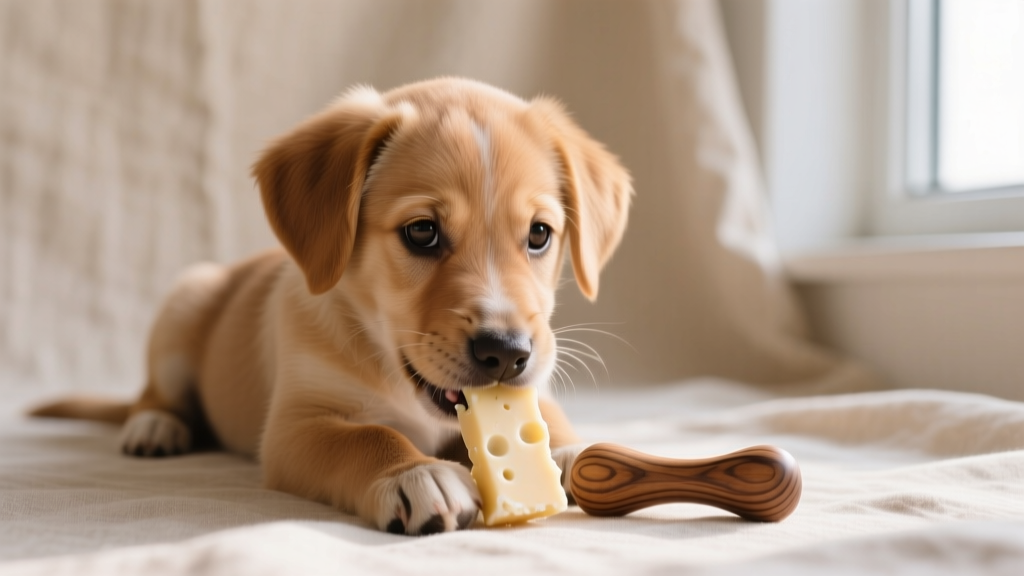
Finding the Best Chew: Proof Puppy Bed: A Complete...
Struggling with a destructive teether? Our guide covers chew-proof puppy beds, teething timelines, crate training, and breed-specific puppy care milestones.

If you've watched a $60 orthopedic puppy bed get shredded into confetti within 48 hours, you're not alone. Destructive chewing peaks between 3 and 6 months of age, and finding a genuinely chew-proof puppy bed is one of the most common frustrations new owners face. But the bed is just one piece of the puzzle — surviving puppyhood requires understanding the developmental stages driving the behavior.
This guide combines practical product guidance for finding a durable puppy bed with a complete developmental roadmap covering feeding, potty training, vaccinations, socialization, and teething. Whether you're raising a Labrador Retriever, German Shepherd, or mixed-breed rescue, these milestones and strategies will help you protect your belongings and raise a well-adjusted adult dog.
Why Puppies Destroy Beds (and What 'Chew-Proof' Really Means)
Before shopping for a chew-proof puppy bed, it's worth understanding why puppies chew in the first place. Chewing serves multiple developmental purposes:
- Teething pain relief (3–6 months): As 28 deciduous teeth are replaced by 42 permanent teeth, gum inflammation drives puppies to gnaw on anything with texture.
- Jaw strengthening: Puppies instinctively exercise their masseter muscles through repetitive chewing, especially in breeds with strong bite drives like Rottweilers, Malinois, and Pit Bull-type breeds.
- Exploration: Dogs investigate the world orally the way human toddlers use their hands. A bed's seams, zippers, and fabric textures are inherently interesting.
- Anxiety and boredom: Understimulated puppies or those experiencing separation distress often redirect nervous energy into chewing bedding.
Here's the honest truth no product listing will tell you: no bed is 100% chew-proof against a determined teething puppy. What the industry calls "chew-proof" really means "chew-resistant" — beds designed to withstand significantly more abuse than standard plush beds. The key is matching the bed's durability to your puppy's life stage and chewing intensity.
Chew-Proof Puppy Bed Materials: What Actually Works
| Material | Durability Rating | Best For | Price Range | Weaknesses |
|---|---|---|---|---|
| 1680-denier ballistic nylon | ★★★★★ | Power chewers, large breeds | $60–$120 | Less cushioning; stiff feel |
| Heavy-duty canvas (cotton duck, 12 oz+) | ★★★★☆ | Moderate chewers, crate pads | $35–$75 | Seams can split under sustained gnawing |
| PVC-coated polyester (elevated beds) | ★★★★★ | Outdoor use, hot climates | $45–$95 | Minimal insulation; not cozy for cold floors |
| Ripstop nylon with reinforced stitching | ★★★☆☆ | Light chewers, small breeds | $25–$55 | Corner seams vulnerable to focused chewing |
| Kevlar-reinforced panels | ★★★★★ | Extreme chewers, working breeds | $90–$160 | Premium pricing; limited style options |
Brands that consistently perform well for destructive puppies include the Kuranda PVC Chewproof Bed (elevated aluminum frame, $110–$145), the K9 Ballistics Tough Bed (1680-denier ballistic nylon, $80–$130), and the Coolaroo Elevated Pet Bed (HDPE fabric, $45–$65). For crate-specific use, the Slumber Pet Tough Crate Pad uses a ripstop-and-reinforce design that holds up well for most moderate chewers ($30–$50).
Puppy Development Milestones: Week by Week
Understanding what's happening developmentally helps you set realistic expectations for behavior, training, and yes — when your puppy might finally stop eating their bed.
Weeks 4–8: The Litter Phase
Puppies are still with their breeder or foster during this period. Eyes and ears are fully functional. They're learning bite inhibition from littermates — when a puppy bites too hard, siblings yelp and stop playing. This is the foundation for all future bite work. Puppies begin eating softened kibble (about ¼ cup per meal, 3–4 times daily) and start exploring solid surfaces. Do not bring a puppy home before 8 weeks. The AVMA recommends puppies stay with littermates through at least week 7 for critical social development.
Weeks 8–12: The Homecoming Window
This is when most puppies join their new families. Expect 18–20 hours of sleep per day, frequent potty breaks (every 1–2 hours), and intense bonding behavior. Your puppy's bladder can hold approximately one hour per month of age — so a 9-week-old puppy needs a potty break roughly every 2 hours, including overnight. Chewing is exploratory at this stage but not yet intense. Introduce a chew-proof puppy bed now so it becomes familiar before teething peaks.
Weeks 12–16: The Confidence Surge
Puppies become bolder, test boundaries, and may develop fear periods (sudden wariness of previously familiar objects or people). This is normal and temporary — typically lasting 1–2 weeks. Do not force exposure to feared objects; let your puppy investigate at their own pace while offering high-value treats. Chewing intensity begins to increase as baby teeth start loosening.
Weeks 16–24: Peak Teething and Testing
This is the destruction zone. Deciduous incisors fall out around 12–16 weeks, canines around 16–20 weeks, and premolars/molars between 20–24 weeks. Your puppy will chew everything within reach. This is when a chew-proof puppy bed earns its keep. You may find small teeth in bedding or toys — this is normal. Increased drooling, gum bleeding (small amounts on chew toys), and temporary appetite reduction are all expected.
Months 6–12: Adolescence
Most puppies have their full set of 42 adult teeth by 6–7 months. Chewing typically decreases significantly after teething ends, but some breeds (retrievers, shepherds, terriers) maintain strong chew drives throughout life. If your dog is still destroying beds past 8 months, the issue is likely behavioral (boredom, anxiety) rather than developmental. Increase physical exercise to 45–60+ minutes daily and add mental enrichment (puzzle feeders, scent work, training sessions).
Feeding Schedule: Exact Portions by Age and Weight
Proper nutrition supports healthy jaw and tooth development during the teething period. Overfeeding can accelerate growth in large-breed puppies, increasing the risk of orthopedic problems like hip dysplasia. The AKC recommends following your food's feeding guide as a starting point and adjusting based on body condition score.
| Age | Meals Per Day | Small Breed (under 25 lb adult) | Medium Breed (25–60 lb adult) | Large Breed (60+ lb adult) | Food Type |
|---|---|---|---|---|---|
| 8–12 weeks | 4 | ¼–⅓ cup per meal | ⅓–½ cup per meal | ½–¾ cup per meal | Puppy kibble, slightly moistened |
| 12–16 weeks | 3 | ⅓–½ cup per meal | ½–¾ cup per meal | ¾–1 cup per meal | Dry puppy kibble |
| 16–24 weeks | 3 | ½–¾ cup per meal | ¾–1 cup per meal | 1–1½ cups per meal | Dry puppy kibble (helps clean teeth) |
| 6–9 months | 2 | ½–¾ cup per meal | 1–1½ cups per meal | 1½–2½ cups per meal | Puppy formula (large breed: large-breed puppy formula) |
| 9–12 months | 2 | Transition to adult food | 1–1½ cups per meal | 2–3 cups per meal | Gradual transition to adult food over 7–10 days |
Large-breed puppy note: Always use a large-breed puppy formula with controlled calcium (1.0–1.5% on a dry matter basis) and phosphorus levels. Excess calcium during rapid growth is linked to developmental orthopedic diseases including osteochondrosis and hypertrophic osteodystrophy. Look for an AAFCO statement specifying "growth" or "all life stages" with large-breed growth included.
Vaccination Schedule: Protecting Your Puppy's Health
Vaccinations follow a strict timeline because maternal antibodies (received through colostrum) gradually decline, leaving windows of vulnerability. The Merck Veterinary Manual outlines core protocols that most veterinarians follow, though individual clinics may adjust based on local disease risk.
| Age | Vaccines Administered | What It Protects Against | Typical Cost |
|---|---|---|---|
| 6–8 weeks | DHPP (Distemper, Hepatitis/Adenovirus, Parainfluenza, Parvovirus) | Canine distemper, infectious hepatitis, parainfluenza, parvovirus | $25–$45 |
| 10–12 weeks | DHPP booster + Bordetella (optional, recommended for social puppies) | Boosts core immunity; Bordetella protects against kennel cough | $35–$60 |
| 14–16 weeks | DHPP final booster + Rabies (required by law in most states) | Final core series; rabies protection (legally mandated) | $40–$70 |
| 12–16 months | DHPP booster + Rabies booster | First annual/3-year boosters depending on vaccine type | $50–$80 |
Non-core vaccines your vet may recommend based on lifestyle: Leptospirosis (dogs exposed to wildlife/water), Lyme disease (tick-endemic areas), and Canine Influenza (H3N2/H3N8, for dogs in boarding/daycare). These are typically given as two-dose series starting at 12+ weeks.
Important: Puppies are NOT fully protected until 1–2 weeks after their final DHPP booster at 14–16 weeks. During this vulnerable period, avoid high-traffic dog areas (dog parks, pet store floors, unsupervised group play) to prevent parvovirus exposure. Parvovirus has a mortality rate of up to 91% in untreated puppies and treatment costs $1,500–$5,000+ in hospitalization.
Socialization Window: Weeks 3–14 Checklist
The primary socialization period — when puppies form lasting impressions about what is safe and normal — closes around 12–14 weeks of age. Research published in the Journal of Veterinary Behavior shows that puppies with inadequate socialization during this window are significantly more likely to develop fear-based behavioral problems later in life. This window overlaps with the pre-vaccination vulnerability period, so you must balance exposure with disease risk.
Safe Socialization Strategies (Pre-Full Vaccination)
- Carry your puppy through pet-friendly stores, outdoor markets, and neighborhood walks — exposure without ground contact
- Host puppy playdates at your home with known, fully vaccinated, friendly adult dogs
- Enroll in puppy kindergarten classes that require proof of at least one DHPP vaccination (most reputable trainers follow this protocol)
- Use a stroller or sling for urban outings where sidewalk contamination risk is high
Socialization Exposure Checklist (Weeks 8–14)
- ☐ Different floor surfaces: tile, hardwood, gravel, grass, metal grates, wet pavement
- ☐ Sounds: vacuum cleaner, doorbell, thunderstorm recordings, traffic, construction noise
- ☐ People: children, elderly individuals, people wearing hats/sunglasses/masks, people using mobility aids
- ☐ Handling: paw touching, ear inspection, mouth opening, nail trimming practice, collar/harness manipulation
- ☐ Objects: umbrellas opening, plastic bags rustling, bicycles, skateboards, strollers
- ☐ Animals: cats (controlled), other vaccinated puppies, calm adult dogs, livestock (if accessible)
- ☐ Environments: car rides, veterinary clinic (happy visits with treats only), grooming table, crate entry/exit
- ☐ Grooming: brushing, bathing, blow-dryer sound, toothbrush introduction
Rule of thumb: Every new experience should end with your puppy relaxed and receiving a treat. If your puppy shows fear (cowering, tucked tail, freezing), increase distance from the stimulus and reduce intensity. Never force exposure.
Potty Training Timeline and Troubleshooting
Realistic potty training expectations prevent frustration for both you and your puppy. Most puppies achieve reliable house training between 4 and 6 months of age, though some small breeds (with proportionally smaller bladders) may take until 8–10 months. Here's what the process actually looks like:
| Age | Bladder Capacity | Expected Accidents Per Week | Outing Frequency |
|---|---|---|---|
| 8–10 weeks | 30–45 minutes | 5–10 | Every 1–2 hours + after every meal, nap, play session |
| 10–14 weeks | 1–2 hours | 3–6 | Every 2 hours during day; 1–2 overnight trips |
| 14–20 weeks | 2–3 hours | 1–3 | Every 2–3 hours; may sleep 5–6 hours overnight |
| 5–6 months | 4–5 hours | 0–2 | Every 3–4 hours; sleeping 7–8 hours overnight |
| 6–12 months | 6–8 hours | 0–1 | Every 4–6 hours; reliable overnight |
When Will My Puppy Be Fully Potty Trained?
"Fully trained" means zero accidents for 4+ consecutive weeks with normal household routines. For most puppies following a consistent schedule, this happens between 4 and 6 months. Factors that extend the timeline include:
- Small breed size (Chihuahuas, Yorkies, toy poodles — smaller bladders fill faster)
- Inconsistent schedule (varying walk times, different family members using different cues)
- Previous punishment for accidents (creates fear of eliminating in front of you, leading to hiding behavior)
- Medical issues (urinary tract infections, which affect an estimated 2–5% of puppies and require veterinary diagnosis)
Positive reinforcement only: Reward every outdoor elimination with an immediate treat (within 2 seconds) and verbal praise. Never punish accidents — puppies cannot connect punishment with an action that occurred even 30 seconds ago. If you catch an accident mid-stream, calmly interrupt with "oops" and carry your puppy outside to finish. Clean indoor accidents with enzymatic cleaner (Nature's Miracle or similar) to eliminate odor markers that trigger repeat elimination.
Teething Timeline: Relief Strategies and Safe Chews
Teething is the primary driver behind bed destruction, and understanding the exact timeline helps you prepare. Here's what to expect and how to help your puppy through it.
| Age | What's Happening | Symptoms | Safe Relief Options |
|---|---|---|---|
| 3–4 months | Deciduous incisors loosen and fall out | Increased gnawing, slight gum bleeding, finding small teeth | Frozen wet washcloth, rubber teething rings (Kong Puppy), chilled carrot sticks |
| 4–5 months | Deciduous canines and premolars shed | Peak chewing intensity, drooling, mild appetite decrease | Nylabone Puppy Chew, frozen Kong stuffed with yogurt, bully sticks (supervised only) |
| 5–6 months | Remaining baby teeth shed; adult molars erupt | Chewing begins to decrease, retained baby teeth may appear | Benebone Wishbone, Goughnuts Maxx 50, frozen blueberries as training treats |
| 6–7 months | All 42 adult teeth should be present | Chewing drive drops significantly for most breeds | Transition to durable adult chew toys; monitor for retained deciduous teeth |
How Do I Stop Puppy Biting and Nipping?
Puppy biting (mouthing) is different from destructive chewing — it's directed at hands, feet, and clothing. This behavior is normal communication, not aggression. Here's the proven force-free protocol:
- Redirect: When teeth touch skin, immediately offer an appropriate chew toy. Praise enthusiastically when they bite the toy instead.
- Withdraw attention: If redirecting fails, stand up, cross your arms, and be still for 10–15 seconds. No eye contact, no talking. Puppies bite for engagement — removing engagement teaches that biting ends play.
- Time-outs: For persistent biters, calmly place your puppy in their crate or a playpen for 30–60 seconds after a hard bite. This is not punishment — it's a brief calm-down period. Release when quiet.
- Teach "leave it": Start with low-value items on the floor. Reward ignoring the item with a higher-value treat from your hand. Progress to hands/feet as the "leave it" target.
Never use: Holding the mouth shut, alpha rolls, tapping the nose, or any physical punishment. These methods increase fear and can escalate mouthing into defensive biting. The American Veterinary Society of Animal Behavior explicitly recommends against dominance-based training methods.
Crate Training Progression and Time Limits
A crate is your puppy's safe space and your most effective potty training tool — but crating for too long causes distress, whining, and can paradoxically increase chewing behavior when the puppy is finally released. Follow these evidence-based time limits:
| Age | Maximum Crate Time (Day) | Maximum Crate Time (Night) | Notes |
|---|---|---|---|
| 8–10 weeks | 30–60 minutes | 2–3 hours (then potty break) | Crate should be in your bedroom for comfort |
| 10–14 weeks | 1–2 hours | 3–4 hours | Begin moving crate to desired permanent location gradually |
| 14–16 weeks | 2–3 hours | 5–6 hours | Introduce chew-proof bed now if chewing has decreased |
| 4–6 months | 3–4 hours | 7–8 hours | Puppy should enter crate willingly for meals and naps |
| 6+ months | 4–5 hours | 8–10 hours | Consider leaving crate door open during day; transition to dog-proofed room if reliable |
Crate sizing rule: Your puppy should be able to stand up, turn around, and lie down comfortably — but no more. Excess space allows puppies to eliminate in one corner and sleep in another, defeating the potty training benefit. Use a crate divider panel (included with most wire crates) to adjust size as your puppy grows. A 36-inch crate with a divider typically works for medium-to-large breed puppies from 8 weeks through adulthood.
First-Year Cost Breakdown: What to Budget
New puppy owners consistently underestimate first-year costs. Here's a realistic budget based on 2026 pricing from veterinary clinics, pet supply retailers, and training facilities across the United States:
| Category | Low Estimate | Medium Estimate | High Estimate | Notes |
|---|---|---|---|---|
| Puppy acquisition (breeder) | $500 | $1,500 | $3,500+ | Rescue/adoption: $150–$500; designer breeds: $2,000–$5,000+ |
| Veterinary (vaccines, exams, spay/neuter) | $600 | $900 | $1,400 | Includes initial series, rabies, microchip, and alter surgery |
| Food (12 months) | $360 | $600 | $1,100 | Varies dramatically by breed size and food quality tier |
| Supplies (crate, bed, leash, bowls, toys) | $200 | $400 | $700 | Chew-proof puppy bed: $60–$160; quality crate: $60–$120 |
| Training (puppy class + ongoing) | $150 | $400 | $800 | Group puppy class: $150–$250 for 6 weeks; private sessions: $80–$150/hour |
| Preventive medications (flea/tick, heartworm) | $200 | $350 | $500 | Year-round prevention recommended in most US regions |
| Pet insurance (optional but recommended) | $360 | $600 | $960 | $30–$80/month; most cost-effective when enrolled at 8 weeks |
| Emergency fund (recommended reserve) | $500 | $1,000 | $2,000 | Foreign body surgery, parvo treatment, or fracture repair |
Total first-year range: $2,870–$10,960 depending on acquisition source, breed size, location, and whether complications arise. Pet insurance enrolled at 8 weeks typically costs $35–$55/month for comprehensive accident-and-illness coverage and can reimburse 70–90% of unexpected veterinary bills. Companies like Trupanion, Healthy Paws, and Fetch offer puppy-specific plans with no upper age enrollment limits.
Common Puppy Problems and Solutions
Problem: My Puppy Whines in the Crate at Night
Cause: Separation from littermates, need to eliminate, or learned behavior (whining produces human attention).
Solution: Place the crate in your bedroom for the first 2–3 weeks so your puppy can hear and smell you. Take your puppy out for a potty break if whining occurs after 2+ hours (likely a bladder need). If whining resumes immediately after returning to the crate, wait 5–10 minutes before responding — rewarding silence, not whining. A Snuggle Puppy (with heartbeat simulator, ~$30) can ease the transition for the first week.
Problem: My Puppy Chews Everything Except Their Toys
Cause: Puppy hasn't learned which items are acceptable; human items often have more interesting textures and carry your scent.
Solution: Puppy-proof your home by removing accessible shoes, cords, and remotes. Offer 8–12 varied chew toys rotated every 3 days to maintain novelty. Apply bitter apple spray (Grannick's Bitter Apple, ~$12) to furniture legs and baseboards. Supervise actively — use baby gates to limit access to puppy-proofed rooms. When you catch inappropriate chewing, redirect to an approved toy and praise enthusiastically.
Problem: My Puppy Bites My Children
Cause: Children move quickly, make high-pitched sounds, and are at puppy face-level — all triggers for play-biting.
Solution: Never leave puppies and children under 10 unsupervised. Teach children to be "tree" (stand still, arms crossed, no eye contact) when the puppy gets mouthy. Provide the puppy with a frozen Kong or chew toy before children enter the play area. Enforce mandatory nap times — overtired puppies bite significantly more, and most 8–12 week old puppies need a nap after 45–60 minutes of activity.
Frequently Asked Questions
When should I bring my puppy home?
The optimal age is 8–10 weeks. Puppies separated before 8 weeks miss critical littermate socialization and are statistically more likely to develop behavioral problems including fear, aggression, and difficulty with bite inhibition. Some breeders of toy breeds keep puppies until 10–12 weeks due to their fragility and risk of hypoglycemia. Always verify your puppy has received at least one DHPP vaccination and one deworming treatment before pickup.
How often should I feed my puppy?
At 8–12 weeks: 4 meals per day. At 12–16 weeks: 3 meals per day. At 6+ months: 2 meals per day. Space meals evenly and remove uneaten food after 15–20 minutes to establish a routine. Free-feeding (leaving food out constantly) makes potty training significantly harder because elimination timing becomes unpredictable.
When can my puppy go outside and meet other dogs?
Your puppy can go on carried outings (in your arms, a sling, or stroller) immediately after coming home. For ground-level outdoor exploration, wait until 1–2 weeks after the final DHPP booster (typically around 16–18 weeks of age) for high-traffic dog areas. However, controlled playdates with known, vaccinated dogs in private yards are safe from 8 weeks onward. Puppy socialization classes that require proof of initial vaccination are also considered safe and are strongly recommended by the AVMA during the 8–14 week window.
What vaccines does my puppy need and when?
Core vaccines: DHPP at 6–8, 10–12, and 14–16 weeks, plus Rabies at 14–16 weeks (timing varies by state law). Non-core vaccines (Bordetella, Leptospirosis, Lyme, Canine Influenza) depend on your puppy's lifestyle and local disease prevalence. Your veterinarian will recommend a protocol based on your geographic area and your puppy's expected activities (boarding, dog parks, hiking in tick-endemic areas).
How do I stop puppy biting and nipping?
Use the redirect-and-withdraw method: offer an appropriate chew toy when teeth touch skin, and if biting continues, withdraw all attention for 10–15 seconds. Consistency from every family member is essential — if one person allows mouthing and another punishes it, the puppy becomes confused and the behavior persists. Most puppies significantly reduce mouthing by 5–6 months as adult teeth come in and impulse control develops.
Is it safe to put a bed in my puppy's crate?
For the first 2–4 weeks, skip the bed entirely or use a folded towel. Puppies who chew and ingest bedding stuffing are at risk of gastrointestinal obstruction — one of the most common puppy emergency surgeries, costing $1,500–$5,000. Once your puppy has passed the peak teething period (around 5–6 months) and has demonstrated they can rest without chewing, introduce a chew-resistant bed made from ballistic nylon or reinforced canvas.
Aaron Whyte
All our authors care for dogs every day — read more of their work on the authors page.