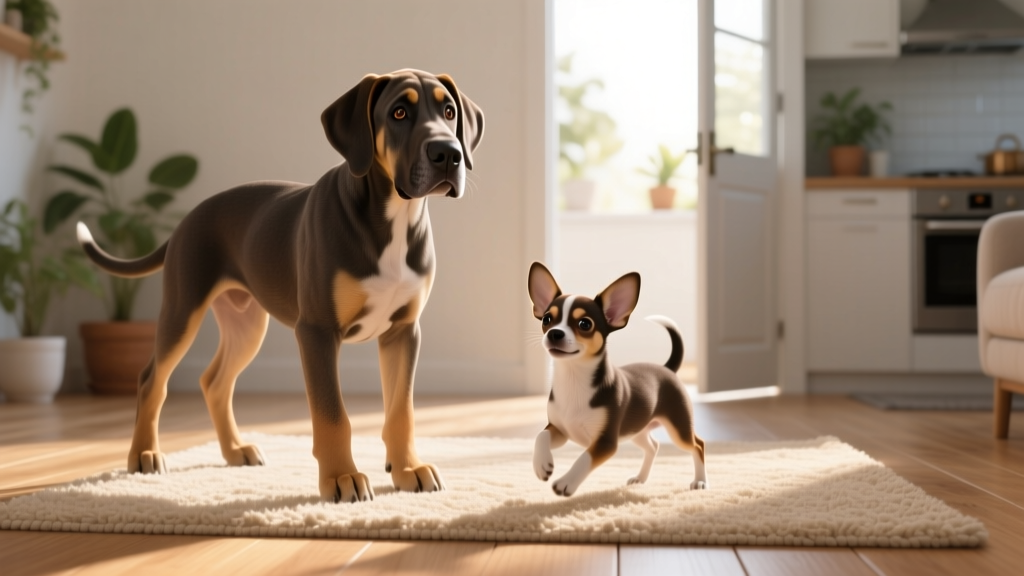
Capstar for Puppies: Safe Flea Treatment & Complete Puppy Care Guide
Is Capstar safe for puppies? Learn exact dosing by weight, when to use it, and get a complete week-by-week puppy care schedule covering feeding, vaccines, and training.

Capstar for Puppies: What You Need to Know Before Dosing
If you've spotted fleas on your new puppy, your first instinct might be to reach for the nearest flea treatment. But puppies are not small adult dogs — their developing organs, lower body weight, and immature immune systems mean that many products safe for adult dogs can be dangerous for them. Capstar (nitenpyram) is one of the few oral flea treatments that veterinarians widely consider safe for puppies, but only when used correctly and at the right age.
Capstar (nitenpyram) is safe for puppies 4 weeks of age and older weighing at least 2 pounds (0.9 kg). Always use the small-dog/puppy tablet (11.4 mg) for dogs under 25 lb. Consult your veterinarian before administering any medication to puppies under 8 weeks.
Capstar works by killing adult fleas within 30 minutes of administration, with full efficacy reached in approximately 4 hours. However, it does not provide ongoing protection — it's a fast-kill treatment, not a preventive. According to the Merck Veterinary Manual, nitenpyram has a wide safety margin and is excreted primarily through urine within 24 hours.
Capstar Dosage by Puppy Weight
| Puppy Weight | Product | Dose (mg) | Frequency |
|---|---|---|---|
| 2–25 lb (0.9–11.3 kg) | Capstar Small Dog/Puppy (11.4 mg) | 1 tablet | Once daily as needed |
| Over 25 lb (11.3+ kg) | Capstar Large Dog (57.0 mg) | 1 tablet | Once daily as needed |
| Under 2 lb (0.9 kg) | DO NOT USE | — | Consult veterinarian |
Important: Capstar can be given as often as once per day if re-infestation occurs, but this signals an environmental flea problem that needs addressing. Frequent re-dosing without tackling the source (bedding, yard, other pets) creates a costly cycle without solving the infestation. Pair Capstar with a long-acting preventive like a topical or chewable monthly treatment once your puppy meets the age/weight requirements — your vet can recommend options like Bravecto, NexGard, or Simparica Trio.
- Puppy is under 4 weeks old or weighs less than 2 lb
- Pale gums, lethargy, or weakness (signs of flea-bite anemia — a serious condition in small puppies)
- Vomiting or diarrhea within 1 hour of administering Capstar
- Heavy infestation with visible flea dirt (black specks) across the belly and groin
Week-by-Week Puppy Milestones: What to Expect at Every Stage
Whether you're preparing to bring a puppy home or already navigating the chaos of puppyhood, knowing what's developmentally normal at each stage prevents unnecessary panic and helps you provide the right support. Here's a milestone timeline grounded in canine developmental science, as outlined by the American Kennel Club.
Weeks 4–8: The Socialization Foundation (Still with Breeder/Rescue)
During this period, puppies are typically still with their mother and littermates. Key developments include:
- Week 4: Eyes and ears fully functional; puppies begin exploring beyond the whelping box. Baby teeth (deciduous teeth) start erupting.
- Week 5: Play behaviors emerge — wrestling, chasing, mock-biting. This is where bite inhibition begins through sibling feedback.
- Week 6: First veterinary wellness exam often occurs. Dewclaw removal (if planned) typically done by day 3–5, but some breeders schedule it later.
- Week 7: Fear imprinting period begins. Negative experiences during weeks 7–8 can create lasting phobias. Positive, gentle exposure is critical.
- Week 8: Most puppies are ready to transition to their new home. They should have received at least one DHPP vaccine and 2–3 deworming treatments.
Weeks 8–12: The Adjustment Window
This is when most puppies join their new families. Expect:
- Sleep: 18–20 hours per day is normal. Puppies this age cannot sustain long play sessions.
- Potty frequency: Every 1–2 hours during the day, including overnight wake-ups.
- Crying/whining: Separation from littermates causes distress vocalization for 3–7 nights. This is normal and not a sign of a "problem puppy."
- Biting/nipping: Mouthing peaks between 8–16 weeks as puppies explore with their mouths and begin teething.
- Weight gain: Puppies should gain approximately 5–10% of their body weight per week during this stage.
Weeks 12–16: Building Confidence and Skills
- Bladder control: Improves noticeably; puppies can hold for approximately 1 hour per month of age (so a 3-month-old = roughly 3 hours max).
- Training readiness: Short (3–5 minute) training sessions yield strong results. Focus on sit, name recognition, and come.
- Fear periods: A second fear imprinting window occurs around 12–14 weeks. Avoid traumatic grooming or vet experiences during this time if possible.
- Chewing escalation: Adult teeth begin pushing through gums, driving intense chewing behavior.
Weeks 16–24: Adolescence Begins
- Teething peak: Months 4–6 see the most intense chewing. Adult incisors, canines, and premolars erupt.
- Energy surge: Exercise needs increase. Structured walks (5 minutes per month of age, twice daily) help manage energy without over-stressing developing joints.
- Testing boundaries: Recall may deteriorate; leash reactivity can emerge. Consistency in training is essential.
- Spay/neuter window: Many veterinarians recommend spaying/neutering between 5–6 months for small breeds and 6–12 months for large/giant breeds (to allow growth plate closure). Discuss timing with your vet.
Months 6–12: Young Adult Transition
- Physical maturity: Small breeds reach adult size by 10–12 months; large breeds may continue growing until 18–24 months.
- Behavioral settling: Destructive chewing typically decreases after adult teeth are fully in (around 6–7 months).
- Diet transition: Switch from puppy food to adult maintenance formula between 10–12 months (small breeds) or 12–18 months (large breeds).
- Final vaccines: Rabies booster and DHPP booster typically given at 12–16 months.
Feeding Schedule: Exact Portions by Age and Weight
Puppies need more calories per pound than adult dogs because they're building bone, muscle, and organ tissue simultaneously. Underfeeding stunts growth; overfeeding accelerates it — which is especially dangerous for large breeds prone to hip dysplasia and osteochondritis dissecans (OCD).
The following feeding table uses AAFCO-compliant puppy kibble as a baseline (approximately 400 kcal/cup). Adjust portions based on your specific food's caloric density and your puppy's body condition score (BCS).
| Puppy Age | Meals Per Day | Small Breed (10–25 lb adult) Cups/Day | Medium Breed (25–50 lb adult) Cups/Day | Large Breed (50–90 lb adult) Cups/Day |
|---|---|---|---|---|
| 8–12 weeks | 4 | ½ – ¾ | ¾ – 1¼ | 1¼ – 2 |
| 3–4 months | 3 | ¾ – 1 | 1 – 1¾ | 1¾ – 2¾ |
| 5–6 months | 2–3 | 1 – 1¼ | 1½ – 2 | 2¼ – 3½ |
| 7–9 months | 2 | 1 – 1½ | 1¾ – 2½ | 2¾ – 4 |
| 10–12 months | 2 | Adult portions | 2 – 3 | 3 – 4½ |
Feeding tips:
- Always use a measuring cup — eyeballing portions leads to 20–30% overfeeding on average.
- Remove uneaten food after 15–20 minutes to establish meal routines.
- Large-breed puppies MUST eat food labeled for large-breed growth (AAFCO statement should specify "growth" or "all life stages" with controlled calcium:phosphorus ratio of 1.1:1 to 1.4:1).
- Treats should not exceed 10% of daily caloric intake.
- Fresh water must be available at all times, except 2 hours before bedtime to aid potty training.
Vaccination Schedule: Core and Non-Core Shots by Week
Vaccination protects puppies from life-threatening diseases during the period when maternal antibodies are waning but the puppy's own immune system is still developing. The American Veterinary Medical Association recommends the following core vaccine protocol, though your vet may adjust based on regional disease prevalence.
| Age | Vaccine | What It Protects Against | Estimated Cost |
|---|---|---|---|
| 6–8 weeks | DHPP (1st dose) | Distemper, Hepatitis (Adenovirus), Parainfluenza, Parvovirus | $20–$40 |
| 10–12 weeks | DHPP (2nd dose) | Same as above — booster to overcome maternal antibody interference | $20–$40 |
| 10–12 weeks | Bordetella (optional) | Kennel cough — recommended if attending puppy classes or boarding | $20–$35 |
| 14–16 weeks | DHPP (3rd dose) | Final puppy series booster | $20–$40 |
| 14–16 weeks | Rabies (1st dose) | Rabies — legally required in most US states | $15–$30 |
| 12–16 months | DHPP booster + Rabies booster | Annual or 3-year boosters depending on vaccine type | $35–$60 |
Critical notes on vaccination:
- Do NOT vaccinate a sick puppy. If your puppy has diarrhea, vomiting, or a fever above 103°F (39.4°C), reschedule. The immune system needs to be healthy to mount an adequate response.
- Maternal antibody interference is why puppies need multiple boosters. Antibodies from the mother's colostrum can neutralize vaccines given too early, which is why the series extends to 16 weeks.
- Leptospirosis, Lyme, and Canine Influenza are non-core vaccines your vet may recommend based on your geographic area and lifestyle. These are typically started after the DHPP series is complete.
- Keep records of every vaccine with dates, manufacturer, and lot numbers. Many boarding facilities and doggy daycares require proof of vaccination.
The Socialization Window: Weeks 3–14 Exposure Checklist
The primary socialization period in dogs closes around 12–14 weeks of age. After this window, unfamiliar stimuli are more likely to trigger fear than curiosity. Research published in the Journal of Veterinary Behavior shows that puppies with inadequate socialization during this period are significantly more likely to develop behavioral problems — the leading cause of euthanasia in dogs under 3 years old.
Here's a structured exposure checklist to work through before the window closes. Aim for positive, brief (2–5 minute) exposures. Never force a fearful puppy — let them approach at their own pace and reward calm investigation with treats.
People (10+ types)
- Men with beards, hats, sunglasses
- Children of various ages (supervised, calm interactions only)
- People in uniforms (mail carriers, delivery drivers)
- People using mobility aids (wheelchairs, crutches, canes)
- People of different ethnicities and body types
Environments and Surfaces
- Grass, gravel, sand, wet pavement
- Metal grates, wooden bridges, stairs (carpeted and bare)
- Elevator rides, car rides (start with engine off, then short drives)
- Veterinary clinic (schedule a "happy visit" — just treats and praise, no shots)
Sounds and Objects
- Vacuum cleaner (start at a distance, gradually move closer)
- Thunderstorm recordings at low volume, paired with treats
- Umbrellas opening, plastic bags rustling
- Bicycles, skateboards, strollers passing by
Handling and Body Awareness
- Paw handling (preps for nail trims)
- Ear inspection, mouth opening (preps for dental care)
- Being gently restrained, rolled onto back
- Wearing a harness and collar
Socialization vs. disease risk: The ASPCA and the American Veterinary Society of Animal Behavior (AVSAB) both recommend that puppies begin socialization classes before they complete their full vaccine series — typically starting 7 days after the first DHPP dose. The behavioral risk of poor socialization outweighs the disease risk in controlled class environments where all puppies are vaccinated to their current schedule.
Potty Training Timeline and Troubleshooting
Potty training is not a single event — it's a progressive skill that develops alongside your puppy's physical bladder capacity. Here are realistic expectations based on age:
| Puppy Age | Max Hold Time (Awake) | Max Hold Time (Sleeping) | Accidents Per Week (Normal Range) |
|---|---|---|---|
| 8–10 weeks | 30–60 minutes | 2–3 hours | 5–10 |
| 10–12 weeks | 1–2 hours | 3–4 hours | 3–6 |
| 3–4 months | 2–3 hours | 5–6 hours | 1–3 |
| 5–6 months | 3–4 hours | 6–8 hours | 0–2 |
| 7–9 months | 4–6 hours | 8 hours | 0–1 |
When is a puppy "fully potty trained"? Most puppies achieve reliable house training between 5–7 months of age. Small breeds may take longer (up to 9–12 months) due to smaller bladder capacity and higher metabolism. If your puppy is still having frequent accidents after 6 months, consult your vet to rule out urinary tract infections, anatomical abnormalities, or diabetes.
Potty Training Protocol
- Take puppy out immediately after: waking up, eating, drinking, playing, and crate release.
- Use a consistent verbal cue ("go potty," "do your business") said while they're eliminating — not before.
- Reward within 3 seconds of finishing with a high-value treat and verbal praise. Timing matters — if you wait until you're back inside, you're rewarding coming inside, not eliminating outside.
- Supervise or confine. When you can't watch your puppy, they should be in a crate or exercise pen. Unsupervised roaming is the #1 cause of potty training setbacks.
- Clean accidents with enzymatic cleaner (Nature's Miracle, Rocco & Roxie, or Simple Solution). Regular household cleaners leave urine proteins that attract puppies back to the same spot.
Troubleshooting common problems:
- Puppy eliminates outside but then goes again inside 10 minutes later: They likely didn't fully empty. Extend outdoor time and walk them in a small circle to encourage a second elimination.
- Puppy only goes on pee pads: Gradually move the pad closer to the door, then outside. Eventually place it on grass, then remove it.
- Submissive/excitement urination: This is not a house training failure — it's an involuntary response. Greet your puppy calmly, avoid looming over them, and take them outside immediately upon arrival.
Crate Training Progression and Time Limits
A crate is not a punishment — it's a den substitute that taps into a dog's natural instinct to seek enclosed, secure spaces. Proper crate training supports potty training (dogs avoid soiling their sleeping area), prevents destructive chewing when unsupervised, and provides a safe retreat during stressful situations like thunderstorms or house guests.
| Puppy Age | Max Crate Time (Daytime) | Max Crate Time (Overnight) | Notes |
|---|---|---|---|
| 8–10 weeks | 30–60 minutes | 2–3 hours (expect wake-ups) | Crate beside your bed for comfort |
| 10–12 weeks | 1–2 hours | 3–4 hours | Begin moving crate to permanent location |
| 3–4 months | 2–3 hours | 5–6 hours | Introduce crate during short absences from home |
| 5–6 months | 3–4 hours | 7–8 hours | Puppy should enter crate voluntarily for naps |
| 7+ months | 4–5 hours | 8 hours | Never exceed 5 hours daytime crating without a potty break |
Crate training steps:
- Leave the crate door open with treats and a soft blanket inside. Let puppy explore freely for 2–3 days.
- Feed meals inside the crate with the door open, then gradually closed for increasing durations during meals.
- Practice short departures: close the door, step out of sight for 30 seconds, return calmly. Build to 5 minutes, then 15, then 30.
- Never release a whining puppy from the crate unless you suspect a potty emergency. Releasing during whining teaches that noise = freedom.
- Provide a safe chew (stuffed Kong, bully stick) during crated time to create positive associations.
Teething Timeline and Safe Relief Strategies
Puppies have 28 deciduous (baby) teeth that begin erupting at 3–4 weeks and are fully in by 6–8 weeks. The transition to 42 permanent adult teeth follows this timeline:
- 3–4 months: Adult incisors push out baby incisors. You may find tiny teeth on the floor — this is normal.
- 4–5 months: Adult canines erupt. This is peak chewing intensity. Puppies will gnaw furniture, shoes, hands — anything that provides counter-pressure on sore gums.
- 5–6 months: Premolars and molars come in. Chewing may become less frantic as the majority of teeth emerge.
- 6–7 months: All 42 adult teeth should be in. If baby canines haven't fallen out by 7 months (retained deciduous teeth — common in small breeds like Chihuahuas, Yorkies, and Pomeranians), your vet may need to extract them to prevent crowding and dental disease.
Safe Chew Recommendations by Age
| Age | Safe Options | Avoid |
|---|---|---|
| 8–12 weeks | Frozen wet washcloth, soft rubber teething rings (Kong Puppy), carrot sticks | Hard nylon bones, antlers, rawhide |
| 3–5 months | Kong Classic (stuffed and frozen), Benebone Puppy, bully sticks (supervised) | Cooked bones (splinter risk), hooves, ice cubes (too hard for erupting teeth) |
| 6+ months | Yak cheese chews, Nylabone Dura Chew, frozen Kong with peanut butter | Weight-bearing bones from large animals (fracture risk for developing teeth) |
Redirecting inappropriate chewing: When you catch your puppy chewing something off-limits, don't scold. Instead, calmly offer an approved chew and praise enthusiastically when they take it. Manage the environment by puppy-proofing rooms — use bitter apple spray on baseboards and electrical cords, and keep shoes in closed closets.
Stopping Puppy Biting and Nipping
Puppy biting is one of the most common complaints from new owners — and it's completely normal. Puppies explore the world with their mouths, and the feedback they receive from you shapes their bite inhibition (the ability to control jaw pressure). Here's a force-free, positive reinforcement protocol:
- Yelp and withdraw. When teeth touch skin, let out a brief, high-pitched "ow!" and immediately stop interacting for 10–15 seconds. This mimics how littermates respond and teaches that biting ends play.
- Redirect to a toy. After the brief pause, offer a chew toy. Praise when they bite the toy instead of you.
- Time-outs for persistent biting. If yelping doesn't work (some puppies get more excited by the sound), calmly place the puppy in their crate or a playpen for 30–60 seconds. This is not punishment — it's a reset.
- Manage arousal levels. Overtired puppies bite more. If nipping escalates in the evening, your puppy likely needs a nap, not more stimulation. Enforce a nap in the crate.
- Never use physical punishment. Holding the muzzle shut, alpha rolls, or tapping the nose increases fear and can lead to defensive aggression. The American Veterinary Society of Animal Behavior explicitly recommends against aversive training methods.
When does biting stop? Most puppies significantly reduce mouthing by 5–6 months once adult teeth are fully in and they've learned bite inhibition. Some adolescent dogs continue gentle mouthing during excitement — consistent redirection will phase this out.
When Can My Puppy Go Outside and Meet Other Dogs?
This question involves balancing disease risk with socialization needs. Here's the evidence-based framework:
- Controlled outdoor exposure (your yard): Safe immediately after bringing puppy home, assuming your yard is not frequented by unknown dogs.
- Public areas (parks, sidewalks, pet stores): Wait until 7 days after the second DHPP booster (approximately 12–13 weeks). Avoid areas with high dog traffic until the full series is complete at 16 weeks.
- Puppy classes: Can begin 7 days after the first DHPP vaccine (around 9 weeks), per AVSAB guidelines. Ensure all puppies in the class are vaccinated to their current schedule.
- Dog parks: Not recommended until the full DHPP series is complete AND the puppy is at least 16 weeks old. Even then, dog parks carry unpredictable social dynamics that can overwhelm young puppies.
- Meeting vaccinated adult dogs: Safe and encouraged from 8 weeks onward, as long as the adult dog is healthy, fully vaccinated, and temperamentally calm with puppies.
First-Year Cost Breakdown
Budgeting for a puppy's first year prevents unpleasant financial surprises. The following estimates reflect 2026 pricing across the US and assume a medium-breed puppy (30–50 lb adult weight). Costs vary significantly by region — expect urban areas (NYC, San Francisco, Seattle) to run 25–40% higher than rural averages.
| Category | Low Estimate | Typical Estimate | High Estimate | Notes |
|---|---|---|---|---|
| Puppy purchase/adoption | $150 (rescue) | $1,500 (responsible breeder) | $4,000+ (popular breeds) | Always verify health testing of parents |
| Veterinary (wellness + vaccines) | $400 | $600 | $900 | Includes 3-visit puppy series, fecal tests, deworming |
| Spay/neuter | $200 | $450 | $800 | Varies by clinic, size, and whether pre-anesthetic bloodwork is included |
| Food (puppy formula, 12 months) | $350 | $600 | $1,000 | Premium brands cost more but often require smaller portions |
| Flea/tick/heartworm prevention | $150 | $300 | $500 | Products like Simparica Trio, NexGard, Heartgard |
| Supplies (crate, bed, bowls, leash, harness, toys) | $200 | $400 | $700 | Quality crates and harnesses are worth the investment |
| Training (puppy class + basic obedience) | $100 | $300 | $600 | Group classes vs. private sessions |
| Pet insurance (annual premium) | $360 | $600 | $960 | Enroll at 8 weeks to avoid pre-existing condition exclusions |
| Emergency fund / unexpected vet visits | $0 | $300 | $2,000+ | Puppies eat things they shouldn't — GI foreign body surgery averages $2,000–$5,000 |
| Total First Year | $1,910 | $5,050 | $11,460+ |
Where Capstar fits in: At approximately $12–$18 for a 6-count pack of small-dog tablets, Capstar is an affordable emergency flea treatment. However, it's not a replacement for monthly preventive medication, which costs $15–$25/month and provides continuous protection against fleas, ticks, and heartworm.
Frequently Asked Questions
When should I bring my puppy home?
The ideal age to bring a puppy home is 8–10 weeks. Puppies separated from their mother and littermates before 8 weeks are more likely to develop behavioral issues including excessive biting, fearfulness, and difficulty with other dogs. Some breeders of toy breeds keep puppies until 10–12 weeks due to their fragility and risk of hypoglycemia.
How often should I feed my puppy?
At 8–12 weeks: 4 meals per day. At 3–4 months: 3 meals per day. At 5–6 months: 2–3 meals per day. From 7 months onward: 2 meals per day. Splitting daily portions across multiple meals prevents hypoglycemia in small breeds and reduces bloat risk in large breeds.
Can I give Capstar to my 6-week-old puppy?
Capstar is labeled safe for puppies 4 weeks and older weighing at least 2 lb. A typical 6-week-old medium-breed puppy weighs 4–8 lb, so Capstar Small Dog/Puppy (11.4 mg) would be appropriate. However, always weigh your puppy before dosing and consult your veterinarian, especially if the puppy has any health concerns or is on other medications.
What vaccines does my puppy need and when?
Core vaccines include DHPP (Distemper, Hepatitis, Parainfluenza, Parvovirus) given at 6–8 weeks, 10–12 weeks, and 14–16 weeks, plus Rabies at 14–16 weeks. Non-core vaccines like Bordetella, Leptospirosis, and Lyme are recommended based on your puppy's lifestyle and geographic risk. Your veterinarian will create a customized schedule.
How do I stop my puppy from biting my hands and ankles?
Use the yelp-and-withdraw method: say "ow!" when teeth touch skin, stop playing for 10–15 seconds, then redirect to a chew toy. For ankle-biting specifically (common in herding breeds), redirect to a tug toy and teach "leave it" using positive reinforcement. Ensure your puppy is getting enough sleep — overtired puppies bite significantly more.
Is Capstar safe to use with other medications?
Nitenpyram (Capstar's active ingredient) has no known drug interactions with common puppy medications including antibiotics, dewormers, and vaccines. However, always inform your veterinarian of all medications and supplements your puppy is receiving before starting any new treatment.
Aaron Whyte
All our authors care for dogs every day — read more of their work on the authors page.