Can Puppies Eat Pasta? A Complete Puppy Feeding & Care Guide
Can puppies eat pasta safely? Learn portion sizes, preparation tips, and get a complete puppy feeding and care milestone guide for weeks 4 through 12 months.
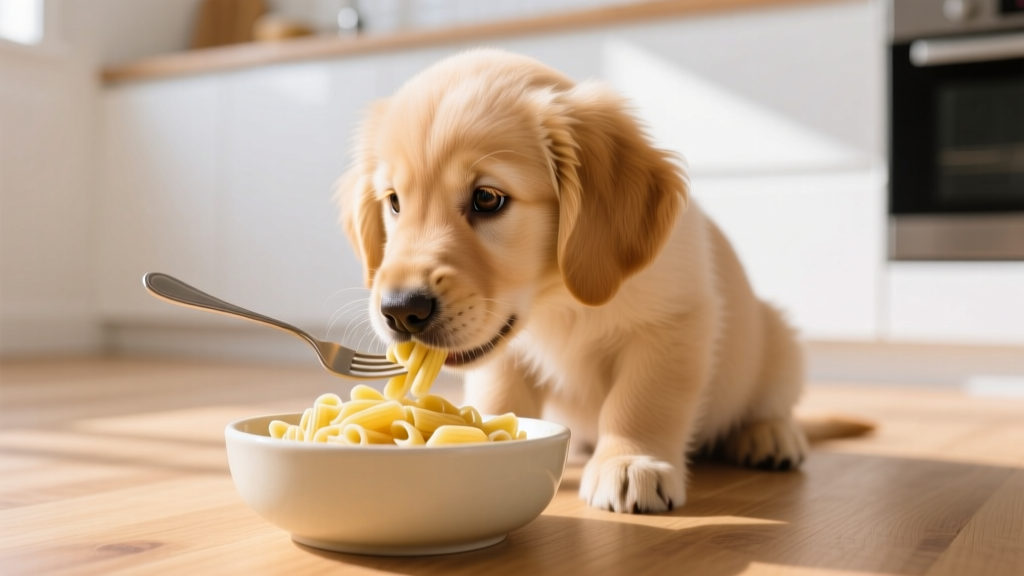
Can Puppies Eat Pasta? The Short Answer
Plain, cooked pasta is safe for puppies over 8 weeks old in very small quantities. However, pasta offers almost no nutritional benefit for growing puppies and should never replace a complete, AAFCO-approved puppy diet. Seasonings, garlic, onions, butter, and sauces commonly found in pasta dishes can be toxic to dogs. Always consult your veterinarian before introducing human foods to a puppy under 6 months old.
If you've found yourself asking "can puppies eat pasta" while your little one stares longingly at your dinner plate, you're not alone. Pasta is one of the most common pantry staples dog owners wonder about. The truth is, while a few bites of plain cooked penne won't harm your puppy, there are important guidelines around portion size, preparation, and timing that every puppy parent needs to know — especially during those critical early growth stages.
This guide covers everything about feeding pasta to puppies safely, plus a comprehensive timeline of puppy care milestones from weeks 4 through 12 months so you know exactly what to expect at every stage.
Pasta Safety for Puppies: Portions, Preparation, and Risks
Safe Serving Sizes by Puppy Weight
Pasta should only ever be an occasional treat — never a meal component. Treats of any kind should make up no more than 10% of your puppy's daily caloric intake, according to AKC nutrition guidelines. For puppies, that percentage should be even lower because they need every calorie to come from nutritionally complete food.
| Puppy Weight | Safe Pasta Portion | Max Frequency | Calories (approx.) |
|---|---|---|---|
| 5–10 lb (2.3–4.5 kg) | 1–2 small pieces (e.g., 2 penne or 1 teaspoon cut macaroni) | Once per week max | 5–10 kcal |
| 10–25 lb (4.5–11.3 kg) | 3–4 small pieces or 1 tablespoon cut pasta | Once per week max | 10–20 kcal |
| 25–50 lb (11.3–22.7 kg) | 5–6 small pieces or 2 tablespoons | 1–2 times per week | 20–35 kcal |
| 50+ lb (22.7+ kg) | Up to ¼ cup cooked, plain pasta | 1–2 times per week | 50–55 kcal |
Preparation Rules (Non-Negotiable)
- Cook it fully: Raw or undercooked pasta is a choking hazard and difficult for puppies to digest.
- Plain only: No salt, butter, olive oil, garlic, onions, tomato sauce, cheese sauce, or seasonings of any kind.
- Cut into small pieces: Long noodles like spaghetti pose a choking risk. Cut any pasta into bite-sized pieces appropriate for your puppy's mouth.
- Serve cooled: Hot pasta can burn a puppy's mouth and esophagus. Always let it cool to room temperature.
- Check for wheat/gluten sensitivity: Some dogs have grain sensitivities. If your puppy shows signs of itching, ear infections, or GI upset after eating pasta, discontinue and consult your vet.
Garlic and onions (including powdered forms in sauces) are toxic to dogs and can cause hemolytic anemia. Tomato sauce often contains both. If your puppy accidentally ingests pasta with garlic or onion, contact the ASPCA Animal Poison Control Center at (888) 426-4435 (24/7, consultation fee applies) or your emergency vet immediately.
When Pasta Is NOT Safe
Skip the pasta entirely if your puppy:
- Is under 8 weeks old (stick to mother's milk or puppy milk replacer)
- Has been diagnosed with a grain or wheat allergy
- Is overweight or has a body condition score (BCS) above 5/9
- Has a history of pancreatitis (high-carb foods can trigger flare-ups)
- Is currently experiencing diarrhea or vomiting
Age-by-Age Puppy Milestones: Weeks 4 Through 12 Months
Understanding what's happening developmentally at each stage helps you make better feeding decisions — including when and whether to introduce treats like plain pasta.
🐾 Weeks 4–8: Weaning and Transition
What's happening: Puppies transition from mother's milk to solid food. Baby teeth are fully in. Critical socialization with littermates begins.
Feeding: High-quality puppy kibble softened with warm water or puppy milk replacer, 3–4 times daily. No human food during this stage.
Key milestone: By week 7–8, puppies should be eating fully solid, unsoftened kibble.
🐾 Weeks 8–12: Homecoming and Bonding
What's happening: This is the typical age to bring your puppy home. Fear periods begin around week 8–10. Attachment to new family forms rapidly.
Feeding: 3 meals per day of AAFCO-approved puppy food. Follow the feeding chart on your food bag as a starting point, adjusting based on body condition. Still no human food treats — use kibble for training rewards.
Key milestone: Puppy learns their name, starts crate training, and has first vet visit.
🐾 Weeks 12–16: Foundation Training Window
What's happening: Puppy becomes more confident and exploratory. Bite inhibition training is critical. Second round of vaccinations complete.
Feeding: Continue 3 meals per day. You can begin introducing single-ingredient treats for training — small pieces of boiled chicken, for example. A tiny piece of plain pasta is technically safe at this point but nutritionally pointless.
Key milestone: Puppy can begin short, structured walks and controlled socialization with vaccinated dogs.
🐾 Weeks 16–24 (4–6 Months): Adolescence Begins
What's happening: Baby teeth start falling out (teething peak). Independence increases. Testing boundaries. Growth spurts in medium and large breeds.
Feeding: Transition to 2 meals per day around 16 weeks for most breeds (large/giant breeds may stay on 3 meals until 6 months per vet guidance). You can offer the occasional small piece of plain cooked pasta as a treat at this stage.
Key milestone: Spay/neuter typically occurs around 6 months (breed-dependent — consult your vet).
🐾 Months 6–12: Approaching Adulthood
What's happening: Sexual maturity in intact dogs. Energy levels remain high. Small breeds may reach adult size; large breeds continue growing until 18–24 months.
Feeding: 2 meals per day. Small breeds can transition to adult food around 9–12 months; large breeds should stay on puppy food until 12–18 months per Merck Veterinary Manual guidelines on growing dogs.
Key milestone: Advanced training, reliable recall, and established house manners.
Feeding Schedule: Exact Portions by Age and Weight
These are starting-point guidelines based on typical AAFCO-formulated dry puppy kibble (approximately 400 kcal/cup). Always adjust based on your puppy's body condition score, activity level, and your veterinarian's recommendation.
| Age | Meals/Day | Small Breed (5–15 lb adult) cups/meal |
Medium Breed (25–50 lb adult) cups/meal |
Large Breed (60–100 lb adult) cups/meal |
|---|---|---|---|---|
| 8–12 weeks | 3–4 | ¼ – ⅓ | ½ – ¾ | ¾ – 1 |
| 12–16 weeks | 3 | ⅓ – ½ | ¾ – 1 | 1 – 1½ |
| 4–6 months | 2–3 | ½ – ¾ | 1 – 1½ | 1½ – 2½ |
| 6–9 months | 2 | ½ – ¾ | 1½ – 2 | 2 – 3½ |
| 9–12 months | 2 | ½ – ⅔ | 1¾ – 2½ | 3 – 4½ |
How to tell if portions are right: You should be able to feel your puppy's ribs without pressing hard, but not see them visibly (except in sighthound breeds). A visible waist when viewed from above and a tucked abdomen from the side indicate a healthy BCS of 4–5/9.
Potty Training Timeline: Realistic Expectations
Let's set realistic expectations: most puppies are not fully house-trained until 4–6 months of age, and some small breeds take up to 8–12 months due to smaller bladder capacity. Any guide promising "potty trained in 3 days" is setting you up for frustration.
| Age | Bladder Hold Time (Max) | Expected Accidents/Week | What to Expect |
|---|---|---|---|
| 8–10 weeks | 30–60 minutes | Daily accidents are normal | Take out every 30 min while awake; after every meal, nap, and play session |
| 10–14 weeks | 1–2 hours | 3–5 per week | Puppy starts signaling (sniffing, circling, going to door) |
| 14–20 weeks | 2–3 hours | 1–3 per week | More reliable signals; overnight hold improving to 4–5 hours |
| 5–6 months | 4–5 hours | 0–2 per week | Mostly reliable with routine; regression possible during adolescence |
| 6–12 months | 6–8 hours | 0–1 per week | Near-full reliability; marking behavior may appear in intact males |
Track these daily for the first 4 weeks: time puppy went out → location → success or accident → what happened right before (ate, slept, played). Patterns emerge within 7–10 days that help you anticipate needs.
Potty Training Troubleshooting
Submissive/excitement urination: Common in puppies under 6 months. Don't punish — greet calmly, take outside immediately upon arrival. Most outgrow this by 12 months.
Regression at 4–6 months: Normal adolescent testing. Go back to basics: more frequent outings, higher-value treats for outdoor elimination, closer supervision.
Still having daily accidents after 6 months: Consult your veterinarian to rule out urinary tract infections, anatomical issues, or diabetes before assuming it's a training problem.
Vaccination Schedule: What Your Puppy Needs and When
Vaccination protocols follow guidelines from the American Veterinary Medical Association (AVMA) and the AAHA canine vaccination guidelines. Your vet may adjust timing based on local disease prevalence and your puppy's risk factors.
| Age | Vaccine(s) | Type | Estimated Cost |
|---|---|---|---|
| 6–8 weeks | DHPP (Distemper, Hepatitis, Parainfluenza, Parvovirus) — 1st dose | Core | $20–$40 |
| 10–12 weeks | DHPP — 2nd dose; Bordetella (optional, recommended if attending puppy classes or boarding) | Core + Non-core | $30–$60 |
| 14–16 weeks | DHPP — 3rd (final) dose; Rabies (required by law in most states) | Core | $35–$70 |
| 12–16 months | DHPP booster; Rabies booster (1-year or 3-year depending on product) | Core | $40–$80 |
Optional/lifestyle vaccines your vet may recommend: Leptospirosis (if hiking or near standing water), Lyme disease (tick-endemic areas), Canine Influenza (H3N2/H3N8 — if boarding or dog parks). These are typically given as a 2-dose series starting at 12+ weeks.
Mild lethargy and soreness for 24 hours is normal. Seek immediate veterinary care if your puppy shows: facial swelling, hives, vomiting, diarrhea, difficulty breathing, or collapse within hours of vaccination. These may indicate an anaphylactic reaction requiring emergency treatment.
Socialization Window (Weeks 3–14): Your Critical Exposure Checklist
The primary socialization period — when puppies are most receptive to new experiences without fear — closes around 12–14 weeks of age, according to AKC training resources. Missing this window can lead to lifelong fear responses. Balance socialization with disease risk by choosing controlled, clean environments and ensuring all dogs your puppy meets are fully vaccinated.
Exposure Checklist (Aim for 5–10 New Experiences Per Week)
- Surfaces: Grass, gravel, tile, wood floors, metal grates, wet pavement, sand
- People: Children (supervised), elderly adults, people wearing hats/sunglasses/masks, people using wheelchairs or crutches, delivery workers
- Sounds: Vacuum cleaner, thunderstorms (recorded at low volume), traffic, doorbell, clapping, fireworks (recorded), hair dryer
- Objects: Umbrellas opening, plastic bags rustling, bicycles, skateboards, brooms, balloons
- Animals: Fully vaccinated adult dogs (calm, well-socialized), cats (if applicable), livestock (if rural)
- Handling: Paw touching, ear examination, mouth opening, nail clipping practice, being held gently, collar/harness on and off
- Locations: Vet clinic (happy visits with no procedures), pet-friendly stores, car rides, different rooms in your home, a friend's house
Rule of thumb: Every positive experience should end with a treat and praise. If your puppy shows fear (cowering, tail tucked, refusing treats), increase distance from the stimulus and let them observe from a safe zone. Never force interaction — this builds fear, not confidence.
Teething, Crate Training, and Common Puppy Problems
Teething Timeline (3–6 Months)
Puppies have 28 deciduous (baby) teeth that begin erupting at 3–4 weeks and are fully in by 6–8 weeks. Starting around 12–16 weeks, these are replaced by 42 permanent adult teeth. The most intense chewing phase typically occurs between 3–5 months.
Safe chew options for teething puppies:
- KONG Puppy Teething Stick ($8–$12) — softer rubber formula designed for baby teeth
- Nylabone Puppy Chew ($5–$8) — choose the "Puppy" line, not adult hardness
- Frozen washcloth: Wet a clean washcloth, twist into a rope, freeze for 2 hours. Supervise use and discard if pieces tear off.
- Carrots (whole, raw): For puppies over 12 weeks — cold from the fridge provides soothing relief. Supervise to prevent choking on broken pieces.
Avoid: Ice cubes (can fracture teeth), cooked bones (splinter risk), hard antlers or hooves (too dense for puppy teeth), rawhide (choking and digestive blockage risk for young puppies).
Crate Training Progression
| Age | Max Daytime Crate Duration | Overnight Duration | Notes |
|---|---|---|---|
| 8–10 weeks | 30–60 minutes | 2–3 hours (expect to wake for potty) | Crate near your bed; whining is normal |
| 10–14 weeks | 1–2 hours | 3–4 hours | Begin moving crate to permanent location |
| 14–18 weeks | 2–3 hours | 4–5 hours | Crate should be positive space — never used as punishment |
| 4–6 months | 3–4 hours | 6–8 hours | Transition to pen or gated area for longer absences |
| 6+ months | 4–5 hours max | 7–8 hours | No dog should be crated more than 6–8 hours total/day |
Common Puppy Problems and Solutions
Puppy biting and nipping: This is normal mouthing behavior, not aggression. Puppies explore the world with their mouths and are learning bite inhibition from littermates (weeks 4–8) and from you (weeks 8+).
- Redirect: When teeth touch skin, say "ouch" in a calm, high-pitched tone, then immediately offer a chew toy.
- Time-out: If biting continues after 2–3 redirects, calmly stand up and leave the room for 15–30 seconds. This teaches that biting ends play.
- Never: Hold the mouth shut, hit, or use physical punishment. These methods increase fear and can escalate to defensive biting.
- Timeline: Mouthing decreases significantly once adult teeth come in (around 5–6 months), but some breeds (herding breeds especially) may mouth longer and need continued redirection.
Whining in the crate: Distinguish between "I need to potty" whining (take them out immediately) and "I don't want to be alone" whining (wait for a brief pause in whining, then reward silence). Covering the crate with a breathable blanket can reduce visual stimulation and promote calm.
Destructive chewing: Puppy-proof your home by removing shoes, cords, and small objects. Provide 5–7 appropriate chew toys of varying textures. Rotate toys weekly to maintain novelty. Increase physical exercise and mental enrichment (snuffle mats, frozen KONGs, training sessions) — bored puppies chew more.
First-Year Cost Breakdown
Budgeting for a puppy is one of the most overlooked aspects of dog ownership. Here's a realistic first-year estimate based on 2026 pricing for a medium-breed puppy (25–50 lb adult weight):
| Category | Item | Estimated Cost |
|---|---|---|
| Veterinary | Initial exam + vaccination series (3 visits) | $150–$350 |
| Spay/neuter surgery | $250–$600 | |
| Heartworm/flea/tick prevention (12 months) | $150–$300 | |
| Food | Puppy kibble (quality brand, 12 months) | $300–$600 |
| Treats and training rewards | $50–$100 | |
| Supplies | Crate, bed, bowls, leash, collar/harness | $150–$300 |
| Chew toys, puzzle toys, enrichment items | $80–$150 | |
| Grooming supplies or professional grooming | $100–$500 (breed-dependent) | |
| Enzymatic cleaner (for accidents) | $15–$25 | |
| Training | Group puppy classes (6–8 week session) | $100–$250 |
| Insurance/Emergency | Pet insurance premiums (12 months) OR emergency fund | $350–$700 / $500–$1,500 |
| Total Estimated First-Year Cost | $1,700–$3,900 | |
These estimates do not include the initial purchase or adoption fee ($0–$3,000+ depending on source and breed). Emergency vet visits for common puppy issues like foreign body ingestion or parvovirus treatment can add $1,500–$5,000+ unexpectedly, which is why pet insurance or a dedicated emergency fund is strongly recommended.
Frequently Asked Questions
When should I bring my puppy home?
The ideal age is 8–10 weeks. Puppies separated from their mother and littermates before 8 weeks often develop behavioral issues including excessive biting, fearfulness, and difficulty with bite inhibition. Some breeders of smaller breeds may keep puppies until 10–12 weeks due to their fragility and hypoglycemia risk. Always ensure the breeder or rescue has followed an early socialization protocol (such as Puppy Culture or ENS — Early Neurological Stimulation).
How often should I feed my puppy?
Puppies aged 8–16 weeks need 3 meals per day (4 meals for toy breeds prone to hypoglycemia). Transition to 2 meals per day around 16 weeks for most breeds, or around 6 months for large and giant breeds. Consistent meal timing (e.g., 7 AM, 12 PM, 5 PM) helps regulate digestion and makes potty training more predictable — puppies typically need to eliminate 15–30 minutes after eating.
When will my puppy be fully potty trained?
Most puppies achieve reliable house training between 4–6 months of age, though small breeds may take 8–12 months due to smaller bladders. "Fully trained" means fewer than 1 accident per month with a consistent routine. If your puppy is still having frequent accidents after 6 months of consistent training, consult your veterinarian to rule out medical causes.
When can my puppy go outside and meet other dogs?
Your puppy can explore your own yard (if private and not used by unknown dogs) immediately. For public spaces and meeting unfamiliar dogs, wait until 7–10 days after the final DHPP vaccination at 14–16 weeks — typically around 16–17 weeks of age. However, the socialization window closes around 14 weeks, so carry your puppy in a sling or stroller to expose them to outdoor sights and sounds before full vaccination is complete. Only allow direct contact with dogs you know are fully vaccinated and healthy.
Can puppies eat pasta with sauce?
No. Most pasta sauces contain garlic, onions, salt, and other ingredients that are toxic or harmful to dogs. Even "plain" tomato sauce often has onion powder or garlic. Always serve pasta completely plain if offering it to your puppy.
What about whole wheat or gluten-free pasta?
Whole wheat pasta is safe in the same small quantities as regular pasta — it simply has more fiber. Gluten-free pasta (rice-based, chickpea-based) is also safe in moderation. However, if your puppy has a diagnosed grain sensitivity, consult your vet before offering any grain-based treats. Note that grain allergies in dogs are relatively uncommon — FDA research on diet-related dilated cardiomyopathy (DCM) has raised concerns about grain-free diets, not grain-inclusive ones.
How do I stop puppy biting and nipping?
Use the redirect-and-withdraw method: when teeth touch skin, make a brief "ouch" sound, then offer an appropriate chew toy. If biting continues, calmly leave the area for 15–30 seconds. Consistency from all household members is essential — mixed signals confuse puppies. Expect mouthing to decrease substantially by 5–6 months as adult teeth come in. If biting is intense, breaks skin regularly, or seems fear-based rather than playful, consult a certified positive-reinforcement trainer or veterinary behaviorist.
Robin Maitland
All our authors care for dogs every day — read more of their work on the authors page.


