Bernese Mountain Dog Rescue Puppies: A Complete Puppy Care Guide
Everything you need to raise Bernese Mountain Dog rescue puppies — age milestones, feeding schedules, vaccinations, potty training, and first-year costs.
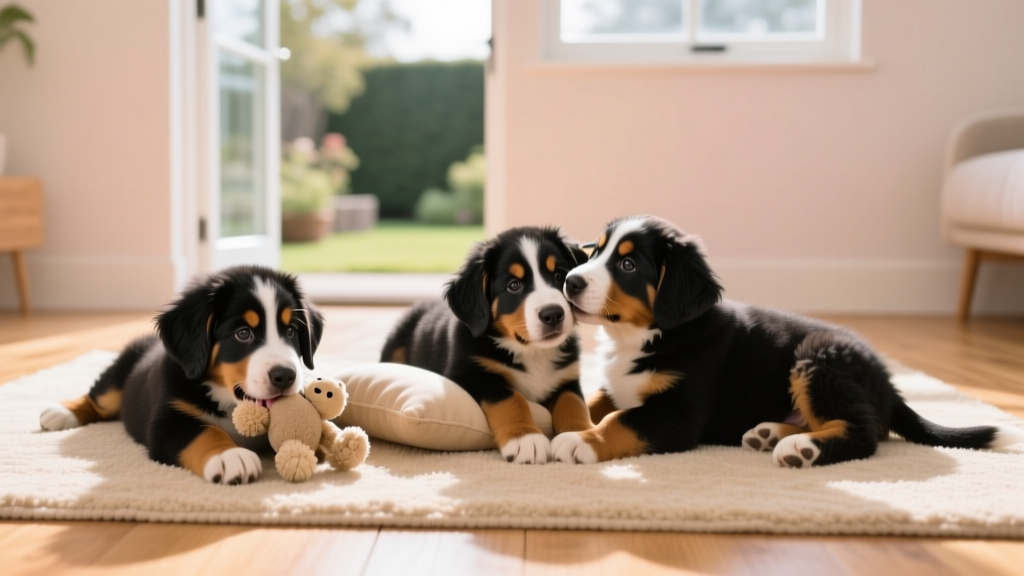
Bringing home a Bernese Mountain Dog rescue puppy is one of the most rewarding decisions a dog owner can make — and one of the most demanding. These gentle giants grow fast, eat more than you'd expect, and need structured socialization during a narrow developmental window. Whether your rescue puppy came from a breed-specific organization like BernerGarde-affiliated rescues or a general shelter, this guide gives you the breed-specific, age-by-age roadmap you need for the first year.
This guide assumes your Bernese Mountain Dog rescue puppy is approximately 8 weeks old at adoption. If your rescue is older or has an unknown history, consult your veterinarian to establish a tailored health and vaccination baseline before following the timelines below.
When to Bring Your Bernese Mountain Dog Rescue Puppy Home
The American Kennel Club recommends puppies stay with their mother and littermates until at least 8 weeks of age. For Bernese Mountain Dog rescue puppies, 8 to 10 weeks is the ideal homecoming window. This allows critical bite-inhibition learning from siblings and ensures the puppy has received its first round of vaccinations.
If your rescue organization is holding the puppy until 10-12 weeks, don't worry — Berners mature slowly and benefit from extra time with littermates. Use those weeks to puppy-proof your home and schedule your first veterinary wellness exam within 48 hours of pickup.
- Bring any medical records from the rescue organization
- Collect a fresh stool sample (within 12 hours) for parasite screening
- Note any symptoms: diarrhea, coughing, eye discharge, skin flakes
- Ask about the puppy's deworming history and microchip status
Age-Specific Milestones for Bernese Mountain Dog Rescue Puppies
Bernese Mountain Dogs are a large, slow-maturing breed. Males typically reach 80-115 lb (36-52 kg) and females 70-95 lb (32-43 kg) at maturity, but they may not reach full emotional maturity until 2-3 years. Here's what to expect at each stage:
| Age Range | Weight Range | Key Milestones | What to Expect |
|---|---|---|---|
| 4-8 weeks | 5-15 lb / 2-7 kg | Weaning, littermate play, first vaccines | Typically still with rescue/breeder; learning bite inhibition from siblings |
| 8-12 weeks | 15-30 lb / 7-14 kg | Homecoming, bonding, crate introduction, first socialization exposures | Rapid bonding phase; fear imprint period (8-11 weeks) — avoid traumatic experiences |
| 12-16 weeks | 30-45 lb / 14-20 kg | Teething begins, potty training progress, second/third vaccine rounds | Testing boundaries; chewing intensifies; may regress on potty training temporarily |
| 16-24 weeks | 45-65 lb / 20-29 kg | Full vaccination status, expanded outdoor access, advanced socialization | Adolescent energy surges; leash reactivity may emerge; growth plates still open |
| 6-12 months | 55-90 lb / 25-41 kg | Sexual maturity (if intact), adult teeth complete, growth rate slows | "Teenage" phase: selective hearing, counter-surfing, potential fear periods at 6-14 months |
Feeding Schedule and Portions by Age
Large-breed puppies require controlled growth to protect developing joints. Choose an AAFCO-approved large-breed puppy formula with calcium levels between 1.0-1.5% on a dry matter basis. Brands like Purina Pro Plan Large Breed Puppy, Royal Canin Giant Puppy, or Hill's Science Diet Large Breed Puppy are commonly recommended by veterinary nutritionists.
| Puppy Age | Estimated Weight | Meals Per Day | Daily Amount (approx.) | Notes |
|---|---|---|---|---|
| 8-12 weeks | 15-30 lb / 7-14 kg | 3-4 meals | 2-3 cups/day | Soften kibble with warm water if needed |
| 12-16 weeks | 30-45 lb / 14-20 kg | 3 meals | 3-4 cups/day | Monitor body condition score; ribs should be palpable |
| 4-6 months | 45-65 lb / 20-29 kg | 2-3 meals | 4-5 cups/day | Transition to 2 meals at 6 months |
| 6-12 months | 55-90 lb / 25-41 kg | 2 meals | 4-6 cups/day | Discuss transition to adult large-breed formula with your vet around 12 months |
These are starting estimates. Individual needs vary based on metabolism, activity level, and the specific food's caloric density. Weigh your puppy weekly for the first three months and adjust portions to maintain a body condition score of 4-5 out of 9 (you should see a waist tuck from above and feel ribs without excess fat covering).
Water access: Fresh water should be available at all times. A Bernese puppy typically drinks ½ to 1 ounce of water per pound of body weight daily. Remove water 2 hours before bedtime during potty training to reduce overnight accidents.
Vaccination Schedule for Bernese Mountain Dog Rescue Puppies
Rescue puppies may arrive with incomplete or unknown vaccination histories. Your veterinarian will establish a protocol based on available records. The American Veterinary Medical Association outlines core and non-core vaccines for puppies. Here is the standard schedule:
| Age | Vaccines Administered | Type | Notes |
|---|---|---|---|
| 6-8 weeks | DHPP (Distemper, Hepatitis/Adenovirus, Parainfluenza, Parvovirus) | Core | First dose; may have been given by rescue |
| 10-12 weeks | DHPP booster; Bordetella (optional based on lifestyle) | Core / Non-core | Bordetella recommended if attending puppy classes or boarding |
| 14-16 weeks | DHPP final booster; Rabies (per local law, often 12-16 weeks) | Core | Full immunity develops 1-2 weeks after final DHPP |
| 12-16 months | DHPP booster; Rabies booster | Core | Then every 1-3 years per veterinary guidance and local regulations |
Important for rescue puppies: If your Bernese Mountain Dog rescue puppy arrived without records, your vet may recommend a titers test to check for existing antibodies before starting a full series. This can prevent over-vaccination but costs $50-$150 depending on the laboratory. Discuss this option during your first wellness visit.
The Socialization Window: Weeks 3-14
The primary socialization period for puppies closes between 12-14 weeks of age, according to the Merck Veterinary Manual. For Bernese Mountain Dog rescue puppies — a breed that can be reserved with strangers and prone to shyness if under-socialized — this window is critical.
Before your puppy is fully vaccinated, carry them in a sling or stroller for exposures. Avoid dog parks and areas where unknown dogs have eliminated. Safe socialization does not require direct contact with other dogs.
Socialization Exposure Checklist
| Category | Specific Exposures (aim for 5+ per category) | Target Completion |
|---|---|---|
| People | Men with beards, children (supervised), people in hats/sunglasses, tall people, people using wheelchairs or crutches, delivery workers | By 14 weeks |
| Surfaces | Gravel, wet grass, metal grates, tarps, slippery tile, carpet transitions, stairs (carried down only until 4 months) | By 16 weeks |
| Sounds | Vacuum cleaner, thunderstorms (recorded at low volume), doorbells, traffic, construction noise, fireworks (recorded) | Ongoing through 6 months |
| Handling | Paw touching, ear examination, mouth opening, nail clipping practice, collar/harness on/off, being lifted (important for vet visits) | By 12 weeks |
| Environments | Car rides, pet-friendly store parking lots, outdoor café seating, friend's houses, grooming table introduction | By 16 weeks |
| Other Animals | Vaccinated adult dogs (controlled playdates), cats (supervised), livestock if rural setting | After full vaccination (16+ weeks) |
How to socialize: Pair every new experience with high-value treats (boiled chicken, cheese bits, commercial training treats). If your puppy shows fear — cowering, tail tucking, freezing — increase distance from the stimulus and let them observe. Never force a fearful puppy closer to something that scares them. Force-free, positive reinforcement methods build confidence; flooding (forced exposure) creates lasting phobias.
Potty Training Timeline and Realistic Expectations
Bernese Mountain Dog puppies are generally eager to please, which works in your favor for housebreaking. However, large-breed puppies have larger bladders that take longer to develop full control. Here's a realistic timeline:
| Age | Bladder Capacity (approx.) | Expected Outdoor Frequency | Accident Expectation |
|---|---|---|---|
| 8-10 weeks | 45-60 minutes | Every 30-45 minutes during active hours; every 2-3 hours overnight | Multiple accidents per day are normal |
| 10-14 weeks | 1-2 hours | Every 60-90 minutes; 1-2 overnight trips | 1-2 accidents per week with consistent schedule |
| 14-20 weeks | 2-3 hours | Every 2-3 hours; may sleep 5-6 hours overnight | Occasional regression; near-reliable with supervision |
| 5-6 months | 4-5 hours | 4-5 outdoor trips per day | Largely reliable if schedule has been consistent |
| 6-12 months | 6-8 hours | 3-4 trips per day | Occasional marking behavior in intact males; otherwise reliable |
When will my puppy be fully potty trained? Most Bernese Mountain Dog puppies achieve reliable housebreaking between 5-7 months with consistent management. "Fully trained" means fewer than one accident per month. Some individuals, particularly those from rescue backgrounds with prior confinement in crates or kennels, may take 8-10 months due to previously learned habits of eliminating in their living space.
Potty Training Protocol
- Take puppy out immediately after waking, eating, drinking, playing, and every 30-45 minutes during active periods.
- Use a consistent door and verbal cue ("go potty" or "do your business") every single time.
- Reward within 3 seconds of elimination outdoors with a high-value treat and enthusiastic praise.
- Supervise or confine — if you cannot watch your puppy, they should be in a crate or exercise pen. Unsupervised roaming is the #1 cause of potty training setbacks.
- Clean accidents with enzymatic cleaner (Nature's Miracle, Rocco & Roxie, or Simple Solution) to remove scent markers that attract repeat elimination.
Troubleshooting: If your rescue puppy has persistent diarrhea or frequent small urinations, schedule a veterinary exam to rule out parasites, urinary tract infections, or dietary intolerances before assuming it's a training issue.
Crate Training Progression and Time Limits
A crate is essential for potty training, safe confinement, and giving your Bernese Mountain Dog puppy a den of their own. Because Berners grow rapidly, invest in a 48-inch or 54-inch wire crate (MidWest Homes iCrate or Frisco double-door) with an adjustable divider panel — approximately $60-$120. The divider lets you expand space as your puppy grows while preventing them from eliminating in one corner and sleeping in another.
| Puppy Age | Maximum Crate Time (daytime) | Maximum Overnight | Notes |
|---|---|---|---|
| 8-10 weeks | 30-60 minutes | 2-3 hours (set alarm) | Keep crate in your bedroom; cover with light blanket for den feel |
| 10-14 weeks | 1-2 hours | 3-4 hours | Begin moving crate to permanent location if desired |
| 14-20 weeks | 2-3 hours | 5-6 hours | Puppy should enter crate voluntarily for treats/chews |
| 5-6 months | 3-4 hours | 7-8 hours | Never exceed 4 hours daytime crating without a potty break |
| 6+ months | 4-5 hours | 8 hours | Transition to free-roaming during the day if potty training is reliable |
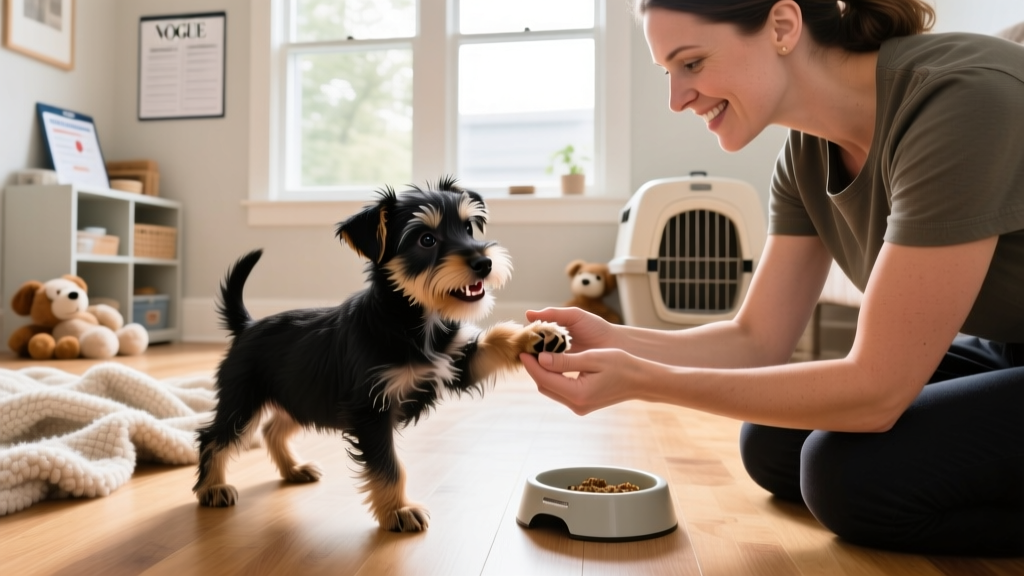
Crate training method: Feed all meals inside the crate with the door open for the first week. Introduce a stuffed Kong or lick mat to create positive association. Never use the crate as punishment. If your puppy whines after being settled, wait 5-10 minutes before responding — immediate release reinforces whining as a door-opening strategy. However, if whining persists beyond 15-20 minutes or escalates to panic (scratching, howling, self-injury), they may need a potty break or the crate may be too stimulating. Adjust accordingly.
Teething Timeline and Relief Strategies
Bernese Mountain Dog puppies begin losing their 28 deciduous (baby) teeth around 12-16 weeks, with all 42 adult teeth typically in place by 6-7 months. The most intense chewing occurs between 3-6 months as adult teeth push through the gums.
Teething Relief Recommendations
- Kong Classic (red, size Medium then Large): Stuff with peanut butter (xylitol-free) and freeze for 2-4 hours. The cold numbs sore gums. Approximately $12-$18.
- Benebone Wishbone or Nylabone Dura Chew: For aggressive chewers. Choose a size rated for dogs 25 lb+ once your puppy reaches that weight. Approximately $14-$20.
- Frozen washcloth: Wet a clean washcloth, twist into a rope, and freeze. Supervise use and discard if threads come loose. Essentially free.
- Whimzees Teenies or Earth Animal No-Hide Chews: Edible options for moderate chewers. Always supervise and choose size-appropriate options to prevent choking.
Common Bernese Mountain Dog Puppy Problems and Solutions
Every breed has its quirks. Bernese Mountain Dog rescue puppies tend to present these specific challenges:
Puppy Biting and Nipping
How do I stop puppy biting? Berners are mouthy dogs — they were bred to pull carts and herd cattle, so using their mouths is instinctive. Between 8-16 weeks, nipping is normal exploratory behavior, not aggression.
- Redirect: When teeth touch skin, say "oops" calmly, withdraw attention for 10-15 seconds, then offer an appropriate chew toy.
- Reverse time-out: You leave the play area (step over a baby gate) rather than putting the puppy in a crate. This teaches that biting ends fun.
- Satisfy the need: Provide 15-20 minutes of structured tug play daily with a rope toy to give them a legitimate outlet for mouth use.
- Expect improvement by 5-6 months as adult teeth come in and impulse control develops. If hard biting persists past 6 months, consult a certified force-free trainer (look for CPDT-KA or KPA-CTP credentials).
Whining and Vocalization
Bernese puppies are generally not excessive barkers, but they do whine — especially during the first two weeks home and during crate training. Distinguish between needs-based whining (potty, hunger, pain) and attention-seeking whining. Address the need if it's physical; ignore and reward silence if it's attention-seeking. If whining is accompanied by lethargy, limping, or appetite loss, contact your veterinarian.
Destructive Chewing
A bored or under-exercised Bernese puppy will chew baseboards, shoes, and furniture. Prevention strategies include rotating chew toys every 3 days to maintain novelty, providing 30-45 minutes of sniffing and exploration daily (mental exercise tires them more than physical exercise at this age), and puppy-proofing rooms by removing tempting items from floor level. Expect chewing to peak at 4-6 months and gradually decline with consistent management.
Jumping and Mouthing Guests
These friendly dogs greet visitors with enthusiasm that can knock over children or elderly guests once they reach 40+ lb. Teach "four on the floor" from week one: reward all four paws on the ground with treats, and have guests turn away and ignore the puppy when jumping occurs. Consistency from every household member and visitor is essential.
First-Year Cost Breakdown for Bernese Mountain Dog Rescue Puppies
Budgeting realistically prevents unpleasant surprises. Large-breed puppies cost significantly more than small breeds due to food volume, medication dosages (heartworm prevention is weight-based), and equipment sizing.
| Expense Category | Low Estimate | Medium Estimate | High Estimate | Details |
|---|---|---|---|---|
| Adoption/Rescue Fee | $250 | $500 | $800 | Breed-specific rescues typically charge $400-$700; includes initial vetting |
| First-Year Veterinary Care | $600 | $1,000 | $1,800 | Wellness exams (3-4), vaccine series, spay/neuter ($300-$600), heartworm test, fecal exams |
| Food (12 months) | $800 | $1,200 | $1,800 | Large-breed puppy formula; $50-$150/month depending on brand and puppy size |
| Heartworm/Flea/Tick Prevention | $200 | $350 | $500 | Weight-based dosing increases cost as puppy grows; Simparica Trio, Interceptor Plus, or similar |
| Supplies (crate, bed, bowls, leash, harness) | $200 | $400 | $700 | Large/XL sizing needed; invest in quality harness (Ruffwear Front Range ~$40) |
| Training Classes | $150 | $350 | $600 | Puppy kindergarten ($150-$250 for 6-8 week session); private sessions if needed |
| Grooming | $0 | $200 | $500 | Berners are not high-maintenance but need regular brushing; professional bath/deshedding 2-4x/year |
| Pet Insurance (optional) | $500 | $700 | $1,000 | $40-$85/month; strongly recommended for Berners due to cancer and orthopedic risk |
| Total First Year | $2,700 | $4,700 | $7,700 | Excludes emergency care; set aside $500-$1,000 emergency fund |
Cost-saving tips: Many rescue organizations include spay/neuter, microchipping, and first vaccinations in the adoption fee. Pet insurance premiums are lowest when enrolled at 8-10 weeks (before any pre-existing conditions are documented). Look for low-cost vaccine clinics through local animal shelters or veterinary schools for booster shots.
When Can My Puppy Go Outside and Meet Other Dogs?
This is one of the most common questions from new Bernese Mountain Dog rescue puppy owners, and the answer requires balancing disease risk with the closing socialization window.
Before full vaccination (before 16 weeks): Your puppy can go outside in your own yard (if no unknown dogs have access), be carried in public spaces, and visit the homes of friends whose dogs are known to be fully vaccinated and healthy. Avoid dog parks, pet store floors, and high-traffic dog areas where parvovirus can survive in soil for months.
After final DHPP booster (typically 16-18 weeks): Your veterinarian will confirm when it's safe for unrestricted outdoor access. This is usually 1-2 weeks after the final puppy vaccine. At this point, supervised playdates with vaccinated dogs, puppy kindergarten classes, and leashed neighborhood walks are appropriate.
Dog parks: Most veterinarians and trainers recommend avoiding dog parks entirely until at least 6 months of age. Dog parks are uncontrolled environments where your puppy may have negative experiences (being bullied, chased, or frightened) that create lasting reactivity — a particular concern for the sensitive Bernese temperament.
Frequently Asked Questions
How often should I feed my Bernese Mountain Dog rescue puppy at 10 weeks?
At 10 weeks, feed 3-4 meals per day, totaling approximately 2-3 cups of large-breed puppy kibble daily. Divide evenly across meals. For example: ¾ cup at 7 AM, ¾ cup at 12 PM, ¾ cup at 5 PM. Adjust based on body condition — if ribs become difficult to feel, reduce by 10%.
My rescue puppy has an unknown vaccination history. What should I do?
Schedule a veterinary exam within 48 hours of adoption. Your vet will likely start a full DHPP series from the beginning (3 doses, 3-4 weeks apart) and administer a rabies vaccine if the puppy is 12+ weeks old. A heartworm antigen test and fecal flotation should also be performed. Total cost for this initial workup is typically $150-$300.
Are Bernese Mountain Dog rescue puppies harder to train than puppies from breeders?
Not necessarily. Berners from breed-specific rescues often come from foster homes where basic training has already begun. The main difference is that rescue puppies may have experienced early stress, inconsistent environments, or delayed socialization that requires extra patience. Work with a certified positive-reinforcement trainer if you encounter persistent behavioral challenges.
Should I get pet insurance for my Bernese Mountain Dog rescue puppy?
Yes, strongly consider it. Bernese Mountain Dogs have a lifespan of only 6-8 years on average and are predisposed to malignant histiocytosis (cancer), hip dysplasia, elbow dysplasia, and cardiac disease. Insurance premiums for an 8-week-old puppy range from $40-$85/month depending on coverage level. Enrolling early ensures no pre-existing condition exclusions. Providers like Trupanion, Healthy Paws, and Fetch offer breed-specific plans.
How much exercise does a Bernese Mountain Dog puppy need daily?
Follow the "5 minutes per month of age" guideline for structured leash walks: a 4-month-old puppy gets about 20 minutes of walking per day, split into two sessions. Free play in a fenced yard does not count toward this limit and should be encouraged. Avoid jogging, biking, or repetitive fetch sessions until growth plates close at 18-24 months. Mental exercise (sniff walks, puzzle toys, training sessions) is equally important and less risky for developing joints.
Raising a Bernese Mountain Dog rescue puppy requires patience, consistency, and a willingness to invest in preventive health care. The payoff — a calm, loyal, deeply bonded companion — makes every sleepless night and chewed slipper worthwhile. Keep your veterinarian's number handy, trust the process, and enjoy the journey.
Dr. Hannah Wickes
All our authors care for dogs every day — read more of their work on the authors page.