Welcoming a Bed of Puppies
Raising a bed of puppies? This complete Labrador Retriever puppy guide covers feeding, potty training, vaccines, milestones, and first-year costs.

From a Bed of Puppies to Your Living Room: What to Expect With a Labrador Retriever Puppy
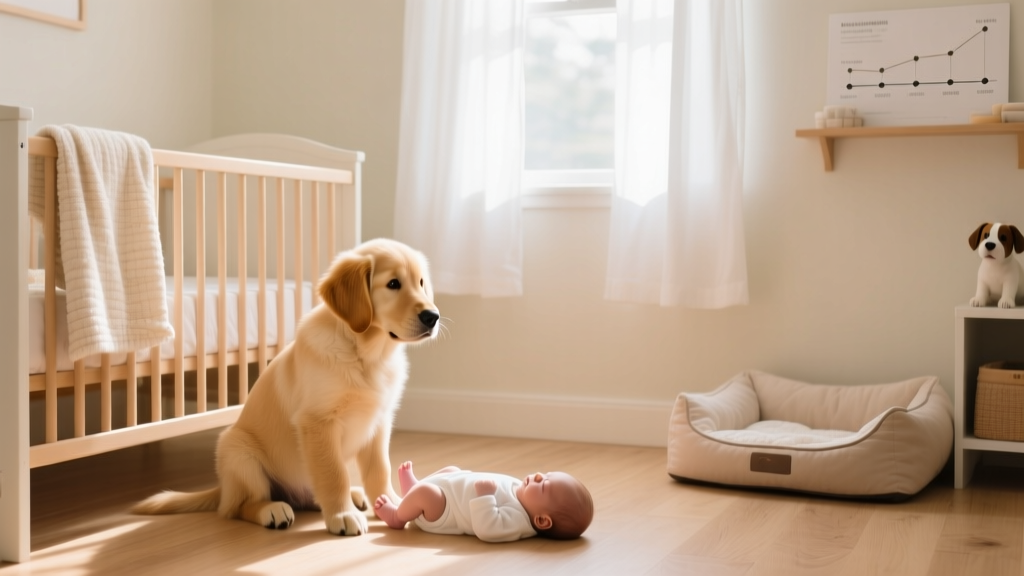
There's nothing quite like peering into a bed of puppies and watching eight-week-old Labrador Retrievers tumble over each other in a wriggling, squeaking pile. Labs are the most popular breed in the United States for good reason — they're intelligent, eager to please, and endlessly affectionate. But bringing one of those puppies home means preparing for a high-energy, mouthy, fast-growing dog that needs structured guidance from day one.
This guide gives you the exact timelines, portions, and milestones you'll encounter during your Lab puppy's first year. Every number here reflects breed-specific reality — Labs mature slower than many breeds, stay in their "puppy brain" phase longer, and are notorious for destructive chewing well past the six-month mark. Plan accordingly.
When Should You Bring Your Labrador Puppy Home?
The American Kennel Club recommends that Labrador Retriever puppies stay with their mother and littermates until at least 8 weeks of age. Many responsible Lab breeders prefer to keep puppies until 9 or 10 weeks, especially during busy seasons when demand creates long waitlists.
Here's why those extra weeks matter: between weeks 6 and 8, puppies learn critical bite inhibition from their siblings. A puppy removed at 6 weeks hasn't had enough littermate feedback to learn that hard bites hurt. Labs are already mouthy dogs — starting with poor bite inhibition makes the first months at home significantly harder.
Ideal pickup window: 8 to 10 weeks. If a breeder offers a puppy at 6 weeks, consider that a red flag.
Labrador Puppy Milestones: Week by Week, Month by Month
Weeks 4–8 (Still With Breeder)
- Deciduous (baby) teeth fully erupted — 28 sharp needles
- Solid food introduced; weaning from mother's milk
- Social hierarchy forming among littermates
- Eyes and ears fully functional; startle responses to loud noises
- Weight at 8 weeks: typically 10–15 lb (4.5–6.8 kg)
Weeks 8–12 (Home Transition)
- Peak fear imprint period (weeks 8–11) — negative experiences can create lasting phobias
- Bladder capacity: approximately 1 hour per month of age (so ~2 hours max at 8 weeks)
- Sleep need: 18–20 hours per day
- Weight gain: roughly 2 lb (0.9 kg) per week
- Expected weight at 12 weeks: 20–25 lb (9–11 kg)
Weeks 12–16 (Foundation Building)
- Second fear period may emerge around 12 weeks
- Can hold bladder for 3–4 hours during the day
- Basic commands (sit, down, name recognition) become reliable with daily practice
- Permanent teeth begin pushing through around week 14–16
- Expected weight at 16 weeks: 35–45 lb (16–20 kg)
Weeks 16–24 (The Testing Phase)
- Teething peaks — chewing intensity at its highest
- "Selective hearing" emerges; previously reliable recall may deteriorate
- Sexual maturity begins (even in neutered dogs, hormonal behaviors can surface)
- Energy output increases dramatically — 45–60 minutes of structured activity daily
- Expected weight at 6 months: 45–55 lb (20–25 kg) for females, 50–65 lb (23–29 kg) for males
Months 6–12 (Adolescence)
- Reaches approximately 75% of adult height by 6 months, 90% by 9 months
- Fills out muscularly between 9–12 months but won't reach full chest width until 18–24 months
- Coat transitions from puppy fuzz to dense, water-resistant double coat
- Expected weight at 12 months: 55–70 lb (25–32 kg) females, 65–80 lb (29–36 kg) males
Feeding Your Labrador Puppy: Exact Portions by Age
Labradors are genetically predisposed to obesity. A 2016 study published in Cell Metabolism found that approximately 23% of Labradors carry a deletion in the POMC gene that disrupts satiety signaling. Translation: your Lab puppy will almost always act hungry, even when they've eaten enough. Measuring food precisely isn't optional — it's essential.
Feed a large-breed puppy formula (AAFCO-certified for growth/large breed) to support controlled bone development and reduce hip dysplasia risk. Target a body condition score (BCS) of 4–5 out of 9 — you should feel ribs without pressing hard, and see a visible waist from above.
| Age | Meals Per Day | Daily Amount (Large-Breed Puppy Kibble) | Calories/Day (Approx.) |
|---|---|---|---|
| 8–12 weeks | 4 meals | 1.5–2 cups total (split into 4) | 400–600 kcal |
| 12–16 weeks | 3 meals | 2–2.5 cups total (split into 3) | 600–800 kcal |
| 4–6 months | 3 meals | 2.5–3.5 cups total (split into 3) | 800–1,100 kcal |
| 6–12 months | 2 meals | 3–4 cups total (split into 2) | 1,100–1,500 kcal |
| 12+ months | 2 meals | 2.5–3.5 cups (adult formula) | 1,000–1,400 kcal |
Transition tip: When switching from puppy to adult food at 12 months, mix 75% puppy / 25% adult for 3 days, then 50/50 for 3 days, then 25% puppy / 75% adult for 3 days. Labs have sensitive stomachs during transitions — rushing causes diarrhea.
Vaccination Schedule for Your Labrador Puppy
The American Veterinary Medical Association outlines core vaccines that every puppy needs. Labrador puppies are no exception, but their active, social nature makes timely vaccination especially important — you'll want them protected before they start meeting other dogs at parks and training classes.
| Age | Vaccine | Type | Estimated Cost |
|---|---|---|---|
| 6–8 weeks | DHPP (Distemper, Hepatitis, Parainfluenza, Parvovirus) — 1st dose | Core | $20–$40 |
| 10–12 weeks | DHPP — 2nd dose; Bordetella (optional but recommended for social puppies) | Core + Lifestyle | $30–$60 |
| 14–16 weeks | DHPP — 3rd (final) dose; Rabies (required by law in most states) | Core | $40–$75 |
| 12–16 months | DHPP booster; Rabies booster (1-year or 3-year depending on local law); Leptospirosis if recommended | Core + Lifestyle | $50–$100 |
When can your puppy go outside and meet other dogs? Until your Lab has received their final DHPP dose at 14–16 weeks (plus a 1-week buffer for immunity to build), avoid public areas where unvaccinated dogs have been — dog parks, pet store floors, and shared apartment lawns. However, controlled socialization in private yards with fully vaccinated, known-healthy dogs is safe and encouraged. The socialization window closes around 14–16 weeks, so you cannot afford to wait.
The Critical Socialization Window: Weeks 3–14
The Merck Veterinary Manual identifies weeks 3 through approximately 14 as the primary socialization period for puppies. During this window, a Labrador puppy's brain is primed to accept new stimuli as normal. After it closes, unfamiliar things trigger fear responses instead of curiosity.
For a breed as social and physically powerful as the Lab, incomplete socialization can mean a 70-pound dog that panics at skateboard wheels or lunges at strangers. This isn't aggression — it's fear, and it's preventable.
Potty Training Your Labrador: Timeline and Realistic Expectations
Labrador Retrievers are generally among the easier breeds to house-train, thanks to their food motivation and eagerness to please. But "easier" doesn't mean fast. Here's the honest timeline:
- 8–12 weeks: Accidents every day are normal. Take puppy outside every 1–2 hours, plus immediately after eating, drinking, waking, or playing.
- 12–16 weeks: Accidents drop to a few per week if you're consistent. Puppy starts signaling (circling, sniffing, whining at door).
- 4–6 months: Mostly reliable with supervision. Occasional accident if routine is disrupted or puppy is left too long.
- 6–9 months: Considered "fully trained" for most Labs. Some males may mark indoors during adolescence — neutering (typically recommended at 6–12 months for large breeds) can reduce this.
When will your puppy be fully potty trained? Realistically, expect reliable house-training between 5 and 7 months of age for most Labrador Retrievers. Some individuals take until 9 months. If accidents persist past 8 months with consistent management, consult your vet to rule out urinary tract infections or anatomical issues.
Sample Potty Training Log (First 2 Weeks Home)
| Time | Location | Result | Reward Given |
|---|---|---|---|
| 6:30 AM | Backyard spot | Pee + poop | 1 training treat + "yes!" marker |
| 8:00 AM | Backyard spot | Pee only | 1 training treat |
| 9:15 AM | Kitchen (accident) | Pee — caught mid-act, carried outside | Finished outside → treat |
| 10:30 AM | Backyard spot | Pee | 1 training treat |
Pro tip: Use an enzymatic cleaner (like Nature's Miracle or Rocco & Roxie) for indoor accidents. Ammonia-based cleaners actually attract dogs back to the same spot. Never punish accidents — your puppy won't connect the punishment with the act, especially if you discover it after the fact.
Crate Training Progression: Time Limits by Age
A crate gives your Lab puppy a safe den and is the single most effective tool for preventing destructive chewing when you can't supervise. But crating too long causes distress, and Labs are vocal about their displeasure.
| Puppy Age | Max Crate Time (Daytime) | Overnight |
|---|---|---|
| 8–10 weeks | 1–2 hours | 3–4 hours (set alarm for potty break) |
| 11–14 weeks | 2–3 hours | 4–5 hours |
| 15–16 weeks | 3–4 hours | 5–6 hours |
| 4–6 months | 4–5 hours | 7–8 hours |
| 6+ months | 5–6 hours max | 8 hours (most sleep through) |
Recommended crate size: A 42-inch wire crate with a divider panel. The divider lets you expand the space as your Lab grows. If the crate is too large, your puppy will use one end as a bathroom. You should be able to see them stand, turn around, and lie down comfortably — nothing more.
Whining protocol: If your puppy whines in the crate, wait for a 3-second pause in the noise before opening the door. Opening during whining teaches them that noise = freedom. Take them straight outside to potty (in case the whining was a legitimate bathroom signal), then return to crate if they didn't eliminate.
Teething Timeline and Relief Strategies (3–6 Months)
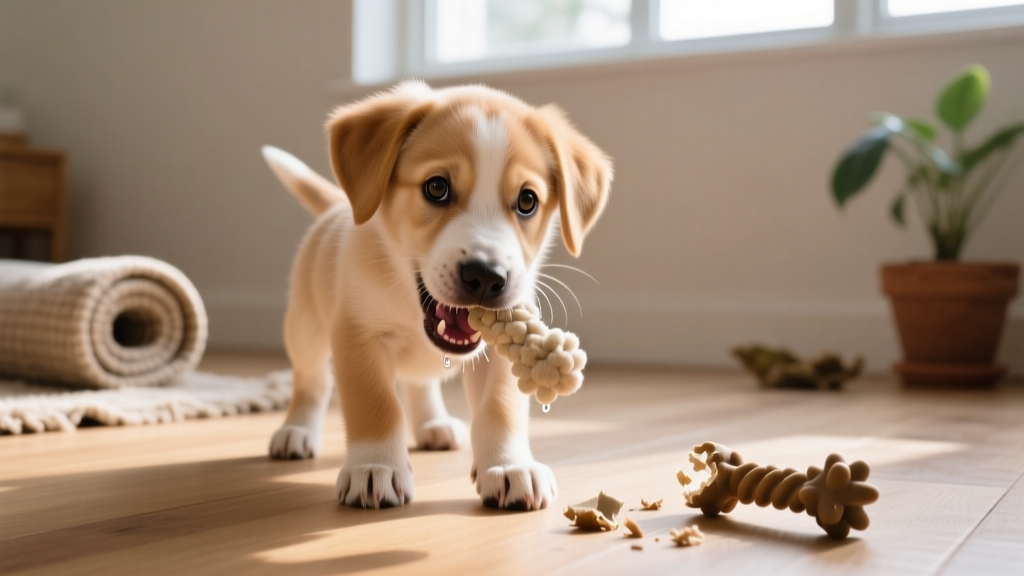
Labrador puppies begin losing their 28 deciduous teeth around 12–16 weeks, with all 42 permanent teeth typically in place by 6–7 months. This is peak destruction season. Your Lab will chew baseboards, shoes, furniture legs, and anything else they can reach.
Safe chew recommendations by stage:
- 12–16 weeks (early teething): Frozen damp washcloths (twist and freeze), rubber KONG Classic (puppy size, filled with softened kibble and frozen), Nylabone Puppy Chew (softer formula)
- 16–24 weeks (peak teething): KONG Extreme (black rubber, standard size), Benebone Wishbone (puppy formula), bully sticks (supervised only — remove when small enough to swallow)
- 24–28 weeks (finishing): Introduce harder chews like antler alternatives (not real antlers — they fracture teeth). Himalayan yak chews are a safer option.
Common Labrador Puppy Problems and Solutions
Problem #1: Biting and Nipping
Lab puppies explore the world with their mouths, and their retriever genetics make them especially oral. Expect mouthing behavior from 8 weeks through approximately 5–6 months.
Solution: Use the "redirect and reward" method. When teeth touch skin, say "oops" in a neutral tone, immediately offer a chew toy, and praise enthusiastically when they bite the toy instead. If nipping intensifies (overtired puppy), enforce a crate nap — most biting spikes are exhaustion signals, not defiance. Never hold the mouth shut, slap the nose, or use physical punishment. These methods damage trust and can increase fear-based biting.
Problem #2: Destructive Chewing
Labs can chew through drywall, baseboards, and furniture well into their second year. This isn't malice — it's a combination of teething discomfort, boredom, and a breed-level drive to carry things in their mouths.
Solution: Manage the environment. Use baby gates to limit access. Provide a rotating selection of 5–7 approved chews (rotation prevents boredom). Ensure your Lab puppy gets 30–60 minutes of physical exercise and 15–20 minutes of mental enrichment (snuffle mats, puzzle feeders, training sessions) daily. A tired Lab puppy is a well-behaved Lab puppy.
Problem #3: Jumping on People
A 60-pound adolescent Lab launching at your guests is not charming. Start addressing this at 8 weeks, when the puppy weighs 12 pounds and it's still cute enough that visitors accidentally reinforce it by petting.
Solution: Teach "four on the floor" — reward all four paws touching the ground with attention and treats. If the puppy jumps, turn your back and become boring (no eye contact, no talking, no touching). The moment all four paws are down, turn and reward. Ask guests to do the same. Consistency across every person the puppy meets is essential.
First-Year Cost Breakdown for a Labrador Retriever Puppy
Budgeting for a Lab puppy means planning for both predictable costs and the near-inevitable emergency. Labs are notorious for eating things they shouldn't — socks, rocks, corn cobs — and gastrointestinal foreign body surgery averages $2,000–$5,000.
| Category | Low Estimate | High Estimate | Notes |
|---|---|---|---|
| Puppy purchase/adoption | $300 (rescue) | $2,500 (AKC breeder) | Reputable breeders health-test parents (OFA hips/elbows, EIC, PRA) |
| Veterinary (vaccines, exams, spay/neuter) | $600 | $1,200 | Spay/neuter for large breed: $300–$600 |
| Food (large-breed puppy formula) | $400 | $700 | Premium brands: $60–$80/bag (30 lb) |
| Supplies (crate, bed, leash, bowls, toys) | $250 | $500 | Labs destroy beds — budget for replacements |
| Training (group classes + private if needed) | $150 | $600 | Puppy kindergarten: $100–$200 for 6-week session |
| Preventive medications (flea/tick, heartworm) | $200 | $400 | Simparica Trio, NexGard, or similar |
| Pet insurance (optional but recommended) | $400 | $700 | $35–$60/month; cheaper when enrolled young |
| Total First Year | $2,300 | $6,600 | Excluding emergency vet visits |
Emergency fund recommendation: Keep $1,000–$2,000 accessible, or enroll in pet insurance before your puppy's first birthday (pre-existing conditions are excluded by all major insurers). Labs are among the breeds most likely to need foreign body removal surgery.
Frequently Asked Questions About Raising a Bed of Labrador Puppies
When should I bring my puppy home from the breeder?
Between 8 and 10 weeks of age. Earlier removal (before 8 weeks) deprives your puppy of critical bite-inhibition learning from littermates. If you're looking at a bed of puppies at 6 weeks old, enjoy the visit but plan to return at 8 weeks minimum.
How often should I feed my 10-week-old Labrador puppy?
Four meals per day, totaling approximately 1.5–2 cups of large-breed puppy kibble. Space meals roughly 4 hours apart during waking hours (e.g., 7 AM, 11 AM, 3 PM, 7 PM). Consistent meal timing also helps predict potty timing.
When will my Labrador puppy be fully potty trained?
Most Labs achieve reliable house-training between 5 and 7 months of age with consistent management. Some individuals, especially males, may take until 9 months. If accidents persist past 8 months, consult your veterinarian to rule out medical causes.
What vaccines does my puppy need and when?
Core vaccines include DHPP at 6–8 weeks, 10–12 weeks, and 14–16 weeks, plus rabies at 14–16 weeks. Lifestyle vaccines (Bordetella, Leptospirosis, Lyme) depend on your area and your dog's activities. Your veterinarian will tailor the schedule to your puppy's risk profile.
How do I stop my Labrador puppy from biting and nipping?
Redirect to an appropriate chew toy every time teeth touch skin. Reward the toy bite with praise. Enforce naps when biting intensifies (overtired puppies bite more). Expect this behavior to gradually diminish between 5 and 7 months as permanent teeth come in and impulse control develops. Use only positive reinforcement methods — never physical punishment.
When can my puppy go outside and meet other dogs?
Your puppy can explore private, controlled environments immediately. Public areas (dog parks, pet stores, shared sidewalks) should wait until 1 week after the final DHPP vaccine at 14–16 weeks — so approximately 15–17 weeks of age. However, supervised play with known, fully vaccinated dogs in private settings is safe and critical during the socialization window (weeks 3–14).
Should I get pet insurance for my Labrador puppy?
Strongly recommended. Labs are predisposed to hip and elbow dysplasia, cruciate ligament tears, and foreign body ingestion — all expensive conditions. Enrolling before any diagnoses means no pre-existing condition exclusions. Expect to pay $35–$60/month for an accident-and-illness policy with $250–$500 deductible.
Robin Maitland
All our authors care for dogs every day — read more of their work on the authors page.