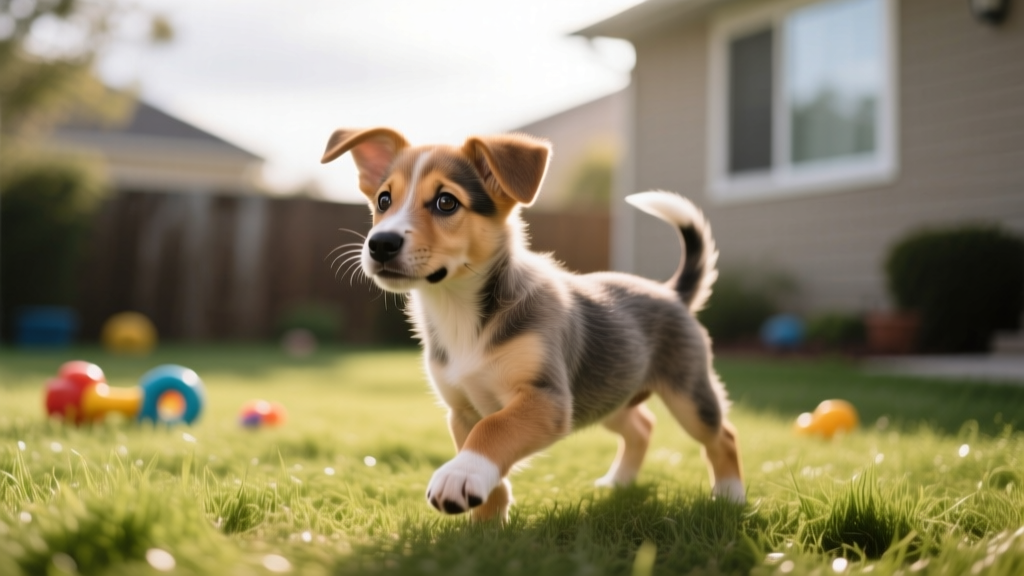
Aussie Sheep Dog Puppy: Week-by-Week Growth & Care Guide
Complete Aussie sheep dog puppy guide covering milestones, feeding schedules, potty training timelines, vaccination weeks, and first-year costs for

Bringing Home Your Aussie Sheep Dog Puppy: What to Expect
The Australian Shepherd — affectionately called the Aussie sheep dog — is a high-drive herding breed that demands a structured, proactive approach from puppyhood. Unlike lower-energy breeds that forgive inconsistent routines, an Aussie sheep dog puppy will test boundaries early, mouth everything in sight, and bond intensely with whoever invests the most time in training. This guide maps out exactly what to expect from week 4 through 12 months, with breed-specific advice drawn from AKC breed standards and veterinary developmental research.
Responsible Australian Shepherd breeders typically release puppies between 8 and 10 weeks of age. Puppies separated before 8 weeks miss critical littermate socialization — bite inhibition, canine body language reading, and confidence building. Some breeders of high-drive herding breeds keep puppies until 10-12 weeks to begin foundation training. If your breeder offers this extended stay, it's generally beneficial, not a red flag.
Age-Specific Milestones: Week 4 Through 12 Months
Feeding Schedule: Exact Portions by Age and Weight
Australian Shepherd puppies need a large-breed or all-life-stages formula with AAFCO certification. Look for minimum 22% protein and 8% fat for growth phases. Avoid overfeeding — Aussies are prone to hip dysplasia, and excess weight accelerates joint stress.
| Age | Meals Per Day | Estimated Weight | Daily Food (cups) | Notes |
|---|---|---|---|---|
| 8-12 weeks | 4 meals | 10-18 lb / 4.5-8 kg | 1 to 1.5 cups | Soften kibble with warm water if teeth are still erupting |
| 3-4 months | 3 meals | 18-28 lb / 8-13 kg | 1.5 to 2 cups | Transition to dry kibble; monitor body condition score |
| 4-6 months | 3 meals | 28-40 lb / 13-18 kg | 2 to 2.75 cups | Growth spurt — appetite may surge then plateau |
| 6-12 months | 2 meals | 35-55 lb / 16-25 kg | 2.25 to 3.5 cups | Females typically 35-50 lb; males 45-65 lb at maturity |
How often should I feed my puppy at each age? Four small meals daily for 8-12 weeks, three meals from 3-6 months, then two meals from 6 months onward. Aussies tend toward food motivation, so measured portions prevent obesity. Use a kitchen scale for accuracy — cup measurements vary by kibble size.
Vaccination Schedule and Safe Socialization
Your Aussie sheep dog puppy needs a series of core vaccines to build immunity before full outdoor access. According to the AVMA vaccination guidelines, the standard protocol follows this timeline:
| Age | Vaccine | Protection Against |
|---|---|---|
| 6-8 weeks | DHPP (1st dose) | Distemper, Hepatitis (Adenovirus), Parainfluenza, Parvovirus |
| 10-12 weeks | DHPP (2nd dose) + Bordetella | Booster + Kennel Cough |
| 14-16 weeks | DHPP (3rd dose) + Rabies | Final puppy booster + Rabies (legally required) |
| 12-16 months | DHPP + Rabies booster | Annual/3-year boosters per vet recommendation |
Full public access (dog parks, pet stores, sidewalks with unknown dog traffic) should wait until 7 days after the 14-16 week DHPP booster — typically around 16-17 weeks of age. However, controlled socialization with fully vaccinated adult dogs in private yards is safe from 8 weeks onward. Carry your puppy in a sling or backpack for neighborhood exposure without ground contact during the vulnerable window.
Critical Socialization Window: Weeks 3-14
The Merck Veterinary Manual identifies weeks 3-14 as the primary socialization period. For Australian Shepherds — a breed prone to reactivity and suspicion of strangers — this window is non-negotiable. Puppies who don't encounter varied stimuli during this period are statistically more likely to develop fear-based aggression.
Socialization Exposure Checklist (complete before 14 weeks):
- Meet 50+ different people (children, elderly, people in hats/uniforms/wheelchairs)
- Experience 10+ floor surfaces (grass, gravel, metal grates, wet pavement)
- Hear 15+ sounds (vacuum, thunder recordings, traffic, doorbells, clapping)
- Handle paws, ears, mouth, and tail daily (grooming prep)
- Ride in car 5+ times to non-vet destinations
- Encounter 3+ other species if possible (cats, horses, livestock — Aussies are herders)
- See umbrellas, bags, bicycles, skateboards at a non-threatening distance
- Practice brief separations (1-5 minutes alone in safe space)
Potty Training Timeline: Realistic Expectations
When will my puppy be fully potty trained? Most Australian Shepherd puppies achieve reliable house training between 4 and 6 months of age, though some males take until 8 months. Aussies are intelligent and pick up routines quickly, but their high energy means they need frequent elimination opportunities.
Bladder capacity rule: A puppy can hold urine for approximately one hour per month of age, plus one. A 3-month-old puppy = ~4 hours maximum. Overnight, sleep reduces metabolism, so expect one middle-of-night potty break until 14-16 weeks.
| Time | Location | Result | Reward Given | Notes |
|---|---|---|---|---|
| 6:30 AM | Backyard spot | Pee + poop | Yes — treat + "go potty!" | First thing after crate |
| 9:00 AM | Backyard spot | Pee only | Yes | After play session |
Track every outing for the first 3 weeks. Accidents drop 70%+ when owners use consistent logs with timed intervals.
Troubleshooting common setbacks:
- Regression at 4-5 months: Normal. Teething discomfort and growth spurts disrupt routines. Return to hourly outings for one week.
- Submissive urination when greeting: Common in Aussies. Ignore puppy for first 2 minutes on arrival, greet at floor level, avoid direct eye contact.
- Nighttime accidents after 4 months: Rule out UTI with vet visit. Reduce water 2 hours before bed. Ensure final potty break is 10:30-11 PM.
Crate Training Progression and Time Limits
Crate training protects your Australian Shepherd puppy from household hazards and accelerates potty training. Aussies adapt well to crates when introduced positively — they're den-oriented dogs. However, this breed's sensitivity means forced crating or punishment-associated crates will create lasting anxiety.
Maximum crate time by age:
- 8-10 weeks: 30-60 minutes during day, 2-3 hours overnight (with one potty break)
- 10-14 weeks: 1-2 hours during day, 4-5 hours overnight
- 3-4 months: 2-3 hours during day, 5-6 hours overnight
- 4-6 months: 3-4 hours during day, 6-8 hours overnight
- 6+ months: 4-6 hours maximum during day (Aussies need activity, not extended confinement)
Use a 36-inch wire crate for a full-grown Aussie (42-inch for large males). During puppyhood, block off the back portion with a divider panel so the sleeping area is just large enough to stand, turn, and lie down. Oversized crates invite potty accidents in the back corner.
Teething Timeline and Relief Strategies
Australian Shepherd puppies begin losing deciduous (baby) teeth around 3.5-4 months, with the process completing by 6-7 months. The incisors go first, followed by canines, then premolars. During peak teething (4-5 months), expect increased chewing, drooling, and occasional blood on toys.
Safe chew recommendations by stage:
- 8-12 weeks (pre-teething): Soft rubber toys (Kong Puppy, West Paw Zogoflex), frozen washcloths twisted into rope shape
- 3-5 months (active teething): Frozen Kong stuffed with plain yogurt, Nylabone Puppy chews (soft formula), Benebone Puppy
- 5-7 months (molars erupting): Bully sticks (supervised), Yak cheese chews, KONG Classic (adult firmness)
Common Aussie Puppy Problems and Solutions
How do I stop puppy biting and nipping?
Australian Shepherds are mouthy herding dogs — nipping is genetic, not misbehavior. Your puppy will mouth hands, ankles, and clothing until approximately 5-6 months. The goal is redirecting, not eliminating, the instinct.
Protocol for nipping:
- When teeth touch skin, say "oops" in a neutral tone and immediately withdraw attention (stand up, turn away) for 10-15 seconds.
- Return and offer an appropriate chew toy. Praise enthusiastically when puppy mouths the toy.
- If nipping continues, implement a 30-second "time-out" in a playpen — not the crate (keep crate positive).
- For ankle-herding behavior during walks, stop moving immediately. Resume walking only when puppy is beside you, not behind you.
- Provide 2-3 structured chewing sessions daily with frozen toys to satisfy oral fixation.
Excessive Whining and Vocalization
Aussies are vocal dogs. Crate whining at night typically resolves within 5-7 nights if you don't reward it by opening the crate. Ensure puppy has eliminated, isn't hungry (last meal 3 hours before bed), and has a comfort item. White noise machines or a ticking clock wrapped in a towel can ease the transition.
Destructive Chewing (Furniture, Shoes)
A bored Aussie puppy will dismantle a room in minutes. Prevention protocol: puppy-proof all accessible areas, provide 5+ approved chew options rotated weekly, and never leave an unsupervised puppy loose. Use bitter apple spray on baseboards as a deterrent, but address the root cause — insufficient mental stimulation. Five minutes of nose work or puzzle toys tires an Aussie more than 20 minutes of physical exercise.
First-Year Cost Breakdown
Budgeting for an Australian Shepherd puppy requires planning for both expected and emergency expenses. Here's a realistic 2026 cost breakdown based on current veterinary pricing and product costs:
| Category | Estimated Cost Range | Details |
|---|---|---|
| Puppy purchase | $800 - $2,500 | AKC-registered from health-tested parents; adoption/rescue: $200-$500 |
| Veterinary (first year) | $600 - $1,200 | Vaccine series, spay/neuter, microchip, fecal tests, heartworm prevention |
| Food (12 months) | $450 - $800 | Quality kibble (Purina Pro Plan, Royal Canin, Orijen range) |
| Supplies | $300 - $600 | Crate, bed, leash/harness, bowls, toys, grooming tools, baby gates |
| Training | $200 - $800 | Puppy class (6-8 weeks), optional private sessions for reactivity |
| Pet insurance | $360 - $720 | $30-60/month; recommended for Aussies (hip dysplasia, epilepsy risk) |
| Emergency fund | $500 - $2,000 | Set aside for foreign body ingestion, injuries, illness |
Total first-year estimate: $3,200 - $8,600 depending on purchase source, insurance choice, and unexpected events. Always consult your veterinarian for personalized health and nutrition plans tailored to your puppy's specific needs.
Frequently Asked Questions
Should I get a male or female Australian Shepherd puppy?
Males (50-65 lb / 23-29 kg) tend to be more physically affectionate and slightly slower to mature. Females (40-55 lb / 18-25 kg) often show earlier independence and may be more reserved with strangers. Both sexes have high energy and herding drive. Temperament varies more by individual lineage than by sex — meet the parents if possible.
When should I start formal training classes?
Enroll in a positive-reinforcement puppy class at 10-12 weeks, after the first DHPP vaccine. Look for classes that require proof of vaccination for all attendees. Avoid trainers who recommend prong collars, shock collars, or "alpha" methods — these damage the trust-sensitive Aussie temperament.
My puppy is terrified of new people. Is this normal?
Some wariness is normal in the breed, but extreme fear (cowering, trembling, refusing treats) during the 8-14 week window requires gentle intervention. Don't force interactions. Let strangers toss treats without making eye contact. If fear persists past 16 weeks, consult a veterinary behaviorist — early intervention prevents lifelong reactivity issues.
How much exercise does an Aussie puppy need daily?
Follow the "5 minutes per month of age, twice daily" rule. A 4-month-old gets 20-minute sessions morning and evening. Focus on free play, sniffing walks, and training games rather than forced running. Structured exercise (jogging, agility jumps) should wait until growth plates close at 12-18 months to protect developing joints.
Tom Renshaw
All our authors care for dogs every day — read more of their work on the authors page.