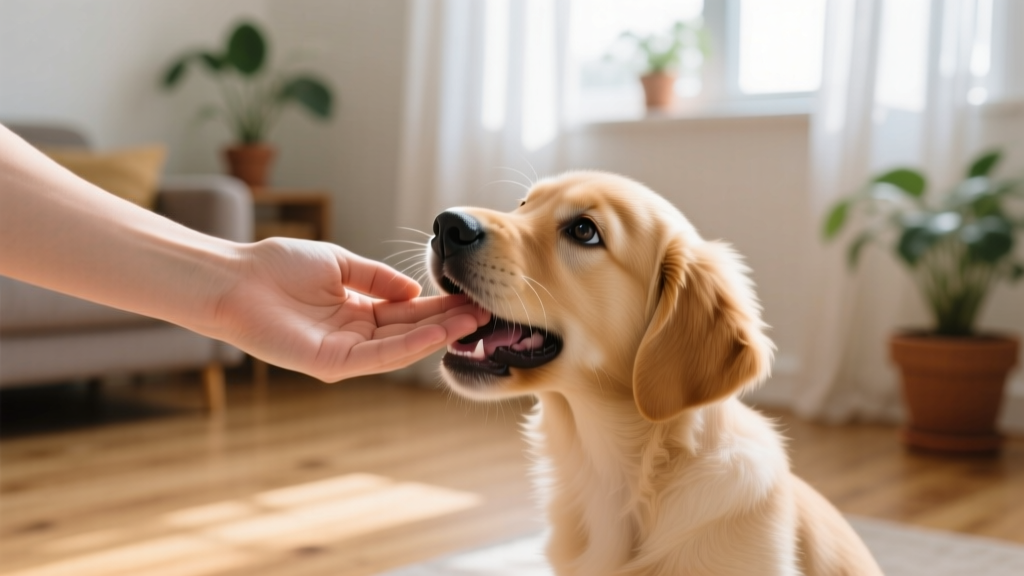
American Staffordshire Terrier Puppy: Week-by-Week Care Guide
Complete American Staffordshire Terrier puppy guide covering milestones, feeding, vaccinations, potty training, socialization, and first-year costs.

Bringing Home Your American Staffordshire Terrier Puppy: What to Expect
The American Staffordshire Terrier — affectionately called the AmStaff — is a muscular, confident, and deeply loyal breed. As puppies, they are stocky bundles of energy with broad heads, rose or half-prick ears, and an eagerness to bond that borders on clingy. Raising an AmStaff puppy well means understanding their specific developmental windows, nutritional needs, and socialization requirements during the critical first year.
This guide covers every stage from the moment you bring your American Staffordshire Terrier puppy home through the end of their first year. We'll give you exact feeding portions, vaccination timelines, crate training limits, and realistic cost expectations — no vague generalities.
When Should You Bring Your American Staffordshire Terrier Puppy Home?
The ideal age to bring an AmStaff puppy home is 8 to 10 weeks. Reputable breeders following AKC guidelines will not release puppies before 8 weeks. Here's why that timeline matters for this breed specifically:
AmStaffs are highly social dogs that form intense bonds. Puppies removed from littermates before 8 weeks miss critical bite-inhibition learning that happens during weeks 5-8 of sibling play. Because AmStaffs have powerful jaws (they're a stocky, muscular breed averaging 40-70 lb / 18-32 kg as adults), learning soft-mouth behavior from littermates is essential.
If you're considering an AmStaff puppy from a rescue or shelter situation where early separation already occurred, plan for extra structured play sessions and professional puppy kindergarten to compensate for missed social learning.
Age-Specific Milestones: What Your AmStaff Puppy Looks Like at Each Stage
AmStaff puppies are born weighing 10-16 oz (280-450 g) and grow rapidly. Here's what to expect at each developmental window:
| Age Range | Weight Range | Key Milestones | What You Should Be Doing |
|---|---|---|---|
| Weeks 4-8 (with breeder) |
2-8 lb / 0.9-3.6 kg | Eyes/ears fully functional; weaning onto solid food; littermate play teaches bite inhibition; fear imprint period begins at week 8 | If you're the breeder: expose to varied surfaces, sounds, gentle handling. Begin name recognition. |
| Weeks 8-12 (home transition) |
8-15 lb / 3.6-6.8 kg | Peak socialization window; first vaccines due; crate training begins; house training starts; teething discomfort begins around week 12 | Structured socialization exposures; consistent potty schedule; short 5-min training sessions; begin handling exercises (paws, ears, mouth) |
| Weeks 12-16 | 15-25 lb / 6.8-11.3 kg | Second fear imprint period (weeks 12-14); vaccine boosters; increased independence; testing boundaries; chewing intensifies | Avoid traumatic experiences during fear periods; reinforce basic cues; rotate chew toys; puppy kindergarten classes |
| Weeks 16-24 | 25-45 lb / 11.3-20.4 kg | Adult teeth erupting (teething peak); rapid growth spurts; increased stamina; sexual maturity approaching | Increase exercise gradually (5 min per month of age rule); discuss spay/neuter timing with vet; advance obedience training |
| 6-12 Months | 40-60 lb / 18.1-27.2 kg (approaching adult weight) | Adolescent testing phase; energy peaks; possible dog-selective behavior emerges; growth plates closing | Structured exercise (not forced running); continued socialization with diverse dogs; advanced training; maintain consistency with rules |
Feeding Your American Staffordshire Terrier Puppy: Portions and Schedule
AmStaff puppies are muscular growers that need high-quality large-breed puppy food to support bone development without excessive weight gain. Overfeeding an AmStaff puppy can stress developing joints and predispose them to hip dysplasia, a condition the breed is already prone to.
Choose a food that meets AAFCO nutritional standards for growth (look for the AAFCO statement on the bag). Large-breed puppy formulas typically contain 26-30% protein and 12-17% fat on a dry-matter basis, with controlled calcium-phosphorus ratios.
| Puppy Age | Estimated Weight | Meals Per Day | Daily Portion (Large-Breed Puppy Kibble) |
|---|---|---|---|
| 8-12 weeks | 8-15 lb / 3.6-6.8 kg | 4 meals | 1 to 1.5 cups total (split into 4 feedings of ~0.25-0.375 cups each) |
| 3-4 months | 15-25 lb / 6.8-11.3 kg | 3 meals | 1.5 to 2.25 cups total (split into 3 feedings of ~0.5-0.75 cups each) |
| 5-6 months | 25-40 lb / 11.3-18.1 kg | 2-3 meals | 2.25 to 3 cups total |
| 7-12 months | 40-60 lb / 18.1-27.2 kg | 2 meals | 2.5 to 3.5 cups total |
How to tell if you're feeding the right amount: You should be able to feel your AmStaff puppy's ribs without pressing hard, but not see them prominently. A visible waist when viewed from above indicates a healthy body condition score (BCS of 4-5 out of 9). Adjust portions up or down by 10-15% based on your puppy's individual metabolism and activity level.
Transition from puppy food to adult food between 12-18 months. AmStaffs mature slower than smaller breeds, and keeping them on puppy food too long can contribute to excess weight.
Vaccination Schedule for Your American Staffordshire Terrier Puppy
AmStaff puppies follow the standard core vaccination protocol, but because they're a popular breed in areas where canine parvovirus is a concern, staying on schedule is critical. Parvovirus is especially devastating in muscular, fast-growing puppies.
| Age | Vaccines Administered | Notes |
|---|---|---|
| 6-8 weeks | DHPP (Distemper, Hepatitis/Adenovirus, Parainfluenza, Parvovirus) — 1st dose | Often given by breeder. Optional: Bordetella if entering group classes early. |
| 10-12 weeks | DHPP — 2nd dose; Bordetella (optional); Leptospirosis (optional, region-dependent) | Still not fully protected. Avoid high-traffic dog areas (dog parks, pet store floors). |
| 14-16 weeks | DHPP — 3rd dose; Rabies (required by law in most US states); Leptospirosis booster if started | Full protection approximately 2 weeks after final DHPP. Safe for broader socialization after vet clearance. |
| 12-16 months | DHPP booster; Rabies booster (1-year or 3-year depending on local law) | After this, DHPP typically moves to every 3 years. Discuss titer testing with your vet as an alternative. |
Estimated vaccine costs (2026 US averages): Individual DHPP shots run $25-$45 each. A full puppy vaccine series (3 DHPP + rabies) typically costs $150-$300 total at a general practice. Low-cost vaccine clinics may offer packages for $75-$150.
The Critical Socialization Window: Weeks 3-14
According to the American Veterinary Medical Association (AVMA), the primary socialization period for puppies closes between 12-14 weeks. For AmStaffs — a breed that can develop dog-selective tendencies as they mature — maximizing this window is arguably the most important thing you'll do in their first year.
The goal is positive, controlled exposure to as many novel stimuli as possible. "Positive" is the key word: a scary experience during this window can create lasting fear responses.
AmStaff Puppy Socialization Checklist
- ☐ Surfaces: Grass, gravel, sand, metal grates, wet pavement, carpet, tile, wobbly boards
- ☐ People: Children (supervised), elderly individuals, people wearing hats/sunglasses/masks, people of different heights and builds, delivery workers
- ☐ Sounds: Vacuum cleaner, thunderstorm recordings (low volume), traffic, doorbells, clapping, power tools (at distance)
- ☐ Handling: Paw touching, ear inspection, mouth opening, nail handling, belly rubs, being lifted, collar/leash pressure
- ☐ Other animals: Friendly, vaccinated adult dogs (1-on-1 initially), cats (if household has them), livestock if accessible
- ☐ Environments: Car rides, outdoor café patios, friend's houses, parking lots, hardware stores (dog-friendly ones), vet waiting rooms (carried if pre-vaccine)
- ☐ Objects: Umbrellas opening, balloons, plastic bags, bicycles, skateboards, wheelchairs, strollers
Pre-vaccine socialization strategy: Before your puppy is fully vaccinated (before 16 weeks), carry them in a sling or backpack for exposures. Set up playdates in private yards with known, fully vaccinated dogs. Enroll in puppy kindergarten classes that require proof of at least one DHPP dose — these controlled environments are generally considered safe and are recommended by veterinary behaviorists.
Potty Training Your American Staffordshire Terrier Puppy: Timeline and Troubleshooting
AmStaff puppies are intelligent and generally eager to please, which works in your favor for house training. However, their muscular build means they have relatively large bladders for their size, and they can sometimes "hold it" longer than you'd expect — which can accidentally teach them to go indoors if you're not consistent.
Realistic Potty Training Timeline
- 8-12 weeks: Accidents are normal and frequent. Expect to take puppy out every 1-2 hours, plus immediately after eating, drinking, waking, and playing. You are building the habit, not expecting reliability.
- 3-4 months: Bladder control improves. Puppy may start signaling (going to the door, whining, circling). Accidents drop to a few per week if you're consistent.
- 4-6 months: Most AmStaff puppies are mostly reliable with a consistent schedule. Occasional accidents still happen, especially during excitement or schedule disruptions.
- 6-9 months: Expect near-full reliability during the day. Some puppies still need one overnight bathroom break until 6-7 months.
- 9-12 months: Fully potty trained in most cases. If accidents persist beyond 8 months, rule out UTIs or other medical causes with your vet before assuming it's a training issue.
- Submissive/excitement urination: Common in AmStaff puppies who are highly people-oriented. Greet calmly, ignore the puppy for the first 30 seconds after coming home, and take them outside immediately.
- Marking behavior (usually males, 6+ months): Neuter timing discussion with your vet may help. Supervise closely indoors; interrupt and redirect outside.
- Regression during adolescence: Normal. Go back to basics — increase outdoor trips, reward heavily for outdoor elimination.
Crate Training Progression and Time Limits
A crate is essential for an AmStaff puppy. These are powerful dogs that can cause significant property damage when bored or anxious, and crate training also provides a safe den they'll seek out voluntarily as they mature.
Crate size: Start with a 36-inch crate (suitable for most adult AmStaffs at 40-70 lb / 18-32 kg) and use a divider panel to limit space to just enough for your puppy to stand, turn around, and lie down. Too much space encourages eliminating in one corner and sleeping in another.
Maximum Crate Time by Age
| Age | Maximum Daytime Crate Duration | Overnight Expectations |
|---|---|---|
| 8-10 weeks | 1-2 hours max | Expect 1-2 overnight wake-ups for potty. Place crate near your bed. |
| 11-14 weeks | 2-3 hours max | 1 overnight wake-up typical. Begin moving crate to permanent location. |
| 3-4 months | 3-4 hours max | May sleep 6-7 hours overnight without a break. |
| 5-6 months | 4-5 hours max | Most can sleep 8 hours overnight. |
| 7-12 months | 5-6 hours max (with exercise before/after) | Full overnight sleep is standard. |
Important: No puppy or adolescent dog should be crated for 8+ hours during the day. If you work full-time, arrange a midday dog walker or come home during lunch. AmStaffs left crated too long often develop anxiety, destructiveness, or excessive vocalization — not because they're a "difficult" breed, but because any young dog will deteriorate under those conditions.
Teething Timeline and Relief Strategies (3-6 Months)
AmStaff puppies are powerful chewers even before their adult teeth come in. The teething process follows this pattern:
- 3-4 months: Baby teeth begin loosening. You may find small teeth in bedding or toys (many puppies swallow them — this is harmless).
- 4-5 months: Peak teething discomfort. Adult incisors and canines erupt. Chewing behavior intensifies significantly.
- 5-6 months: Premolars and molars erupt. By 6-7 months, all 42 adult teeth should be in place. If baby teeth haven't fallen out (retained deciduous teeth), your vet should extract them — this is more common in smaller breeds but can occur in AmStaffs.
Safe Chew Recommendations for AmStaff Puppies
AmStaffs are power chewers. Avoid soft rubber toys that can be torn apart and swallowed. Instead, opt for:
- Kong Classic (red or black, size Medium for puppies): Stuff with peanut butter (xylitol-free) and freeze. Provides 15-30 minutes of engagement.
- Nylabone Power Chew (Dinosaur or T-Rex shape, Puppy formula): Designed for aggressive chewers. Replace when it gets small enough to swallow.
- Benebone Wishbone (Puppy formula): The angled shape allows AmStaffs to grip with their strong paws.
- Frozen washcloths: Wet a clean washcloth, twist into a rope, freeze. Supervise use — remove when threads start coming loose.
- Bully sticks (6-inch, thin): Supervise always. Remove when small enough to choke on. Limit to 1-2 per week due to calorie density (~75-100 calories each).
Common American Staffordshire Terrier Puppy Problems and Solutions
AmStaff puppies share some behavioral traits that catch new owners off guard. Here are the most common issues and evidence-based solutions using positive reinforcement methods:
Puppy Biting and Nipping
AmStaff puppies explore the world with their mouths, and their strong jaws make even playful nips painful. This is the number one complaint from new AmStaff owners.
What works:
- Redirect to an appropriate chew toy every time teeth touch skin. Say "oops" in a neutral tone, withdraw attention for 5-10 seconds, then offer the toy.
- Use the "yelp and freeze" technique: when bitten too hard, let out a high-pitched yelp and go limp. Most puppies will back off, mimicking littermate behavior.
- Ensure adequate exercise and mental stimulation. An under-exercised AmStaff puppy bites more. At 3-4 months, aim for 15-20 minutes of structured activity twice daily plus free play.
- End play sessions before the puppy gets overstimulated. Watch for escalating intensity — frantic energy, dilated pupils, harder bites — and initiate a calm-down period in the crate with a frozen Kong.
Destructive Chewing
AmStaffs have powerful jaws and a natural inclination to chew. Adolescent AmStaffs (6-12 months) can destroy furniture, baseboards, and shoes if left unsupervised.
Management strategy: Puppy-proof your home before bringing them home. Use baby gates to limit access. Provide a rotation of 5-7 approved chew toys (rotate every 2-3 days to maintain novelty). Never leave an adolescent AmStaff unsupervised in an un-puppy-proofed room until they've demonstrated reliability — typically around 12-18 months.
Whining and Crying in the Crate
AmStaffs bond intensely and can develop separation-related distress early. Crate whining is common in the first 2-3 weeks home.
Protocol:
- Make the crate a positive space: feed meals inside, toss treats in, provide a special crate-only toy.
- Practice short absences during the day (5 min, 10 min, 20 min) before expecting overnight success.
- If puppy whines after being settled for 30+ minutes, they likely need to potty. Take them out calmly, no play, then back in the crate.
- If whining is attention-seeking (puppy stops when you approach, starts again when you leave), wait for 3-5 seconds of silence before opening the crate. This teaches that quiet earns freedom.
First-Year Cost Breakdown for an American Staffordshire Terrier Puppy
Budgeting accurately helps avoid the financial stress that leads to pet surrenders. Here's a realistic first-year cost breakdown based on 2026 US averages:
| Category | Low Estimate | Medium Estimate | High Estimate | Details |
|---|---|---|---|---|
| Puppy purchase/adoption | $200 (rescue) | $1,500 (responsible breeder) | $3,000+ (show-line breeder) | Responsible breeders health-test parents (OFA hips, cardiac, thyroid) |
| Veterinary care (first year) | $400 | $800 | $1,500+ | Vaccines, spay/neuter ($300-$700), heartworm prevention, fecal tests, wellness exams |
| Food | $350 | $550 | $900 | Large-breed puppy formula; premium brands cost more. ~$40-$75/month |
| Supplies | $200 | $400 | $700 | Crate ($60-$120), bed, leash/harness, bowls, toys, baby gates, grooming tools |
| Training | $0 (self-study) | $300 | $800+ | Puppy kindergarten ($150-$250/6-week session), private sessions ($75-$150/hour) |
| Pet insurance | $360/year | $600/year | $960/year | $30-$80/month; enroll early before conditions become pre-existing |
| Emergency fund | $0 | $500 | $2,000+ | Puppies eat foreign objects, tear ligaments, develop infections. Set aside savings. |
| TOTAL FIRST YEAR | $1,510 | $4,650 | $9,860+ |
These costs do not include dog walking, daycare, boarding, or major medical emergencies (a single GDV/bloat surgery can cost $3,000-$7,000, though this is more common in older, deep-chested dogs).
When Can Your AmStaff Puppy Go Outside and Meet Other Dogs?
This is one of the most common questions from new AmStaff owners, and the answer balances disease risk against the closing socialization window:
Safe from birth to 10 weeks: Your own private yard (if no unknown dogs have access), carried in a sling or backpack for environmental exposure, and controlled playdates in private homes with fully vaccinated, known-healthy dogs.
Safer after first DHPP (6-8 weeks) + 5-7 days: Structured puppy kindergarten classes in sanitized facilities that require proof of vaccination. The Merck Veterinary Manual notes that the risk of behavioral problems from inadequate socialization often outweighs the disease risk in controlled settings.
Fully safe after final DHPP at 14-16 weeks + 2 weeks: Dog parks, group hikes, pet-friendly stores, grooming salons, and any public area where unknown dogs have been. This is typically around 18 weeks of age.
Between the first and last vaccines, the strategy is controlled exposure — not isolation. An isolated AmStaff puppy misses their socialization window and is at higher risk for fear-based reactivity, which is much harder to fix than parvovirus is to prevent with vaccines.
Frequently Asked Questions
How often should I feed my American Staffordshire Terrier puppy at each age?
At 8-12 weeks, feed 4 meals per day. At 3-4 months, reduce to 3 meals. At 5-6 months, transition to 2-3 meals. From 7 months onward, feed 2 meals per day. Split the daily portion equally among meals. Always feed measured portions rather than free-feeding — AmStaffs are food-motivated and prone to overeating.
When will my American Staffordshire Terrier puppy be fully potty trained?
Most AmStaff puppies achieve reliable house training between 5-8 months with consistent scheduling. Some may take up to 12 months for complete reliability, especially males who begin marking behavior during adolescence. If your puppy is still having frequent accidents after 8 months, schedule a vet visit to rule out urinary tract infections or anatomical issues.
How do I stop my AmStaff puppy from biting and nipping?
Use a three-part approach: (1) redirect every bite to an appropriate chew toy, (2) withdraw attention for 5-10 seconds when teeth touch skin, and (3) ensure your puppy gets adequate physical exercise and mental enrichment to reduce overstimulation. Biting typically peaks between 3-5 months during teething and gradually decreases. If biting intensifies or seems aggressive (stiff body, growling, hard sustained bites) rather than playful, consult a certified positive-reinforcement trainer or veterinary behaviorist.
Should I spay or neuter my American Staffordshire Terrier puppy, and when?
Current veterinary research suggests waiting until growth plates close for large/muscular breeds. For AmStaffs, this typically means spaying/neutering between 12-18 months rather than the traditional 6 months. Early alteration (before 6 months) has been associated with increased risk of certain orthopedic conditions in some breeds. Discuss timing with your veterinarian, who can evaluate your individual puppy's growth trajectory and your household situation.
What health issues should I watch for in my AmStaff puppy?
Key breed-specific concerns include hip dysplasia (ask your breeder for OFA hip scores on both parents), skin allergies and demodectic mange (common in the breed — watch for hairless patches), cerebellar ataxia (a genetic neurological condition — responsible breeders test for this), and cardiac conditions. Maintain regular wellness exams so your vet can catch issues early.
Are American Staffordshire Terriers good with children?
Well-socialized AmStaffs are typically excellent with children — they're sturdy enough to handle clumsy toddler interactions and tend to be patient and affectionate. However, no dog of any breed should be left unsupervised with young children. Teach children to respect the puppy's crate, not disturb them while eating, and recognize signs of stress (lip licking, whale eye, turning away).
Jonas Cole
All our authors care for dogs every day — read more of their work on the authors page.