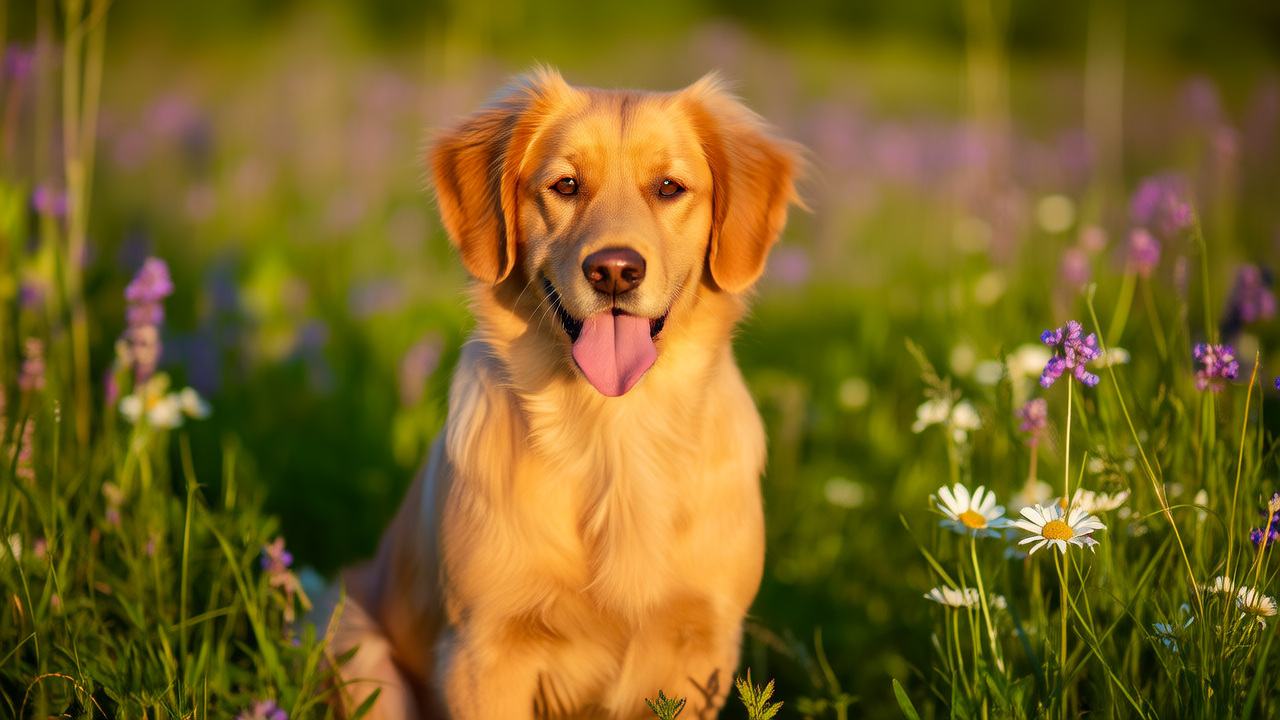
American Labrador Retriever Puppies: Complete Care Guide for New Owners
Everything you need to raise American Labrador Retriever puppies — feeding schedules, potty training timelines, vaccination plans, and first-year costs.

American Labrador Retriever puppies are among the most popular dogs in the United States for good reason: they're outgoing, trainable, and built for active families. But the "American" (or field-bred) Lab differs meaningfully from its English counterpart — leaner, higher-energy, and often more driven. That distinction shapes everything from how much you feed to how intensely you need to socialize during the critical early weeks.
This guide walks you through the first year with your American Lab puppy, week by week, with concrete numbers, realistic timelines, and breed-specific troubleshooting. Whether you've just committed to a litter or you're preparing for pickup day, here's what you actually need to know.
When to Bring Your American Labrador Retriever Puppy Home
The AKC recommends that puppies stay with their littermates and dam until at least 8 weeks of age. For American Lab puppies — a line bred for drive and stamina — many reputable breeders prefer holding pups until 8.5 to 9 weeks. The extra days with littermates teach bite inhibition and canine social cues that no human can replicate.
What to look for at pickup (8 weeks):
- Puppy should be fully weaned and eating kibble independently
- First deworming (pyrantel pamoate) completed at 2, 4, and 6 weeks
- First DHPP vaccine administered at 6-8 weeks
- Weight typically 10-15 lb (4.5-6.8 kg) for American-line Labs
- Breeder should provide health records, pedigree papers, and a written contract with a take-back clause
Week-by-Week Milestone Timeline
American Lab puppies develop fast. Their field-bred lineage means they hit physical milestones slightly earlier than English lines, but their impulse control often lags behind their athleticism. Here's what to expect:
| Age Range | Weight (Approx.) | Key Milestones | What You Should Be Doing |
|---|---|---|---|
| 4-8 weeks (with breeder) | 5-15 lb / 2.3-6.8 kg | Eyes/ears fully functional, litter play, first teeth emerge, weaning begins | Visit at least once; observe temperament; ask breeder about early neurological stimulation (ENS) |
| 8-12 weeks | 15-25 lb / 6.8-11.3 kg | Critical socialization window opens, rapid bonding, fear periods possible at 8-10 weeks | Begin crate training, start potty routine, expose to 10+ new surfaces/sounds/people per week |
| 12-16 weeks | 25-35 lb / 11.3-15.9 kg | Second fear period may hit around 12 weeks, baby teeth loosening, attention span lengthens | Enroll in puppy kindergarten class, practice recall daily, begin leash walking |
| 16-24 weeks | 35-50 lb / 15.9-22.7 kg | Adult teeth erupting, chewing peaks, sexual maturity approaching | Introduce structured fetch/retrieve games, increase exercise to 25-30 min walks, spay/neuter discussion with vet |
| 6-12 months | 50-70 lb / 22.7-31.8 kg | Adolescent energy surge, testing boundaries, growth plates still open | Advanced obedience, introduce swimming (Labs love water), avoid forced running until 12-15 months |
American-line Labs tend to mature into their full height by 12-14 months but continue filling out in chest and muscle until 24-30 months. Adult males typically reach 65-80 lb (29-36 kg) and 22.5-24.5 inches at the shoulder; females 55-70 lb (25-32 kg) and 21.5-23.5 inches, per the AKC breed standard.
Feeding Schedule: Portions, Frequency, and Food Selection
Labrador Retrievers are notoriously food-motivated and prone to obesity. The Merck Veterinary Manual notes that Labs carry a higher genetic predisposition to overeating due to a POMC gene variant found in approximately 23% of the breed. This means measured feeding isn't optional — it's essential from day one.
| Puppy Age | Meals Per Day | Daily Portion (Large-Breed Puppy Kibble) | Notes |
|---|---|---|---|
| 8-12 weeks | 3-4 | 1.5-2.25 cups total (split across meals) | Soak kibble in warm water for first week if transitioning |
| 12-16 weeks | 3 | 2-3 cups total | Begin phasing out midday snack meal by week 16 |
| 16-24 weeks | 2-3 | 2.5-3.5 cups total | Transition to 2 meals/day around 20 weeks |
| 6-9 months | 2 | 3-4 cups total | Monitor body condition score; adjust ±0.5 cup based on BCS |
| 9-12 months | 2 | 3-4.5 cups total | Begin gradual transition to adult food at 11-12 months |
Food selection criteria: Choose a kibble with an AAFCO statement for "growth" or "all life stages" that specifies large-breed puppy formulation. Look for calcium content between 1.0-1.5% on a dry matter basis — excessive calcium accelerates growth plate issues and raises hip dysplasia risk. Recommended brands with strong feeding trial data include Purina Pro Plan Large Breed Puppy, Royal Canin Labrador Retriever Puppy, and Hill's Science Diet Large Breed Puppy.
How often should I feed my puppy at each age? Three to four meals daily until 12 weeks, three meals until 16-20 weeks, then twice daily for life. Never free-feed a Lab puppy — their appetite drive makes this a fast track to obesity and orthopedic problems.
Potty Training Timeline: Realistic Expectations for Lab Puppies
American Lab puppies are intelligent and food-motivated, which makes them faster to potty train than many breeds — but "fast" still means weeks, not days. A realistic timeline:
- 8-10 weeks: Accidents every 1-2 hours. Take puppy out after every meal, nap, play session, and crate release. Expect 1-3 accidents per day.
- 10-14 weeks: Bladder control improving. Puppy should signal (sniffing, circling, whining at door) before needing to go. Accidents drop to 3-5 per week if you're consistent.
- 14-20 weeks: Most Lab puppies are "mostly trained" — meaning fewer than 1 accident per week. Nighttime holding reaches 5-6 hours.
- 20-28 weeks: Fully reliable for most puppies. Occasional regression can happen during fear periods or environmental changes.
When will my puppy be fully potty trained? Most American Lab puppies reach reliable house training between 4-6 months of age, with some achieving consistency as early as 16 weeks under strict supervision. Small accidents may continue sporadically until 8-9 months.
Potty training troubleshooting for Lab-specific issues:
- Submissive/excitement urination: Very common in Labs under 6 months. Greet your puppy calmly, crouch sideways rather than looming over them, and take them outside immediately upon your arrival home. Do not punish — this worsens the behavior.
- Counter-surfing water bowls → indoor puddles: Labs drink enthusiastically. Place water bowls on mats and pick up the bowl 2 hours before bedtime to reduce overnight accidents.
- Rain aversion: Some Lab lines dislike wet weather. Use a covered potty area or a puppy raincoat during the training period.
Socialization Window: Weeks 3-14 Checklist
The primary socialization period for puppies closes around 12-14 weeks of age, according to the AVMA's canine socialization guidelines. For American Lab puppies — bred for boldness and environmental stability — this window is your chance to build the confident, steady dog the breed is known for. Miss it, and you risk the reactivity and hyper-excitability that plagues poorly socialized field-line Labs.
Weeks 3-7 (with breeder):
- Handled daily by multiple people (different ages, genders, skin tones)
- Exposed to household sounds: vacuum, doorbell, TV, clapping
- Early neurological stimulation (ENS) exercises if breeder follows Puppy Culture or Avidog protocols
- Introduction to varied textures: grass, gravel, tile, carpet, wobble boards
Weeks 8-14 (with you):
- Meet 50-100 new people before 14 weeks — children, elderly, people in hats/sunglasses/uniforms, people using mobility aids
- Visit 10+ environments: parking lots, parks (carried, not on ground until vaccinated), pet-friendly stores, friend's houses, car rides
- Hear 15+ novel sounds at low volume: thunderstorm recordings, fireworks audio, construction noise, sirens, doorbells
- See and smell other species at safe distances: cats, horses, chickens, livestock (Labs with high prey drive need early neutral exposure)
- Experience grooming tools: nail clippers touching paws (no cuts yet), brush on coat, ear cleaner scent, toothbrush in mouth
- Practice brief separations: 5-15 minutes alone in crate while you're in another room, building up to 30 minutes
Vaccination Schedule and Preventive Health
Your American Lab puppy's vaccination timeline follows the standard core protocol, but large-breed puppies benefit from a slightly extended schedule to ensure maternal antibodies have fully waned before the final booster.
| Age | Vaccines Administered | Additional Preventives | Estimated Vet Cost |
|---|---|---|---|
| 6-8 weeks | DHPP (Distemper, Hepatitis/Adenovirus, Parainfluenza, Parvovirus) — 1st dose | Deworming (pyrantel pamoate), fecal float | $75-$120 |
| 10-12 weeks | DHPP — 2nd dose; Bordetella (intranasal or injectable) | Heartworm preventive starts (e.g., Heartgard Plus, Interceptor Plus), flea/tick preventive (e.g., Simparica Trio, Bravecto) | $90-$150 |
| 14-16 weeks | DHPP — 3rd dose; Rabies (required by law in all US states) | Continue monthly heartworm + flea/tick, second deworming if fecal positive | $100-$175 |
| 12-16 months | DHPP booster, Rabies booster (1-year or 3-year depending on product), Bordetella annual | Annual heartworm test, Lyme vaccine if in endemic area | $150-$250 |
What vaccines does my puppy need and when? The core vaccines are DHPP (given at 6-8, 10-12, and 14-16 weeks) and Rabies (at 14-16 weeks). Bordetella is strongly recommended for any puppy attending group classes or daycare. Leptospirosis and Lyme vaccines are lifestyle-dependent — discuss with your veterinarian based on your region and outdoor exposure.
When can my puppy go outside and meet other dogs? Your puppy can explore your own yard immediately (assuming no unknown dogs have access). Public areas with unknown dog traffic — parks, trails, pet stores — should wait until 7 days after the final DHPP booster at 16 weeks, meaning approximately 17 weeks of age. Controlled puppy classes with vaccinated peers can begin after the first DHPP at 8-10 weeks, per AVMA position statements.
Teething Timeline and Safe Chew Strategies
Lab puppies are powerful chewers. Their field-bred jaw strength means they'll destroy soft toys faster than most breeds, and their oral fixation — Labs explore the world with their mouths — makes teething management critical.
- 3-4 weeks: Deciduous (baby) teeth fully erupted — 28 teeth total
- 12-16 weeks: Baby teeth begin loosening; you may find small teeth in bedding or notice mild gum bleeding
- 16-20 weeks: Adult incisors and canines push through; chewing intensity peaks
- 20-28 weeks (5-7 months): Adult premolars and molars erupt; all 42 adult teeth typically in place by 7 months
Safe chew recommendations by age:
- 8-16 weeks: Frozen washcloth twisted into a rope, Kong Classic (puppy size, black rubber) stuffed with soaked kibble and frozen, Nylabone Puppy Chew (softer formula)
- 16-28 weeks: Kong Classic (medium, red rubber), Benebone Wishbone (medium), bully sticks (supervised, 6-inch max, remove when under 3 inches to prevent choking), frozen carrot sticks
- 6-12 months: Kong Extreme (black rubber), GoughNuts Maxx 50, West Paw Zogoflex Hurley
Crate Training Progression and Time Limits
Crate training is non-negotiable for Lab puppies. Their combination of curiosity, oral fixation, and athleticism means an unsupervised Lab puppy will dismantle furniture, eat dangerous objects, and potentially injure itself within minutes.
| Puppy Age | Max Daytime Crate Time | Max Nighttime Crate Time | Crate Size |
|---|---|---|---|
| 8-10 weeks | 1-2 hours | 3-4 hours (expect 1 potty break) | 36-inch crate with divider panel |
| 10-14 weeks | 2-3 hours | 4-5 hours | 36-inch with divider, expand gradually |
| 14-20 weeks | 3-4 hours | 5-7 hours | Remove divider as puppy grows |
| 5-8 months | 4-5 hours | 7-8 hours | Full 36-inch or upgrade to 42-inch for large males |
| 8-12 months | 5-6 hours | 8 hours | 42-inch crate for adult males (36-inch for smaller females) |
Progression tips specific to Labs:
- Feed all meals inside the crate with the door open for the first 2 weeks — Labs are food-driven, and this creates a strong positive association.
- Use a Kong stuffed with frozen peanut butter (xylitol-free) or wet food as a "crate only" enrichment item.
- Never use the crate as punishment. American Labs are sensitive to negative associations and may develop crate aversion that's difficult to reverse.
- Expect whining for the first 5-10 nights. Differentiate between attention-seeking whining (wait it out, reward silence) and potty-need whining (immediate trip outside, then back to crate with no play).
Common Puppy Problems and Breed-Specific Solutions
Puppy biting and nipping
American Lab puppies use their mouths constantly — it's a breed trait rooted in their retrieving heritage. Nipping at hands, ankles, and clothing is normal but must be managed early.
- Redirect every bite to an appropriate chew toy. Say "ouch" in a calm voice and withdraw attention for 10-15 seconds if teeth touch skin.
- Provide 5-10 minutes of structured fetch or tug (with rules: "drop it" on cue) before high-energy periods to give the mouth a job.
- Never hold the puppy's mouth shut, scruff, or use physical corrections — these damage trust and can trigger defensive biting. Use only positive reinforcement and redirection.
How do I stop puppy biting and nipping? Consistency is the answer. Every family member must follow the same protocol: redirect to toy, reward gentle play, time out (briefly leave the room) if biting continues. Most Lab puppies show significant improvement by 16-20 weeks as adult teeth come in and impulse control develops. If biting intensifies after 5 months, consult a certified force-free trainer (look for CPDT-KA or IAABC credentials).
Destructive chewing
Lab puppies will chew baseboards, shoes, remote controls, and drywall if left unsupervised. This peaks between 4-7 months during teething and adolescent energy surges. Management is the solution: crate or puppy-proofed pen when unsupervised, rotate 4-5 appropriate chews to maintain novelty, and ensure 30-45 minutes of physical exercise plus 15 minutes of mental enrichment (snuffle mats, training sessions, food puzzles) daily.
Whining and vocalization
American Labs are generally less vocal than some breeds, but puppies whine during crate training, when separated, and when bored. Rule out potty needs first, then ignore attention-seeking vocalization and reward quiet behavior with treats and praise. Never yell at a whining puppy — they interpret volume as you "joining in."
Jumping on people
Labs greet enthusiastically and will launch themselves at visitors from puppyhood. Teach "four on the floor" early: reward all four paws on the ground with treats, turn away and cross your arms when the puppy jumps, and ask visitors to ignore the puppy until calm. This habit is much harder to break in a 70-lb adolescent than in a 15-lb puppy.
First-Year Cost Breakdown
Budgeting realistically prevents surprises. These ranges reflect 2025-2026 US pricing from veterinary clinics, pet supply retailers, and training facilities:
| Category | Low Estimate | Mid Estimate | High Estimate | Notes |
|---|---|---|---|---|
| Puppy purchase (responsible breeder) | $1,200 | $1,800 | $3,000 | Field-line American Labs from health-tested parents (OFA hips/elbows, EIC, CNM clear) |
| Adoption (rescue/shelter) | $200 | $400 | $600 | Often includes first vaccines and spay/neuter |
| Veterinary care (first year) | $600 | $1,000 | $1,800 | Vaccines, spay/neuter ($300-$600), fecal tests, heartworm test at 12 months |
| Food (12 months) | $480 | $720 | $1,100 | Large-breed puppy kibble ($50-$90/bag, 25-30 lb bags) |
| Preventives (heartworm, flea/tick) | $200 | $350 | $500 | Monthly products like Simparica Trio or Interceptor Plus |
| Supplies (crate, bed, bowls, leash, collar, toys, chews) | $250 | $400 | $700 | Quality crate ($80-$150), orthopedic bed ($60-$120), initial toy rotation |
| Training (puppy class + basic obedience) | $150 | $300 | $600 | Group classes ($150-$250/6-week session); private sessions $75-$150/hour |
| Pet insurance (optional but recommended) | $360 | $540 | $840 | $30-$70/month for accident+illness; enroll before first vet visit for pre-existing condition coverage |
| Total first year (purchased puppy) | $3,240 | $5,110 | $8,540 |
Money-saving tips that don't compromise health: Buy kibble in 30-lb bags from Chewy or Costco (same product, lower per-pound cost). Use a pet insurance wellness plan add-on only if you'll use all the included services — otherwise, pay out of pocket for routine care and keep insurance for emergencies. Spay/neuter at a low-cost clinic (ASPCA or local SPCA-affiliated) can save $200-$400.
Frequently Asked Questions
How much exercise does an American Lab puppy need daily?
Follow the "5 minutes per month of age" guideline for structured walks: a 4-month-old gets roughly 20 minutes of walking per day, split into two sessions. Free play (fetch, swimming, yard exploration) can supplement this. Avoid forced running on hard surfaces until growth plates close around 14-18 months to reduce hip and elbow dysplasia risk. American Labs need more mental stimulation than physical exhaustion — a 15-minute training session tires them out more than a 30-minute walk.
Should I choose an American or English Lab puppy?
American (field-bred) Labs are leaner, more energetic, and higher-drive — ideal for hiking, hunting, agility, and very active households. English (show-bred or "bench") Labs are stockier, calmer, and more suited to apartment living or families wanting a lower-key companion. Both are the same AKC-recognized breed; the difference is breeding selection, not a formal variety.
When should I spay or neuter my Lab puppy?
Current veterinary research recommends delaying spay/neuter for large breeds until 12-18 months of age. Early alteration (before 6 months) is associated with increased rates of hip dysplasia, cranial cruciate ligament tears, and certain cancers in Labrador Retrievers, according to studies cited in the AVMA's spay/neuter resources. Discuss timing with your veterinarian based on your individual dog's development and lifestyle.
Are American Lab puppies good with children?
Yes — Labs consistently rank among the best breeds for families with children. However, Lab puppies are boisterous and mouthy, which can overwhelm toddlers. Supervise all interactions, teach children not to pull ears or tails, and give the puppy a crate retreat. The puppy should never be left unsupervised with children under 8 years old.
What health tests should the breeder have done on the parents?
Responsible American Lab breeders perform OFA (Orthopedic Foundation for Animals) evaluations for hip and elbow dysplasia, CERF/OFA eye exams, and genetic testing for Exercise-Induced Collapse (EIC), Centronuclear Myopathy (CNM), and Progressive Retinal Atrophy (PRA). Ask for documentation — not just verbal assurances. These tests significantly reduce the risk of heritable conditions that are prevalent in the breed.
My Lab puppy eats everything off the ground. Is this normal?
Completely normal for the breed, but dangerous. Labs are notorious counter-surfers and scavengers. Teach "leave it" and "drop it" from week one using high-value treat trades. Puppy-proof your home at counter height and below. Keep a pet first aid kit accessible and save ASPCA Animal Poison Control at (888) 426-4435 in your phone — Labs are the breed most frequently reported to poison control hotlines for dietary indiscretion.
This guide is for informational purposes and does not replace professional veterinary advice. Always consult your veterinarian for decisions about your puppy's health, nutrition, and preventive care.
Beth Carrasco
All our authors care for dogs every day — read more of their work on the authors page.