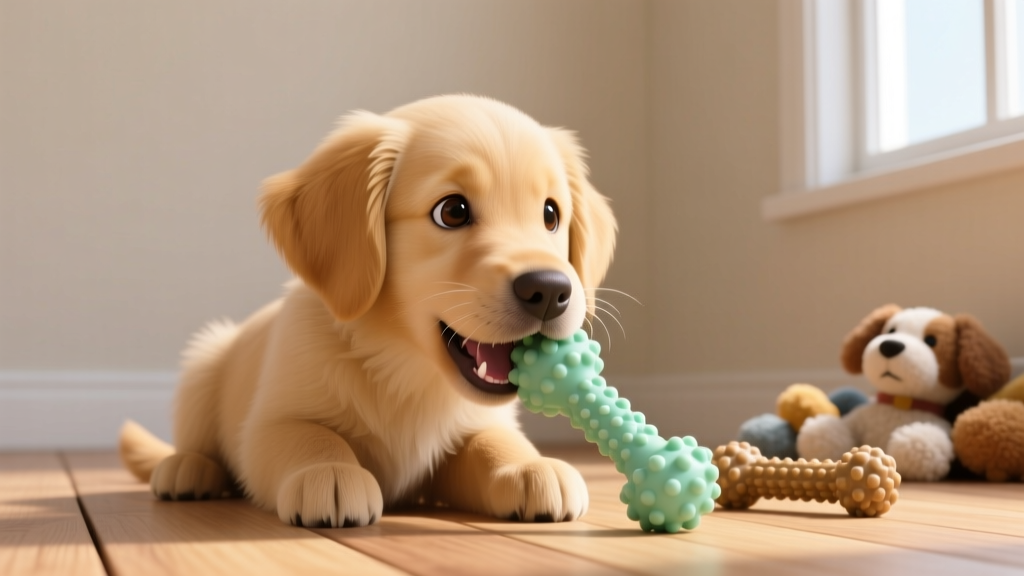
Mini Aussie Puppy Care: Week-by-Week Guide for Months 1–12
Complete mini Aussie puppy guide covering milestones, feeding schedules, potty training, vaccinations, socialization, and first-year costs for 2026.

If you're bringing a Miniature Australian Shepherd (often called a Mini Aussie) into your home, you're signing up for one of the most intelligent, energetic, and trainable small herding dogs available. But mini Aussie puppies are not scaled-down versions of a calm lap dog — they pack full-size Aussie drive, intelligence, and herding instinct into a 20–40 lb frame. That combination demands a structured, proactive approach from week one.
This guide walks you through every critical stage of your mini Aussie puppy's first year, with breed-specific expectations, exact feeding amounts, vaccination timelines, and real cost numbers so you can plan confidently.
When Should You Bring Your Mini Aussie Puppy Home?
The ideal age to bring a mini Aussie puppy home is 8 to 10 weeks. Responsible breeders will not release puppies before 8 weeks, and many working-line breeders prefer to hold until 10 weeks to ensure proper littermate socialization and initial temperament evaluation.
Mini Aussies are a herding breed with strong bonding tendencies. Puppies separated from their litter too early (before 7 weeks) often develop heightened anxiety, resource guarding, and difficulty with bite inhibition. The American Veterinary Medical Association (AVMA) notes that the period between 3 and 14 weeks is the critical socialization window — your puppy needs to be with littermates for at least the first half of that window.
If your breeder recommends waiting until 10 or even 12 weeks, this is often a sign of a thoughtful program, not a red flag. Puppies that stay with their dam and littermates longer typically show better emotional regulation and bite inhibition when they arrive in your home.
Mini Aussie Puppy Milestones: What to Expect Week by Week
Mini Aussies develop rapidly in the first six months. Here's what you should see at each stage, along with breed-specific notes that distinguish them from less driven breeds.
Weeks 4–8 (Breeder's Care)
During this period, your puppy is still with the breeder. Key developments include:
- Sensory: Full hearing and vision; startle responses to loud noises should diminish by week 6
- Social: Littermate play establishes bite inhibition hierarchy; puppies learn "too hard" feedback from siblings
- Physical: Deciduous (baby) teeth fully erupted; weight should reach 3–5 lb depending on projected adult size
- Mini Aussie specific: Early herding behaviors may appear — puppies may attempt to "circle" or nip at littermates' heels during play
- What the breeder should do: Introduce varied surfaces (tile, carpet, grass), novel sounds, gentle handling of paws/ears/mouth, and begin crate exposure with open-door napping
Weeks 8–12 (Home Transition)
This is your highest-impact bonding and foundation period. Expect:
- Sleep: 18–20 hours per day — if your puppy is awake more than 2 hours at a stretch, they're overtired and likely to bite more
- Attention span: 2–5 minutes maximum per training session; keep sessions ultra-short
- Physical: Rapid growth; legs may appear disproportionately long; coordination is still developing
- Mini Aussie specific: High environmental sensitivity — these puppies notice movement, sounds, and changes faster than many breeds. Use this to your advantage by pairing new stimuli with treats to build positive associations
- Bladder control: Approximately 1 hour per month of age (an 8-week puppy = ~2 hours max hold time, but take them out every 30–45 minutes during active periods)
Weeks 12–16 (Confidence Building)
- Fear periods: A developmental fear period typically occurs around 12–14 weeks. Your puppy may suddenly react to things they previously ignored. Do not force exposure; let them observe from a distance and reward calm behavior
- Training: Can now learn sit, down, touch/target, and name recognition reliably; begin leash pressure introduction with a lightweight harness
- Physical: Baby teeth start loosening around 14–16 weeks; expect increased chewing
- Mini Aussie specific: Herding instinct intensifies — you may see stalking of children, cats, or moving objects. Redirect with a toy rather than punishing the instinct
Weeks 16–24 (Adolescent Foundations)
- Teething peak: Adult teeth erupt between 4–6 months; chewing needs are at their highest
- Energy: Noticeable increase in stamina; can handle 15–20 minute structured walks (follow the 5-minutes-per-month-of-age guideline for forced exercise)
- Training: Capable of learning multi-step behaviors; excellent time to start introductory agility flatwork (tunnels, low planks) if you plan to pursue dog sports
- Mini Aussie specific: This breed thrives on "jobs" — even at 5 months, give them tasks like carrying a small toy on walks, finding a named object, or practicing settle on a mat
Months 6–12 (Adolescence)
- Regression: Expect trained behaviors to temporarily deteriorate around 7–9 months. This is normal adolescent testing, not failure. Maintain consistent rules
- Physical maturity: Most mini Aussies reach near-adult height by 10–12 months but continue filling out until 18–24 months
- Sexual maturity: Females may experience first heat between 6–10 months; males may begin marking. Discuss spay/neuter timing with your vet — current research suggests waiting until growth plates close (typically 12–18 months for this size range) may benefit joint health
- Mini Aussie specific: If not already enrolled in structured training, adolescent mini Aussies with insufficient mental stimulation often develop nuisance barking, leash reactivity, or obsessive behaviors like shadow chasing or light fixation
Feeding Your Mini Aussie Puppy: Exact Portions by Age
Mini Aussies typically reach an adult weight of 20–40 lb (9–18 kg) with a height of 13–18 inches at the shoulder. Their caloric needs are higher per pound than many breeds due to their active metabolism.
Choose a food that meets AAFCO nutritional adequacy standards for growth or all life stages. Look for a named protein source (chicken, lamb, salmon) as the first ingredient and a guaranteed analysis showing minimum 22% protein and 8% fat for puppy formulas.
| Age | Meals/Day | Daily Amount (Dry Kibble) | Notes |
|---|---|---|---|
| 8–12 weeks | 3–4 | ¾ – 1 cup | Soak kibble in warm water for first 1–2 weeks if transitioning |
| 3–6 months | 3 | 1 – 1½ cups | Adjust based on body condition score; ribs should be palpable but not visible |
| 6–9 months | 2 | 1½ – 2 cups | Transition to adult formula around 9–12 months |
| 9–12 months | 2 | 1½ – 2½ cups | Active/working lines may need upper range; pet lines often need less |
Important: These amounts assume a standard kibble with ~350–400 kcal/cup. Always check your specific food's caloric density and adjust accordingly. A mini Aussie puppy should maintain a body condition score (BCS) of 5 out of 9 — you should feel ribs easily without pressing, and see a visible waist from above.
Vaccination Schedule for Your Mini Aussie Puppy
Your mini Aussie puppy needs a series of core vaccinations to build immunity during their most vulnerable months. The Merck Veterinary Manual outlines the standard protocol below. Your veterinarian may adjust based on local disease prevalence and your puppy's risk factors.
| Age | Vaccine | Type | Notes |
|---|---|---|---|
| 6–8 weeks | DHPP (Distemper, Hepatitis, Parainfluenza, Parvovirus) | Core | Often given by breeder; verify records |
| 10–12 weeks | DHPP booster + Bordetella (optional) | Core + Lifestyle | Bordetella recommended if attending puppy classes or boarding |
| 14–16 weeks | DHPP final booster + Rabies | Core | Rabies required by law in most US states; timing varies by jurisdiction |
| 12–16 months | DHPP + Rabies booster | Core | After this, boosters typically every 1–3 years per vet recommendation |
Socialization Window: Weeks 3–14 Checklist
The primary socialization window for puppies closes around 14 weeks. For mini Aussies — a breed prone to wariness of strangers and environmental sensitivity if under-socialized — this period is non-negotiable. The AKC recommends systematic exposure to a wide range of stimuli during this time.
Before your puppy is fully vaccinated, carry them in a sling or backpack for outdoor exposures. Avoid high-traffic dog areas (dog parks, pet store floors) until 1 week after the final DHPP booster at 14–16 weeks.
Mini Aussie Socialization Checklist (Weeks 3–14)
People (aim for 30+ unique individuals):
- Children of various ages (supervised, calm interactions)
- People wearing hats, sunglasses, hoodies, uniforms
- People using mobility aids (wheelchairs, canes, crutches)
- People of different heights, builds, and skin tones
- People with beards, long hair, bald heads
Environments:
- Grass, gravel, sand, wet pavement, metal grates
- Elevators, stairs (carry down until joints develop), automatic doors
- Car rides (start with 2-minute sessions, build up)
- Veterinary clinic (schedule a "happy visit" — no shots, just treats and exploration)
Surfaces and Objects:
- Wobble boards, tarps, bubble wrap (for confidence building)
- Umbrellas opening/closing, plastic bags rustling
- Vacuum cleaners, hair dryers (at low volume, from a distance, paired with treats)
Animals:
- Fully vaccinated, friendly adult dogs (one-on-one, not groups)
- Cats (if applicable, controlled introductions)
- Observed from distance: livestock, horses (especially important for a herding breed)
Handling:
- Paw handling, nail clipping simulation, ear inspection, mouth opening
- Being held in various positions, gentle restraint
- Brush, comb, and dryer introduction
Rule of thumb: Every experience should end on a positive note. If your puppy shows fear, increase distance from the stimulus, lower intensity, and reward calm behavior. Never force a fearful puppy closer to something that scares them — this creates lasting negative associations, especially in sensitive herding breeds.
Potty Training Timeline: Realistic Expectations
Mini Aussies are intelligent and typically learn potty routines faster than many breeds, but "fully trained" means consistent reliability with rare accidents, not perfection. Here's a realistic timeline:
| Age | Expected Hold Time | Outing Frequency | Milestone |
|---|---|---|---|
| 8–10 weeks | 1–2 hours max | Every 30–45 min (awake), every 2 hrs (crated) | Learning to go on cue word ("go potty") |
| 10–14 weeks | 2–3 hours | Every 1–1.5 hours (awake) | Beginning to signal (sniffing, circling, going to door) |
| 4–6 months | 3–5 hours | Every 2–3 hours | Reliable with supervision; occasional accidents if unsupervised |
| 6–9 months | 5–7 hours | Every 3–4 hours | Near-full reliability; may regress during adolescence |
| 9–12 months | 7–8 hours | 3–4 times daily | Fully trained for most dogs |
Troubleshooting common mini Aussie potty issues:
- Submissive/excitement urination: Common in this breed. Do not greet your puppy with high energy. Crouch sideways, speak softly, and ignore until they're calm. Never punish this — it's involuntary.
- Regression at 6–8 months: Adolescent hormonal changes can cause marking behavior, especially in intact males. Increase supervision and return to more frequent outings temporarily.
- Won't go outside in rain/cold: Mini Aussies have a moderate double coat but many dislike wet weather. Use a covered potty area or a puppy rain jacket during training. Reward heavily for going in unpleasant conditions.
Crate Training Progression and Time Limits
Crate training is essential for mini Aussies — this breed's intelligence means they will find destructive entertainment if left unsupervised as puppies. The crate becomes their safe den and your management tool.
| Age | Max Crate Time (Daytime) | Nighttime |
|---|---|---|
| 8–10 weeks | 1–2 hours | 3–4 hours (set alarm for potty break) |
| 11–14 weeks | 2–3 hours | 5–6 hours |
| 4–5 months | 3–4 hours | 7–8 hours |
| 6+ months | 4–5 hours | 8 hours |
Crate setup for mini Aussies: Use a 30-inch or 36-inch wire crate (depending on your puppy's projected adult size — ask your breeder for parent weights). Use a divider panel to reduce the space while your puppy is small; too much room invites soiling one end and sleeping in the other.
Building positive associations:
- Feed all meals inside the crate with the door open for the first week
- Scatter high-value treats (small pieces of freeze-dried liver or chicken) inside for your puppy to discover
- Give a stuffed Kong or lick mat when crating to create a positive "crate = delicious" association
- Practice closing the door for 10 seconds, then 30 seconds, then 1 minute while you're in sight before building up to leaving the room
If your mini Aussie whines in the crate: Wait for 2–3 seconds of silence before opening the door. If you open during whining, you teach that whining opens the door. However, if your puppy has been quiet and then suddenly vocalizes, they likely need to eliminate — take them out immediately.
Teething Timeline and Relief Strategies (3–6 Months)
Mini Aussie puppies begin losing baby teeth around 14–16 weeks, with the process completing by approximately 6–7 months. The peak discomfort period is 4–5 months when the canine teeth (fangs) and premolars push through.
Signs your mini Aussie is teething:
- Increased chewing on furniture, shoes, hands
- Drooling more than usual
- Small spots of blood on toys or bedding (normal)
- Reluctance to eat hard kibble (soak in warm water temporarily if needed)
- Swollen or reddened gums
Safe chew recommendations by stage:
- 3–4 months: Soft rubber toys (Kong Classic, size small), frozen wet washcloths (twist, wet, freeze), Nylabone Puppy chew (soft formula)
- 4–5 months: Kong Classic stuffed with frozen plain yogurt and banana, Benebone Puppy (softer formula), West Paw Zogoflex Toppl
- 5–7 months: Transition to medium-firm rubber toys, bully sticks (supervised, remove when small enough to swallow), Himalayan yak chews (supervised)
Common Mini Aussie Puppy Problems and Solutions
Puppy Biting and Nipping
Mini Aussies are a herding breed — nipping at heels and hands is hardwired, not misbehavior. However, it must be redirected.
- Redirect: When teeth touch skin, say "oops" in a neutral tone and immediately offer a toy. Reward chewing the toy enthusiastically.
- Reverse time-out: If redirecting fails, stand up and step away for 10–15 seconds. Return and try again. This teaches that biting ends play.
- Satisfy the drive: Provide appropriate herding outlets — flirt pole sessions (with rules: sit before chase, drop on cue), Treibball (herding exercise balls), or structured fetch with impulse control.
- Manage arousal: Most biting spikes when puppies are overtired. If your mini Aussie turns into a land shark, they likely need an enforced nap in their crate.
Excessive Whining and Vocalization
Mini Aussies are a vocal breed. Puppies may whine from boredom, anxiety, or learned attention-seeking.
- Rule out needs first: Potty, hunger, pain, temperature discomfort
- Don't reward demand barking: Wait for 3 seconds of quiet before giving attention, food, or opening the crate
- Teach "quiet": Mark and reward silence. Start with 1-second pauses between barks and build duration
- Increase mental stimulation: A tired mind reduces vocalization more than physical exercise alone. Use snuffle mats, frozen Kongs, and 5-minute training sessions throughout the day
Destructive Chewing
Mini Aussies explore the world with their mouths, and adolescent puppies (6–10 months) often go through a second chewing phase.
- Management first: Puppy-proof your home. Use baby gates, exercise pens, and crates to limit access when unsupervised
- Rotate toys: Keep only 3–4 toys available at a time and rotate weekly to maintain novelty
- Appropriate alternatives: If you catch them chewing something inappropriate, trade for a high-value chew rather than chasing (which can turn into a game)
When Can Your Mini Aussie Puppy Go Outside and Meet Other Dogs?
This question balances disease risk against socialization needs — and the socialization window is time-limited.
Safe outdoor exposure before full vaccination:
- Carry your puppy in a sling or backpack to parks, outdoor cafés, and neighborhoods starting at 8 weeks
- Avoid: Dog parks, pet store floors, areas with unknown dog feces, and communal water bowls until 1 week after the final DHPP at 14–16 weeks
- Safe play dates: Arrange meetings with dogs you know are fully vaccinated and healthy, in private yards, starting at 9–10 weeks
- Puppy classes: Many veterinary behaviorists support puppy socialization classes that require proof of at least one DHPP vaccine and maintain clean facilities. The American Veterinary Society of Animal Behavior (AVSAB) recommends starting classes as early as 7–8 weeks
After final vaccination (16+ weeks): Your puppy can safely visit dog parks, group classes, grooming salons, and public trails. Continue building positive experiences — don't assume that because the window is closing, socialization stops. Ongoing positive exposure through the first year builds a confident adult dog.
First-Year Cost Breakdown for a Mini Aussie Puppy
Budgeting realistically prevents surprises. Here's what mini Aussie owners typically spend in the first year (2026 estimates, US averages):
| Category | Low End | Typical | High End |
|---|---|---|---|
| Puppy purchase (responsible breeder) | $1,500 | $2,000–$2,800 | $3,500+ |
| Initial vet visits (3–4 puppy exams + vaccines) | $300 | $500 | $800 |
| Spay/neuter | $300 | $500 | $800 |
| Food (12 months, quality kibble) | $350 | $500 | $750 |
| Supplies (crate, bed, leash, harness, bowls, gates, toys) | $200 | $400 | $700 |
| Training (group classes, 2–3 sessions) | $200 | $500 | $1,200 |
| Flea/tick/heartworm prevention (12 months) | $150 | $250 | $400 |
| Pet insurance (annual premium) | $400 | $600 | $900 |
| TOTAL FIRST YEAR | $3,400 | $5,250–$5,550 | $9,050+ |
Hidden costs to anticipate: Emergency vet visits ($500–$3,000 per incident), boarding or pet sitting ($40–$80/night), grooming ($50–$90 per session every 6–8 weeks if you don't maintain the coat yourself), and dog sport class fees if you pursue agility, herding, or obedience competition ($150–$300 per session block).
Frequently Asked Questions
How often should I feed my mini Aussie puppy at 10 weeks old?
At 10 weeks, feed 3–4 meals per day, totaling approximately ¾ to 1 cup of high-quality puppy kibble divided across those meals. For example, if feeding 1 cup daily, offer ¼ cup at each of 4 meals spaced roughly 4–5 hours apart during waking hours. Always provide fresh water and remove uneaten food after 15–20 minutes to establish a routine.
When will my mini Aussie puppy be fully potty trained?
Most mini Aussies achieve reliable house training between 6 and 9 months with consistent scheduling and supervision. "Fully trained" means fewer than one accident per month under normal conditions. Some individuals — particularly smaller females — may take up to 12 months. If your puppy is still having frequent accidents past 6 months, consult your veterinarian to rule out urinary tract infections or anatomical issues.
How do I stop my mini Aussie puppy from biting my children?
Manage the environment first: never leave a puppy and young child unsupervised. Teach children to stand still ("be a tree") when the puppy nips, rather than running or screaming, which triggers the herding drive. Redirect the puppy to a toy and reward chewing the toy. Ensure your puppy gets adequate sleep — overtired puppies bite more. If nipping persists beyond 5–6 months, consult a certified professional dog trainer (CPDT-KA or IAABC credentialed) who uses force-free methods.
What vaccines does my mini Aussie puppy need and when?
Core vaccines include DHPP (Distemper, Hepatitis/Adenovirus, Parainfluenza, Parvovirus) given as a series at 6–8 weeks, 10–12 weeks, and 14–16 weeks. Rabies is given at 14–16 weeks (timing varies by state law). Lifestyle vaccines your vet may recommend include Bordetella (kennel cough, required by most training facilities and boarding kennels), Leptospirosis (if you live in an area with wildlife exposure), and Lyme disease (in tick-endemic regions). Always discuss your puppy's specific risk profile with your veterinarian.
When can my mini Aussie puppy go to the dog park?
Wait until at least 1 week after the final DHPP booster, typically around 17 weeks of age. However, many behaviorists recommend avoiding dog parks entirely for puppies under 6 months due to unpredictable interactions with unfamiliar dogs that could create fear or negative associations. Structured play dates with known, vaccinated, temperament-tested dogs are a safer alternative during early socialization.
Should I get pet insurance for my mini Aussie puppy?
Enrolling at 8–10 weeks, before any pre-existing conditions develop, gives you the best coverage. Mini Aussies are predisposed to hip dysplasia, certain eye conditions (cataracts, progressive retinal atrophy), and epilepsy — conditions that can cost $2,000–$6,000+ to treat. Premiums for a mini Aussie puppy typically range from $40–$75/month depending on your deductible and reimbursement level. Compare plans from providers like Trupanion, Healthy Paws, and Nationwide, and read the fine print on hereditary condition coverage.
Anouk Beaumont
All our authors care for dogs every day — read more of their work on the authors page.