The Ultimate Dog Treadmill Training Guide: Safe & Effective Indoor Exercise
Learn how to safely train your dog to use a treadmill with our step-by-step guide. Discover tips, common mistakes, and FAQs for indoor canine fitness.
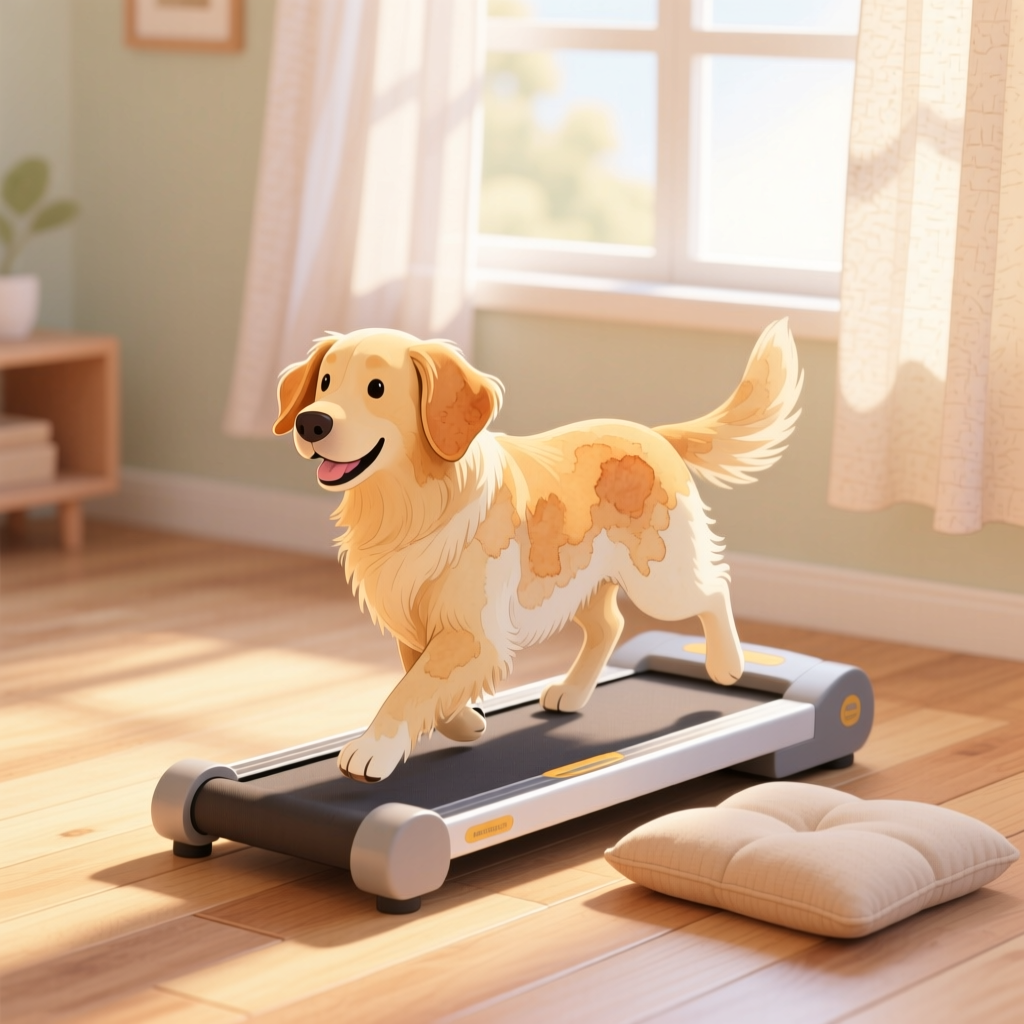
Every dedicated dog owner understands the fundamental importance of daily exercise for their canine companion. Regular physical activity is the cornerstone of a dog's physical health, mental well-being, and behavioral stability. However, life does not always cooperate with our best intentions. Inclement weather, demanding work schedules, physical limitations, or global events can sometimes make outdoor walks impossible. This is where a dog treadmill becomes an invaluable tool in your pet care arsenal. Transitioning your dog to a treadmill is not just about burning off excess energy; it is about providing a controlled, consistent, and safe environment for cardiovascular conditioning and muscle maintenance.
While the concept of a dog walking on a treadmill might seem unnatural or intimidating at first glance, thousands of pet owners, professional trainers, and veterinary rehabilitation specialists utilize this equipment daily. With patience, proper technique, and an abundance of positive reinforcement, most dogs can learn to walk or trot confidently on a treadmill. This comprehensive guide will walk you through everything you need to know about dog treadmill training, from selecting the right equipment to mastering the step-by-step training process, ensuring your furry friend stays fit and happy regardless of the conditions outside.
Understanding the Benefits of Treadmill Exercise
Before diving into the mechanics of training, it is essential to understand why treadmill exercise is so highly recommended by canine fitness experts. The benefits extend far beyond simple convenience. For owners of high-energy dog breeds such as Border Collies, Siberian Huskies, or Belgian Malinois, a standard neighborhood walk is rarely sufficient to meet their intense physical and mental demands. A treadmill allows these athletic breeds to maintain a steady, vigorous pace that burns the necessary calories and staves off destructive behaviors born from boredom and pent-up energy.
Furthermore, treadmill training offers unparalleled environmental control. When walking outdoors, dogs are subjected to varying terrains, extreme temperatures, unpredictable wildlife, and distracting scents. A treadmill provides a consistent, flat surface that is ideal for dogs recovering from orthopedic surgeries or those managing conditions like arthritis. Veterinary professionals frequently recommend controlled treadmill walking as a core component of canine physical therapy because it allows for precise monitoring of stride length, weight-bearing, and endurance without the sudden stops and starts associated with outdoor sniffing and exploring.
Mental stimulation is another often-overlooked benefit. Learning to navigate the moving belt requires intense focus and coordination, which engages your dog's brain just as much as their muscles. The routine and rhythm of a treadmill session can also have a profoundly calming effect on anxious dogs, providing a predictable structure that helps regulate their nervous system. Whether you are looking to manage your dog's weight, supplement their outdoor adventures, or provide low-impact rehabilitation, the treadmill is a versatile and highly effective fitness tool.
Selecting the Right Treadmill & Safety Gear
The foundation of successful treadmill training begins with choosing the appropriate equipment. A common question among pet owners is whether they can simply use their existing human treadmill. While it is physically possible for some dogs to use a human machine, it is generally not recommended for long-term use. Human treadmills are designed with a shorter track length that accommodates the bipedal stride. For medium to large dogs, this short belt forces them to take unnatural, choppy steps, which can lead to severe joint strain and gait abnormalities over time. Additionally, human treadmills often have loud motors located at the front, which can be frightening for dogs, and they lack the side enclosures that help keep a canine focused and secure.
Investing in a treadmill specifically engineered for dogs is the safest choice. Canine treadmills feature longer, wider belts to accommodate a full, natural stride, especially for small dog breeds with quick paces and large breeds with long reaches. They are equipped with side panels or cages that prevent paws from slipping off the edges and block visual distractions, creating a 'tunnel vision' effect that encourages forward movement. The motors on dog-specific models are typically quieter and positioned to avoid startling the animal, and the control panels are placed out of reach of wagging tails and curious paws.
Equally important to the machine itself is the safety gear your dog wears. You must never attach a treadmill leash to a neck collar. The constant forward pull and the potential for a sudden slip could result in devastating tracheal or cervical injuries. Always use a well-fitted, sturdy body harness that distributes pressure evenly across the chest and shoulders. If you need a refresher on proper harness fitting and leash handling, reviewing our guide on leash training basics can be incredibly helpful. Pair the harness with a sturdy leash that you will hold in your hand or attach to a specialized, secure overhead bar designed specifically for canine treadmills.
Step-by-Step Dog Treadmill Training Guide
Training your dog to use a treadmill is a gradual process that relies heavily on desensitization and positive association. Rushing this process is the primary reason dogs develop a fear of the equipment. Break the training down into manageable phases, and never advance to the next step until your dog is completely relaxed and confident in the current one.
Phase 1: Desensitization to the Stationary Equipment
Begin by introducing the treadmill while it is completely turned off and stationary. Allow your dog to approach the machine at their own pace. Do not force them onto the belt. Instead, use high-value treats to lure them near the equipment. Toss treats onto the stationary belt and encourage your dog to step up to retrieve them. Praise them enthusiastically for any interaction with the machine, whether it is a simple sniff, placing one paw on the belt, or standing fully on the track. The goal of this phase is to teach your dog that the treadmill is a source of good things, not a scary, unpredictable monster. Spend several short sessions over a few days just letting them eat, play, and relax on the stationary belt.
Phase 2: Sound Familiarization
Once your dog is comfortable standing on the stationary belt, it is time to introduce the sound of the motor. With your dog safely off the treadmill and at a comfortable distance, turn the machine on to its lowest speed setting. Let it run while you feed your dog treats, play a favorite game, or practice basic obedience commands like 'sit' and 'shake'. This process, known as counter-conditioning, changes the dog's emotional response to the noise from anxiety to anticipation of rewards. Gradually move the treat-dispensing location closer to the running machine over multiple sessions until your dog is happily eating right next to the moving belt without showing signs of stress, such as lip licking, yawning, or trembling.
Phase 3: First Steps on the Moving Belt
When your dog is entirely unfazed by the sound and sight of the moving belt, you can attempt the first steps. Secure your dog in their harness and attach the leash. Stand beside or slightly in front of the treadmill, holding the leash with a gentle, encouraging tension. Have a second person start the treadmill on the absolute slowest speed possible (usually around 0.5 to 1.0 MPH). Use a cheerful voice and high-value treats to lure your dog forward. The moment they take a single step forward on the moving belt, click a clicker or say 'yes', give them a treat, and immediately pause the machine. Repeat this process, gradually requiring two steps, then three, before pausing and rewarding. This teaches the dog that forward movement on the belt yields rewards.
Phase 4: Building Confidence and Continuous Walking
As your dog understands the mechanics of walking on the belt, you can begin to increase the duration between treats and delay pausing the machine. Transition from luring with a treat in front of their nose to holding the treat near your hip, encouraging them to walk in a natural, forward-looking posture. Keep the speed slow and steady. If your dog tries to step off the sides, gently guide them back to the center using the leash and your body language, rewarding them when they resume walking straight. Utilizing positive reinforcement techniques during this phase is crucial for building a lasting, willing participation rather than forced compliance.
Phase 5: Increasing Speed and Duration
Only after your dog can walk confidently and calmly at a slow pace for several minutes should you consider increasing the speed or duration. Increase the speed in minuscule increments, observing your dog's gait closely. A comfortable trot is the ideal pace; you should never push a dog into a gallop or sprint on a treadmill unless specifically directed by a canine sports conditioning coach. Gradually extend the session length by one or two minutes per week, always prioritizing the dog's comfort and physical condition over arbitrary distance goals.
Pro Tips for Maximizing Treadmill Sessions
To ensure your treadmill training remains a positive and productive experience, incorporate these professional tips into your routine. First and foremost, always establish a clear 'start' and 'end' cue. Use a specific word like 'treadmill' or 'let's walk' when turning the machine on, and a release word like 'all done' when the session is over. This clear communication helps your dog understand expectations and reduces anxiety.
Pay close attention to the environment where the treadmill is set up. Dogs rely heavily on their senses, and a chaotic room with loud televisions, running children, or other barking pets can cause them to lose focus and potentially slip. Create a calm, dedicated workout zone. Some owners find that playing soft, classical music or using white noise helps mask distracting household sounds and keeps the dog in a relaxed, rhythmic state of mind.
Hydration and temperature control are critical, especially since dogs do not sweat like humans and rely on panting to cool down. Indoor environments can become stifling quickly when a dog is exercising. Ensure the room is well-ventilated, use a fan to provide a cooling breeze (since there is no natural wind resistance indoors), and always offer fresh water immediately after the session. Additionally, regularly inspect your dog's paw pads. The friction of the treadmill belt can cause wear and tear, similar to walking on hot asphalt. If you notice excessive dryness or cracking, consult your veterinarian about joint supplements and paw balms to maintain their physical health.
Common Mistakes & How to Avoid Them
Even well-intentioned owners can make errors during treadmill training that can set their progress back or cause injury. Being aware of these common pitfalls is the best way to avoid them.
- Tying the Leash to the Machine: This is arguably the most dangerous mistake an owner can make. If a dog slips, panics, or falls behind the belt, a tied leash can lead to severe choking, tracheal collapse, or being dragged by the machine. Always hold the leash in your hand or use a specialized, breakaway overhead harness system designed to lift the dog slightly if they fall back.
- Forcing or Dragging the Dog: Pulling a terrified dog onto a moving belt will cement a lifelong phobia of the equipment. Training must be entirely voluntary and driven by positive reinforcement. If your dog resists, you have moved too fast. Turn the machine off, take a step back in the training phases, and rebuild their confidence.
- Skipping the Warm-Up and Cool-Down: Just like human athletes, dogs need to prepare their muscles for exercise and safely lower their heart rate afterward. Start every session with a slow, three-minute walk to lubricate the joints, and end with a similar slow walk to prevent blood pooling and muscle stiffness.
- Ignoring Stress Signals: Dogs communicate their discomfort through subtle body language. If your dog is excessively panting (when not physically exerted), yawning, licking their lips, showing the whites of their eyes (whale eye), or repeatedly trying to jump off the sides, they are stressed. Stop the session immediately and reassess your training approach.
- Using the Treadmill as a Babysitter: Never leave your dog unattended on a running treadmill. Accidents can happen in a fraction of a second, and continuous supervision is mandatory to ensure their safety and monitor their physical exertion levels.
Frequently Asked Questions
Can I use a human treadmill for my dog?
While it is technically possible for smaller dogs to use a human treadmill, it is highly discouraged for medium and large breeds. Human treadmills have shorter belts that restrict a dog's natural stride, potentially causing joint issues and abnormal gait patterns. Furthermore, human machines lack the side enclosures necessary to keep a dog focused and safe, and the motor noise is often much louder and more intimidating. For the safety and physical health of your pet, investing in a canine-specific treadmill is always the recommended route.
How long should my dog walk on the treadmill?
The ideal session length depends entirely on your dog's age, breed, fitness level, and overall health. Beginners should start with incredibly short sessions of just two to five minutes. As the dog builds endurance, sessions can be gradually increased. For most average, healthy adult dogs, a 15 to 30-minute session at a moderate trot is sufficient for supplemental exercise. However, working breeds may require longer sessions, while senior dogs or brachycephalic (flat-faced) breeds like Pugs and French Bulldogs should have much shorter, low-intensity sessions to prevent respiratory distress and overheating.
Is treadmill walking bad for a dog's joints?
When done correctly on a properly sized machine, treadmill walking is not bad for a dog's joints; in fact, it is frequently used in veterinary rehabilitation to strengthen muscles supporting the joints. The consistent, flat surface eliminates the jarring impacts of jumping or navigating uneven outdoor terrain. However, using a treadmill that is too short for the dog's stride, forcing them to walk at an unnatural speed, or over-exercising an unconditioned dog can absolutely lead to joint strain and soft tissue injuries. Always prioritize a natural gait and consult your veterinarian before starting a treadmill regimen if your dog has pre-existing orthopedic conditions.
What if my dog refuses to walk on the treadmill?
Refusal is usually a symptom of fear, confusion, or a lack of proper desensitization. If your dog puts on the brakes, do not pull them. Stop the belt immediately. Return to the earlier phases of training, focusing heavily on feeding high-value treats on the stationary belt and rewarding any forward movement. You may need to spend weeks just building a positive association with the machine before attempting to turn it on again. Patience is paramount; forcing the issue will only create a deeper psychological block.
Can puppies use a treadmill?
Generally, veterinarians advise against forced, repetitive exercise like treadmill walking for young puppies. Puppies' growth plates are still open and developing, making them highly susceptible to repetitive strain injuries and developmental orthopedic diseases. Puppies should engage in free, unstructured play on soft, natural surfaces like grass. If you wish to introduce a puppy to the treadmill for future use, limit the interaction strictly to Phase 1 and Phase 2 desensitization—letting them stand on the stationary machine for treats and getting used to the sound—without engaging in sustained, forced walking until their growth plates have fully closed, which can be anywhere from 12 to 24 months depending on the breed.
Integrating a treadmill into your dog's fitness routine is a fantastic way to ensure they receive the consistent exercise they need to thrive, regardless of the weather or your daily schedule. By approaching the training process with empathy, patience, and a commitment to positive reinforcement, you can transform a potentially scary piece of machinery into an enjoyable and rewarding part of your dog's daily life. Remember to always prioritize safety, listen to your dog's body language, and celebrate the small victories along the way. With time and consistency, your canine companion will be stepping onto the belt with confidence, ready to tackle their indoor workout with enthusiasm.
beth-carrasco
All our authors care for dogs every day — read more of their work on the authors page.