A Calm & Consistent Dog Morning Plan
Start your day right with a simple, science-backed dog morning routine that reduces anxiety, prevents accidents, and strengthens your bond.

Why Your Dog Needs a Morning Plan
Dogs thrive on predictability. A consistent morning routine helps regulate their internal clock, lowers stress hormones, and sets the tone for a calm, cooperative day. Without structure, many dogs experience confusion, restlessness, or even anxiety—leading to unwanted behaviors like barking, chewing, or pacing before you’ve even had your first sip of coffee.
The Core Elements of a Dog Morning Plan
A thoughtful morning plan doesn’t need to be rigid—but it should be reliable. Focus on three pillars: physical relief, mental grounding, and connection. Here’s how to build one in under 30 minutes.
1. Let Them Out—Before Breakfast
Take your dog outside within 5–10 minutes of waking—even if it’s just for a quick potty break. Their bladder is full after sleep, and holding it can cause discomfort or accidents indoors. Use a consistent cue (e.g., “Go potty”) and reward successful elimination with calm praise—not high-energy play—to reinforce focus over excitement.
2. Hydration & Light Movement
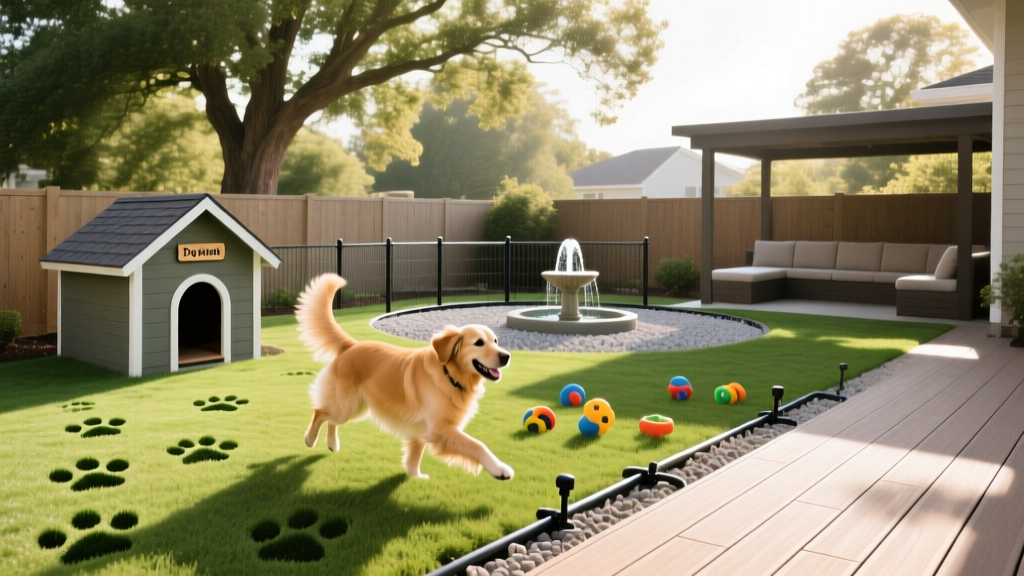
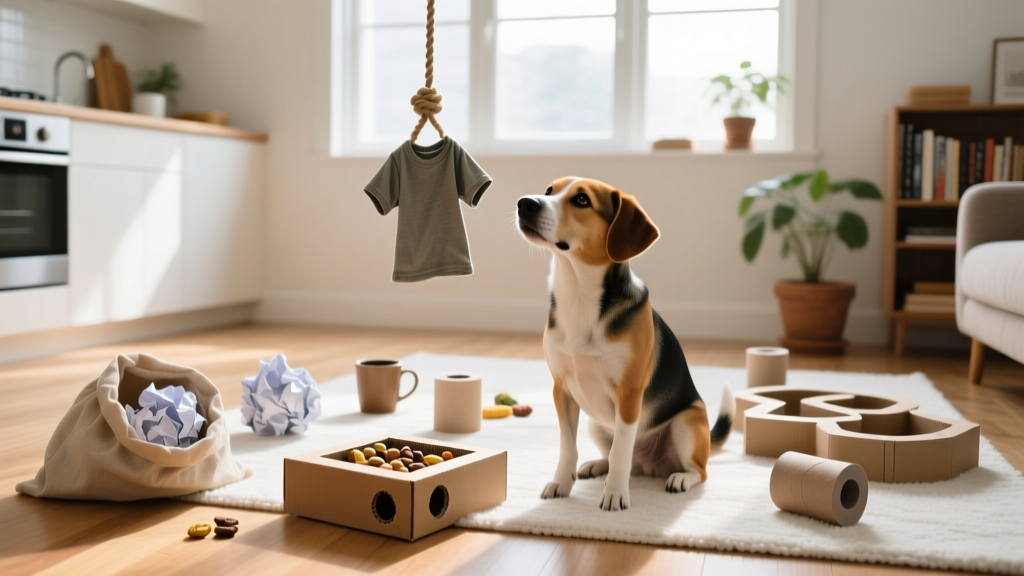
Offer fresh water immediately after coming in. Then, invite gentle movement: a short sniff-and-stroll around the yard, a few minutes of backyard exploration, or even indoor scent games (like hiding treats in a muffin tin). This engages their nose—their primary sense—and signals safety and routine.
3. Breakfast with Purpose
Feed breakfast 20–30 minutes after the potty break. Use puzzle feeders, slow-feed bowls, or scatter meals on grass or rugs to turn eating into a low-key mental workout. Avoid feeding right after vigorous exercise or when your dog is overly excited—it can upset digestion or encourage resource guarding.
4. Connection Time (Not Just Commands)
Spend 5–7 quiet minutes together *before* rushing off. Sit side-by-side on the floor. Offer gentle ear rubs or chin scratches. Practice a calm ‘settle’ cue (“bed” or “rest”) with a treat placed nearby—not forced. This isn’t obedience training; it’s relationship-building. Dogs learn security through stillness with you.
5. Prep for Your Absence
If you’ll be leaving the house, begin separation cues *early*: pick up keys, put on shoes, grab your bag—but do it calmly and without fanfare. Then, give your dog a safe, engaging activity (a stuffed Kong, chew toy, or snuffle mat) *before* you walk out the door. Never make departures emotional events—this prevents leash-pulling, whining, or destructive behavior later.
Adapting for Different Dogs
Your plan should flex—but not falter. Consider these adjustments:
- Puppies: Take them out every 2 hours—and always after naps, meals, and play. Keep outdoor time focused on potty, not play, until they’re reliably trained.
- Senior dogs: Prioritize comfort: warmer surfaces, shorter but more frequent potty trips, and joint-friendly surfaces. Add mobility aids if needed (ramps, orthopedic beds).
- High-energy breeds: Swap some play for mental work—teach a new trick, run a mini agility course in the yard, or practice impulse control games (e.g., “wait” at the door).
- Anxious or reactive dogs: Minimize triggers early—avoid loud noises, sudden movements, or crowded walks. Anchor mornings with deep-pressure touch or calming music if helpful.
What to Skip (and Why)
• Skipping the first potty break — leads to accidents and bladder strain.
• Feeding right after intense play — increases risk of bloat in large breeds.
• Starting the day with correction-based training — sets a tense tone. Save problem-solving for later, calmer moments.
• Ignoring your dog’s natural pace — rushing through sniffing or stretching undermines their sense of safety.
Final Thought: Consistency > Perfection
You won’t nail every detail every day—and that’s okay. What matters most is showing up with intention. Even on chaotic mornings, one predictable step (e.g., always opening the back door first, always offering water before food) builds trust. Over time, your dog will anticipate—and relax into—the rhythm. And when they do, you’ll both start each day grounded, connected, and ready for whatever comes next.
Priya Sutaria
All our authors care for dogs every day — read more of their work on the authors page.