Best Dogs for Elderly People: 7 Low: Maintenance Breeds...
Discover the best dogs for elderly people, including top breeds, matching care products, costs, and expert tips to ensure a safe, happy companionship in 2026.

Why the Right Dog and Products Matter for Senior Owners
Choosing one of the best dogs for elderly people is only half the equation. A calm, low-shedding, easy-to-train companion can transform daily life for a retiree — reducing loneliness, encouraging gentle exercise, and even lowering blood pressure, according to research published in Circulation. But without the right gear, even a perfect breed match can become a tripping hazard, a financial strain, or a source of stress.
This guide pairs the top senior-friendly breeds with the specific products that make daily care manageable for owners with limited mobility, fixed incomes, or health conditions. Every product recommendation below was evaluated against criteria that matter most to elderly dog owners: lightweight design, one-handed operation, low physical strain, and budget-friendly pricing.
Top 7 Breeds That Make the Best Dogs for Elderly People
Before matching products, here's a quick breed comparison. These seven breeds consistently rank highest for senior owners based on temperament, size, exercise needs, and grooming demands. Data sourced from AKC breed standards and veterinary temperament assessments.
| Breed | Weight (lb/kg) | Exercise/Day | Grooming | Lifespan | Senior-Fit Score |
|---|---|---|---|---|---|
| Cavalier King Charles Spaniel | 13–18 lb / 6–8 kg | 20–30 min | Moderate | 12–15 yr | ★★★★★ |
| Bichon Frise | 12–18 lb / 5–8 kg | 30 min | High | 14–15 yr | ★★★★☆ |
| French Bulldog | 16–28 lb / 7–13 kg | 20 min | Low | 10–12 yr | ★★★★☆ |
| Shih Tzu | 9–16 lb / 4–7 kg | 20 min | Moderate | 10–18 yr | ★★★★★ |
| Miniature Poodle | 10–15 lb / 5–7 kg | 30–40 min | High | 14–17 yr | ★★★★☆ |
| Pug | 14–18 lb / 6–8 kg | 20 min | Low | 13–15 yr | ★★★★☆ |
| Greyhound (Retired Racer) | 60–70 lb / 27–32 kg | 20–30 min | Very Low | 10–13 yr | ★★★★☆ |
Key insight: Don't dismiss retired Greyhounds just because of their size. They're famously low-energy indoors — often called "45-mph couch potatoes" — and require less grooming than any small breed on this list. The main trade-off is that they need a secure leash setup due to their prey drive.
8 Best Products for Elderly Dog Owners in 2026
Each product below solves a specific challenge that elderly owners face. Pricing reflects average retail costs as of early 2026.
1. PetSafe Easy Walk No-Pull Harness
Price: $25–$35 | Best For: Preventing pulling without physical strain
Key Features: Front-clip leash attachment redirects pulling, martingale loop prevents twisting, four adjustment points, lightweight nylon (under 8 oz).
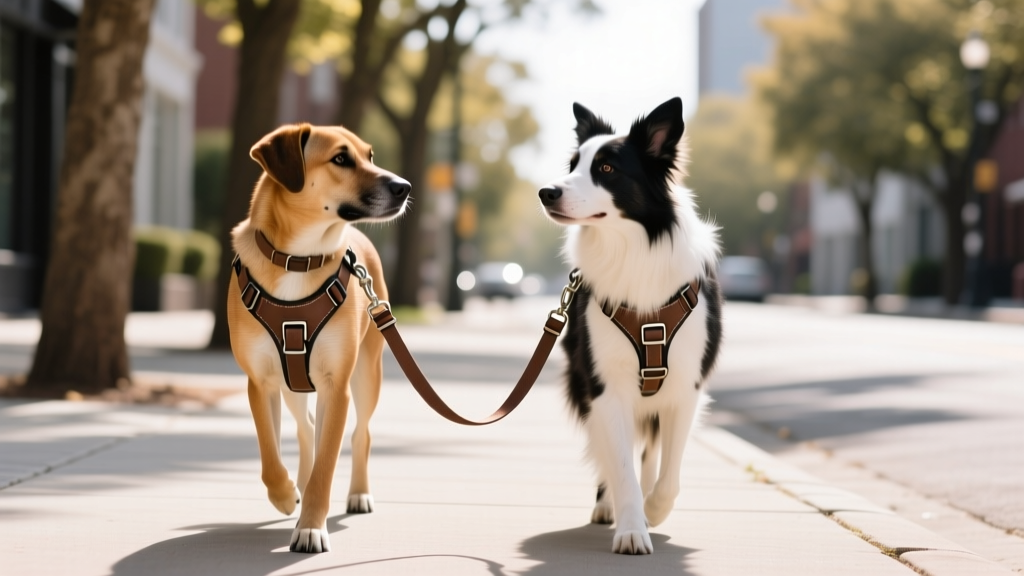
- Pros: Eliminates shoulder/wrist strain; easy one-buckle on/off; veterinarian-recommended front-clip design; fits all 7 breeds listed above
- Cons: Not for dogs with tracheal issues (use a chest-plate harness instead); nylon can retain odor if not washed weekly
2. Frisco Stainless Steel Raised Diner (4–8 inch adjustable)
Price: $30–$45 | Best For: Reducing bending during feeding
Key Features: Adjustable height stand, non-slip rubber feet, dishwasher-safe bowls, holds up to 4 cups per bowl.
- Pros: Eliminates 10+ daily bending motions; stable base prevents tipping; height adjustable as dog ages or owner's mobility changes
- Cons: Not ideal for deep-chested breeds prone to bloat (Greyhounds — consult your vet on elevated feeding); heavier to move for cleaning
3. BreezeLink Self-Cleaning Litter System for Small Dogs (Potty Pad Alternative)
Price: $90–$130 (starter kit) + $15/month pads | Best For: Indoor potty without bending or carrying heavy pads
Key Features: Drainage grate separates urine, odor-sealed tray, disposable pad slides out without touching waste, designed for dogs under 25 lb.
- Pros: No bending to pick up waste; ideal for apartment-dwelling seniors; reduces outdoor walk frequency in bad weather
- Cons: Higher ongoing cost than outdoor walks; some dogs resist transition; takes up 24" × 20" floor space
4. Earthbath Oatmeal & Aloe Waterless Shampoo
Price: $12–$16 per 16 oz bottle | Best For: Bathing without lifting or wrestling a dog into a tub
Key Features: Spray-on, no-rinse formula; pH-balanced for canine skin; oatmeal soothes dry/itchy skin; safe for dogs 6 weeks+.
- Pros: Zero physical lifting required; extends time between full baths; gentle enough for weekly use; pleasant mild scent
- Cons: Won't replace full baths for muddy or heavily soiled coats; spray nozzle requires moderate grip strength (consider a pump-top alternative)
5. Furbo 360° Dog Camera with Treat Tossing
Price: $170–$210 | Best For: Monitoring and interacting with your dog when mobility limits check-ins
Key Features: 360° rotating camera, two-way audio, treat tossing, barking alerts sent to phone, night vision, works with Alexa.
- Pros: Peace of mind without physically checking every room; treat tossing provides enrichment when owner can't get up; barking alerts help detect distress
- Cons: Requires Wi-Fi and smartphone comfort; monthly cloud storage is $6.99/month; treat hopper holds about 100 small treats and needs refilling
6. Arm & Hammer Nubbies Tidy Turf Dog Waste Scooper (Long-Handle)
Price: $15–$22 | Best For: Picking up yard waste without bending
Key Features: 32-inch handle, spring-loaded jaw, works on grass/gravel/pavement, lightweight aluminum (1.2 lb).
- Pros: Eliminates bending entirely; one-handed operation; works with standard waste bags clipped to handle; durable for daily use
- Cons: Jaw doesn't open wide enough for very large breed waste; spring mechanism can weaken after 2–3 years of heavy use
7. KONG Senior Dog Toy (Purple)
Price: $10–$16 | Best For: Low-effort mental enrichment for both dog and owner
Key Features: Softer rubber formula for aging teeth, stuffable with treats/paste, dishwasher-safe, unpredictable bounce keeps dogs engaged.
- Pros: Owner can prep from a seated position; keeps dog occupied 20–40 minutes; vet-recommended for anxiety reduction; extremely durable
- Cons: Senior formula is softer and may wear faster with aggressive chewers; stuffing and cleaning requires some hand dexterity
8. Purina Pro Plan Bright Mind Senior 7+ (Chicken & Rice)
Price: $45–$60 per 30 lb bag | Best For: Cognitive support nutrition for aging companion dogs
Key Features: MCT oil from coconut supports brain function, AAFCO complete and balanced for adult maintenance, enhanced botanical oils shown to improve alertness in senior dogs within 30 days.
- Pros: Clinically studied cognitive benefits; widely available at major retailers; appropriate protein level (28%) for less-active senior dogs; good palatability
- Cons: Contains corn and wheat (not ideal for dogs with grain sensitivities); kibble size may be challenging for very small breeds like Shih Tzus (consider the small-bite version)
Product Comparison Table: Quick Reference for Senior Dog Owners
| Product | Price Range | Weight | Physical Demand | One-Hand Use | Ongoing Cost |
|---|---|---|---|---|---|
| PetSafe Easy Walk Harness | $25–$35 | 8 oz | Low | Yes | None |
| Frisco Raised Diner | $30–$45 | 5.5 lb | Very Low | N/A (stationary) | None |
| BreezeLink Potty System | $90–$130 | 6.8 lb | Low | Yes (pad slide) | $15/month |
| Earthbath Waterless Shampoo | $12–$16 | 1.1 lb | Low | Moderate grip | $8–$12/month |
| Furbo 360° Camera | $170–$210 | 1.3 lb | None | Yes (phone app) | $6.99/month |
| Arm & Hammer Long Scooper | $15–$22 | 1.2 lb | Low | Yes | Waste bags only |
| KONG Senior Toy | $10–$16 | 3.5 oz | Very Low | Yes | Treat refills |
| Purina Bright Mind 7+ | $45–$60/30 lb | 30 lb bag | Moderate (lifting) | No (use scoop) | $45–$60/month |
How to Use These Products Safely: Step-by-Step Guidance
No-Pull Harness Fitting (PetSafe Easy Walk)
- Measure your dog's chest at the widest point behind the front legs. Match to the size chart — most breeds on our list wear Small (16–22" chest) or Medium (20–28" chest).
- Slip the belly strap under your dog while they're standing. No lifting required — simply guide from a seated position if needed.
- Clip the chest strap using the single quick-release buckle. You should fit two fingers between strap and dog.
- Attach the leash to the front chest ring, not the back ring. The front ring is what stops pulling.
- Test indoors first: Walk 10 steps. If the harness shifts more than 1 inch, tighten the chest strap one notch.
Raised Feeder Setup & Bloat Safety
- Set the height so your dog's elbows are level with the top of the bowl when standing. For a Cavalier, this is typically 4 inches. For a Greyhound, 8–10 inches.
- Confirm stability: Push the stand with 5 lb of lateral force. If it slides, add a non-slip mat underneath (a $5 shelf liner works).
- Important for deep-chested breeds (Greyhounds): Consult your veterinarian before using elevated feeders. Some studies suggest raised bowls may increase gastric dilatation-volvulus (GDV/bloat) risk in large, deep-chested dogs. Floor-level feeding may be safer for these breeds.
- Rest period: Wait 30 minutes after eating before any walk or vigorous activity.
⚠️ Safety Warnings for Elderly Dog Owners
- Tripping hazard: Retractable leashes create slack that tangles around legs. Use a fixed 4–6 ft leash instead. Falls are the leading cause of injury in adults over 65, per the CDC.
- Food storage: Store kibble in a sealed container at room temperature. Don't pour kibble directly into plastic bins — fats in the food go rancid on the container walls. Keep the original bag inside the bin for lot-number traceability in case of FDA recalls.
- Waterless shampoo: Avoid spraying near eyes, ears, and nose. If your dog has open sores or hot spots, consult your veterinarian before using any topical product.
- Weight management: Senior dogs and senior owners both tend toward less activity. Measure food with a standard measuring cup — don't estimate. Overfeeding by even 10% leads to significant weight gain over 6 months in small breeds.
Effectiveness Evidence: What the Research Says
These product categories aren't just convenient — many have clinical or behavioral evidence supporting their use:
- No-pull harnesses: A study in the Journal of Veterinary Behavior found front-clip harnesses reduced pulling force by 50–70% compared to back-clip harnesses, directly reducing injury risk for handlers with limited strength.
- Cognitive nutrition (MCT oil): Purina's Bright Mind formula references peer-reviewed research showing medium-chain triglycerides provide an alternative energy source for aging brains, improving alertness and cognitive function in dogs 7+ within 30 days of daily feeding.
- Interactive enrichment (KONG): Veterinary behaviorists consistently recommend food-puzzle toys as a first-line intervention for separation anxiety and boredom-related behaviors — conditions common in dogs owned by less-mobile seniors.
- Dog ownership and health outcomes: The American Heart Association has published scientific statements linking dog ownership to reduced cardiovascular risk, partly mediated by increased physical activity and stress reduction.
Where to Buy & What You'll Spend: First-Year Budget
Here's a realistic first-year cost breakdown for a senior owner bringing home one of the best dogs for elderly people, using the products recommended above:
| Category | Low Estimate | High Estimate | Notes |
|---|---|---|---|
| Dog acquisition (rescue/breeder) | $50 | $3,500 | Rescue adoption fees average $200–$500; reputable breeders charge $1,500–$3,500 |
| Core products (harness, feeder, scooper, toy) | $80 | $118 | One-time purchases |
| Camera system | $170 | $290 | Includes 12 months of cloud storage |
| Food (annual) | $300 | $720 | Small breeds eat less; premium food costs more |
| Veterinary care (annual) | $500 | $1,200 | Includes wellness exam, vaccines, dental check |
| Grooming (if needed) | $0 | $720 | Bichon/Poodle need professional grooming every 6–8 weeks ($60–$90/session) |
| Pet insurance | $360 | $720 | $30–$60/month; highly recommended on fixed income to cap surprise costs |
| Total First Year | $1,460 | $7,268 | Varies significantly by breed choice and location |
Where to buy: All products listed are available at Chewy, Amazon, and most PetSmart/Petco locations. For the best prices, Chewy's Subscribe & Save offers 5–10% off recurring food and supply orders — a practical option for seniors who want automatic delivery without leaving home.
Natural & DIY Alternatives to Commercial Products
Not every problem needs a store-bought solution. Here are practical alternatives that work well for budget-conscious elderly owners:
- DIY raised feeder: Use a sturdy wooden step stool (from any hardware store, $8–$12) and place existing bowls on top. Confirm stability before daily use.
- Homemade enrichment toys: Freeze low-sodium chicken broth in an ice cube tray, then place cubes in a rolled-up towel. Your dog works to unroll it — free mental stimulation.
- Natural grooming: A damp microfiber cloth ($4 for a pack of 6) removes surface dirt and loose hair between baths. For light deodorizing, a 50/50 water-and-apple-cider-vinegar spray (avoiding eyes) works as a waterless wipe-down.
- Training without expensive gear: Positive reinforcement with small, soft treats (pea-sized pieces of boiled chicken breast work excellently) is the gold standard recommended by certified trainers. No shock collars, prong collars, or aversive methods are ever needed — and they are especially dangerous in the hands of owners who may have delayed reaction times.
- Community resources: Many Area Agencies on Aging partner with local animal welfare groups to provide volunteer dog-walking assistance, reduced-cost veterinary care, and pet food banks for seniors. Check eldercare.acl.gov for resources near you.
When to Skip OTC Products and See a Veterinarian Instead
Products help manage daily life, but they can't replace professional care. Seek veterinary attention if:
- Your dog's pulling on walks suddenly worsens — this can indicate pain (arthritis, hip dysplasia) rather than a training issue
- Your dog stops eating from a raised feeder or shows signs of discomfort while eating (possible dental disease, esophageal issues, or neck pain)
- Any skin redness, hair loss, or odor persists after using waterless shampoo for more than 2 weeks — these may signal infection requiring prescription treatment
- Your senior dog shows cognitive changes: confusion, nighttime pacing, forgetting house training — these may be signs of canine cognitive dysfunction (CCD), which has prescription treatment options
- Your dog gains or loses more than 10% of body weight over 3 months — metabolic conditions like hypothyroidism or diabetes require veterinary diagnosis
💡 Pro tip for elderly owners: Ask your veterinarian about "Fear Free" or low-stress handling techniques during visits. Many clinics now offer car-side checkups where the vet comes to your vehicle — eliminating the need to carry a dog into the building or navigate waiting rooms.
Frequently Asked Questions
What is the best dog breed for an elderly person living alone?
The Cavalier King Charles Spaniel and Shih Tzu consistently rank as the best dogs for elderly people living alone. Both are small enough to lift if needed (under 18 lb), have low exercise requirements (20–30 minutes daily), are deeply affectionate, and adapt well to apartment living. The key is matching the dog's energy level to the owner's mobility and lifestyle — a retired Greyhound may be perfect for a senior who enjoys a short daily walk but wants a calm house companion.
How do I choose the right products for my mobility level?
Start by identifying your top three physical limitations — grip strength, bending ability, or walking endurance — and choose products that address those specific challenges. If grip is limited, prioritize products with large handles or one-handed operation. If bending is difficult, invest in raised feeders and long-handled scoopers. If walking endurance is low, an indoor potty system and interactive toys reduce outdoor demands.
How much does it cost to own one of these dogs per year?
Annual costs for small, low-maintenance breeds typically range from $1,200 to $3,500 per year, including food, routine veterinary care, grooming, insurance, and supplies. The biggest variable is grooming — breeds like Poodles and Bichons require professional grooming every 6–8 weeks ($360–$720/year), while Pugs and Greyhounds need almost none. Pet insurance ($360–$720/year) is strongly recommended for seniors on fixed incomes to prevent a single emergency from becoming financially devastating.
How do I use a no-pull harness safely with limited strength?
Choose a front-clip harness (like the PetSafe Easy Walk) rather than a head halter, which requires more precise handling. Put the harness on while your dog is standing — no lifting needed. Always use a fixed-length 4 ft leash attached to the front chest ring. Keep your wrist looped through the leash handle rather than wrapping the leash around your hand, which can cause injury if the dog lunges. Practice in your hallway before going outside.
Are there natural alternatives to commercial dog care products?
Yes. Microfiber cloths replace waterless shampoo for light cleaning, frozen broth in a towel replaces puzzle toys, and a wooden step stool replaces a commercial raised feeder. For training, boiled chicken breast pieces work as effectively as commercial training treats. However, never substitute veterinary-prescribed diets or medications with homemade alternatives without consulting your veterinarian — nutritional deficiencies in homemade diets are a documented risk.
When should I skip OTC products and see a vet?
See your veterinarian instead of relying on products whenever you notice sudden behavioral changes (increased pulling, reluctance to eat, house-training regression), physical symptoms lasting more than 48 hours (vomiting, diarrhea, limping, excessive thirst), or any signs of pain (whimpering, trembling, avoidance of touch). Products manage comfort and convenience — they don't diagnose or treat medical conditions. If you're ever unsure whether a symptom is urgent, call your vet's office; most will advise you over the phone at no charge.
Should elderly people adopt senior dogs or puppies?
Senior dogs (7+ years) are often the best match for elderly owners. They're typically already house-trained, past the destructive chewing phase, have established temperaments, and require less exercise than puppies. Many rescues offer reduced adoption fees for senior dogs, and some organizations specifically match senior dogs with senior humans. Puppies demand significant physical energy, frequent outdoor trips, and training patience that may not align with an elderly owner's capacity.
Marcus Aldridge
All our authors care for dogs every day — read more of their work on the authors page.