Life With Your Dog
Finding the Best Dog Parks: Safe Play Spaces in 2026
Not all dog parks are created equal. Learn how to find safe, well-maintained off-leash areas and what to watch for before entering.
By editor_paws-tales · Published 12 October 2026

Why Dog Parks Matter
Off-leash play provides physical exercise, socialisation, and mental stimulation that walks alone can't match. But not every dog park is safe or well-managed. Here's how to find the good ones and avoid the bad.
What Makes a Good Dog Park
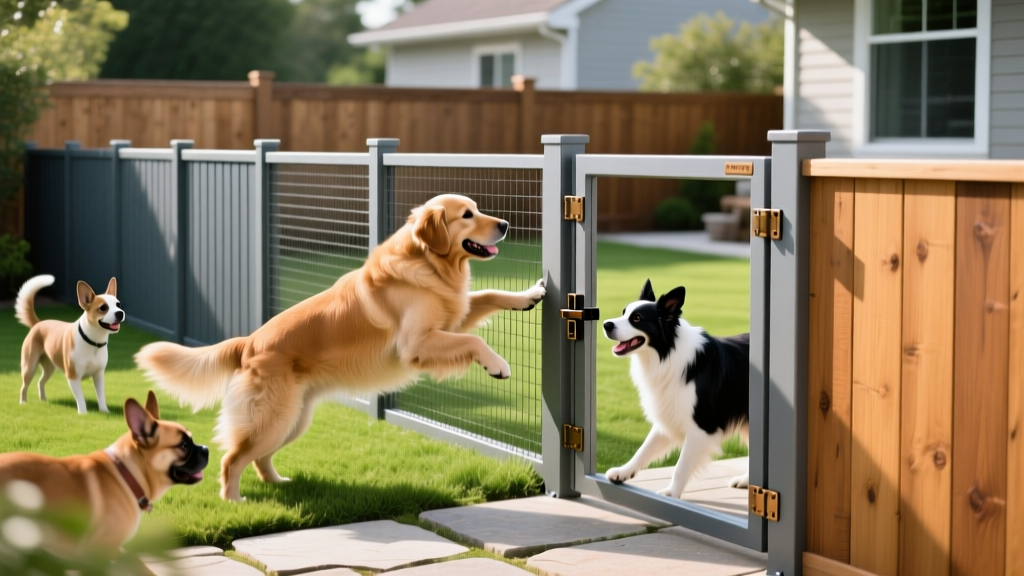
- Secure fencing: At least 1.5m high with no gaps. Self-closing double-gate entry (a "sally port") prevents dogs bolting when owners enter or exit.
- Separate areas: Small dog sections (for dogs under 11kg) prevent accidental injuries from large, boisterous players.
- Clean maintenance: Regular waste removal, clean water stations, and no broken equipment.
- Shade and shelter: Trees or structures where dogs (and owners) can escape the sun or rain.
- Good drainage: Standing water breeds bacteria and parasites.
Red Flags to Watch For
- Overcrowding: More than 10-15 dogs in a small space increases stress and conflict risk.
- Aggressive dogs with no intervention: If owners aren't managing their dogs' behaviour, leave.
- Poor maintenance: Broken fencing, piles of waste, or stagnant water are deal-breakers.
- No rules posted: Good parks display clear rules about vaccination requirements, behaviour standards, and owner responsibilities.
Finding Dog Parks Near You
Useful tools:
- Sniffspot: Private dog parks you can book by the hour. Often cleaner and less crowded than public parks.
- BringFido.com: Database of dog-friendly parks and spaces worldwide.
- Local council websites: Many municipalities list official off-leash areas with rules and opening hours.
Dog Park Etiquette
- Always pick up after your dog — even if someone else's dog went before you.
- Don't bring food or treats into the park (resource guarding triggers fights).
- Keep your phone in your pocket — distracted owners cause most dog park incidents.
- If your dog starts bullying others (mounting, chasing, staring), call them away immediately.
- Leave if your dog seems stressed — tucked tail, pinned ears, hiding behind you.
Alternatives to Dog Parks
If your local dog park isn't great, consider:
- Sniff walks: Let your dog explore new trails on a long line.
- Playdates: Arrange one-on-one sessions with a friend whose dog your dog gets along with.
- Training classes: Structured group sessions provide socialisation in a controlled environment.
Written by
editor_paws-tales
All our authors care for dogs every day — read more of their work on the authors page.