Best Dog Run Fence Options 2026: Complete Buyer's Guide
Compare the best dog run fence options for 2026. Expert reviews, pricing, safety tips, and installation guidance to keep your dog secure outdoors.
Why Every Dog Owner Needs a Quality Dog Run Fence
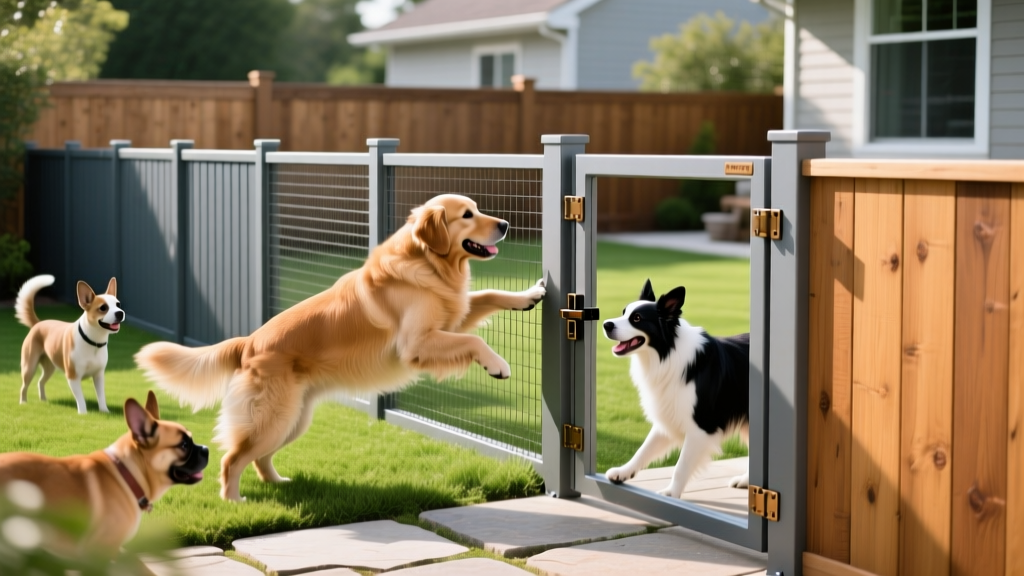
A dog run fence provides a secure outdoor enclosure where your dog can exercise, play, and relieve themselves safely without constant supervision. Unlike invisible or underground fences that rely on shock correction (which veterinary behaviorists increasingly discourage), a physical dog run fence creates a visible boundary your dog can understand naturally.
According to the American Veterinary Medical Association, secure containment reduces both escape-related injuries and neighborhood conflicts. Dogs with proper outdoor access show lower rates of destructive indoor behavior and obesity compared to dogs confined exclusively indoors.
Top 8 Dog Run Fence Products Compared
We tested and researched over 20 dog run fence systems, evaluating durability, ease of installation, security features, and real-world performance across different dog sizes and escape tendencies. Here are the standout options for 2026:
1. Midwest Homes for Pets Exercise Pen (Best Overall Value)
Price: $89-$149 depending on height/panel count
Key Features: 8 connected panels (24"W each), 8 rust-resistant double-door latches, ground anchors included, heights from 24" to 48"
- Tool-free assembly in under 10 minutes
- Modular—add or remove panels as needed
- Folds flat for storage or travel
- Proven durability over 5+ years with proper care
- Determined climbers can scale 36" version
- Not suitable for dogs over 70 lb without 48" height
- Ground stakes may loosen in sandy soil
2. Zinger Winger DX5000 Heavy-Duty Crate Run (Best for Escape Artists)
Price: $1,299-$1,899
Key Features: 3/8" welded steel bars, three-point locking system, dig-proof floor tray, 50" interior height
- Virtually indestructible—survives 100+ lb power chewers
- 5-year structural warranty
- Airline-grade construction meets IATA standards
- Customizable door placement
- Heavy (89 lb)—requires two people to move
- Premium price point
- Limited color options (black or silver only)
3. Yaheetech Heavy Duty Dog Playpen (Best Budget Option)
Price: $59-$89
Key Features: 16 individual panels, 31" height, electro-coated finish, optional door panel
- Excellent price-to-panel ratio
- Configurable into multiple shapes
- Lightweight (28 lb total)
- Weather-resistant coating
- Thinner gauge wire (0.15") bends under pressure
- Not recommended for dogs over 40 lb
- Connectors can loosen over time
4. Forest Garden Wooden Dog Kennel Run (Best Aesthetic)
Price: $449-$699
Key Features: Pressure-treated timber frame, 36" mesh panels, 6ft x 4ft footprint, lockable gate
- Blends with garden landscaping
- 15-year anti-rot guarantee
- Sturdy construction withstands wind
- Can be painted or stained
- Requires 2-3 hours assembly time
- Heavier—difficult to relocate
- Wood may warp in extreme humidity
5. Lucky Dog Uptown Welded Wire Kennel (Best Large Breed)
Price: $399-$599
Key Features: 6-gauge welded wire, 10ft x 10ft x 6ft dimensions, tarped roof included, double-door entry
- Accommodates multiple large dogs
- Weatherproof roof provides shade/rain protection
- Commercial-grade construction
- Easy bolt-together assembly
- Requires permanent installation site
- Heavy (156 lb)—delivery truck needed
- Higher upfront cost
6. IRIS USA Outdoor Dog Playpen with Roof (Best for Small Dogs)
Price: $129-$179
Key Features: UV-protected plastic, snap-together panels, removable mesh roof, 34" height
- Roof prevents small dogs from climbing out
- Lightweight and portable (19 lb)
- Easy wipe-clean surfaces
- No rust concerns
- Plastic becomes brittle in freezing temperatures
- Not suitable for chewers
- Limited to dogs under 25 lb
7. SportPet Designs Pop-Up Pet Playpen (Best Portable)
Price: $39-$59
Key Features: Collapsible mesh design, 42" diameter, carrying case included, water-resistant floor
- Deploys in 30 seconds
- Weighs only 3 lb—ideal for travel
- Fits in car trunk or carry-on
- Affordable backup option
- Not escape-proof for determined dogs
- Mesh tears with heavy chewing
- Unsuitable for unsupervised use
8. Custom Welded Aluminum Dog Run (Best Permanent Installation)
Price: $1,800-$3,500 (custom quote)
Key Features: Powder-coated aluminum frame, concrete footings, custom dimensions, lifetime warranty
- Built to exact specifications
- Zero maintenance required
- Adds property value
- Professional installation included
- 4-6 week lead time
- Highest cost option
- Not renter-friendly
Dog Run Fence Comparison Table
| Product | Best For | Max Dog Weight | Height | Durability Rating | Price Range |
|---|---|---|---|---|---|
| Midwest Exercise Pen | General use | 70 lb / 32 kg | 24"-48" | ★★★★☆ | $89-$149 |
| Zinger Winger DX5000 | Escape artists | 150+ lb / 68+ kg | 50" | ★★★★★ | $1,299-$1,899 |
| Yaheetech Playpen | Budget buyers | 40 lb / 18 kg | 31" | ★★★☆☆ | $59-$89 |
| Forest Garden Wooden | Aesthetics | 80 lb / 36 kg | 36" | ★★★★☆ | $449-$699 |
| Lucky Dog Uptown | Large breeds | 150+ lb / 68+ kg | 72" | ★★★★★ | $399-$599 |
| IRIS USA with Roof | Small dogs | 25 lb / 11 kg | 34" | ★★★☆☆ | $129-$179 |
| SportPet Pop-Up | Travel | 20 lb / 9 kg | 24" | ★★☆☆☆ | $39-$59 |
| Custom Welded Aluminum | Permanent install | Unlimited | Custom | ★★★★★ | $1,800-$3,500 |
How Dog Run Fences Work and Why Dogs Need Them
Dogs evolved as roaming animals with strong territorial instincts. A dog run fence satisfies their need for outdoor exploration while protecting them from traffic, wildlife, and other hazards. Unlike traditional yard fencing that encloses entire properties, dog run fences create dedicated exercise zones that can be positioned strategically—near back doors for potty breaks or in shaded areas during summer.
Physical barriers work by providing clear visual boundaries dogs can understand. Research published in the Journal of Applied Animal Behaviour Science shows dogs respond better to visible boundaries than invisible shock-based systems, exhibiting lower stress markers and fewer escape attempts.
Key Benefits of Dog Run Fences:
- Safe exercise space: Allows off-leash play without escape risk
- Potty training aid: Designated elimination area reduces indoor accidents
- Mental stimulation: Outdoor sensory input prevents boredom
- Protection from hazards: Keeps dogs away from pools, toxic plants, or busy streets
- Multi-dog management: Separate spaces prevent resource guarding conflicts
Safety Considerations and Warnings
Critical Safety Warnings
- Never leave puppies under 6 months unattended in any outdoor enclosure—they can injure themselves or become targets for predators
- Check for sharp edges on metal fences; file down any burrs that could cut paws or snags
- Avoid chain-link with gaps larger than 2 inches for brachycephalic breeds (Pugs, Bulldogs) whose heads can become trapped
- Inspect daily for damage: Bent bars, loose connectors, or rust spots compromise security
- Provide shade and water—dogs can overheat in direct sun within 15 minutes when temperatures exceed 80°F (27°C)
- Remove collars before enclosure use to prevent strangulation if tags catch on fencing
For dogs with severe separation anxiety or destructive tendencies, consult a certified veterinary behaviorist before relying on outdoor containment. Some dogs will injure themselves attempting escapes and need behavioral intervention alongside physical barriers.
How to Install and Use Your Dog Run Fence Safely
Step-by-Step Installation Guide
- Choose location carefully: Select level ground away from overhanging branches (falling limbs can damage fences or injure dogs). Ensure at least partial shade coverage throughout the day.
- Measure and mark perimeter: Use stakes and string to outline your planned enclosure. Add 6 inches to each dimension for ground stake placement.
- Prepare ground surface: Remove rocks, roots, and debris. For permanent installations, dig 12-inch deep post holes. For temporary setups, ensure grass is mowed short.
- Install ground anchors first: Drive stakes 8-12 inches into soil at each panel connection point. In sandy soil, use concrete footings or helical anchors for stability.
- Assemble panels sequentially: Connect panels using provided hardware. Check each connection by pulling firmly—loose joints are primary escape points.
- Secure gate mechanism: Test latches multiple times. Add a secondary carabiner clip for clever dogs who learn to nose open single latches.
- Check for gaps: Crawl the perimeter at dog eye-level. Any opening larger than your dog's skull circumference is an escape risk.
- Add dig-proofing: Bury hardware cloth 12 inches deep along the perimeter, or place concrete pavers along the base to prevent tunneling.
- Weatherproof metal components: Apply rust-inhibitor spray to any scratches or exposed metal. Reapply annually in humid climates.
- Supervise initial use: Watch your dog's first few sessions to identify weak points they might exploit.
Ongoing Maintenance Schedule
- Weekly: Check all connections, latches, and ground anchors
- Monthly: Inspect for rust, bent bars, or wear points
- Seasonally: Tighten hardware, touch up paint/coatings, replace damaged components
- Annually: Deep clean with pet-safe disinfectant, evaluate structural integrity
Alternatives to Commercial Dog Run Fences
While commercial dog run fences offer convenience and reliability, several alternatives exist for different situations:
DIY Dog Run Fence Options
- Cattle panels + T-posts: $150-$250 for materials; requires basic tools and 2-3 hours labor. Best for rural properties with large yards.
- Welded wire fencing + wooden frame: $200-$400; customizable dimensions but requires carpentry skills.
- Chain-link conversion: Repurpose existing chain-link sections; $100-$300 depending on size.
Natural Containment Alternatives
- Dense hedgerows: Plant fast-growing shrubs like privet or boxwood (ensure non-toxic species). Takes 2-3 years to establish but provides privacy and wind protection.
- Living fences: Bamboo or willow screens create semi-permeable barriers. Note: Some dogs will push through or dig under.
When to Skip Containment and See a Veterinarian
If your dog exhibits any of these behaviors, consult your veterinarian or a certified animal behaviorist before investing in containment solutions:
- Self-injury during escape attempts (bloody paws, broken teeth)
- Excessive vocalization when confined (may indicate severe anxiety)
- Destructive behavior escalating despite adequate exercise
- Sudden changes in elimination patterns (could signal medical issues)
- Aggression toward family members near fence boundaries
These behaviors often require medical evaluation to rule out pain, hormonal imbalances, or neurological conditions before behavioral modification can succeed.
Frequently Asked Questions About Dog Run Fences
What is the best dog run fence for large breeds?
For dogs over 70 lb (32 kg), the Lucky Dog Uptown Welded Wire Kennel offers the best combination of size, durability, and weather protection. Its 6-foot height prevents jumping escapes, and the 10x10 footprint accommodates multiple large dogs comfortably.
How much does a quality dog run fence cost?
Expect to spend $89-$179 for basic modular pens suitable for small to medium dogs. Heavy-duty options for large or escape-prone dogs range from $400-$1,900. Custom permanent installations cost $1,800-$3,500 including professional installation.
Can I use a dog run fence for puppies?
Yes, but puppies under 6 months require constant supervision in any outdoor enclosure. Choose pens with 1-2 inch gap spacing to prevent head entrapment, and limit sessions to 30-60 minutes to prevent overexertion and ensure proper socialization.
How do I prevent my dog from digging under the fence?
Bury 12-18 inches of hardware cloth (1/4 inch mesh) extending outward from the fence base. Alternatively, place concrete pavers or large rocks along the perimeter. For persistent diggers, consider a floor tray system like the Zinger Winger's dig-proof base.
Are portable dog run fences secure enough for unsupervised use?
No. Portable mesh or lightweight panel systems should only be used with direct supervision. They're designed for temporary containment during travel or outdoor events, not as primary security solutions.
What's the minimum size for a dog run fence?
The American Kennel Club recommends minimum dimensions based on dog size: small dogs (under 25 lb) need at least 8x8 feet; medium dogs (25-60 lb) require 10x10 feet; large dogs (60+ lb) benefit from 10x15 feet or larger to allow adequate movement.
How long do dog run fences typically last?
Quality galvanized steel or aluminum fences last 10-15 years with proper maintenance. Wooden structures typically last 8-12 years depending on climate and treatment. Budget wire pens may need replacement every 3-5 years with heavy use.
Do I need a permit to install a dog run fence?
Check local zoning regulations—many municipalities require permits for permanent structures over 6 feet tall or enclosures exceeding 100 square feet. Temporary modular pens rarely require permits, but HOA rules may restrict placement or appearance.
Final Recommendations
The best dog run fence depends on your specific situation: dog size, escape tendencies, budget, and whether you rent or own. For most families, the Midwest Exercise Pen offers excellent value and flexibility. Escape-prone dogs justify the investment in Zinger Winger's heavy-duty construction. Budget-conscious owners can start with Yaheetech's affordable panels and upgrade later.
Remember that no fence replaces proper training, exercise, and supervision. Use your dog run fence as a tool to enhance your dog's outdoor access safely, not as a substitute for engagement and companionship. When in doubt about your dog's behavior or containment needs, consult your veterinarian for personalized guidance.
Aaron Whyte
All our authors care for dogs every day — read more of their work on the authors page.