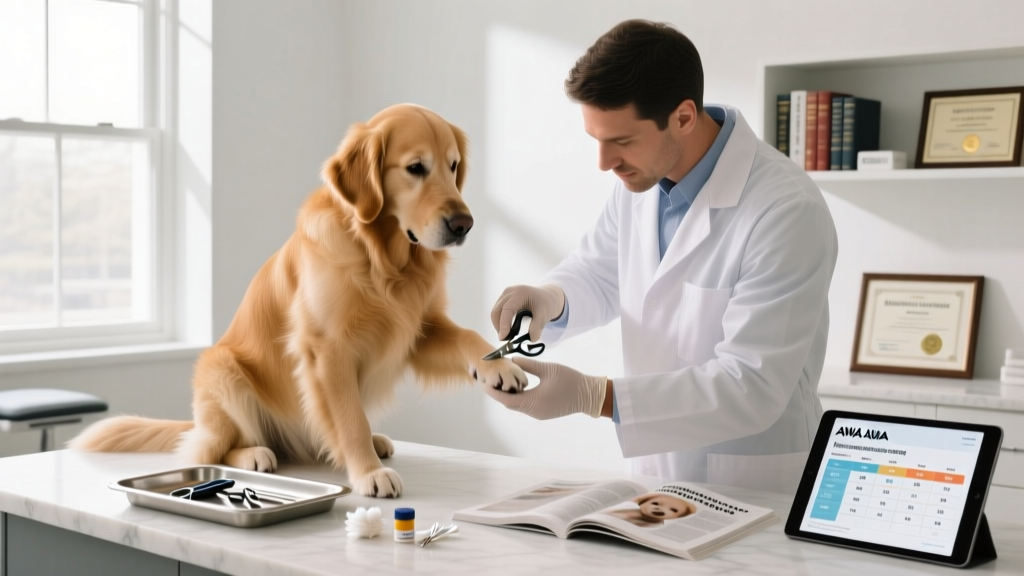
Yeast Dog Treatment: Complete Guide to Diagnosing &
Comprehensive yeast dog treatment guide covering symptoms, diagnosis costs, medical and topical therapies, breed risks, and home management for Malassezia dermatitis.

What Is a Yeast Infection in Dogs?
A yeast infection in dogs—clinically known as Malassezia dermatitis—is an overgrowth of naturally occurring yeast organisms on the skin or in the ears. Malassezia pachydermatis is the primary species involved, and it lives harmlessly on most dogs' skin in small numbers. When the skin's microenvironment shifts due to allergies, moisture, immune suppression, or underlying disease, these yeast organisms multiply rapidly, triggering intense inflammation, itching, and a characteristic musty or "corn chip" odor.
According to the Merck Veterinary Manual, Malassezia dermatitis is one of the most common causes of canine otitis externa (ear infections) and is frequently seen as a secondary complication of atopic dermatitis. Veterinary dermatologists estimate that 20–30% of dogs presenting with allergic skin disease also have concurrent yeast overgrowth. It is not contagious to other dogs or humans, making it a manageable but often recurrent condition requiring a structured treatment approach.
Recognizing the Symptoms: Early Warnings vs. Advanced Signs
Yeast overgrowth can appear on the paws, ears, groin, armpits, neck folds, and any area where moisture collects. The progression from early irritation to severe dermatitis can happen within 1–3 weeks if left untreated. Use this checklist to assess where your dog falls on the severity spectrum.
| Severity | Symptom | Typical Location |
|---|---|---|
| Early (Days 1–7) | Mild itching, occasional paw licking | Paws, ear margins |
| Early | Faint musty or "corn chip" odor | Ears, between toes |
| Early | Slightly reddened skin in folds | Lip folds, armpits, groin |
| Early | Head shaking or ear scratching | Ears (otitis externa) |
| Moderate (Weeks 2–4) | Greasy, flaky skin with yellowish debris | Any affected area |
| Moderate | Intense scratching, rubbing on furniture | Ears, paws, belly |
| Moderate | Brown waxy ear discharge | Ear canals |
| Moderate | Hair loss in patches (alopecia) | Paws, inner thighs, ear flaps |
| Advanced (Weeks 4+) | Skin thickening and darkening (lichenification, hyperpigmentation) | Chronic infection sites |
| Advanced | Open sores or secondary bacterial infection | Any affected area |
| Advanced | Ear canal narrowing (stenosis) from chronic inflammation | Ears |
| Advanced | Hearing changes, head tilt, balance issues | Middle/inner ear (otitis media/interna) |
Which Breeds Are Prone to Yeast Infections?
While any dog can develop a yeast overgrowth, certain breeds carry significantly higher risk due to anatomy, genetics, and predisposition to underlying allergies. Understanding your dog's risk profile helps you catch problems earlier.
- Breed predisposition: Basset Hounds, Cocker Spaniels, West Highland White Terriers, Dachshunds, Poodles, Silky Terriers, Australian Silky Terriers, and Maltese show the highest breed-specific prevalence
- Anatomy: Dogs with floppy ears (reduced airflow), deep skin folds (bulldogs, Shar-Peis), or hairy ear canals trap moisture and create ideal yeast environments
- Allergic disease: Dogs with atopic dermatitis or food allergies are 3–5× more likely to develop recurrent yeast infections
- Age: Most common in adult dogs ages 2–7, though puppies with immature immune systems and seniors with declining immunity are also at risk
- Weight: Overweight dogs develop more skin folds and trap more moisture, increasing yeast colonization
- Environment: Hot, humid climates and frequent swimming without thorough drying accelerate yeast growth
- Immunosuppression: Dogs on long-term corticosteroids, those with hypothyroidism, Cushing's disease (hyperadrenocorticism), or cancer are significantly more vulnerable
- Genetics: Some breeds have inherited defects in skin barrier function that predispose them to both allergies and secondary yeast infections
Among the high-risk breeds, Basset Hounds and Cocker Spaniels deserve special mention. Their combination of pendulous ears, sebaceous (oily) skin, and strong genetic predisposition to allergies creates what veterinary dermatologists sometimes call a "perfect storm" for Malassezia overgrowth. If you own one of these breeds, routine ear cleaning and skin monitoring should be part of your regular care regimen—not just a response to symptoms.
How Veterinarians Diagnose Yeast Infections in Dogs
If you suspect your dog has a yeast infection, a veterinary visit is essential—not only to confirm the diagnosis but to identify the underlying cause driving the overgrowth. Here is what to expect during the diagnostic process.
- Clinical history and physical exam ($50–$95 office visit fee): Your vet will ask about the duration of symptoms, previous infections, diet, environment, and any medications your dog is taking. They will examine all skin folds, ear canals, and paw pads.
- Cytology — tape prep or ear swab ($25–$60): This is the gold standard for confirming Malassezia. Your vet presses clear tape or a cotton swab to the affected skin or ear canal, stains it, and examines it under a microscope. Yeast organisms appear as characteristic "footprint" or "peanut" shapes. A count of more than 4–5 organisms per high-power field generally confirms overgrowth.
- Otoscopy — ear canal examination ($0–$40 additional): Using an otoscope, the vet visualizes the ear canal and tympanic membrane (eardrum) to determine whether infection has reached the middle ear. This is critical before prescribing ear drops, as some medications are ototoxic if the eardrum is ruptured.
- Bacterial culture ($80–$180): If the cytology shows mixed yeast and bacteria, or if previous treatments have failed, your vet may culture the area to identify the specific bacterial species and determine which antibiotics will be effective.
- Allergy testing ($300–$700 for serum IgE panels; $1,000–$1,800 for intradermal skin testing): Since allergies are the number one underlying cause of recurrent yeast dermatitis, your vet may recommend allergy testing if your dog has had two or more yeast infections within a year.
- Blood work and endocrine panels ($120–$300): A complete blood count (CBC), chemistry panel, and thyroid panel help rule out hypothyroidism, Cushing's disease, or immune compromise as contributing factors. For dogs over 6 with recurrent infections, this is often recommended at the first visit.
Total diagnostic costs typically range from $100–$250 for an uncomplicated case to $500–$1,500+ for recurrent cases requiring allergy workups and endocrine panels.
Yeast Dog Treatment Options: Medical, Topical, and Supportive Care
Effective yeast dog treatment follows a two-track approach: eliminate the current overgrowth and manage the underlying cause to prevent recurrence. Your veterinarian will design a protocol based on infection location, severity, and your dog's overall health.
| Treatment Type | Examples | Best For | Typical Duration | Cost Range |
|---|---|---|---|---|
| Topical shampoos | Chlorhexidine + miconazole (e.g., Malaseb), ketoconazole shampoo | Generalized skin yeast overgrowth | 2–4 weeks, bathing 2×/week | $18–$45 per bottle |
| Topical wipes/sprays | Chlorhexidine wipes, acetic acid/boric acid solutions (e.g., MalAcetic) | Localized areas: paws, skin folds | Daily for 1–3 weeks | $12–$30 per product |
| Ear drops/ointments | Posatex, Osurnia, Claro, miconazole/polymyxin combinations | Yeast otitis externa | 7–21 days depending on product | $25–$85 per prescription |
| Oral antifungals | Ketoconazole (5–10 mg/kg BID), itraconazole (5 mg/kg BID), fluconazole (5 mg/kg BID) | Severe, generalized, or refractory cases | 3–6 weeks, sometimes longer | $30–$150+ depending on dog size and drug |
| Allergy management | Apoquel (oclacitinib), Cytopoint (lokivetmab), allergen-specific immunotherapy | Dogs with allergic dermatitis as the underlying trigger | Ongoing; Apoquel daily, Cytopoint every 4–8 weeks | $40–$120/month (Apoquel); $65–$150/injection (Cytopoint) |
| Dietary modification | Hydrolyzed protein diets (Royal Canin HP, Hill's z/d), novel protein diets | Dogs with confirmed or suspected food allergy component | 8–12 week elimination trial | $60–$120/month for prescription diets |
Topical Therapy: The First Line of Defense
For mild to moderate skin yeast infections, topical antifungal therapy is the standard starting point. Medicated shampoos containing chlorhexidine (2–4%) combined with miconazole (2%) or ketoconazole (1–2%) are the most commonly recommended. The American Kennel Club notes that bathing must include a full 10-minute contact time before rinsing to allow the active ingredients to penetrate the skin and reduce yeast counts effectively.
For paw infections, soaking each paw in a diluted chlorhexidine solution (1 part chlorhexidine to 10 parts warm water) for 30–60 seconds daily can dramatically reduce yeast numbers within 5–7 days. For skin folds, daily wiping with chlorhexidine-impregnated pads keeps the area dry and reduces colonization.
Oral Antifungals: When Topicals Aren't Enough
Your veterinarian may prescribe oral antifungals when the infection is widespread, when topical therapy alone has failed, or when the ear canals are too painful for the dog to tolerate cleaning and drops. Ketoconazole is the most commonly prescribed due to its lower cost, but it requires administration with food to improve absorption and can cause vomiting, diarrhea, or elevated liver enzymes. Itraconazole is better tolerated but more expensive. Fluconazole is preferred for nail bed infections and cases involving deeper tissue penetration.
Liver enzyme monitoring (blood chemistry panel) is recommended every 2–3 weeks while a dog is on oral antifungals. This adds $60–$120 per recheck to your treatment costs but is essential for catching drug-induced liver stress early.
Addressing the Root Cause: Why This Matters
Here is the single most important concept in yeast dog treatment: if you only treat the yeast and ignore the underlying cause, the infection will return—often within weeks. The yeast is an opportunist exploiting a weakened skin barrier or altered microenvironment. Long-term success depends on identifying and managing what triggered the overgrowth.
For allergic dogs, this may mean starting Apoquel or Cytopoint to control the inflammatory itch cycle. For dogs with hypothyroidism, it means initiating thyroid hormone replacement (levothyroxine, typically $15–$40/month). For dogs with food sensitivities, it means completing a strict 8–12 week elimination diet trial with a hydrolyzed or novel protein diet, followed by challenge testing to identify specific triggers.
Prognosis and Expected Outcomes by Severity
| Stage | Expected Response Time | Recurrence Risk | Long-Term Outlook |
|---|---|---|---|
| Mild (early, localized) | Improvement in 5–7 days; resolution in 2–3 weeks | Moderate (30–50% recur within 6 months if underlying cause unaddressed) | Excellent with proper management |
| Moderate (widespread or ear involvement) | Improvement in 7–14 days; resolution in 3–6 weeks | High (50–70% recur without addressing root cause) | Good, but requires ongoing preventive care |
| Severe/chronic (lichenification, ear canal stenosis) | Improvement in 2–4 weeks; resolution in 6–12 weeks or longer | Very high (70–80% recur; may need lifelong maintenance) | Fair to good; some cases require surgical intervention (total ear canal ablation) if stenosis is irreversible |
| Systemic (rare, in immunocompromised dogs) | Weeks to months of aggressive therapy | Extremely high | Guarded; depends on underlying immune condition |
The vast majority of yeast infections are highly treatable. The prognosis is excellent for isolated episodes. The real challenge lies in recurrent cases, where the goal shifts from "cure" to "long-term management." Dogs with chronic allergic dermatitis may need monthly medicated baths, routine ear cleanings, and ongoing allergy medication indefinitely. This is not a failure of treatment—it reflects the chronic nature of the underlying disease.
Home Care and Daily Management Strategies
Between veterinary visits, your daily management routine is what keeps yeast populations in check. Here are specific, actionable protocols based on common infection sites.
Ear Maintenance Protocol
- Clean ears weekly with a veterinarian-approved, pH-balanced ear cleanser containing drying agents (e.g., salicylic acid, boric acid). Products like Epi-Otic Advanced or TrizUltra are commonly recommended.
- After swimming or bathing, dry ears thoroughly—use a cotton ball (never cotton swabs deep in the canal) to absorb moisture from the visible portion of the ear.
- For breeds with heavy ear hair (Poodles, Schnauzers), discuss with your groomer whether plucking ear hair helps or irritates your specific dog—current veterinary dermatology guidance is mixed on this practice.
Paw and Skin Fold Care
- Wipe paws with chlorhexidine wipes after walks, especially in wet or humid conditions.
- Dry all skin folds thoroughly after bathing—use a clean towel and gently pat (do not rub) the inside of lip folds, tail folds, and armpits.
- Consider a leave-on topical barrier spray (e.g., Vetericyn or similar) for dogs prone to fold dermatitis.
- Keep hair trimmed around paw pads and in skin fold areas to improve airflow.
Nutrition and Immune Support
- Feed an AAFCO-approved complete and balanced diet. There is no peer-reviewed evidence that "yeast-free" or "anti-yeast" commercial diets prevent Malassezia dermatitis, but managing food allergies through elimination trials is well-supported.
- Omega-3 fatty acid supplementation (fish oil providing 30–40 mg/kg combined EPA/DHA daily) can improve skin barrier function and reduce inflammatory responses. Products like Nordic Naturals Omega-3 Pet or veterinary-formulated options (e.g., Welactin) are commonly used.
- Probiotics may help modulate skin immunity, though evidence in dogs is still emerging. Strains like Lactobacillus rhamnosus and Bifidobacterium animalis AHC7 have the most veterinary-specific research.
What Does Yeast Dog Treatment Cost?
Budgeting for yeast treatment requires separating the acute treatment costs from the long-term management expenses. Here is a realistic breakdown based on 2026 veterinary pricing averages.
| Expense Category | Single Episode (Mild) | Single Episode (Moderate–Severe) | Annual Recurring Cost (Chronic Cases) |
|---|---|---|---|
| Veterinary office visit(s) | $50–$95 | $100–$300 (2–3 visits) | $200–$500 (quarterly rechecks) |
| Cytology/diagnostics | $25–$60 | $60–$300 (includes culture, blood work) | $100–$250 |
| Topical treatments (shampoos, wipes, ear drops) | $30–$75 | $50–$170 | $150–$400 |
| Oral medications (antifungals, allergy meds) | $0–$50 | $50–$300 | $480–$1,800 (Apoquel/Cytopoint) |
| Allergy testing (if needed) | $0 | $300–$1,800 | $0 (typically one-time) |
| Prescription diet (if food allergy) | $0 | $60–$120/month during trial | $720–$1,440 |
| Total | $105–$280 | $620–$2,890 | $1,650–$4,390 |
For dogs with chronic, recurrent yeast dermatitis driven by allergies, pet insurance can offset a significant portion of these costs. Most comprehensive plans cover allergy diagnostics and ongoing medication if the condition was not pre-existing. Typical premiums range from $35–$70/month for a mid-sized dog, with annual maximums of $5,000–$30,000 depending on the plan.
Prevention: Keeping Yeast From Coming Back
Prevention focuses on controlling the factors that allow yeast to thrive. The most effective strategies include:
- Routine ear cleaning with a veterinary-recommended cleanser every 1–2 weeks for prone breeds, and immediately after any water exposure.
- Weight management to reduce skin fold depth and improve airflow across the body. A body condition score (BCS) of 4–5 out of 9 is ideal.
- Allergy control through consistent medication use, environmental modification, or immunotherapy. Work with your vet to find the lowest effective dose of Apoquel or maintain a regular Cytopoint schedule.
- Thorough drying after baths, swims, and rain exposure. Use a low-heat blow dryer on skin folds and ear areas if your dog tolerates it.
- Regular grooming to prevent matting, which traps moisture against the skin. For breeds with heavy coats, a professional groom every 4–6 weeks helps maintain skin health.
- Monitoring for early signs—weekly "smell checks" of ears and paws can catch overgrowth before it becomes a full infection. A musty or sour odor is your earliest reliable indicator.
When to See the Vet: Red Flags You Should Not Ignore
- Persistent head shaking or scratching at ears for more than 2 days
- Strong musty or sour odor from ears, paws, or skin folds
- Red, inflamed skin with visible discharge or debris
- Hair loss in circular or irregular patches
- Pain when you touch their ears or paws
- Failed response to over-the-counter or home remedies after 5–7 days
- Head tilt or loss of balance (suggests middle/inner ear involvement)
- Facial nerve paralysis (drooping lip, inability to blink)
- Rapidly spreading open sores or pus-filled lesions
- Lethargy, loss of appetite, or fever alongside skin symptoms
- Signs of systemic illness in a dog on immunosuppressive medications
Important: Always consult your veterinarian before starting any treatment. Over-the-counter antifungal products designed for humans may contain ingredients that are toxic to dogs if ingested during grooming, and using the wrong ear medication on a dog with a ruptured eardrum can cause permanent deafness. A proper diagnosis—including cytology and otoscopic exam—is essential before treatment begins.
Frequently Asked Questions About Yeast Dog Treatment
Can I treat my dog's yeast infection at home without a vet visit?
For very mild, early-stage paw or fold irritation, you can try wiping the area daily with diluted chlorhexidine and keeping it dry. However, if symptoms persist beyond 5–7 days, worsen, or involve the ears, a veterinary visit is necessary. Ear infections in particular require otoscopic examination to confirm the eardrum is intact before any medication is applied—using certain drops on a ruptured eardrum can cause irreversible hearing damage.
Is apple cider vinegar effective for treating yeast infections in dogs?
Diluted apple cider vinegar (1 part ACV to 3 parts water) can help acidify the skin surface, making it less hospitable to yeast. It may provide mild supportive benefit for paw soaks or skin fold wipes. However, it is not a standalone treatment for established infections and should never be applied to broken skin, open sores, or inside the ear canal. Think of it as a preventive maintenance tool, not a cure.
How long does it take for yeast dog treatment to work?
With appropriate treatment, most dogs show noticeable improvement in itching and odor within 5–10 days. Full resolution of a mild infection typically takes 2–3 weeks. Moderate to severe cases, especially those involving chronic ear infections or widespread lichenification (skin thickening), may require 6–12 weeks of consistent treatment. It is critical to complete the full course of any prescribed medication, even if symptoms appear to resolve early.
Can yeast infections spread from my dog to me or other pets?
No. Malassezia pachydermatis is a species-specific organism that does not cause infections in humans or other animal species under normal circumstances. It is not considered zoonotic (transmissible to humans). However, people who are severely immunocompromised should wash hands after handling any dog with an active skin infection as a general hygiene precaution.
What is the life expectancy of a dog with recurrent yeast infections?
Yeast dermatitis itself does not shorten a dog's lifespan. It is a quality-of-life issue, not a life-threatening condition in otherwise healthy dogs. However, if recurrent yeast infections are a symptom of an unmanaged underlying disease—such as untreated Cushing's disease or severe immune dysfunction—that underlying condition can affect longevity. With proper diagnosis and ongoing management, dogs with chronic yeast dermatitis live normal, full lifespans.
Why does my dog's yeast infection keep coming back?
Recurrent yeast infections almost always indicate an unaddressed underlying cause. The most common culprits are atopic dermatitis (environmental allergies), food allergies, hypothyroidism, or Cushing's disease. If your dog has had three or more yeast infections in a year, ask your veterinarian about a comprehensive allergy and endocrine workup. Without identifying and managing the root cause, each infection will likely require the same treatment cycle repeatedly.
For additional information on canine skin conditions, the American Veterinary Medical Association provides pet owner resources on dermatological health. If you suspect your dog has ingested a toxic substance during treatment, contact the ASPCA Animal Poison Control Center at (888) 426-4435 (24/7, consultation fee applies).
Tom Renshaw
All our authors care for dogs every day — read more of their work on the authors page.