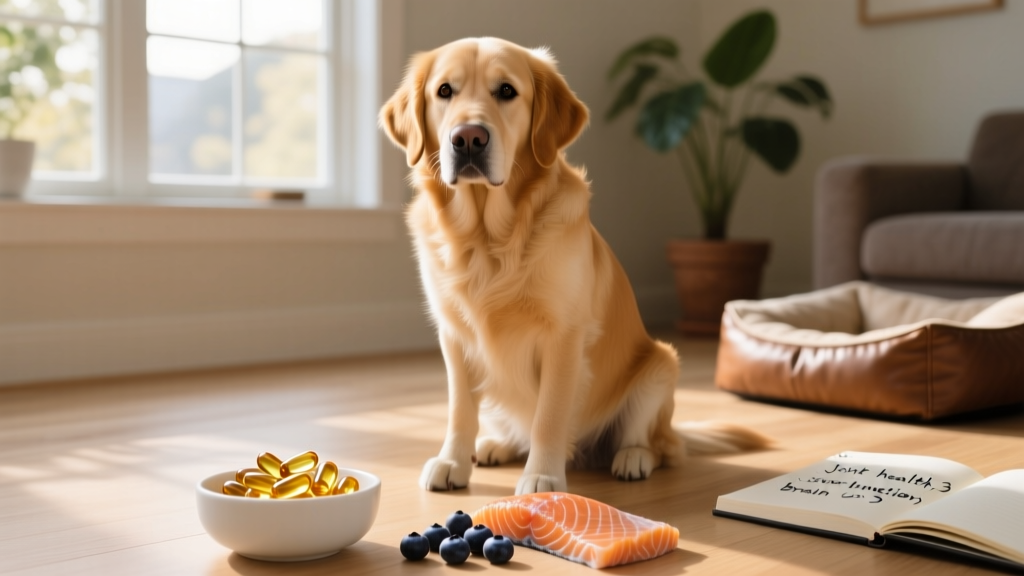
Can Dogs Eat Bell Peppers? A Complete Safety & Feeding Guide
Can dogs eat bell peppers safely? Learn serving sizes by weight, prep methods, nutritional benefits, risks, and when to avoid feeding peppers to your dog.

The Verdict: Can Dogs Eat Bell Peppers?
Bell peppers (all colors: red, green, yellow, orange) are non-toxic and safe for dogs to eat in appropriate portions. They are low in calories and rich in vitamins A, C, and E. However, they should be served plain — no seasoning, oils, or stuffed varieties — and introduced gradually to avoid digestive upset. Always remove the stem and seeds before feeding.
If you've been wondering whether that crunchy bell pepper strip is okay to share with your dog, the answer is a confident yes. Bell peppers belong to the Capsicum annuum species, but unlike their spicy relatives (jalapeños, habaneros), bell peppers contain virtually zero capsaicin — the compound that causes burning heat. This makes them one of the safest pepper-family vegetables you can offer your dog.
That said, "safe" doesn't mean "unlimited." Bell peppers are high in fiber and natural sugars relative to other dog-safe vegetables, so portion control matters. Overfeeding can lead to gastrointestinal upset, including gas, loose stools, or vomiting. Below, we break down exactly how much to feed, how to prepare them, and which dogs should skip peppers altogether.
How Much Bell Pepper Can I Give My Dog?
The general veterinary nutrition guideline is that treats and supplemental foods — including fruits and vegetables — should not exceed 10% of your dog's daily caloric intake. A medium bell pepper contains roughly 30-40 calories, so even for large dogs, you're working with modest portions.
| Dog Weight Class | Weight Range | Daily Bell Pepper Serving | Piece Equivalent |
|---|---|---|---|
| Toy / Small | Under 15 lb (7 kg) | 1–2 tablespoons, finely chopped | About ⅛ of a medium pepper |
| Medium | 15–40 lb (7–18 kg) | 2–4 tablespoons, chopped | About ¼ of a medium pepper |
| Large | 40–80 lb (18–36 kg) | ¼ to ½ cup, chopped or sliced | About ⅓ to ½ of a medium pepper |
| Giant | Over 80 lb (36+ kg) | ½ to ¾ cup, chopped or sliced | About ½ of a medium pepper |
Feeding frequency: Bell peppers are best offered 2–3 times per week as a treat or meal topper, not daily. Rotating with other safe vegetables (green beans, carrots, cucumber) ensures a broader nutrient profile and reduces the risk of repetitive digestive irritation.
How Should I Prepare Bell Peppers for My Dog?
Preparation matters more than most owners realize. The tough outer skin and fibrous interior of a raw bell pepper can be difficult for dogs — especially small breeds — to chew and digest properly. Here's the recommended approach:
Step-by-Step Preparation
- Wash thoroughly — Rinse under cool water to remove pesticide residue. If possible, choose organic peppers or soak conventional peppers in a baking soda solution (1 tsp per 2 cups water) for 12-15 minutes, then rinse.
- Remove the stem, core, and seeds — The stem is a choking hazard and may contain trace solanine (a nightshade compound). Seeds are not toxic but are difficult to digest and can cause intestinal irritation in sensitive dogs.
- Cut into appropriate sizes — For small dogs, finely dice into ¼-inch pieces. For medium and large dogs, thin strips or ½-inch chunks work well. Avoid large whole pieces, which pose a choking risk.
- Cook for easier digestion (recommended) — Lightly steaming or roasting bell peppers without oil or seasoning breaks down the cellulose cell walls, making nutrients more bioavailable and reducing gas-producing fiber. Steam for 3–5 minutes until just tender.
- Serve plain — No salt, garlic, onion powder, butter, olive oil, or seasoning blends. Many common pepper seasonings (garlic, onion) are toxic to dogs.
Raw vs. cooked: Raw bell pepper is safe, but cooked is generally preferable. Dogs lack the robust cellulase enzyme activity that herbivores use to break down raw plant cell walls. Cooking improves digestibility and nutrient absorption — particularly for fat-soluble vitamins like vitamin A (beta-carotene). If feeding raw, cut pieces smaller than you would for cooked pepper.
Nutritional Benefits of Bell Peppers for Dogs
Bell peppers are genuinely nutrient-dense, and red bell peppers in particular stand out. According to USDA FoodData Central, a 100-gram serving of raw red bell pepper provides the following relevant nutrients for canine health:
| Nutrient | Amount per 100g (Red Bell Pepper) | Canine Benefit |
|---|---|---|
| Vitamin C (ascorbic acid) | 128 mg | Antioxidant support; collagen synthesis for joint and skin health |
| Vitamin A (as beta-carotene) | 157 µg RAE (3,131 IU) | Vision health, immune function, epithelial tissue maintenance |
| Vitamin E (alpha-tocopherol) | 1.58 mg | Cell membrane protection; anti-inflammatory |
| Vitamin B6 (pyridoxine) | 0.29 mg | Amino acid metabolism; neurotransmitter synthesis |
| Folate (B9) | 46 µg | DNA synthesis; red blood cell formation |
| Potassium | 211 mg | Electrolyte balance; muscle and nerve function |
| Dietary Fiber | 2.1 g | Gut motility; prebiotic support for beneficial gut bacteria |
| Calories | 31 kcal | Low-calorie treat option for weight management |
Color matters: Red bell peppers contain significantly more vitamin A (roughly 8x more) and vitamin C (about 1.5x more) than green bell peppers. Green peppers are simply unripe red/yellow/orange peppers, so their nutrient profile is less concentrated. If you're choosing a single color to feed, red offers the most nutritional value per calorie.
A note on vitamin C: Unlike humans, dogs synthesize their own vitamin C in the liver, so dietary vitamin C is not an essential requirement for healthy dogs. However, supplemental vitamin C from food sources can provide additional antioxidant support, particularly for senior dogs, working dogs, or dogs under physiological stress. According to the Merck Veterinary Manual, excess water-soluble vitamin C is generally excreted in urine, making toxicity unlikely from food sources.
What Happens If My Dog Eats Too Much Bell Pepper?
While bell peppers are non-toxic, overconsumption can cause uncomfortable — though typically self-limiting — gastrointestinal symptoms. Here's what to watch for if your dog raids the crisper drawer:
- Gas and bloating — The fiber and natural sugars (fructose) in bell peppers can ferment in the large intestine, producing gas. This is more common with raw peppers.
- Diarrhea or loose stools — Excess fiber accelerates gut transit time. A single episode is usually not concerning; multiple episodes warrant monitoring.
- Vomiting — Some dogs will vomit undigested pepper pieces, particularly if they swallowed large chunks without adequate chewing.
- Abdominal discomfort — You may notice your dog assuming a "prayer position" (front end down, rear end up) or showing reluctance to be picked up.
When to Call Your Veterinarian
Contact your vet or an emergency clinic if your dog exhibits any of the following after eating bell peppers:
- Vomiting that persists beyond 12 hours or more than 3 episodes
- Bloody diarrhea or stools with mucus
- Signs of abdominal pain (whining, restlessness, hunched posture)
- Lethargy or weakness lasting more than 24 hours
- Refusal to eat or drink for more than 18 hours
- Any signs of an allergic reaction: facial swelling, hives, difficulty breathing
ASPCA Animal Poison Control: (888) 426-4435 (24/7, consultation fee applies) — call if your dog consumed peppers prepared with toxic ingredients like garlic, onion, or xylitol-containing sauces.
Dogs Who Should NOT Eat Bell Peppers
While bell peppers are broadly safe, certain dogs should avoid them or require veterinary approval before introduction:
- Dogs with inflammatory bowel disease (IBD) or chronic gastroenteritis — The fiber content and cellulose structure can aggravate an already inflamed intestinal lining. Your vet may recommend a low-residue diet that excludes raw vegetables entirely.
- Dogs with a history of pancreatitis — While bell peppers themselves are low-fat, any dietary change or new food introduction can trigger a flare-up in predisposed dogs (Miniature Schnauzers, Yorkshire Terriers, Cocker Spaniels are at higher risk). Introduce only with veterinary guidance.
- Puppies under 12 weeks — Very young puppies have immature digestive systems and are typically transitioning through weaning diets. Stick to puppy-formulated food and treats approved by your veterinarian.
- Dogs on prescription diets — If your dog is eating a veterinary therapeutic diet (e.g., Hill's i/d, Royal Canin GI), adding supplemental foods can alter the carefully balanced nutrient ratios. Always consult your vet first.
- Dogs with known nightshade sensitivity — Bell peppers are members of the Solanaceae (nightshade) family. While true nightshade allergies are rare in dogs, some individuals with immune-mediated conditions may show sensitivity. If your dog has reacted to tomatoes or eggplant, exercise caution.
Related Foods to Avoid
It's easy to assume that if bell peppers are safe, all peppers are safe. That's not the case. Here's a quick reference for pepper-family and commonly confused foods:
| Food | Safe for Dogs? | Notes |
|---|---|---|
| Bell peppers (all colors) | ✅ Yes | Safe in appropriate portions, plain and seedless |
| Jalapeño peppers | ❌ No | Capsaicin causes oral and GI burning, pain, vomiting, diarrhea |
| Habanero / chili peppers | ❌ No | Extremely high capsaicin; can cause severe GI distress and oral blistering |
| Cayenne pepper (powder) | ❌ No | Irritant to mucous membranes; sometimes used as a deterrent spray |
| Black pepper | ⚠️ Avoid | Not toxic in tiny amounts but irritating to canine GI tract; no benefit |
| Stuffed peppers (human recipes) | ❌ No | Typically contain garlic, onion, high-fat meats, and seasonings toxic to dogs |
| Pepperoncini (pickled) | ❌ No | High sodium content and vinegar can cause GI upset and sodium ion concerns |
| Roasted red peppers (jarred) | ⚠️ Caution | Often packed in oil, garlic, or brine — check ingredients; plain is acceptable in small amounts |
How to Introduce Bell Peppers Safely
Any new food should be introduced using a gradual protocol to identify potential sensitivities before they become serious problems:
- Day 1: Offer a single small piece (approximately ½ teaspoon for small dogs, 1 teaspoon for medium/large dogs) of cooked, plain bell pepper. Mix it into their regular food or offer as a hand-fed treat.
- Days 1–2: Monitor stool quality, appetite, energy level, and any signs of itching, ear scratching, or facial swelling. Food allergies in dogs most commonly manifest as skin reactions rather than GI symptoms, according to AKC veterinary resources.
- Days 3–4: If no adverse reactions, increase to the full weight-appropriate serving size listed in the table above.
- Ongoing: Feed 2–3 times per week as part of a rotation of safe vegetables. Do not replace balanced commercial or veterinary-formulated meals with vegetable supplements.
Pro tip for picky eaters: Some dogs reject the texture of cooked bell pepper but will eagerly eat dehydrated pepper strips as a crunchy treat. You can dehydrate thin slices at 135°F (57°C) for 6–8 hours in a food dehydrator. Store in an airtight container for up to 2 weeks. This works especially well for training sessions as a low-calorie, high-value reward compatible with positive reinforcement methods.
Frequently Asked Questions
Can dogs eat bell pepper seeds?
Bell pepper seeds are not toxic, but they are difficult for dogs to digest and can irritate the intestinal lining. They also pose a minor choking risk for small breeds. Always remove seeds before feeding bell peppers to your dog.
Can dogs eat raw bell peppers?
Yes, raw bell peppers are safe. However, cooking (steaming or roasting without seasoning) improves digestibility and nutrient absorption by breaking down tough cellulose. If feeding raw, cut into very small pieces to reduce choking risk and improve digestion.
Is red bell pepper better than green for dogs?
Nutritionally, yes. Red bell peppers contain approximately 8 times more vitamin A (beta-carotene) and 1.5 times more vitamin C than green bell peppers. They also tend to be sweeter, which some dogs prefer. All colors are safe, but red offers the highest nutrient density.
Can puppies eat bell peppers?
Puppies over 12 weeks of age can eat small amounts of cooked, plain bell pepper. However, puppies have sensitive digestive systems, so start with a very small portion (¼ teaspoon) and monitor closely. Puppies under 12 weeks should stick to their weaning or puppy-specific diet. Always consult your veterinarian before introducing human foods to young puppies.
Can dogs eat bell peppers every day?
It's not recommended. Feeding bell peppers daily can lead to excess fiber intake, which may cause chronic soft stools or gas. Offer bell peppers 2–3 times per week as part of a varied treat rotation that includes other dog-safe vegetables like carrots, green beans, and cucumber.
Are bell peppers a nightshade, and is that a problem?
Yes, bell peppers are part of the Solanaceae (nightshade) family, which also includes tomatoes, eggplant, and potatoes. The stems and leaves of nightshade plants contain solanine, which is why you should always remove the stem before feeding. The fruit (the pepper itself) contains negligible solanine and is safe. True nightshade allergies in dogs are rare but possible — introduce cautiously and watch for skin or GI reactions.
Disclaimer: This article is for informational purposes only and does not replace professional veterinary advice. Always consult your veterinarian before making significant changes to your dog's diet, especially if your dog has pre-existing health conditions or is on a prescription diet.
Anouk Beaumont
All our authors care for dogs every day — read more of their work on the authors page.