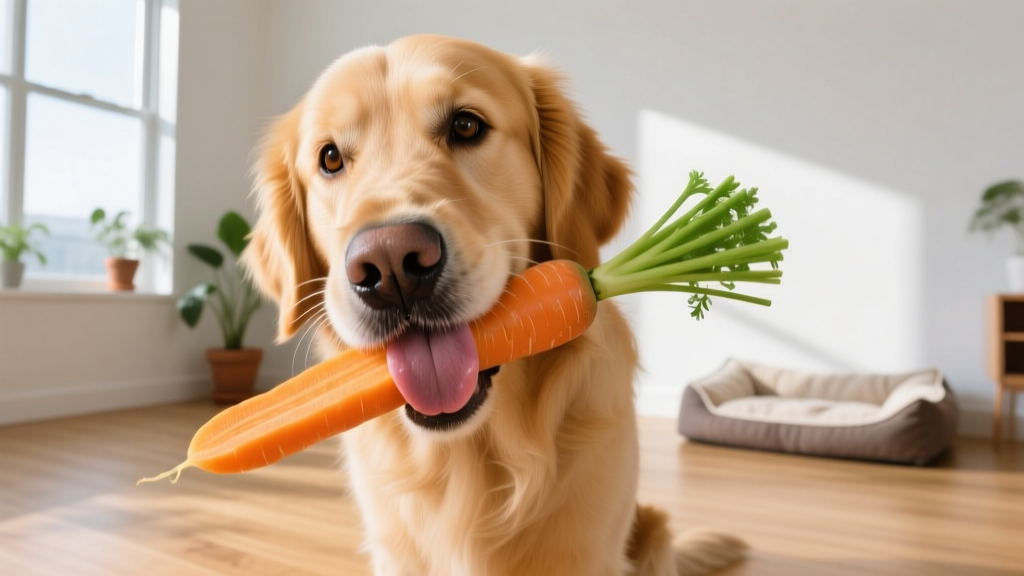
Why Won't My Dog Eat Her Food? Safe Human Foods That Actually Help
Why won't my dog eat her food? Discover vet-approved human food toppers, exact serving sizes, and strategies to entice picky eaters safely in 2026.

If you've ever stood over a full bowl wondering why won't my dog eat her food, you're not alone. Picky eating affects an estimated 25-30% of pet dogs, and one of the most effective strategies veterinary nutritionists recommend is adding safe human food toppers to make kibble more appealing. The short answer to "can I add human food to my dog's bowl?" is:
Plain, unseasoned human foods like cooked chicken, plain pumpkin, scrambled eggs, and steamed vegetables are safe and effective meal toppers for most healthy adult dogs. However, portions must stay under 10% of daily caloric intake, and several common human foods (onions, garlic, xylitol, grapes) are outright toxic. Always consult your veterinarian before making dietary changes, especially for dogs with existing health conditions.
This guide covers exactly which human foods work as appetite stimulants, how much to serve based on your dog's weight, how to prepare them safely, and when food refusal signals a medical problem rather than simple pickiness.
When Food Refusal Means a Vet Visit, Not a New Recipe
Before you start adding toppers, rule out medical causes. According to the Merck Veterinary Manual, sudden appetite loss (anorexia) lasting more than 24 hours in adult dogs — or any duration in puppies under 6 months — warrants veterinary evaluation. Red flags that indicate illness rather than pickiness include:
- Complete food refusal for 48+ hours (24 hours for toy breeds under 10 lb / 4.5 kg due to hypoglycemia risk)
- Vomiting, diarrhea, or blood in stool alongside food refusal
- Lethargy, hiding, or reluctance to move
- Excessive drooling or pawing at the mouth (possible dental disease)
- Weight loss exceeding 5% of body weight in one week
- Increased water consumption paired with decreased eating
Your dog hasn't eaten in 48 hours, is vomiting repeatedly, shows signs of abdominal pain (hunched posture, whining when picked up), or if a puppy under 6 months refuses food for more than 12 hours. Small-breed puppies can develop life-threatening hypoglycemia within hours of not eating.
The 7 Best Human Food Toppers for Picky Eaters
These seven foods are safe, palatable, and nutritionally beneficial for most dogs. They're ranked by veterinary nutritionist recommendations and palatability research from the American Kennel Club.
1. Cooked Chicken Breast (Skinless, Boneless)
The gold standard for bland diets and food toppers. Chicken provides 31g of protein per 100g serving (human reference), making it highly aromatic and appealing to dogs. Shred or dice into pea-sized pieces and mix into kibble.
2. Plain Canned Pumpkin (Not Pie Filling)
Rich in soluble fiber (7g per cup), pumpkin aids digestion and adds natural sweetness. Ensure the label reads "100% pumpkin" — never pumpkin pie filling, which contains xylitol, nutmeg, or added sugars that are toxic to dogs.
3. Scrambled Eggs (No Butter or Oil)
Eggs provide complete amino acid profiles plus biotin and selenium. One large egg contains approximately 6g protein and 70 calories. Cook thoroughly to eliminate salmonella risk; never feed raw eggs regularly due to avidin interference with biotin absorption.
4. Plain Greek Yogurt (Unsweetened, Full-Fat)
Provides probiotics (Lactobacillus and Bifidobacterium strains) plus calcium. Choose plain varieties only — flavored yogurts often contain xylitol. Limit to dogs who tolerate lactose; many adult dogs are lactose-intolerant.
5. Steamed Sweet Potato (No Skin)
High in beta-carotene (converted to vitamin A), vitamin B6, and potassium. Sweet potatoes must be cooked — raw sweet potato is difficult to digest and poses a choking hazard. Remove skin to reduce fiber overload.
6. Low-Sodium Bone Broth (Onion/Garlic-Free)
Pouring warm bone broth over kibble releases aromatic compounds that stimulate appetite. Verify the ingredient list contains zero onion, garlic, or leek derivatives. Homemade is safest: simmer beef or chicken bones in water for 12-24 hours, strain, and refrigerate until fat solidifies on top (skim and discard the fat layer).
7. Blueberries (Fresh or Frozen)
Low-calorie (84 calories per cup) and rich in antioxidants including anthocyanins and vitamin C. Serve whole for small dogs or halved for toy breeds to reduce choking risk. Avoid dried blueberries, which concentrate sugar.
Exact Serving Sizes by Dog Weight
The 10% rule is non-negotiable: toppers and treats combined should never exceed 10% of your dog's daily caloric intake. Here are specific portions based on weight class, assuming the topper replaces an equivalent amount of kibble calories:
| Dog Weight | Daily Calorie Budget | Max Topper Calories (10%) | Chicken (cooked) | Pumpkin (plain) | Egg | Blueberries |
|---|---|---|---|---|---|---|
| 5-15 lb (2.3-6.8 kg) | 150-400 kcal | 15-40 kcal | 1-2 tbsp shredded | 1 tsp | ¼ of a large egg | 2-3 berries |
| 16-30 lb (7.3-13.6 kg) | 400-700 kcal | 40-70 kcal | 2-3 tbsp shredded | 1 tbsp | ½ of a large egg | 5-6 berries |
| 31-60 lb (14-27 kg) | 700-1200 kcal | 70-120 kcal | ¼ cup diced | 2 tbsp | 1 whole large egg | 8-10 berries |
| 61-100 lb (28-45 kg) | 1200-1800 kcal | 120-180 kcal | ⅓ cup diced | 3 tbsp | 1 whole large egg | 12-15 berries |
| 100+ lb (45+ kg) | 1800-2500 kcal | 180-250 kcal | ½ cup diced | ¼ cup | 1-2 whole large eggs | 15-20 berries |
Nutritional Benefits: What These Toppers Actually Provide
| Food | Key Nutrients | Primary Benefit for Dogs | Calories per Serving Unit |
|---|---|---|---|
| Chicken breast (cooked, 100g) | 31g protein, niacin (B3), selenium, phosphorus | Lean muscle maintenance, high palatability | 165 kcal |
| Pumpkin (plain, 1 cup) | 7g fiber, vitamin A (245% DV), potassium, vitamin C | Digestive regulation (both diarrhea and constipation) | 83 kcal |
| Egg (large, cooked) | 6g protein, biotin, selenium, riboflavin, vitamin D | Complete amino acid profile, coat health | 70 kcal |
| Greek yogurt (plain, 100g) | 10g protein, calcium (110mg), probiotics, B12 | Gut microbiome support, bone health | 59 kcal |
| Sweet potato (cooked, 100g) | Beta-carotene, vitamin B6 (0.2mg), potassium (337mg), manganese | Antioxidant support, sustained energy | 90 kcal |
| Blueberries (1 cup) | Anthocyanins, vitamin C (14mg), vitamin K (29mcg), fiber (3.6g) | Antioxidant protection, low-calorie treat | 84 kcal |
Preparation Requirements: How to Serve Each Food Safely
Universal Preparation Rules
- No seasoning, ever. No salt, pepper, garlic powder, onion powder, butter, or oil. Dogs' sodium tolerance is far lower than humans', and many seasonings contain toxic compounds.
- Cook all animal proteins thoroughly. Internal temperature should reach 165°F (74°C) for poultry and 145°F (63°C) for other meats to eliminate salmonella and E. coli.
- Remove all bones, seeds, pits, and skins. Cooked bones splinter and can perforate the GI tract. Fruit pits contain cyanogenic glycosides. Skins are difficult to digest.
- Cut into appropriate sizes. For dogs under 20 lb (9 kg), pieces should be pea-sized. For medium dogs, dime-sized. For large dogs, no larger than a grape to prevent choking.
- Cool to room temperature before serving to avoid oral burns and to prevent destroying heat-sensitive nutrients like vitamin C in fruits.
Food-Specific Prep
- Chicken: Boil or bake skinless breast. Shred with forks or dice into uniform pieces. Store refrigerated up to 3 days or frozen up to 2 months.
- Pumpkin: Use canned 100% pumpkin (not pie filling). No heating required. Refrigerate opened cans and use within 5-7 days, or freeze in ice cube trays for single-serve portions.
- Eggs: Scramble in a non-stick pan without oil or butter, or hard-boil. Chop finely. Discard any uneaten egg after 2 hours at room temperature.
- Yogurt: Serve cold or at room temperature straight from the container. Stir into kibble or freeze in silicone molds for a summer treat.
- Sweet potato: Steam or bake at 400°F (200°C) until fork-tender (45-60 minutes). Remove skin, mash or cube. Never serve raw.
- Bone broth: Simmer bones in water (no vegetables or seasonings) for 12-24 hours. Strain through cheesecloth. Skim fat after refrigeration. Warm to body temperature (101°F / 38°C) before pouring over food.
- Blueberries: Wash thoroughly. Serve fresh or frozen. Halve for toy breeds. No cooking needed.
Potential Risks and Side Effects
Even safe foods carry risks when introduced improperly or fed in excess:
- Digestive upset: The most common side effect of introducing new foods. Diarrhea, soft stools, or gas typically appear within 6-12 hours of feeding. This is why gradual introduction matters.
- Allergic reactions: Though uncommon (food allergies affect roughly 1-2% of dogs with skin conditions per ASPCA), chicken and eggs are among the top food allergens in dogs. Watch for itching, ear infections, paw licking, or facial swelling within 24-48 hours.
- Pancreatitis risk: High-fat toppers (butter, cheese, fatty meat cuts) can trigger pancreatitis, especially in predisposed breeds like Miniature Schnauzers, Yorkshire Terriers, and Cocker Spaniels. Stick to lean proteins.
- Choking hazards: Whole blueberries, large chunks of sweet potato, or stringy chicken pieces can lodge in the trachea of small dogs. Always size-appropriate your portions.
- Obesity: Even 10% extra calories daily leads to measurable weight gain over months. A 30 lb dog receiving just 50 excess calories daily will gain approximately 5 lb (2.3 kg) over one year — a 17% body weight increase.
- Nutritional imbalance: Toppers exceeding 10% of intake can dilute the complete-and-balanced nutrition provided by AAFCO-formulated kibble, leading to calcium-phosphorus ratio disruption or vitamin deficiencies over time.
Foods to Absolutely Avoid (Related Toxic Foods)
When searching for appetite-boosting toppers, dog owners sometimes encounter dangerous misinformation. These foods are related to safe options above but are toxic and must never be fed:
- Cooked bones (related to chicken/bone broth): Splinter into sharp fragments causing GI perforation, esophageal obstruction, or peritonitis.
- Pumpkin pie filling (related to plain pumpkin): Contains xylitol (causes rapid insulin release and liver failure), nutmeg (contains myristicin, a neurotoxin), and excessive sugar.
- Raisins and currants (related to blueberries as dried fruit snacks): Cause acute kidney failure in dogs. The toxic mechanism is not fully understood, but even 1-2 raisins per 10 lb of body weight can be dangerous. If ingested, call ASPCA Animal Poison Control at (888) 426-4435 immediately (24/7, consultation fee applies).
- Onion, garlic, chives, and leeks (sometimes added to bone broth recipes): Contain N-propyl disulfide, which destroys red blood cells causing hemolytic anemia. Toxic at approximately 15-30g per kg of body weight, but cumulative smaller doses also cause damage.
- Macadamia nuts (sometimes suggested as protein toppers): Cause weakness, vomiting, tremors, and hyperthermia within 12 hours. Toxic dose as low as 2.4g per kg body weight.
- Avocado (sometimes suggested for healthy fats): Contains persin, which causes vomiting and diarrhea. The pit is also a severe obstruction risk.
- Raw bread dough (yeast dough expands in stomach, producing ethanol and causing bloat/GDV).
How to Introduce New Food Toppers Safely
Follow this 5-day introduction protocol to minimize digestive upset:
- Day 1-2: Add 25% of the target serving size. For a 30 lb dog, this means roughly ½ tbsp of pumpkin or 2-3 small pieces of chicken mixed into the regular meal.
- Day 3-4: Increase to 50% of the target serving size if no vomiting, diarrhea, or excessive gas has occurred.
- Day 5: Introduce the full target serving size. Continue monitoring stool quality using the 1-7 fecal scoring system (ideal is 2-3: firm, segmented, easy to pick up).
- Introduce one new food at a time. Wait 3-5 days between adding different toppers so you can identify which food causes a reaction if one occurs.
- Keep a food diary for the first 2 weeks: record what you fed, the amount, your dog's appetite level (1-5 scale), and stool quality. This data is invaluable if you need to consult a veterinary nutritionist.
Dogs Who Should NOT Receive Human Food Toppers
Some dogs require strict dietary management where toppers can interfere with treatment or worsen conditions:
- Dogs with pancreatitis: Any added fat or protein variation can trigger a flare. Stick to the prescription diet your vet recommends.
- Dogs with food allergies or inflammatory bowel disease (IBD): Novel protein trials require strict elimination diets. Introducing random toppers invalidates the trial.
- Dogs with kidney disease (CKD): Protein and phosphorus must be carefully controlled. Random toppers can exceed renal diet parameters.
- Dogs on prescription weight-loss diets: Extra calories, even from "healthy" toppers, undermine caloric restriction protocols.
- Puppies under 12 weeks: Their digestive systems are too immature for dietary variation, and nutritional imbalances affect growth plates and skeletal development.
- Dogs with diabetes: Carbohydrate-containing toppers (pumpkin, sweet potato, blueberries) alter blood glucose curves and insulin requirements.
For any of these conditions, consult your veterinarian before adding anything to your dog's prescribed diet.
Beyond Toppers: Why Dogs Refuse Food (and What to Do)
Understanding why your dog won't eat helps you choose the right strategy. Common non-medical causes include:
- Food fatigue: Dogs eating the same kibble for months may lose interest. Rotating between 2-3 AAFCO-approved formulas (transitioning over 7 days) can maintain appetite.
- Stale or rancid kibble: Dry food oxidizes after opening. Store kibble in the original bag inside an airtight container, and use within 30 days of opening. If the food smells "off" or oily, replace it.
- Stress or environmental changes: Moving, new pets, construction noise, or schedule changes suppress appetite. Feed in a quiet, low-traffic area and maintain consistent meal times.
- Dental pain: Periodontal disease affects over 80% of dogs by age 3. If your dog approaches the bowl, sniffs, and walks away, oral pain is a likely culprit. A veterinary dental exam is essential.
- Free-feeding: Leaving food available 24/7 reduces meal-time motivation. Transition to scheduled meals (twice daily for adults, three times for puppies) with 15-20 minute feeding windows.
- Excessive treats: If your dog receives treats totaling more than 10% of daily calories between meals, she may simply not be hungry at dinner. Audit all treat sources including those given by other household members.
Frequently Asked Questions
Can I mix wet dog food with kibble instead of human food?
Absolutely. Mixing canned dog food with kibble is often a safer first approach because it maintains the complete-and-balanced nutritional profile. Use a 50/50 ratio or adjust based on your dog's preference. Wet food provides higher moisture content (75-80% water vs. 10% in kibble), which benefits hydration.
How long can I safely use human food toppers?
Indefinitely, as long as toppers stay under 10% of total daily calories and your dog's primary diet is an AAFCO complete-and-balanced food. However, if your dog becomes dependent on toppers to eat at all, consult a veterinary behaviorist — this can indicate an underlying anxiety or medical issue.
My dog eats human food but refuses kibble entirely. What should I do?
This is a behavioral pattern that needs correction. Gradually reduce the topper ratio over 7-10 days while warming the kibble slightly (microwave for 5-10 seconds to release aromas). If refusal persists beyond 48 hours with reduced toppers, schedule a veterinary exam to rule out oral pain or illness.
Are there any commercial food toppers I should consider?
Yes. Freeze-dried toppers like Stella & Chewy's Meal Mixers or Honest Kitchen Pour Overs provide convenience with controlled calorie counts. These typically cost $15-$30 per container and last 2-4 weeks for a medium dog. Look for products with an AAFCO nutritional adequacy statement.
Can food toppers cause my dog to become a pickier eater?
Possibly, if used reactively rather than strategically. The key is consistency: decide on your topper protocol and stick to it rather than escalating toppers every time your dog hesitates. Dogs learn quickly that refusing food results in something better — this is operant conditioning working against you.
What if my dog is allergic to chicken but I need a protein topper?
Use novel proteins your dog hasn't been exposed to: cooked turkey, lean ground beef (drained of fat), or cooked white fish like cod. Introduce one at a time following the 5-day protocol above. For dogs with multiple food sensitivities, a veterinary nutritionist can design a custom topper plan.
This article is for educational purposes and does not replace professional veterinary advice. Always consult your veterinarian before making changes to your dog's diet, especially if your dog has existing health conditions or is on prescription nutrition.
Tom Renshaw
All our authors care for dogs every day — read more of their work on the authors page.