Can Dogs Eat Carrots Raw? A Complete Safety and Serving Guide
Can dogs eat carrots raw? Yes — learn safe serving sizes by weight, preparation tips, nutritional benefits, and when to call the vet.
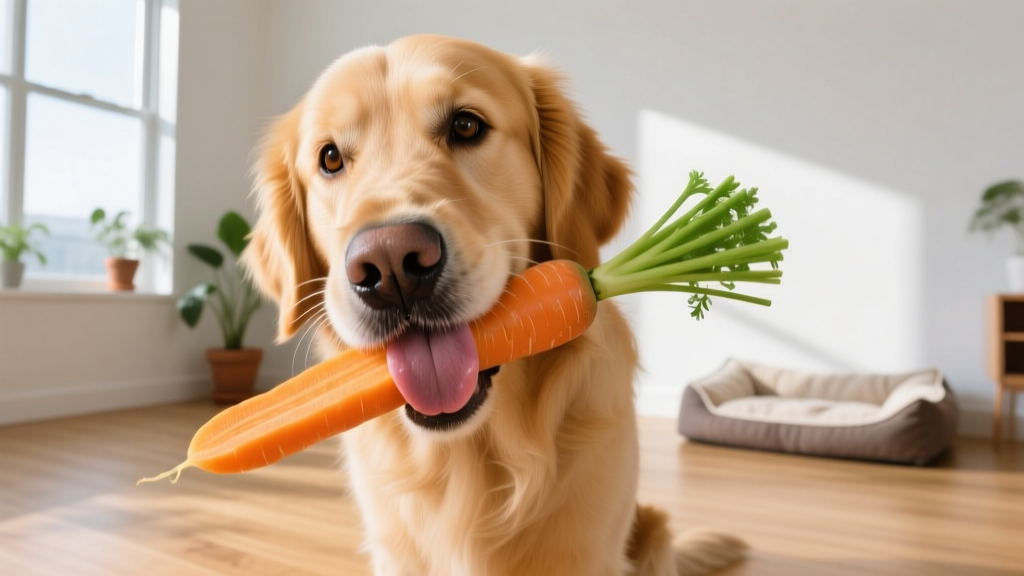
The Quick Answer: Can Dogs Eat Carrots Raw?
Raw carrots are non-toxic, low-calorie, and packed with beta-carotene, fiber, and vitamin K1. They make an excellent crunch treat for most dogs. However, whole raw carrots pose a choking risk for small breeds and puppies, so proper preparation — cutting into bite-sized pieces — is essential. Always introduce any new food gradually and monitor your dog for 24–48 hours.
Carrots rank among the safest human foods you can share with your dog. According to the American Kennel Club, both raw and cooked carrots are appropriate for canine consumption, provided they're served plain without butter, salt, or seasoning. The ASPCA does not list carrots among toxic plants for dogs, confirming their safety profile.
That said, "safe" doesn't mean "unlimited." Carrots contain natural sugars (about 4.7g per 100g of raw carrot, per USDA data), and overfeeding can lead to gastrointestinal upset or unwanted weight gain. Below, we break down exactly how much to serve, how to prepare them, and which dogs should skip this snack entirely.
How Much Raw Carrot Can I Give My Dog?
The right portion depends on your dog's weight and overall daily caloric intake. Treats — including vegetables — should not exceed 10% of your dog's total daily calories, a guideline supported by the American Veterinary Medical Association. Here are specific serving sizes:
| Dog Weight Class | Weight Range | Raw Carrot Serving Size | Max Frequency |
|---|---|---|---|
| Toy/Small | Under 20 lb (9 kg) | 1–2 baby carrots or 2–3 thin slices (approx. 10–15g) | Once daily |
| Medium | 20–50 lb (9–23 kg) | 2–3 baby carrots or 4–5 thin slices (approx. 20–30g) | |
| Large | 50–90 lb (23–41 kg) | 1 small whole carrot or 6–8 slices (approx. 40–50g) | |
| Giant | Over 90 lb (41+ kg) | 1–1.5 medium carrots (approx. 50–75g) |
For context, one medium raw carrot (about 61g) contains roughly 25 calories. A 30 lb (14 kg) dog eating 750 calories per day should get no more than 75 calories from treats — so a few carrot slices fit comfortably within that budget. If you're also giving training treats, kibble toppers, or other snacks, reduce the carrot portion accordingly.
Nutritional Benefits of Raw Carrots for Dogs
Raw carrots deliver a solid nutritional profile without the calorie load of most commercial treats. Here's what a single medium carrot (61g) provides, based on USDA FoodData Central values:
| Nutrient | Amount per Medium Carrot (61g) | Benefit for Dogs |
|---|---|---|
| Calories | 25 kcal | Low-calorie treat alternative |
| Beta-Carotene (Vitamin A precursor) | 5,050 µg | Supports vision, immune function, and skin health |
| Vitamin K1 | 8.1 µg | Essential for blood clotting |
| Potassium | 195 mg | Muscle and nerve function |
| Dietary Fiber | 1.7 g | Promotes healthy digestion and stool firmness |
| Vitamin C | 3.6 mg | Antioxidant support (dogs synthesize their own, but supplemental amounts can help) |
| Sugar (natural) | 2.9 g | Energy source — but reason to limit portions |
Important note on beta-carotene: Dogs convert beta-carotene to vitamin A less efficiently than humans do. While raw carrots still provide this nutrient, cooking (especially light steaming) breaks down the carrot's cell walls and makes beta-carotene more bioavailable. If maximizing vitamin A intake is your goal, lightly steamed carrots are the better choice.
How to Prepare Raw Carrots for Your Dog
Preparation matters more than most owners realize. A whole raw carrot can lodge in a small dog's trachea, and carrot skin can carry pesticide residue or soil bacteria. Follow these steps:
- Wash thoroughly. Scrub carrots under running water with a vegetable brush for at least 15 seconds. If using non-organic carrots, consider a brief soak in a 1:3 vinegar-to-water solution to reduce surface pesticide residue, then rinse again.
- Peel (optional but recommended). The skin holds the highest concentration of pesticide residue in conventionally grown carrots. Peeling removes this risk, though organic carrots can be served unpeeled after washing.
- Cut to appropriate size. For small dogs (under 20 lb), cut into rounds no thicker than ¼ inch or quarter baby carrots lengthwise. For medium dogs, ½-inch rounds work well. Large dogs can handle thicker rounds or halved baby carrots.
- Serve plain. No butter, salt, honey glaze, ranch dressing, or seasoning. Dogs don't need flavor enhancement, and many seasonings (garlic powder, onion powder) are toxic to dogs.
- Supervise chewing. Especially the first few times. Some dogs gulp rather than chew, and a piece of raw carrot lodged in the throat is a genuine emergency.
Raw vs. cooked — which is better? Raw carrots retain more vitamin C and provide a satisfying crunch that can help mechanically clean teeth (though they are not a substitute for dental care). Cooked carrots — steamed or boiled without seasoning — are easier to digest and offer more bioavailable beta-carotene. Both are safe; the choice depends on your dog's preference and digestive sensitivity.
What Happens If My Dog Eats Too Many Carrots?
Carrots are non-toxic, so an overindulgence won't trigger the same emergency response as chocolate or xylitol ingestion. However, eating too many carrots can cause several issues:
- Gastrointestinal upset: The fiber and natural sugar content can cause loose stools, gas, or mild diarrhea — especially in dogs not accustomed to vegetable fiber. This typically resolves within 24–48 hours once you stop feeding carrots.
- Choking or intestinal blockage: Large, unchewed chunks of raw carrot can obstruct the esophagus or intestines, particularly in small breeds. Signs include retching, pawing at the mouth, drooling, or refusal to eat. This is an emergency — call your vet immediately.
- Weight gain: While low in calories compared to most treats, carrots still contribute to daily caloric intake. A dog receiving multiple carrots daily on top of regular meals may gradually gain weight.
- Orange-tinged stool: Harmless but common with high beta-carotene intake. If you notice this, simply reduce the serving size.
- Repeated gagging, retching, or pawing at the mouth (possible choking)
- Difficulty breathing or noisy breathing
- Vomiting that persists beyond 12 hours
- Lethargy combined with refusal to eat or drink
- Signs of abdominal pain (hunched posture, whining when picked up)
If you suspect your dog has ingested a toxic substance alongside the carrots (e.g., a seasoned dish containing garlic or onion), contact the ASPCA Animal Poison Control Center at (888) 426-4435 (24/7, consultation fee applies).
Which Dogs Should NOT Eat Raw Carrots?
While carrots are safe for the vast majority of dogs, certain populations need modified serving approaches or should avoid raw carrots altogether:
- Puppies under 4 months: Their teeth are still developing, and their digestive systems are sensitive. If you want to introduce carrots, offer them finely grated or lightly steamed and mashed. Wait until after the initial puppy vaccination series is complete before introducing new foods to avoid confounding any vaccine reactions.
- Dogs with dental disease or missing teeth: Raw carrots are hard. Dogs with periodontal disease, fractured teeth, or significant tooth loss may struggle to chew them safely. Steamed or grated carrots are a better option.
- Dogs with diabetes: Carrots have a moderate glycemic index (approximately 35 for raw). While the glycemic load per serving is low due to the small portion size, dogs on strict diabetic management plans should have any new carbohydrate source approved by their veterinarian.
- Dogs prone to urinary calcium oxalate stones: Carrots contain moderate oxalates. If your dog has a history of calcium oxalate uroliths, consult your vet before making carrots a regular treat.
- Dogs on weight management plans: Carrots are a smart low-calorie treat, but they still count toward daily caloric intake. Factor them into your dog's prescribed diet plan.
Related Foods: What Else Can Dogs Eat (or Not)?
If you're exploring vegetable treats, here's how carrots compare to other common options:
| Food | Safe for Dogs? | Notes |
|---|---|---|
| Raw carrots | ✅ Yes | Low-calorie, high-fiber; cut to prevent choking |
| Cooked carrots | ✅ Yes | Easier to digest, more bioavailable beta-carotene; serve plain |
| Baby carrots | ✅ Yes | Same nutrition as regular carrots; still cut for small dogs |
| Carrot tops/greens | ✅ Yes | Non-toxic and nutritious; wash thoroughly and chop finely |
| Onions (all forms) | ❌ No — Toxic | Causes hemolytic anemia; never feed in any quantity |
| Garlic | ❌ No — Toxic | Related to onions; damages red blood cells even in small doses |
| Sweet potatoes (cooked) | ✅ Yes | Must be cooked; higher in calories than carrots |
| Celery | ✅ Yes | Low-calorie; stringy texture may pose choking risk for small dogs |
| Grapes/raisins | ❌ No — Toxic | Causes acute kidney failure; no safe dose exists |
How to Introduce Raw Carrots Safely
Any new food should be introduced gradually to monitor for individual sensitivities. Here's a practical protocol:
- Day 1: Offer a single small piece (about the size of your pinky nail for small dogs, a baby carrot round for larger dogs). Observe for the next 24 hours.
- Day 2–3: If no vomiting, diarrhea, excessive gas, or itching occurs, increase to half the recommended serving size for your dog's weight class.
- Day 4–5: If still well-tolerated, move to the full recommended serving.
- Ongoing: You can feed carrots daily at the recommended portion, but vary your dog's treat rotation to ensure a range of nutrients. Consider alternating with green beans, blueberries, or small pieces of apple (cored, seeds removed).
Pro tip for training: Raw carrot rounds make excellent low-calorie training rewards. At roughly 3–4 calories per thin slice, you can deliver many repetitions during a training session without blowing your dog's calorie budget. This is especially useful for dogs on weight management plans who still need high-frequency reinforcement during behavior work.
Frequently Asked Questions
Can dogs eat carrots raw every day?
Yes, most dogs can have the recommended serving of raw carrot daily without issue. The key is keeping portions within the 10% treat-calorie guideline and monitoring your dog's stool quality. If you notice loose stools, reduce frequency to every other day or switch to cooked carrots.
Are baby carrots safe for dogs?
Baby carrots are nutritionally identical to regular carrots and equally safe. Despite the name, they're simply regular carrots that have been machine-cut and peeled into small pieces. For small dogs, you should still cut baby carrots into smaller pieces to prevent choking.
Can raw carrots clean my dog's teeth?
The crunching action of raw carrots provides mild mechanical abrasion against tooth surfaces, which can help dislodge some food debris. However, carrots are not a substitute for veterinary dental care, tooth brushing, or dental chews approved by the Veterinary Oral Health Council (VOHC). Don't rely on carrots alone to prevent periodontal disease.
My dog ate a whole raw carrot without chewing — should I worry?
Monitor closely for the next 24–48 hours. In large dogs, a whole carrot will usually pass through the digestive tract without issue, though you may see undigested pieces in the stool. In small dogs (under 20 lb), a whole carrot poses a real obstruction risk. Watch for vomiting, refusal to eat, abdominal pain, or straining to defecate, and contact your veterinarian immediately if any of these occur.
Can dogs with kidney disease eat carrots?
Carrots are moderate in potassium (195 mg per medium carrot) and phosphorus. Dogs with chronic kidney disease (CKD) on potassium-restricted or phosphorus-restricted diets should have carrot intake approved by their veterinarian. In many cases, small amounts are acceptable, but it depends on the stage of kidney disease and the dog's individual bloodwork values.
Is carrot cake safe for dogs?
No. While the carrots in carrot cake aren't the problem, the other ingredients are. Carrot cake typically contains sugar, butter, wheat flour, and often raisins (toxic to dogs) or nutmeg (toxic in large amounts). Cream cheese frosting adds fat that can trigger pancreatitis in susceptible dogs. Stick to plain, unseasoned carrots.
Always consult your veterinarian before making significant changes to your dog's diet, especially if your dog has existing health conditions, is on prescription medication, or is fed a therapeutic diet. The information in this guide is for educational purposes and does not replace professional veterinary advice.
Dr. Hannah Wickes
All our authors care for dogs every day — read more of their work on the authors page.


