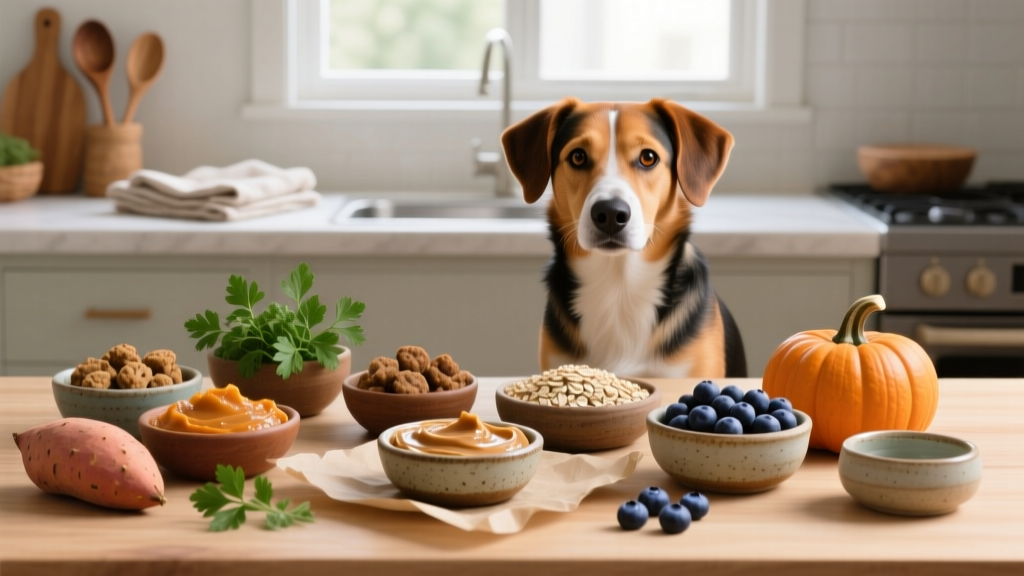
Why Do Dogs Eat Faeces and Can Safe Human Foods Help Stop It?
Learn why dogs eat faeces (coprophagia), how nutrition plays a role, and which safe human foods can help redirect this behavior with specific portions and prep tips.

If you've ever caught your dog snacking on stool—whether their own, another dog's, or even the cat's—you're not alone. Coprophagia, the clinical term for feces-eating, affects an estimated 25% of dogs at some point in their lives. While it's a deeply unsettling habit for owners, understanding why dogs eat faeces is the first step toward addressing it, and surprisingly, the right safe human foods can play a role in redirecting the behavior.
Adding specific whole foods like canned pumpkin, pineapple, and spinach to your dog's diet may reduce coprophagia by improving digestive enzyme activity and stool composition. However, these foods are supportive tools, not standalone cures. Always consult your veterinarian to rule out underlying medical causes before using dietary interventions.
Why Do Dogs Eat Faeces? Understanding the Root Causes
Coprophagia isn't a single-cause behavior. According to a frequently cited study presented at the American Veterinary Society of Animal Behavior, the behavior typically stems from one or more of the following:
- Nutritional deficiencies: Dogs lacking digestive enzymes, B-vitamins, or fiber may instinctively seek nutrients in stool. Malabsorption syndromes, exocrine pancreatic insufficiency (EPI), and intestinal parasites are common medical culprits.
- Behavioral drivers: Attention-seeking, anxiety, confinement stress, and learned behavior (puppies watching their dam clean the whelping area) all contribute.
- Environmental factors: Dogs kept in cramped spaces, fed once daily, or living in multi-dog households show higher coprophagia rates.
- Taste preference: Some dogs are simply attracted to the odor and taste, particularly of cat feces, which are high in protein and fat.
A 2018 study published in the journal Veterinary Medicine and Science found that dogs fed a single daily meal were more than twice as likely to exhibit coprophagia compared to dogs fed twice daily, suggesting hunger and digestive timing play measurable roles.
Safe Human Foods That May Help Reduce Coprophagia
Certain human foods alter stool taste, improve digestion, or address common nutritional gaps linked to coprophagia. Below are evidence-supported options with specific serving guidance.
1. Plain Canned Pumpkin (Not Pie Filling)
Pumpkin is rich in soluble fiber, which firms stool and supports healthy gut motility. The fiber also promotes a feeling of fullness, reducing hunger-driven coprophagia.
| Dog Weight | Daily Serving | Frequency |
|---|---|---|
| Under 15 lb (7 kg) | 1 teaspoon | Once daily with meals |
| 15–35 lb (7–16 kg) | 1 tablespoon | Once daily with meals |
| 36–65 lb (16–29 kg) | 2 tablespoons | Once or twice daily |
| Over 65 lb (29+ kg) | 3–4 tablespoons | Once or twice daily |
Preparation: Use 100% pure canned pumpkin (Cucurbita pepo). Check the label—pumpkin pie filling contains xylitol, nutmeg, and added sugars that are toxic to dogs. No cooking required; stir directly into kibble.
Nutritional highlights per 1 cup (245g): 3g fiber, 245% DV vitamin A, 11% DV potassium, 2.7g protein. The high fiber content slows gastric emptying, keeping dogs satiated longer.
2. Fresh Pineapple Chunks
Pineapple contains bromelain, a proteolytic enzyme that aids protein digestion. The theory is that better-digested protein makes stool less nutritionally "attractive" to dogs. Some owners also report that pineapple makes stool taste unpleasant to dogs due to its acidity.
| Dog Weight | Serving Size | Frequency |
|---|---|---|
| Under 15 lb (7 kg) | 1–2 small chunks (approx. 1 tablespoon diced) | 2–3 times per week |
| 15–35 lb (7–16 kg) | 2–3 chunks (approx. 2 tablespoons) | 2–3 times per week |
| 36–65 lb (16–29 kg) | 3–4 chunks (approx. 3 tablespoons) | 2–3 times per week |
| Over 65 lb (29+ kg) | 5–6 chunks (approx. ¼ cup) | 2–3 times per week |
Preparation: Remove the tough outer skin and hard core—both are choking hazards and difficult to digest. Cut into bite-sized pieces appropriate for your dog's size. Serve raw; cooking destroys bromelain. Do not add sugar or seasoning.
Nutritional highlights per 1 cup (165g): 2.3g fiber, 79% DV vitamin C, 76% DV manganese, 1.3g protein. The natural sugar content (16g per cup) means pineapple should remain an occasional addition, not a daily staple.
3. Cooked Spinach
Spinach provides iron, B-vitamins, and magnesium—nutrients sometimes deficient in dogs exhibiting coprophagia linked to nutritional gaps.
| Dog Weight | Serving Size | Frequency |
|---|---|---|
| Under 15 lb (7 kg) | 1 teaspoon finely chopped | 2–3 times per week |
| 15–35 lb (7–16 kg) | 1 tablespoon finely chopped | 2–3 times per week |
| 36–65 lb (16–29 kg) | 2 tablespoons | 2–3 times per week |
| Over 65 lb (29+ kg) | 3–4 tablespoons | 2–3 times per week |
Preparation: Lightly steam or boil spinach without salt, butter, garlic, or onion. Chop finely to prevent choking and improve digestibility. Raw spinach contains oxalic acid, which can interfere with calcium absorption and contribute to kidney stones in predisposed dogs—cooking reduces oxalate levels significantly.
How Much of These Foods Can I Safely Give My Dog?
A common mistake is overfeeding "remedy" foods. The ASPCA recommends that all treats and supplemental foods combined should not exceed 10% of your dog's daily caloric intake. For a 30 lb (14 kg) dog eating approximately 700 calories per day, that means no more than 70 calories from supplemental foods.
| Food | Calories per Serving | Max Daily Amount (30 lb dog) |
|---|---|---|
| Canned pumpkin | ~8 cal per tbsp | 2 tablespoons (16 cal) |
| Fresh pineapple | ~12 cal per 2 tbsp | 3 tablespoons (18 cal) |
| Cooked spinach | ~7 cal per 2 tbsp | 2 tablespoons (7 cal) |
Stay within these limits to avoid gastrointestinal upset. Introduce one new food at a time, starting at 25% of the recommended serving and monitoring stool consistency, gas, and appetite for 24–48 hours before increasing.
What Happens If My Dog Eats Too Much of These Foods?
Overfeeding any supplemental food can backfire:
- Too much pumpkin: Excess fiber causes loose stools, cramping, and paradoxically may worsen coprophagia if the dog is drawn to the altered stool texture. In rare cases, excessive vitamin A from pumpkin can cause hypervitaminosis A—symptoms include lethargy, weight loss, and joint pain.
- Too much pineapple: The high sugar content can trigger diarrhea, bloating, and in diabetic dogs, dangerous blood sugar spikes. Bromelain in large quantities may irritate the oral mucosa, causing mouth sores.
- Too much spinach: Oxalate accumulation can contribute to calcium oxalate bladder stones, particularly in predisposed breeds like Miniature Schnauzers, Lhasa Apsos, and Shih Tzus. Symptoms include frequent urination, blood in urine, and straining to urinate.
- Persistent diarrhea lasting more than 48 hours after introducing a new food
- Vomiting, especially with blood or a coffee-ground appearance
- Lethargy or refusal to eat regular meals for more than 24 hours
- Signs of abdominal pain: hunched posture, whining when touched, restlessness
- Blood or mucus in stool, or stool that is black and tarry
If you suspect your dog has ingested a toxic substance, contact the ASPCA Animal Poison Control Center at (888) 426-4435 (24/7, consultation fee applies).
Foods to Avoid: Related Items That Are Dangerous
When supplementing your dog's diet to address coprophagia, avoid these commonly confused or related foods:
- Pumpkin pie filling: Contains xylitol (highly toxic, causes hypoglycemia and liver failure), nutmeg (contains myristicin, causing hallucinations and seizures), and excessive sugar.
- Canned pineapple in syrup: The added sugar syrup can cause obesity, dental decay, and in severe cases, pancreatitis. Always choose fresh pineapple or canned in 100% juice (drained).
- Raw spinach in large quantities: As noted, the oxalic acid content in raw spinach is significantly higher than cooked. Never feed raw spinach as a coprophagia remedy.
- Onion and garlic (often cooked with spinach in human recipes): Both contain organosulfoxides that destroy canine red blood cells, causing hemolytic anemia. Even small amounts are dangerous—garlic is approximately 5 times more toxic than onion by weight.
- Meat tenderizer (papain-based): Some old-school advice recommends sprinkling meat tenderizer on food to make stool taste bad. This is not recommended—papain in concentrated form can irritate the gastrointestinal lining and the product often contains MSG and excessive sodium.
When NOT to Use Food-Based Coprophagia Interventions
Dietary additions are not appropriate for every dog. Avoid or delay food-based interventions if:
- Your dog is under 6 months old: Puppies frequently mouth and ingest stool as part of normal exploratory behavior. This typically resolves with maturity and consistent environmental management. Adding supplemental foods to a puppy's carefully balanced growth diet can disrupt critical calcium-to-phosphorus ratios.
- Your dog has kidney disease: Spinach's oxalate content and pumpkin's potassium levels can be dangerous for dogs with compromised renal function. Your veterinarian may recommend a prescription renal diet with strict nutrient limits.
- Your dog is diabetic: Pineapple's natural sugars (approximately 10g per 100g) can destabilize blood glucose levels. Consult your veterinarian before adding any fruit to a diabetic dog's diet.
- Your dog has a history of calcium oxalate bladder stones: Spinach and other oxalate-rich foods should be permanently avoided. Breeds at higher risk include Miniature Schnauzers, Bichon Frises, and Shih Tzus.
- Coprophagia is accompanied by weight loss, vomiting, or chronic diarrhea: These symptoms suggest an underlying medical condition (EPI, inflammatory bowel disease, intestinal parasites) that requires veterinary diagnosis before any dietary changes.
A Complete Coprophagia Management Plan Beyond Food
Safe human foods are one tool in a broader management strategy. According to the Merck Veterinary Manual, effective coprophagia management combines dietary, environmental, and behavioral approaches:
- Rule out medical causes first. Your veterinarian will likely run a fecal parasite panel, complete blood count (CBC), serum chemistry, and possibly a trypsin-like immunoreactivity (TLI) test to check for EPI. Expect to pay $150–$350 for a standard diagnostic workup depending on your region.
- Feed twice daily minimum. Splitting meals reduces hunger-driven coprophagia. Consider a slow-feeder bowl to extend eating time.
- Immediate stool removal. Pick up feces within 2 minutes of elimination. This is the single most effective environmental intervention. For cat feces, use a covered or elevated litter box that the dog cannot access.
- Positive reinforcement redirection. Teach a strong "leave it" cue using high-value treats (small pieces of chicken or cheese). When your dog turns away from stool, immediately reward with the treat and verbal praise. Never punish coprophagia after the fact—dogs cannot connect delayed punishment to the behavior.
- Enrichment and exercise. Boredom-driven coprophagia responds well to increased physical activity (minimum 30–60 minutes daily for most breeds) and mental stimulation (puzzle feeders, snuffle mats, training sessions).
- Consider a veterinary behaviorist referral if the behavior persists beyond 4–6 weeks of consistent management. Board-certified veterinary behaviorists (DACVB) can design individualized behavior modification plans and, when appropriate, prescribe anti-anxiety medications like fluoxetine or clomipramine.
Frequently Asked Questions
Can dogs eat pineapple to stop eating poop?
Fresh pineapple chunks may help reduce coprophagia in some dogs due to the bromelain enzyme, which improves protein digestion and may alter stool taste. However, it's not a guaranteed fix. Serve 2–3 small chunks, 2–3 times per week for a medium-sized dog, and monitor for digestive upset. Always remove the skin and core before serving.
Is coprophagia a sign of a nutritional deficiency?
It can be, but not always. Coprophagia has been linked to deficiencies in B-vitamins, digestive enzymes, and fiber, as well as conditions like exocrine pancreatic insufficiency (EPI) and intestinal parasitism. However, many dogs with coprophagia have completely normal bloodwork. A veterinary exam with fecal testing and bloodwork is the only way to determine if a medical cause exists.
How long does it take for dietary changes to reduce coprophagia?
If nutritional deficiency is a contributing factor, you may see improvement within 2–4 weeks of consistent dietary supplementation combined with environmental management. Behavioral coprophagia may take 6–8 weeks or longer, especially if the habit is well-established. Consistency in stool removal and positive reinforcement training is critical throughout this period.
Should I add digestive enzyme supplements to my dog's food?
Over-the-counter digestive enzyme supplements (such as those containing pancreatin, bromelain, or papain) may help if your dog has mild digestive inefficiency. However, prescription-strength pancreatic enzyme replacement (e.g., Pancrezyme or Viokase-V) is required for diagnosed EPI. Always consult your veterinarian before starting any supplement—incorrect dosing can cause mouth ulcers or worsen gastrointestinal symptoms.
Why does my dog eat cat feces specifically?
Cat feces are particularly attractive to dogs because cats are obligate carnivores with shorter digestive tracts. Their stool contains higher levels of undigested protein and fat, making it smell and taste appealing to dogs. Management requires physical barriers: elevated litter boxes, baby gates, or covered litter box enclosures that allow cat access but block dogs.
Is coprophagia harmful to my dog's health?
Eating stool carries real health risks, including transmission of intestinal parasites (roundworms, hookworms, whipworms), bacterial infections (Salmonella, E. coli), and in the case of other dogs' stool, potential exposure to parvovirus. While occasional coprophagia may not cause immediate illness, it increases cumulative disease risk and should be addressed proactively.
This article is intended for informational purposes and does not replace professional veterinary advice. If your dog's coprophagia is persistent, accompanied by other symptoms, or causing you significant concern, consult your veterinarian for a thorough evaluation and personalized treatment plan.
Beth Carrasco
All our authors care for dogs every day — read more of their work on the authors page.