When to Switch to Adult Dog Food: Age, Signs & Transition Guide
Learn exactly when to switch to adult dog food based on breed size, plus feeding amounts, top food picks, and a day-by-day transition schedule.

The Right Time Matters: Why Puppy-to-Adult Transitions Are Breed-Dependent
Most dog owners ask the wrong question. Instead of wondering whether to switch, the real question is when to switch to adult dog food — and the answer depends almost entirely on your dog's expected adult size. A Chihuahua and a Great Dane both start life on puppy food, but their graduation dates are months apart.
Puppy formulas are calorie-dense and rich in calcium, phosphorus, and DHA to support rapid skeletal and neurological growth. Feeding these formulas past the growth window can lead to excessive weight gain in small breeds or orthopedic disorders like hypertrophic osteodystrophy in large breeds. The switch to adult maintenance food is one of the most impactful nutritional decisions you'll make in your dog's first two years.
When to Switch to Adult Dog Food: Size-Based Timeline
The American Kennel Club and veterinary nutritionists categorize transition timing by projected adult weight. Here's the evidence-based schedule:
| Breed Size Category | Expected Adult Weight | Switch Window | Key Reason |
|---|---|---|---|
| Toy & Small | Under 20 lb / 9 kg | 9–12 months | Growth plates close early; excess calories cause obesity |
| Medium | 21–50 lb / 10–23 kg | 12–14 months | Moderate growth curve; skeletal maturity around 12 months |
| Large | 51–90 lb / 24–41 kg | 14–18 months | Prolonged bone development; need controlled calcium:phosphorus |
| Giant | Over 90 lb / 41 kg | 18–24 months | Growth plates may remain open until 2 years |
Early transition red flags: If your puppy is gaining weight too rapidly (visible rib coverage before 6 months in large breeds, or BCS above 5/9 at any age), consult your veterinarian about moving to an adult formula sooner. Conversely, if a large-breed puppy is underweight at 12 months, staying on a large-breed puppy formula until 15–16 months may be appropriate.
Adult Dog Nutritional Requirements: What the Numbers Say
Once your dog reaches the transition window, their nutritional needs shift from growth-support to maintenance. The FDA recognizes AAFCO (Association of American Feed Control Officials) nutrient profiles as the standard for complete and balanced pet food.
AAFCO Adult Maintenance Minimums vs. Typical Quality Foods
| Nutrient | AAFCO Minimum | Typical Quality Range | Active/Working Dog |
|---|---|---|---|
| Crude Protein | 18% DM | 22–30% DM | 28–38% DM |
| Crude Fat | 5.5% DM | 12–18% DM | 18–25% DM |
| Calcium | 0.5% DM | 0.8–1.2% DM | 1.0–1.5% DM |
| Phosphorus | 0.4% DM | 0.6–1.0% DM | 0.8–1.2% DM |
| Omega-6 Fatty Acids | 1.0% DM | 1.5–3.5% DM | 2.0–4.0% DM |
| Omega-3 Fatty Acids | Not required | 0.3–1.0% DM | 0.5–1.5% DM |
DM = Dry Matter basis. To convert from "as-fed" label percentages, divide by (100 - moisture%) and multiply by 100.
Daily Calorie Needs by Weight
The resting energy requirement (RER) formula is: RER = 70 × (body weight in kg)^0.75. Multiply RER by the appropriate factor:
| Dog Profile | Multiplier | Example: 30 lb / 13.6 kg Dog |
|---|---|---|
| Neutered adult, normal activity | 1.6 × RER | ~630 kcal/day |
| Intact adult, normal activity | 1.8 × RER | ~710 kcal/day |
| Active/working dog | 2.0–3.0 × RER | ~790–1,185 kcal/day |
| Weight loss plan | 1.0 × RER | ~395 kcal/day |
| Senior, low activity | 1.2–1.4 × RER | ~475–550 kcal/day |
These are starting points. Individual metabolism varies by 20–30% between dogs of the same weight. Monitor body condition score (BCS) every 2–4 weeks and adjust accordingly.
Top Adult Dog Foods: Brand-Specific Picks With Pricing (2026)
Every food below carries an AAFCO statement for adult maintenance or all life stages, lists a named animal protein as the first ingredient, and has undergone feeding trials or formulation by a veterinary nutritionist. Prices reflect typical US retail as of early 2026.
1. Purina Pro Plan Adult Savor Shredded Blend (Chicken & Rice)
- Protein: 26% | Fat: 16% | Calories: 387 kcal/cup
- Best for: Picky eaters, average-activity dogs of all sizes
- Price: $45–60 for 35 lb bag (~$1.29–1.71/lb)
- Why it works: Purina conducts in-house feeding trials (not just formulation analysis). Includes live probiotics (Bacillus coagulans) and EPA from fish oil. Widely available and consistent batch quality.
2. Royal Canin Size Health Nutrition (Medium Adult)
- Protein: 23% | Fat: 14% | Calories: 342 kcal/cup
- Best for: Medium breeds (23–55 lb) with moderate energy needs
- Price: $55–72 for 30 lb bag (~$1.83–2.40/lb)
- Why it works: Size-specific kibble shape and calorie density. Royal Canin employs over 500 veterinary nutritionists and publishes full nutrient profiles on request.
3. Hill's Science Diet Adult Perfect Weight
- Protein: 27.5% | Fat: 10.8% | Calories: 314 kcal/cup
- Best for: Dogs prone to weight gain, post-spay/neuter metabolism shifts
- Price: $58–75 for 27.5 lb bag (~$2.11–2.73/lb)
- Why it works: Clinically tested for weight management — 70% of dogs lost weight within 10 weeks in Hill's feeding studies. High fiber (20.8% crude fiber on DM basis) promotes satiety.
4. Orijen Adult Dog (Fresh & Raw Ingredients)
- Protein: 38% | Fat: 18% | Calories: 449 kcal/cup
- Best for: Active, athletic dogs; owners preferring whole-food ingredient lists
- Price: $90–115 for 25 lb bag (~$3.60–4.60/lb)
- Why it works: 85% animal ingredients, 2/3 fresh or raw. High protein suits working breeds. Not ideal for sedentary dogs — calorie density can cause weight gain if portions aren't measured.
5. Blue Buffalo Life Protection Adult (Chicken & Brown Rice)
- Protein: 24% | Fat: 14% | Calories: 357 kcal/cup
- Best for: Budget-conscious owners wanting named meat first ingredient
- Price: $40–55 for 30 lb bag (~$1.33–1.83/lb)
- Why it works: Deboned chicken is the first ingredient. Includes LifeSource Bits (antioxidant blend). Good mid-range option, though some batches have had recall history — check FDA recall database before purchasing.
6. Wellness CORE Adult Grain-Free (Deboned Turkey & Chicken Meal)
- Protein: 34% | Fat: 15% | Calories: 411 kcal/cup
- Best for: Dogs with grain sensitivities (confirmed by vet, not assumed)
- Price: $65–82 for 26 lb bag (~$2.50–3.15/lb)
- Why it works: Named meat meals for concentrated protein. Includes glucosamine and chondroitin for joint support. Note: grain-free diets have been associated with DCM in some breeds — discuss with your vet before choosing grain-free long-term.
7. Purina ONE SmartBlend True Instinct (Beef & Chicken)
- Protein: 30% | Fat: 17% | Calories: 403 kcal/cup
- Best for: Value-tier high-protein option
- Price: $35–48 for 31.1 lb bag (~$1.13–1.54/lb)
- Why it works: Real beef first ingredient at an accessible price point. Backed by Purina's feeding trial protocols. Solid choice for multi-dog households on a budget.
Reading the Label: What to Look For (and What to Avoid)
The AAFCO Statement: Your Non-Negotiable Checkpoint
Every bag or can must carry an AAFCO nutritional adequacy statement. Look for one of these two forms:
- "Formulated to meet..." — The recipe was analyzed to meet nutrient profiles. Acceptable but less rigorous.
- "Animal feeding tests using AAFCO procedures substantiate..." — The food was actually fed to dogs in controlled trials. This is the gold standard.
If a food lacks an AAFCO statement entirely, do not feed it as a sole diet.
Ingredient Order: What It Tells You
Ingredients are listed by weight before cooking. Because fresh meat contains ~70% water, a food listing "deboned chicken" first may actually contain less chicken protein than one listing "chicken meal" first (meal is concentrated to ~10% moisture). Look for:
- A named animal protein (chicken, lamb, salmon — not "meat" or "poultry") in the first two positions
- Named fat sources ("chicken fat," "sunflower oil") rather than "animal fat"
- Whole grains or legumes as carbohydrate sources (brown rice, oats, sweet potato)
Ingredients to Avoid and Why
| Ingredient | Why to Avoid | Commonly Found In |
|---|---|---|
| BHA / BHT (synthetic preservatives) | Classified as potential carcinogens in some studies; tocopherols are safer alternatives | Lower-tier grocery brands |
| Propylene glycol | Moisture retention agent; FDA-approved but unnecessary in quality foods | Semi-moist foods, some treats |
| "Meat meal" or "animal by-product meal" (unnamed) | Unidentified species — could include rendered animals of unknown origin | Budget/generic brands |
| Artificial colors (Red 40, Yellow 5, Yellow 6) | Zero nutritional purpose; linked to behavioral sensitivities in some dogs | Kibble with colored pieces |
| Excessive legume content (peas, lentils, chickpeas in top 5) | Associated with FDA DCM investigation in grain-free diets; may interfere with taurine absorption | Some grain-free boutique brands |
Feeding Amounts: Weight-Based Calculator With Adjustments
Starting Portions for Adult Maintenance (Neutered, Moderate Activity)
| Dog Weight | Daily Calories | Kibble (avg 380 kcal/cup) | Wet Food (avg 400 kcal/13oz can) |
|---|---|---|---|
| 10 lb / 4.5 kg | ~270 kcal | ~3/4 cup | ~2/3 can |
| 20 lb / 9 kg | ~455 kcal | ~1¼ cups | ~1⅛ cans |
| 35 lb / 16 kg | ~660 kcal | ~1¾ cups | ~1⅔ cans |
| 50 lb / 23 kg | ~850 kcal | ~2¼ cups | ~2⅛ cans |
| 70 lb / 32 kg | ~1,065 kcal | ~2¾ cups | ~2⅔ cans |
| 90 lb / 41 kg | ~1,260 kcal | ~3⅓ cups | ~3⅛ cans |
Adjustment Factors
- Highly active (1+ hours vigorous exercise/day): Add 20–40% to portions
- Sedentary / apartment-only: Reduce by 10–20%
- Post-spay/neuter (first 6 months): Reduce by 10–15% — metabolic rate drops
- Cold weather / outdoor dogs in winter: Add 10–25%
- Senior (7+ years, declining activity): Reduce by 10–20% and consider senior formula
Measure with a standard measuring cup or, better yet, a kitchen scale. Eyeballing portions is the single biggest contributor to canine obesity, which now affects an estimated 56% of US dogs according to the Association for Pet Obesity Prevention.
The 10-Day Transition Protocol: Switching Without GI Upset
Day-by-Day Food Transition Schedule
| Days | Old Food | New Food | What to Watch For |
|---|---|---|---|
| 1–2 | 75% | 25% | Normal appetite, enthusiasm for new taste |
| 3–4 | 50% | 50% | Stool consistency — mild softening is normal |
| 5–6 | 25% | 75% | Any vomiting, diarrhea, or food refusal |
| 7–8 | 10% | 90% | Stool should be firming; energy levels stable |
| 9–10 | 0% | 100% | Full transition — monitor for 1–2 more weeks |
Troubleshooting the Transition
- Loose stools at Day 3–4: Hold at the current ratio for an extra 1–2 days before advancing. Add 1 tsp of plain canned pumpkin (not pie filling) per 10 lb body weight for fiber.
- Food refusal: Warm the new food slightly (add a tablespoon of warm water or low-sodium chicken broth). Never starve a dog into eating — go back to 75/25 and slow the transition to 14 days.
- Vomiting: Stop the transition. Return to 100% old food for 48 hours. If vomiting recurs when reintroducing the new food, it may be an ingredient intolerance — try a different formula with a novel protein source.
- Excessive gas: Usually resolves by Day 7. If persistent, the new food may have a carbohydrate source your dog doesn't tolerate well (common culprits: soy, certain legumes).
Homemade and Raw Diets: What You Need to Know Before Going DIY
Some owners ask whether they can skip commercial food entirely and prepare homemade or raw diets. The short answer: you can, but the risk of nutritional imbalance is high without professional guidance.
Homemade Cooked Diets
A 2013 study published in the Journal of the American Veterinary Medical Association analyzed 200 homemade dog food recipes found online and in books. The finding: 95% had at least one essential nutrient deficiency, and 83.5% had multiple deficiencies. Common gaps included calcium, vitamin E, zinc, and omega-3 fatty acids.
If you want to feed a homemade diet:
- Work with a board-certified veterinary nutritionist (DACVN) to formulate a recipe specific to your dog's weight, age, and health status
- Use a service like Balance IT (developed by UC Davis veterinary nutritionists) to generate balanced recipes with their proprietary supplement blend
- Expect to spend $150–300 for an initial consultation and $50–100/month on supplemental premixes
- Never substitute ingredients without recalculating the nutrient profile — swapping chicken for beef changes calcium:phosphorus ratios significantly
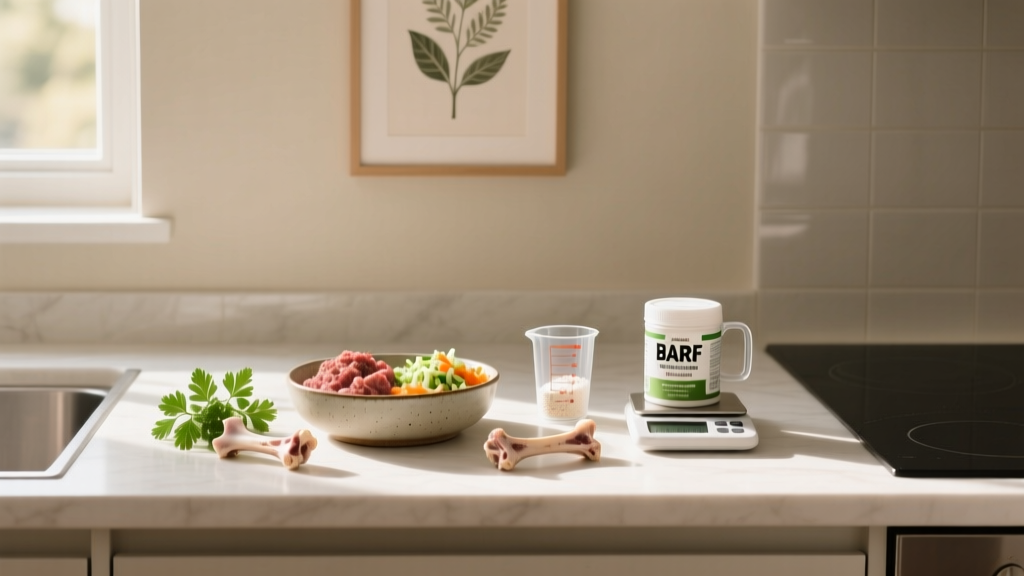
Raw Diets (BARF / Prey Model)
Raw feeding remains controversial. The AVMA, FDA, and multiple public health organizations advise against raw diets due to documented risks:
- Pathogen exposure: Salmonella, Listeria, and E. coli have been isolated from 25–48% of raw diet samples in multiple studies. These are zoonotic — meaning they can spread to humans handling the food or contacting the dog's saliva/feces.
- Nutritional imbalance: Prey-model diets (80/10/10 meat/bone/organ) frequently lack adequate manganese, iodine, vitamin D, and vitamin E unless carefully supplemented.
- Physical hazards: Raw bones — especially weight-bearing bones from large animals — can fracture teeth (carnassial abscesses are common) and cause GI obstruction or perforation.
If you choose to raw-feed despite these risks: source from USDA-inspected suppliers, handle with the same protocols you'd use for raw human food, and have your dog's blood work checked every 6 months for nutrient adequacy.
Supplements: What Adult Dogs Actually Need (and Don't)
A complete and balanced commercial adult food should not require supplementation for a healthy dog. That said, certain life stages and conditions benefit from targeted additions:
| Supplement | When to Consider | Typical Dosage | Notes |
|---|---|---|---|
| Fish Oil (EPA/DHA) | Coat quality, joint inflammation, cognitive support | 50–100 mg combined EPA+DHA per kg body weight/day | Look for IFOS-certified products to ensure purity. Refrigerate after opening. |
| Glucosamine + Chondroitin | Large breeds over 2 years, dogs with early joint changes | 500–1,500 mg glucosamine depending on weight | Most effective as early intervention; limited benefit for end-stage arthritis |
| Probiotics | Post-antibiotic recovery, stress-related GI upset, transition periods | 1–10 billion CFU/day (strain-specific) | Look for Enterococcus faecium or Lactobacillus acidophilus; Purina FortiFlora is well-studied |
| Vitamin E | Dogs on high-fat or fish-oil supplemented diets | 2–5 IU per kg body weight/day | Fish oil increases vitamin E demand; check if food already provides adequate levels |
| Calcium | Homemade diets ONLY — never supplement in commercial food | Per veterinary nutritionist calculation | Excess calcium in growing large breeds causes skeletal deformities |
Monitoring Success: How to Know the New Food Is Working
After completing the transition, evaluate your dog's response over 4–8 weeks using these markers:
Body Condition Score (BCS) — 9-Point Scale
- Ideal (4–5/9): Ribs palpable without excess fat covering. Visible waist when viewed from above. Abdominal tuck visible from the side.
- Underweight (1–3/9): Ribs, spine, and hip bones easily visible. Severe waist. Increase portions by 10–15% or move to a higher-calorie formula.
- Overweight (6–9/9): Ribs difficult to feel under fat layer. No visible waist. Round abdomen. Reduce portions by 10–20% or switch to a weight-management formula.
Additional Health Markers
| Marker | Positive Signs | Concern Signs |
|---|---|---|
| Coat & Skin | Glossy, soft coat; minimal flaking; no hot spots | Dull, brittle fur; excessive shedding beyond normal; oily or flaky skin |
| Stool Quality | Firm, formed, brown; 1–2 bowel movements/day; easy to pick up | Chronic soft stool; frequent urgency; mucus or blood; very large volume (poor digestibility) |
| Energy Level | Alert, playful, sustains normal exercise without fatigue | Lethargy, reluctance to exercise, hyperactivity spikes |
| Appetite | Eats willingly at mealtimes; maintains steady weight | Skips meals frequently; begs constantly (may indicate poor satiety from low fiber/protein) |
| Dental Health | Pink gums, minimal tartar, no oral odor | Red gums, brown buildup, persistent bad breath (kibble alone doesn't prevent dental disease — brushing still needed) |
Frequently Asked Questions
What is the best adult dog food for my dog's life stage?
The "best" food depends on your dog's size, activity level, and any health conditions. For most healthy adult dogs, a mid-range food from a company that conducts AAFCO feeding trials (Purina Pro Plan, Royal Canin, Hill's) provides reliable nutrition. Active or working dogs benefit from higher protein (28–38% DM) and fat (18–25% DM) formulas like Orijen or Wellness CORE. Dogs prone to obesity do better on controlled-calorie formulas like Hill's Perfect Weight. Always check the AAFCO statement matches "adult maintenance" or "all life stages."
How much should I feed my adult dog?
Start with the calorie formula: RER = 70 × (weight in kg)^0.75, then multiply by 1.6 for a neutered adult. A 30 lb (13.6 kg) dog needs approximately 630 kcal/day. Convert to cups using the calorie-per-cup number on your food's label. Adjust up or down 10–20% based on body condition score every 2–4 weeks. Never rely solely on the feeding guide printed on the bag — those are averages and often overestimate for sedentary dogs.
Can I feed my dog a homemade or raw diet?
Homemade diets can work but require formulation by a board-certified veterinary nutritionist to avoid deficiencies — a JAVMA study found 95% of online recipes were nutritionally incomplete. Raw diets carry documented Salmonella and Listeria risks to both dogs and humans, and the AVMA recommends against them. If you choose either route, budget for professional nutritionist consultation ($150–300) and biannual blood panels to monitor nutrient status.
What ingredients should I avoid in adult dog food?
Avoid unnamed meat sources ("meat meal," "animal by-products"), synthetic preservatives (BHA, BHT), artificial colors (Red 40, Yellow 5, Yellow 6), and propylene glycol. Be cautious with grain-free formulas where peas, lentils, or chickpeas appear in the top five ingredients — these have been associated with dilated cardiomyopathy (DCM) in the FDA's ongoing investigation. Named meat meals ("chicken meal," "lamb meal") are acceptable and actually provide more concentrated protein than fresh meat due to lower moisture content.
How do I switch my dog to a new food safely?
Follow a 10-day gradual transition: 75/25 old-to-new for Days 1–2, then 50/50 for Days 3–4, 25/75 for Days 5–6, 10/90 for Days 7–8, and 100% new food by Day 9–10. If loose stools occur, hold at the current ratio for an extra day or two. Adding a teaspoon of plain canned pumpkin per 10 lb of body weight can help firm stools during transition. Never switch foods abruptly — sudden diet changes are a leading cause of acute gastroenteritis in dogs.
Does my dog need supplements on adult food?
If you're feeding a complete and balanced commercial diet with an AAFCO statement, most healthy dogs don't need supplements. Exceptions include fish oil (EPA/DHA at 50–100 mg/kg/day) for coat quality or joint support in large breeds, probiotics during food transitions or after antibiotics, and glucosamine/chondroitin for breeds predisposed to hip dysplasia. Never add calcium supplements to a commercial diet — excess calcium can cause skeletal problems, especially in large breeds. Consult your veterinarian before starting any supplement regimen.
Should I free-feed or use scheduled meals?
Scheduled meals (twice daily for most adults) are strongly preferred over free-feeding. Free-feeding makes it impossible to monitor appetite changes (an early illness indicator), encourages overeating in food-motivated dogs, and complicates portion control. Feed half the daily amount in the morning and half in the evening, removing uneaten food after 15–20 minutes. This also aids house training by creating predictable elimination schedules.
When should I start thinking about senior dog food?
Most dogs transition to senior formulas between 7–10 years, depending on size: giant breeds (Great Danes, Mastiffs) may benefit from senior food as early as 5–6 years, while small breeds (Chihuahuas, Toy Poodles) may not need the switch until 10–12 years. Senior formulas typically reduce calorie density, increase fiber, add joint-supporting ingredients, and adjust phosphorus levels for kidney health. The transition follows the same 10-day protocol outlined above.
Consult your veterinarian before making significant dietary changes, especially if your dog has existing health conditions (kidney disease, diabetes, food allergies, pancreatitis). Your vet can recommend specific therapeutic diets and run blood work to establish baseline values before and after a food transition. For suspected food allergies, a veterinary-supervised elimination diet trial (typically 8–12 weeks using a novel or hydrolyzed protein) remains the gold standard for diagnosis — over-the-counter "limited ingredient" foods may contain cross-contamination from shared manufacturing lines.
Marcus Aldridge
All our authors care for dogs every day — read more of their work on the authors page.