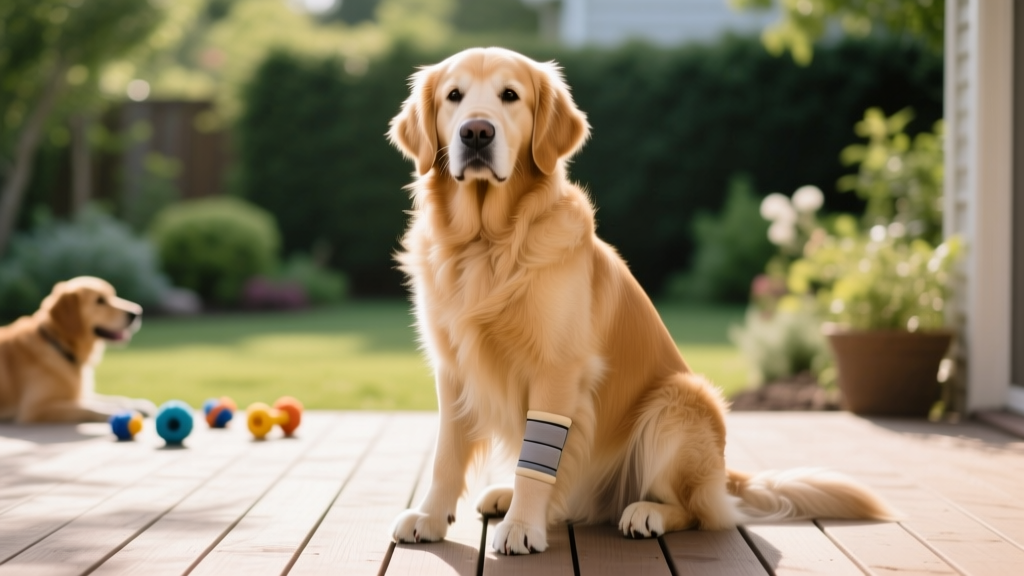
Keppra for Dogs: Dosage, Side Effects, and Seizure Management Guide
Complete guide to Keppra for dogs: dosage by weight, side effects, drug interactions, cost, and what to expect when managing canine epilepsy with levetiracetam.

What Is Keppra and Why Do Veterinarians Prescribe It for Dogs?
Keppra is the brand name for levetiracetam, an anticonvulsant medication originally developed for human epilepsy but now widely used in veterinary neurology. Manufactured by UCB Pharma, Keppra has become one of the most commonly prescribed anti-seizure medications in veterinary medicine due to its favorable safety profile and minimal liver metabolism.
The medication belongs to the pyrrolidone derivative drug class. Unlike older anticonvulsants such as phenobarbital or potassium bromide, levetiracetam does not undergo significant hepatic (liver) metabolism. Instead, it is primarily excreted unchanged through the kidneys, making it a preferred option for dogs with pre-existing liver disease or elevated liver enzymes.
In veterinary practice, Keppra is used both as a monotherapy (sole medication) and as an adjunctive therapy (added to other anti-seizure drugs) for managing canine epilepsy. According to the Merck Veterinary Manual, idiopathic epilepsy affects approximately 0.75% of the general dog population, with certain breeds like Border Collies, Australian Shepherds, and Labrador Retrievers showing higher predisposition rates.
FDA Status and Veterinary Uses
Levetiracetam is not FDA-approved specifically for veterinary use. It is prescribed under the Animal Medicinal Drug Use Clarification Act (AMDUCA) as an extra-label medication, which is standard practice in veterinary neurology. The FDA has approved levetiracetam for human epilepsy, and veterinarians leverage the same pharmacological mechanisms for canine patients.
Primary veterinary uses include:
- Idiopathic (primary) epilepsy — the most common application, managing inherited seizure disorders
- Adjunctive therapy for refractory epilepsy — added when phenobarbital or potassium bromide alone fail to control seizures
- Cluster seizure management — acute intervention to prevent seizure escalation
- Post-operative seizure prophylaxis — following brain tumor surgery or traumatic brain injury
- Hepatic encephalopathy-related seizures — preferred over liver-metabolized alternatives
- Canine cognitive dysfunction — emerging off-label use (limited evidence, under investigation)
How Does Keppra Work in the Canine Brain?
Mechanism of Action: Levetiracetam works by binding to synaptic vesicle protein 2A (SV2A) in the brain. SV2A is a protein found on synaptic vesicles — the tiny structures that store and release neurotransmitters between neurons. By modulating SV2A, levetiracetam reduces the abnormal, hypersynchronous firing of neurons that causes seizures.
Unlike phenobarbital (which enhances GABA inhibition) or potassium bromide (which replaces chloride ions), levetiracetam's SV2A binding mechanism is unique. This is why it can be combined with other anticonvulsants without overlapping toxicity — it attacks the seizure pathway from a different angle.
The precise way SV2A binding prevents seizures is still being studied, but research published in the Journal of Veterinary Pharmacology confirms that levetiracetam effectively reduces the release of excitatory neurotransmitters during periods of abnormal electrical activity. The drug reaches peak blood concentrations within 1–2 hours of oral administration in dogs, and its effects are dose-dependent.
One important pharmacological detail for dog owners: levetiracetam has a relatively short half-life in dogs of approximately 3–4 hours (compared to 6–8 hours in humans). This is why it requires dosing every 8 hours (three times daily) for the standard formulation, or every 12 hours for the extended-release (XR) version. Missing doses is particularly risky with Keppra because blood levels drop quickly.
Typical Keppra Dosage for Dogs by Condition and Weight
Your veterinarian will calculate the precise dosage based on your dog's weight, seizure frequency, concurrent medications, and kidney function. The following table reflects standard dosing guidelines published in veterinary pharmacology references and the Plumb's Veterinary Drugs database.
| Formulation | Dosage Range | Frequency | Primary Use Case |
|---|---|---|---|
| Standard (IR) tablets/oral solution | 20 mg/kg (9 mg/lb) | Every 8 hours (3× daily) | Maintenance seizure control |
| Standard (IR) — high-dose protocol | 25–30 mg/kg (11–14 mg/lb) | Every 8 hours (3× daily) | Refractory epilepsy / adjunctive therapy |
| Extended-Release (XR) tablets | 30 mg/kg (14 mg/lb) | Every 12 hours (2× daily) | Owners needing simplified dosing schedule |
| Injectable (IV) — in-clinic only | 20–60 mg/kg | Single dose or CRI | Acute cluster seizures / status epilepticus |
Weight-Based Dosage Examples (Standard IR at 20 mg/kg, 3× Daily)
| Dog Weight | Per-Dose Amount | Total Daily Dose | Common Tablet Configuration |
|---|---|---|---|
| 10 lb (4.5 kg) | 90 mg | 270 mg | ¼ of a 500 mg tablet (split) or oral liquid |
| 25 lb (11.3 kg) | 227 mg | 680 mg | ½ of a 500 mg tablet |
| 50 lb (22.7 kg) | 454 mg | 1,362 mg | One 500 mg tablet (slightly under-dosed) or compounded |
| 75 lb (34 kg) | 680 mg | 2,040 mg | One 500 mg + one 250 mg tablet |
| 100 lb (45.4 kg) | 908 mg | 2,724 mg | Two 500 mg tablets (slightly over-dosed, vet-approved) |
Important note on tablet splitting: Keppra tablets are not scored, making precise splitting difficult. Many veterinarians prescribe compounded levetiracetam capsules or oral suspension (available in concentrations like 100 mg/mL) for dogs that fall between standard tablet sizes. Compounded versions typically cost $30–$60 per month depending on dose and pharmacy.
Administration: How to Give Keppra to Your Dog
Keppra can be given with or without food. Food does not significantly alter absorption, so consistency is more important than timing relative to meals. If your dog experiences mild stomach upset on an empty stomach, try administering with a small treat or meal.
Key administration rules:
- Maintain strict 8-hour intervals for standard formulation — set phone alarms if needed. Blood levels drop rapidly, and inconsistent timing is the #1 cause of breakthrough seizures on Keppra.
- Do NOT crush extended-release (XR) tablets — crushing destroys the slow-release mechanism and dumps the full dose into the bloodstream at once, risking toxicity.
- The oral solution (100 mg/mL) is ideal for small dogs under 15 lb. Use the provided dosing syringe for accuracy rather than a kitchen spoon.
- Never stop Keppra abruptly. If discontinuation is planned, your veterinarian will create a tapering schedule over 2–4 weeks, gradually reducing the dose by 25% increments.
Side Effects of Keppra in Dogs: What to Watch For
Levetiracetam is generally well-tolerated in dogs, and its side effect profile is notably milder than phenobarbital or potassium bromide. However, side effects can and do occur, especially during the first 1–2 weeks of treatment or after dose increases.
| Side Effect | Estimated Frequency | Typical Duration | Management |
|---|---|---|---|
| Sedation / drowsiness | 15–25% of dogs | Usually resolves within 1–2 weeks | Allow adjustment period; report if persistent beyond 3 weeks |
| Ataxia (wobbly gait, incoordination) | 10–15% | 1–2 weeks, then improves | Restrict stairs/swimming during adjustment; report severe cases |
| Behavioral changes (irritability, restlessness) | 5–10% | Variable — may persist | Document specific behaviors; dose adjustment may be needed |
| Vomiting | 5–8% | Usually transient (1–3 days) | Give with food; report if persists beyond 48 hours |
| Decreased appetite | 5–8% | 3–7 days typically | Offer palatable food; monitor weight weekly |
| Excessive drooling | 3–5% | Often transient | Usually self-resolving; note for vet follow-up |
| Diarrhea | 2–4% | 2–5 days | Bland diet temporarily; report if bloody or persistent |
- Increased seizure frequency or severity — paradoxical worsening occurs in an estimated 5% of dogs and requires urgent dose adjustment or medication change
- Severe lethargy or inability to stand beyond the initial 48-hour adjustment period
- Facial swelling, hives, or difficulty breathing — signs of an allergic reaction (rare but possible)
- Yellowing of gums or eyes (icterus) — while rare with Keppra, any sign of liver distress warrants immediate evaluation
- Signs of kidney dysfunction — increased thirst/urination beyond normal, vomiting, weakness (levetiracetam is kidney-excreted, so renal impairment affects drug clearance)
- Acute behavioral aggression — reported in rare cases; discontinue and contact vet
The "Keppra Rage" Phenomenon
A small subset of dogs experience significant behavioral changes on levetiracetam, colloquially referred to by veterinary neurologists and owners as "Keppra rage" or "levetiracetam-induced behavioral adverse events." While more documented in human medicine (affecting roughly 1–2% of human patients), veterinary case reports describe sudden-onset aggression, hyperactivity, or anxiety in dogs that had no prior behavioral issues.
If your dog develops uncharacteristic aggression, extreme anxiety, or compulsive behaviors after starting Keppra, document the timeline and specific incidents. Your veterinarian may reduce the dose, add a behavioral modifier, or transition to an alternative anticonvulsant. Do not attempt to manage aggression episodes without veterinary guidance.
Drug Interactions and Contraindications
One of Keppra's major advantages is its relatively low drug interaction profile. Because it is not metabolized by the liver's cytochrome P450 enzyme system, it avoids many of the interactions that complicate phenobarbital therapy. However, some clinically significant interactions exist.
| Concurrent Drug | Interaction Type | Clinical Significance | Veterinary Action |
|---|---|---|---|
| Phenobarbital | Phenobarbital may increase levetiracetam clearance, reducing its blood levels by 20–30% | Moderate — may require higher Keppra dose | Monitor seizure control; may increase Keppra dose by 15–25% |
| Potassium bromide | No significant pharmacokinetic interaction | Low — commonly and safely combined | Standard monitoring for both drugs |
| Zonisamide | Additive sedation possible; no metabolic interaction | Low to moderate | Monitor for excessive sedation; adjust timing if needed |
| NSAIDs (carprofen, meloxicam) | No direct interaction, but both cleared renally | Low — monitor kidney function if long-term combined use | Periodic renal bloodwork recommended |
| Probenecid | May reduce levetiracetam renal excretion, increasing blood levels | Moderate | Lower Keppra dose; monitor for increased side effects |
| Sedatives / opioids | Additive CNS depression | Moderate | Dose adjustments may be needed; monitor closely post-surgery |
Contraindications: Dogs Who Should NOT Receive Keppra
Levetiracetam has a broad safety margin, but it is contraindicated or requires extreme caution in the following situations:
- Known hypersensitivity to levetiracetam — if a prior allergic reaction occurred, the drug must not be reused
- Severe renal impairment (IRIS Stage 3–4 kidney disease) — because levetiracetam is primarily excreted by the kidneys, dogs with advanced kidney failure will accumulate toxic levels. Your vet may reduce the dose by 50% or choose an alternative medication
- Pregnant or nursing dogs — levetiracetam crosses the placenta and is excreted in milk. While human data suggest lower teratogenic risk than some anticonvulsants, veterinary data is limited. Use only if benefits clearly outweigh risks, under specialist guidance
- Dogs with a history of levetiracetam-induced behavioral adverse events — recurrence is likely upon re-exposure
Monitoring Requirements: What Follow-Up Looks Like
Unlike phenobarbital, which requires regular blood level monitoring (therapeutic drug monitoring, or TDM), Keppra does not have an established therapeutic blood level range in dogs. This is both an advantage (fewer blood draws) and a challenge (dosing is guided by clinical response rather than lab numbers).
| Timeframe | What to Monitor | Estimated Cost |
|---|---|---|
| Week 1–2 | Daily seizure log, side effect journal, appetite/energy tracking | $0 (owner-managed) |
| Week 4 | Veterinary recheck: physical exam, neurological assessment, review of seizure log | $60–$120 office visit |
| Month 3 | CBC, chemistry panel (BUN, creatinine for kidney function), urinalysis | $150–$250 lab work |
| Every 6 months | Repeat chemistry panel, seizure frequency review, dose adjustment if needed | $150–$250 + office visit |
| Annually | Full wellness exam, comprehensive bloodwork, consider therapeutic drug level check (if available through specialist) | $200–$350 |
Some veterinary neurologists now offer levetiracetam blood level testing through specialized labs, though the correlation between blood levels and seizure control in dogs is still being established. If your dog is on Keppra alongside phenobarbital, your vet will monitor phenobarbital levels as usual (targeting 15–35 mcg/mL serum concentration) and assess Keppra's contribution clinically.
Keeping a Seizure Journal
The single most valuable tool for your veterinarian is a detailed seizure journal. Record the following for every seizure event:
- Date and exact time of seizure onset
- Duration (time from first observable sign to full recovery)
- Seizure type — generalized (full body, loss of consciousness) vs. focal (twitching, fly-biting, one limb)
- Pre-seizure behavior — pacing, clinginess, hiding (aura signs)
- Post-seizure recovery — how long disorientation lasted, any temporary blindness or pacing
- Missed doses in the preceding 48 hours
- Potential triggers — stress events, sleep disruption, diet changes, heat exposure
Cost of Keppra for Dogs and Generic Availability
Generic levetiracetam is widely available and significantly more affordable than brand-name Keppra. Most veterinarians prescribe the generic version, which is bioequivalent to the brand name.
| Dog Size | Dose (Standard IR) | Monthly Supply Needed | Estimated Monthly Cost (Generic) | Brand-Name Keppra Cost |
|---|---|---|---|---|
| Small (10–20 lb) | 250 mg, 3× daily | 270 tablets (250 mg) | $20–$45 | $120–$180 |
| Medium (30–50 lb) | 500 mg, 3× daily | 270 tablets (500 mg) | $35–$70 | $200–$350 |
| Large (60–90 lb) | 750 mg, 3× daily | 270 tablets (mix of 500+250 mg) | $50–$95 | $300–$500 |
| Giant (100+ lb) | 1000 mg, 3× daily | 270 tablets (500 mg ×2 per dose) | $65–$130 | $400–$650 |
Cost-saving strategies:
- Online pharmacies (Chewy Pharmacy, 1-800-PetMeds) often offer 15–30% savings over in-clinic dispensing, but ensure the pharmacy is Vet-VIPPS accredited and requires a valid prescription
- Compounding pharmacies can create custom-dosed chew treats or flavored suspensions, typically $30–$60/month depending on dose
- GoodRx for Pets and similar coupon programs may reduce costs at participating human pharmacies (Walmart, Costco) — levetiracetam is the same drug regardless of whether dispensed at a human or veterinary pharmacy
- Ask about 90-day prescriptions — many vets will write larger scripts that reduce per-unit cost
Missed Doses and Overdose: Emergency Protocols
If You Miss a Dose
Because of levetiracetam's short half-life, missed doses carry real risk of breakthrough seizures. Here is the standard protocol:
- If less than 4 hours past the scheduled time: Give the missed dose immediately, then resume normal schedule. The next dose time stays the same.
- If 4–6 hours past: Give the missed dose, but push the next dose back by 2–3 hours to maintain spacing.
- If more than 6 hours past (next dose nearly due): Skip the missed dose entirely. Give the next scheduled dose at the regular time. Do NOT double-dose to compensate.
- If multiple consecutive doses are missed: Contact your veterinarian immediately. Your dog may need a loading dose or temporary dose increase to re-establish therapeutic blood levels.
Overdose Response
Levetiracetam has a relatively wide safety margin. The oral LD50 in dogs is estimated at over 5,000 mg/kg — far above therapeutic doses. However, accidental overdose (e.g., a dog accessing an entire pill bottle) can cause:
- Severe sedation or stupor
- Vomiting
- Ataxia progressing to inability to stand
- In extreme cases, respiratory depression
If overdose is suspected: Contact your veterinarian or the ASPCA Animal Poison Control Center at (888) 426-4435 (24/7, consultation fee applies) immediately. Bring the medication bottle with you to the emergency clinic so the exact amount ingested can be calculated. Treatment typically involves supportive care — IV fluids, monitoring, and activated charcoal if ingestion was recent (within 1–2 hours).
How Long Does a Dog Need to Stay on Keppra?
This is one of the most common questions owners ask, and the answer depends on the underlying diagnosis.
For idiopathic epilepsy: Most dogs with primary epilepsy require lifelong anticonvulsant therapy. The general veterinary neurology guideline is that medication should be considered for long-term management when a dog has had:
- Two or more seizures within a 6-month period, OR
- Any single seizure lasting longer than 5 minutes (status epilepticus), OR
- Cluster seizures (multiple seizures within 24 hours), OR
- Seizures with prolonged or severe post-ictal phases
If your dog has been seizure-free for a minimum of 12–24 months, your veterinary neurologist may discuss a cautious tapering trial. However, studies show that approximately 65–75% of dogs with idiopathic epilepsy will relapse if medication is discontinued, even after extended seizure-free periods. The decision to taper should always be made with a veterinary neurologist, and the tapering process typically takes 4–8 weeks with close monitoring.
For reactive seizures (caused by a specific, resolvable trigger like a toxin, metabolic disorder, or infection): Keppra may be used short-term (weeks to months) while the underlying cause is treated. Once the cause is resolved and the dog has been seizure-free for several months, discontinuation may be appropriate.
Alternatives to Keppra for Canine Seizure Management
If Keppra is ineffective, poorly tolerated, or cost-prohibitive, several alternative anticonvulsants are available. Your veterinarian or veterinary neurologist will guide the selection based on your dog's specific situation.
| Medication | Dosing Frequency | Metabolism | Monthly Cost (Medium Dog) | Key Considerations |
|---|---|---|---|---|
| Phenobarbital | Every 12 hours | Liver (CYP450) | $15–$40 | Gold standard for decades; requires regular blood level monitoring; hepatotoxic risk with long-term use; effective in ~70–80% of dogs |
| Potassium Bromide | Every 12–24 hours | Renal excretion | $20–$45 | Very effective; can cause sedation, PU/PD, bromism; requires blood level monitoring; avoid in dogs with kidney disease |
| Zonisamide (Zonegran) | Every 12 hours | Liver (partial) | $40–$90 | Good adjunctive option; fewer side effects than phenobarbital; sulfa-derived (allergy risk); requires blood level monitoring |
| Gabapentin | Every 8–12 hours | Renal | $15–$35 | Primarily for neuropathic pain; limited anti-seizure efficacy as monotherapy; used adjunctively |
| Pregabalin (Lyrica) | Every 8–12 hours | Renal | $50–$120 | Similar to gabapentin with better bioavailability; emerging veterinary use; controlled substance in some states |
| Imepitoin (Pexion®) | Every 12 hours | Liver (minimal) | $60–$120 | FDA-approved for canine noise aversion; used off-label for epilepsy in Europe; limited US availability for seizure indication |
According to the American Veterinary Medical Association, the choice of anticonvulsant should be individualized based on seizure type and frequency, the dog's liver and kidney function, owner ability to maintain dosing schedules, cost considerations, and concurrent medications. Many dogs with refractory epilepsy end up on a combination of two or even three anticonvulsants, with Keppra frequently serving as the add-on drug due to its unique mechanism and favorable interaction profile.
Frequently Asked Questions About Keppra for Dogs
Can I buy Keppra for my dog without a prescription?
No. Levetiracetam is a prescription-only medication. You must obtain a valid prescription from a licensed veterinarian. Purchasing from online sources that do not require a prescription is illegal and dangerous — counterfeit medications are a documented risk. Always use FDA-recommended verified pharmacies.
Will Keppra stop my dog's seizures completely?
Complete seizure freedom is the goal but is not guaranteed. Studies show that levetiracetam as a monotherapy achieves seizure freedom in approximately 30–45% of dogs with idiopathic epilepsy. As an adjunctive therapy (added to phenobarbital or potassium bromide), it reduces seizure frequency by 50% or more in approximately 40–60% of refractory cases. A reduction in seizure frequency and severity is considered a successful outcome even if seizures are not eliminated entirely.
Can I use human Keppra for my dog?
The active ingredient (levetiracetam) is identical in human and veterinary formulations. Your veterinarian may write a prescription fillable at a human pharmacy. However, never give your dog medication prescribed for a human family member — the dose, formulation, and tablet strength are unlikely to match your dog's requirements, and dosing errors can cause breakthrough seizures or toxicity.
Is Keppra safe for dogs with liver disease?
Yes — this is one of Keppra's primary advantages. Because levetiracetam is primarily excreted unchanged by the kidneys (approximately 66% in dogs) with minimal hepatic metabolism, it is considered safe for dogs with liver disease, portosystemic shunts, or elevated liver enzymes. It is often the anticonvulsant of choice when phenobarbital is contraindicated due to hepatic concerns.
What happens if I can't afford Keppra long-term?
Discuss cost concerns openly with your veterinarian. Generic levetiracetam is significantly cheaper than brand-name Keppra. Compounding pharmacies can sometimes reduce costs. If cost remains prohibitive, your vet may discuss transitioning to phenobarbital (typically $15–$40/month for most dogs), though this comes with its own monitoring costs. Never discontinue anti-seizure medication due to cost without a veterinary-supervised transition plan.
Can Keppra be combined with CBD oil for seizures?
Research on CBD (cannabidiol) for canine epilepsy is still evolving. A 2019 study from Colorado State University showed that CBD added to conventional anticonvulsant therapy reduced seizure frequency in some dogs. However, CBD may interact with liver enzyme systems and could theoretically affect the metabolism of concurrent medications. If you are considering CBD supplementation, discuss it with your veterinarian first — do not add it independently while your dog is on Keppra or any other anticonvulsant.
Does pet insurance cover Keppra?
If your dog was diagnosed with epilepsy after the policy's effective date (and after any waiting periods), most comprehensive pet insurance plans will cover Keppra prescriptions as part of the condition's treatment. Typical reimbursement ranges from 70–90% of the medication cost after deductible. Pre-existing epilepsy diagnoses are generally excluded. Check your specific policy's prescription drug coverage terms.
- Your veterinarian or veterinary neurologist — for all dosing, side effect, and treatment plan questions
- ASPCA Animal Poison Control: (888) 426-4435 (24/7, consultation fee applies) — for overdose or accidental ingestion emergencies
- Pet Poison Helpline: (855) 764-7661 — alternative 24/7 poison control
- ACVIM Neurology Specialist Finder: Search for a board-certified veterinary neurologist through the American College of Veterinary Internal Medicine
This article is for informational purposes only and does not replace professional veterinary advice. Always consult your veterinarian before starting, adjusting, or discontinuing any medication for your dog. Individual responses to levetiracetam vary, and your veterinarian is the only qualified professional to determine the appropriate treatment plan for your dog's specific condition.
Robin Maitland
All our authors care for dogs every day — read more of their work on the authors page.