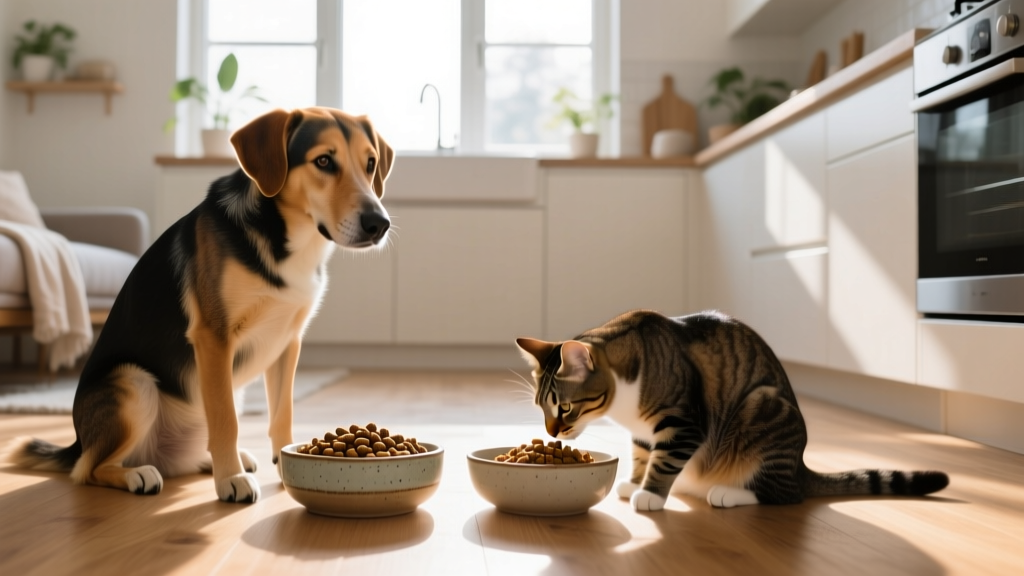
What Veggies Can Dogs Eat? A Complete Safe Vegetable Guide
What veggies can dogs eat safely? This guide covers 12 dog-safe vegetables with serving sizes, prep tips, nutrition facts, and toxic veggies to avoid.

Dogs can safely eat a wide variety of vegetables including carrots, green beans, sweet potatoes, cucumbers, celery, broccoli (in small amounts), spinach, peas, zucchini, pumpkin, and bell peppers. These provide fiber, vitamins, and minerals that complement a balanced canine diet. However, preparation matters: vegetables should be served plain (no salt, butter, garlic, or onion), and portion sizes must stay within 10% of your dog's daily caloric intake. A few vegetables — notably onions, garlic, and raw potatoes — are toxic and must be avoided entirely.
The Complete List: What Veggies Can Dogs Eat Safely?
Not all vegetables are created equal when it comes to canine nutrition. Below is a comprehensive breakdown of 12 vegetables that veterinary nutritionists and organizations like the American Kennel Club recognize as safe for dogs, along with their specific nutritional contributions and recommended serving formats.
| Vegetable | Safe? | Best Served | Key Nutrients | Notes |
|---|---|---|---|---|
| Carrots | ✅ Yes | Raw or steamed | Beta-carotene, vitamin K1, fiber | Cut into bite-sized pieces to prevent choking |
| Green Beans | ✅ Yes | Steamed or raw (fresh) | Iron, vitamins B6, A, C, fiber | Avoid canned with added sodium |
| Sweet Potato | ✅ Yes | Cooked, skin removed | Vitamin A, B6, C, manganese, fiber | Never serve raw — difficult to digest |
| Cucumber | ✅ Yes | Raw, sliced | Vitamin K, C, potassium, 96% water | Excellent low-calorie treat (~8 cal per ½ cup) |
| Celery | ✅ Yes | Raw, cut small | Vitamins A, C, K, folate, potassium | Stringy texture can be a choking risk for small dogs |
| Broccoli | ⚠️ Yes, small amounts | Steamed, no seasoning | Vitamin C, K, fiber, potassium | Florets contain isothiocyanates — toxic above 10% of diet |
| Spinach | ⚠️ Yes, small amounts | Steamed or raw | Iron, calcium, vitamins A, C, E | High in oxalic acid — avoid for dogs with kidney issues |
| Peas | ✅ Yes | Fresh or thawed frozen | Vitamins A, B, K, protein, fiber | Avoid canned peas with added salt |
| Zucchini | ✅ Yes | Raw or steamed | Vitamin A, C, manganese, potassium | Low calorie (~17 cal per cup) — great for weight management |
| Pumpkin (plain) | ✅ Yes | Cooked, plain purée | Vitamin A, E, iron, soluble fiber | Use plain canned pumpkin, NOT pie filling (contains xylitol risk) |
| Bell Peppers | ✅ Yes | Raw or steamed, seeds removed | Vitamin C (red peppers: 152mg per medium pepper), A, E | Red peppers have the highest nutrient density |
| Cauliflower | ⚠️ Yes, small amounts | Steamed, no seasoning | Vitamin C, K, fiber, choline | Can cause gas — introduce very gradually |
How Much of Each Veggie Can I Give My Dog?
Portion control is critical. The Merck Veterinary Manual recommends that treats and supplemental foods (including vegetables) make up no more than 10% of your dog's total daily caloric intake. Here are specific serving sizes based on weight class:
| Vegetable | Small Dogs (10–25 lb / 4.5–11 kg) | Medium Dogs (26–55 lb / 12–25 kg) | Large Dogs (56–90+ lb / 25–41+ kg) |
|---|---|---|---|
| Carrots | 1–2 baby carrots or 2 Tbsp chopped | 1 medium carrot or ¼ cup chopped | 1–2 medium carrots or ½ cup chopped |
| Green Beans | 1–2 Tbsp | ¼ cup | ½ cup |
| Sweet Potato | 1 tsp mashed | 1–2 Tbsp mashed | ¼ cup mashed |
| Cucumber | 3–4 thin slices | ¼ cup sliced | ½ cup sliced |
| Broccoli | 1 small floret (≤5% of diet) | 2 small florets | 3–4 small florets |
| Pumpkin (plain) | 1 tsp | 1–2 Tbsp | 2–4 Tbsp |
| Bell Pepper | 1–2 small strips | ¼ of a medium pepper | ½ of a medium pepper |
| Peas | 1 tsp | 1 Tbsp | 2–3 Tbsp |
Caloric context: A 30 lb (13.6 kg) dog eating approximately 800 kcal/day should receive no more than 80 kcal from vegetables and treats combined. One cup of raw carrots is about 52 kcal, while one cup of cooked sweet potato is roughly 180 kcal — so sweet potato portions need to be smaller.
How to Prepare Vegetables for Your Dog
Preparation directly affects digestibility and safety. Dogs have shorter digestive tracts than humans, meaning some vegetables pass through undigested if served raw. Follow these guidelines:
- Wash thoroughly: Rinse all vegetables under cool running water for 20–30 seconds to remove pesticide residue, dirt, and bacteria. Organic produce still needs washing.
- Remove inedible parts: Strip seeds from bell peppers, remove corn cobs (the cob is a major intestinal blockage risk), peel sweet potatoes before cooking, and discard broccoli stems for small dogs (choking hazard).
- Cook when necessary: Sweet potatoes, pumpkin, and potatoes must always be cooked. Steaming preserves more nutrients than boiling. Steam for 5–8 minutes until fork-tender. Carrots, green beans, and zucchini can be served raw or lightly steamed.
- Cut to safe size: For dogs under 20 lb (9 kg), cut vegetables into pieces no larger than ½ inch. For medium dogs, 1-inch pieces work. Large dogs can handle larger chunks but round shapes (like baby carrots) should still be halved lengthwise for gulpers.
- Serve plain: Zero added salt, butter, oil, garlic, onion, or seasoning. Garlic and onion are toxic to dogs in all forms. Even "a little" garlic powder can damage red blood cells.
- Cool before serving: Cooked vegetables should reach room temperature (68–72°F / 20–22°C) before offering to your dog to avoid mouth burns.
Vegetables That Are Toxic to Dogs — Never Feed These
Knowing what veggies dogs cannot eat is just as important as the safe list. The following vegetables contain compounds that cause serious illness or organ damage in dogs:
| Toxic Vegetable | Toxic Compound | Symptoms | Toxic Dose |
|---|---|---|---|
| Onions (all forms) | N-propyl disulfide | Hemolytic anemia, weakness, pale gums, red/brown urine | ~15–30 g per kg body weight (toxic); effects can be cumulative |
| Garlic | Diallyl disulfide, thiosulfates | Hemolytic anemia, vomiting, diarrhea, elevated heart rate | ~5 g per kg body weight; approximately 5× more toxic than onions |
| Raw Potatoes | Solanine (glycoalkaloid) | GI distress, lethargy, confusion; green skin/potatoes have highest concentration | Varies; cooking reduces solanine significantly |
| Wild Mushrooms | Amanitin, muscarine, others (species-dependent) | Liver failure, seizures, vomiting, death (species-dependent) | Even small amounts of Amanita phalloides can be fatal |
| Rhubarb Leaves | Soluble oxalates | Kidney failure, drooling, vomiting, tremors | Leaves are the primary danger; stalks in large quantities also risky |
Related foods to watch: Onion and garlic appear in many prepared human foods — soups, sauces, baby food, and seasoning blends. Always check ingredient labels. Chives and leeks (both in the Allium family) are also toxic. If your dog ingests any Allium vegetable, contact the ASPCA Animal Poison Control at (888) 426-4435 (24/7, consultation fee applies) or your emergency vet immediately.
Introducing Vegetables Safely: A Step-by-Step Protocol
Even safe vegetables can cause digestive upset if introduced too quickly. Here is the protocol I recommend based on years of advising dog owners:
Day 1–2: Offer a single new vegetable at one-quarter of the recommended serving size. For a 30 lb dog trying carrots for the first time, that means roughly 1 teaspoon of finely chopped raw carrot.
Monitor for 24–48 hours: Watch for vomiting, diarrhea, excessive gas, lethargy, or loss of appetite. These indicate your dog's digestive system is not tolerating the new food well.
Day 3–5: If no adverse reactions, increase to half the recommended serving size. Continue monitoring stool quality — firm, well-formed stools mean good tolerance.
Day 6+: Move to the full recommended serving size. You can now introduce a second vegetable using the same protocol, but only one new food at a time so you can identify any culprit if issues arise.
Contact your veterinarian or an emergency clinic if your dog shows any of these signs after eating vegetables:
- Vomiting more than twice within 12 hours
- Diarrhea lasting more than 24 hours or containing blood
- Lethargy or collapse
- Abdominal distension or obvious pain (hunched posture, whining when touched)
- Pale or yellow-tinged gums (possible anemia from Allium ingestion)
- Difficulty breathing or facial swelling (possible allergic reaction)
- Refusal to eat for more than 24 hours
For any suspected toxic ingestion (onions, garlic, wild mushrooms), call ASPCA Poison Control at (888) 426-4435 immediately — do not wait for symptoms to appear.
Which Dogs Should NOT Eat Certain Vegetables?
While the vegetables on the safe list are generally appropriate for healthy adult dogs, several conditions require modification or avoidance. Always consult your veterinarian before adding supplemental foods if your dog falls into any of these categories:
- Dogs with kidney disease: Avoid spinach and beet greens, which are high in oxalates that can contribute to calcium oxalate bladder and kidney stones. The Merck Veterinary Manual notes that oxalate-rich diets increase urolith risk in predisposed dogs.
- Diabetic dogs: Limit sweet potato, pumpkin, and peas, which have higher glycemic indices and can cause blood sugar spikes. Carrots and green beans are lower-glycemic alternatives.
- Dogs prone to bloat (GDV): Breeds like Great Danes, German Shepherds, and Standard Poodles should avoid gas-producing vegetables like broccoli, cauliflower, and cabbage, especially in large quantities.
- Puppies under 12 weeks: Their digestive systems are still developing. Stick to their complete-and-balanced puppy food. Vegetables can be introduced gradually after 12 weeks at very small quantities (a pinch of steamed carrot, for example).
- Dogs with food allergies or sensitive stomachs: Introduce one vegetable at a time using the protocol above. If your dog has a history of food-reactive IBD, discuss vegetable additions with your vet first.
- Overweight dogs on calorie-restricted diets: Vegetables are excellent low-calorie treat replacements, but you still need to account for their calories. Cucumber (8 kcal per ½ cup) and zucchini (17 kcal per cup) are the best choices for weight management.
What Happens If My Dog Eats Too Much of a Safe Vegetable?
Even dog-safe vegetables can cause problems when overfed. Here is what to expect and how to respond:
Mild overconsumption (1.5–2× the recommended serving): Expect loose stools or mild gas within 6–12 hours. This typically resolves on its own within 24 hours. Withhold the vegetable for 48 hours, then reintroduce at the correct portion.
Moderate overconsumption (2–4× the recommended serving): Your dog may experience diarrhea, vomiting, or abdominal discomfort. Offer plenty of fresh water. Feed a bland diet (boiled chicken breast and white rice in a 1:2 ratio) for 24–48 hours. If symptoms persist beyond 24 hours, contact your vet.
Broccoli-specific risk: Broccoli florets contain isothiocyanates, which cause gastric irritation in dogs. According to the ASPCA, broccoli ingestion exceeding 10% of a dog's body weight can be seriously toxic. For a 25 lb (11.3 kg) dog, that means more than 2.5 lb of broccoli — unlikely from a few florets, but worth knowing if your dog raids the garden.
Choking or blockage: Large pieces of raw carrot, whole baby carrots, or celery strings can obstruct a small dog's airway or cause an intestinal blockage. If your dog is gagging, pawing at the mouth, or unable to swallow, this is an emergency — go to the nearest veterinary ER immediately.
Nutritional Benefits: What Vegetables Actually Add to Your Dog's Diet
Commercial dog foods meeting AAFCO standards are already nutritionally complete, so vegetables serve as supplemental enrichment rather than dietary necessities. That said, their contributions are meaningful:
| Nutrient | Best Vegetable Source | Amount per 100g | Benefit for Dogs |
|---|---|---|---|
| Beta-carotene (Vitamin A precursor) | Carrots, sweet potato | 8,285 µg (carrots) | Vision health, immune function, skin/coat quality |
| Vitamin C | Red bell pepper, broccoli | 128 mg (red bell pepper) | Antioxidant support, collagen synthesis, immune function |
| Vitamin K | Spinach, broccoli, cucumber | 483 µg (spinach) | Blood clotting, bone metabolism |
| Dietary Fiber | Pumpkin, sweet potato, green beans | 7 g (pumpkin, canned) | Digestive regularity, stool firmness, satiety |
| Potassium | Sweet potato, spinach, zucchini | 337 mg (sweet potato) | Nerve function, muscle contraction, fluid balance |
| Manganese | Sweet potato, zucchini, peas | 0.27 mg (sweet potato) | Enzyme activation, bone development, wound healing |
Important note on Vitamin A: Dogs convert beta-carotene to vitamin A less efficiently than humans. Sweet potato and carrots provide beta-carotene (a provitamin), not preformed vitamin A. This actually makes them safer than liver-based treats, which can cause vitamin A toxicity if overfed.
Frequently Asked Questions
Can dogs eat frozen vegetables?
Yes. Frozen peas, green beans, and broccoli are safe and convenient. Thaw before serving to reduce choking risk, or offer frozen peas as a crunchy summer treat for medium and large dogs. Avoid frozen vegetable mixes that contain onion or garlic.
Are raw vegetables better than cooked for dogs?
It depends on the vegetable. Carrots and cucumbers retain more vitamin C when raw. Sweet potatoes and pumpkin must be cooked — raw sweet potato is extremely difficult for dogs to digest and can cause intestinal blockage. Steaming is generally the best compromise, preserving most nutrients while improving digestibility.
Can I feed my dog vegetables every day?
Yes, as long as total vegetable and treat calories stay under 10% of your dog's daily caloric intake. For a 30 lb dog eating ~800 kcal/day, that's a maximum of 80 kcal from all non-meal sources. Rotating between 2–3 different vegetables throughout the week provides broader nutrient coverage than feeding the same one daily.
My dog won't eat vegetables — what should I do?
Many dogs need vegetables introduced gradually. Try steaming (which releases natural sugars and softens texture), finely grating carrot or zucchini and mixing it into their regular food, or using a food processor to purée pumpkin into their kibble. Never force-feed or punish refusal. If your dog consistently rejects vegetables, that's fine — a complete commercial diet provides everything they need nutritionally.
Can vegetables replace my dog's regular food?
No. Vegetables lack the complete amino acid profile, fat content, and specific micronutrient ratios dogs require. They should supplement — never replace — a balanced commercial diet or a veterinary-nutritionist-formulated homemade diet. Feeding only vegetables will lead to severe protein and fat deficiencies within weeks.
Is canned pumpkin safe for dogs?
Plain canned pumpkin purée (100% pumpkin, no additives) is safe and is commonly recommended by veterinarians for mild digestive upset. However, pumpkin pie filling often contains xylitol (a sugar substitute that is highly toxic to dogs), nutmeg, and excessive sugar. Always read the label — the only ingredient should be pumpkin.
This article provides general nutritional guidance and is not a substitute for professional veterinary advice. Always consult your veterinarian before making significant changes to your dog's diet, especially if your dog has pre-existing health conditions. Nutritional data sourced from USDA FoodData Central and the Merck Veterinary Manual.
Aaron Whyte
All our authors care for dogs every day — read more of their work on the authors page.