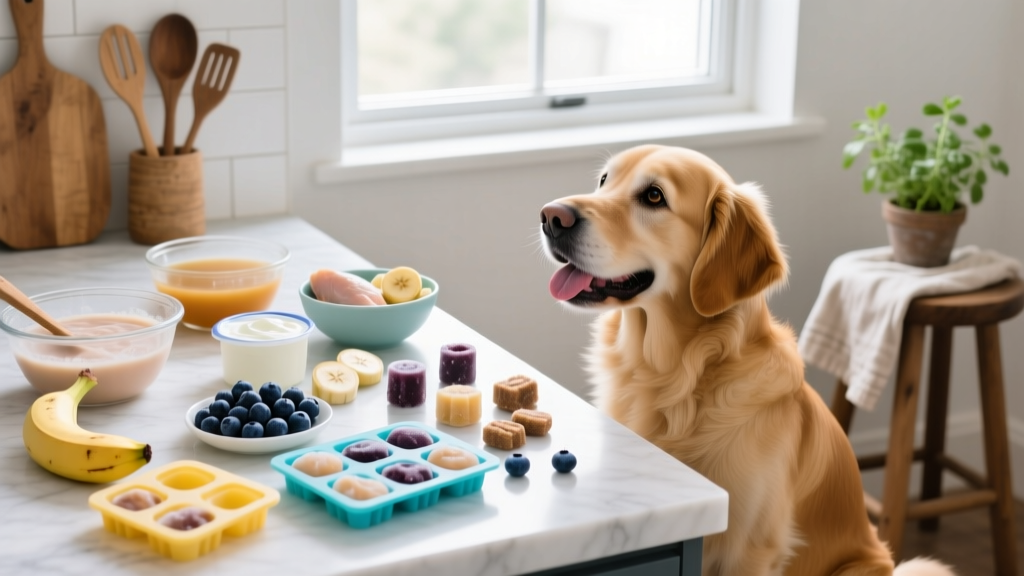
What to Do If My Dog Has Diarrhea
Learn what to do if your dog has diarrhea — symptoms, causes, vet costs, home care steps, and red flags that demand immediate veterinary attention.

Understanding Canine Diarrhea: What Every Dog Owner Should Know
Diarrhea in dogs is defined as the passage of abnormally loose, watery, or unformed stools, typically occurring three or more times per day. It is one of the most common reasons dog owners visit veterinary clinics — the American Veterinary Medical Association consistently ranks gastrointestinal complaints among the top five reasons for veterinary visits. Diarrhea isn't a disease itself but a clinical sign that something is disrupting your dog's digestive tract, whether that's a dietary indiscretion, infection, parasite, stress, or a more serious underlying condition.
In most healthy adult dogs, an isolated episode of mild diarrhea lasting less than 24 hours often resolves on its own with supportive home care. However, when diarrhea persists beyond 48 hours, contains blood, or is accompanied by vomiting, lethargy, or signs of dehydration, it crosses from a minor nuisance into a potential medical emergency. Knowing what to do if your dog has diarrhea — and when to stop home treatment and call the vet — can mean the difference between a quick recovery and a costly, dangerous complication.
The causes range from the benign (your dog got into the trash) to the life-threatening (parvovirus in an unvaccinated puppy, hemorrhagic gastroenteritis, or intestinal blockage). This guide walks you through identifying severity, understanding diagnostic steps, exploring treatment options, managing costs, and recognizing the red flags that demand immediate professional care.
Recognizing the Symptoms: From Mild to Severe
Not all diarrhea looks the same. The color, consistency, frequency, and accompanying symptoms all help determine whether you're dealing with a minor stomach upset or something requiring urgent intervention. Use this checklist to assess where your dog falls on the severity spectrum.
| Severity | Symptoms | Action |
|---|---|---|
| Mild (Early Warning) |
|
Monitor at home; begin bland diet; ensure hydration |
| Moderate |
|
Call your vet for advice; begin fasting protocol if recommended; prepare for possible visit |
| Severe (Emergency) |
|
Seek emergency veterinary care immediately |
A particularly important warning sign is stool color. Bright red blood (hematochezia) usually indicates lower intestinal or colonic inflammation, while dark, tarry, black stool (melena) suggests bleeding higher in the digestive tract — often the stomach or small intestine — which is typically more serious. Yellow or gray diarrhea can signal liver, pancreatic, or biliary issues that need diagnostic workup.
Risk Factors: Which Dogs Are Most Vulnerable?
While any dog can develop diarrhea, certain factors significantly increase risk and influence how quickly a mild case can escalate.
Risk Factor Breakdown
Age: Puppies under 6 months and senior dogs over 10 years face the highest risk of rapid dehydration and complications. Puppies have minimal fluid reserves, and a bout of diarrhea can become life-threatening within 12–24 hours if caused by parvovirus or severe parasitism.
Breed Predisposition: Certain breeds are genetically prone to chronic or recurrent gastrointestinal issues:
- German Shepherds — predisposed to exocrine pancreatic insufficiency (EPI), inflammatory bowel disease (IBD), and small intestinal bacterial overgrowth (SIBO)
- Boxers — high incidence of histiocytic ulcerative colitis (Boxer colitis)
- Yorkshire Terriers, Miniature Schnauzers — prone to pancreatitis, which commonly presents with diarrhea
- Soft-Coated Wheaten Terriers — genetic predisposition to protein-losing enteropathy
- Brachycephalic breeds (French Bulldogs, Bulldogs) — food sensitivities and chronic GI inflammation are common
Weight: Overweight and obese dogs have higher rates of pancreatitis and dietary indiscretion-related GI upset. Underweight dogs may already have a compromised gut lining.
Environment: Dogs with access to garbage, compost, standing water, or who frequent dog parks and kennels face elevated exposure to bacteria (Salmonella, Campylobacter), parasites (Giardia, Coccidia), and viruses.
Medication History: Recent antibiotic use, NSAID administration (like carprofen or meloxicam), or steroid therapy can disrupt gut flora or irritate the intestinal lining.
Stress: Boarding, travel, new household members, or routine changes can trigger stress colitis — one of the most common causes of acute diarrhea in otherwise healthy dogs.
How Veterinarians Diagnose the Cause of Diarrhea
Because diarrhea is a symptom rather than a diagnosis, your veterinarian will follow a systematic process to identify the underlying cause. The depth of testing depends on severity, duration, and your dog's history.
- Step 1: History and Physical Exam ($65–$120 office visit fee)
Your vet will ask about diet changes, recent treats or table scraps, exposure to other dogs, travel history, vaccination status, deworming schedule, and any medications. A physical exam checks hydration status (skin tent test, gum moisture), abdominal pain, fever, and body condition. - Step 2: Fecal Analysis ($35–$85)
A fecal floatation test checks for parasite eggs (roundworms, hookworms, whipworms, coccidia). A Giardia antigen test ($40–$65) is often run separately since standard flotation can miss it. A fecal smear may reveal bacteria or inflammatory cells. - Step 3: Blood Work ($120–$250 for CBC and chemistry panel)
A complete blood count (CBC) reveals infection, anemia, or dehydration. A serum chemistry panel evaluates organ function — liver enzymes, kidney values (BUN, creatinine), electrolytes, and blood glucose. A canine pancreatic lipase (cPL) test ($85–$150) screens for pancreatitis. - Step 4: Imaging — X-rays or Ultrasound ($200–$500)
Abdominal radiographs can reveal foreign bodies, gas patterns suggesting obstruction, or organ enlargement. Ultrasound provides a more detailed look at intestinal wall thickness, lymph nodes, and the pancreas. These are typically pursued if diarrhea persists beyond 3–5 days or if obstruction is suspected. - Step 5: Advanced Testing (as needed)
For chronic diarrhea lasting more than 3 weeks, your vet may recommend a cobalamin/folate panel ($75–$120) to assess small intestinal absorption, a TLI test for exocrine pancreatic insufficiency ($65–$100), food allergy elimination trials (8–12 weeks on a novel protein or hydrolyzed diet), or endoscopy with intestinal biopsy ($1,200–$3,000) to diagnose IBD, lymphoma, or other infiltrative diseases.
According to the Merck Veterinary Manual, most cases of acute diarrhea in dogs are self-limiting and may not require extensive testing if the dog is otherwise bright, hydrated, and responsive to initial supportive care.
Treatment Options: From Home Care to Hospitalization
Treatment depends entirely on the underlying cause and severity. Here's a comparison of the most common approaches.
| Approach | When Used | Details | Typical Outcome |
|---|---|---|---|
| Fasting + Bland Diet | Mild acute diarrhea in healthy adult dogs | 12–24 hour fast (water available), then small frequent meals of boiled chicken breast and white rice (2:1 rice-to-chicken ratio) for 3–5 days, gradual transition back to regular food | 70–80% of mild cases resolve within 48–72 hours |
| Probiotics | Stress-related diarrhea, post-antibiotic GI upset, mild cases | Veterinary-specific strains such as Enterococcus faecium (e.g., Purina FortiFlora, ~$30/30 packets) or Saccharomyces boulardii (Proviable-DC, ~$25/30 capsules). Human probiotics may not survive canine stomach pH. | Studies show 1–2 day reduction in diarrhea duration when added early |
| Deworming | Confirmed parasitic infection | Fenbendazole (Panacur, $15–$40 per course) for roundworms/hookworms/whipworms/Giardia. Praziquantel for tapeworms. Multiple doses often needed, repeated in 2–3 weeks. | Excellent — 90%+ cure rate with proper dosing and follow-up |
| Prescription Medications | Moderate to severe cases, bacterial overgrowth, IBD | Metronidazole ($10–$30) for bacterial/protozoal causes. Tylosin ($20–$50) for chronic antibiotic-responsive diarrhea. Prednisone for IBD. Anti-nausea medications (maropitant/Cerenia, $40–$80) if vomiting is present. | Variable — acute bacterial cases respond in 3–5 days; IBD requires ongoing management |
| IV Fluids & Hospitalization | Severe dehydration, hemorrhagic gastroenteritis (HGE), parvovirus | Lactated Ringer's solution or Normosol-R administered IV. Continuous monitoring of electrolytes, blood glucose, and hydration. May include injectable antibiotics, anti-emetics, and gastroprotectants. | HGE survival rate is 90%+ with aggressive treatment. Parvovirus survival is 80–90% with intensive care (vs. under 10% untreated). |
| Surgery | Intestinal obstruction, intussusception, tumor | Exploratory laparotomy to remove foreign body, resect damaged intestine, or remove mass. Requires general anesthesia and 2–4 days of hospitalization. | Good for foreign body removal if caught early. Prognosis worsens with intestinal perforation or sepsis. |
Important note on fasting: Never fast a puppy under 6 months, a toy-breed dog under 10 lb (4.5 kg), or a diabetic dog without veterinary guidance. These dogs can develop dangerous hypoglycemia within hours without food intake. For these dogs, skip the fast and go straight to small, frequent bland meals — or call your vet.
Home Care Protocol: Step-by-Step Management
For mild cases where your dog is alert, hydrated, and not vomiting, a structured home care plan can often resolve diarrhea within 2–3 days. Here is a specific, actionable protocol:
Hours 0–12: Assessment and Fasting
- Remove food but provide free access to fresh water. If your dog won't drink, offer ice cubes or low-sodium chicken broth (no onion or garlic).
- Monitor stool frequency, color, and consistency. Take a photo — your vet may want to see it.
- Check hydration: gently pinch the skin between the shoulder blades. It should snap back immediately. If it stays tented or returns slowly, your dog is dehydrated — call your vet.
- Check gum color: they should be bubblegum pink. Press a finger against the gums — the white spot should turn pink again within 1–2 seconds (capillary refill time). Slower refill or pale/gray gums are emergency signs.
Hours 12–72: Bland Diet Introduction
- Prepare a bland diet: boil boneless, skinless chicken breast (shredded) and mix with plain white rice in a 1:2 ratio (one part chicken, two parts rice). Do not add salt, butter, oil, or seasonings.
- Feed ¼ to ½ cup per 10 lb (4.5 kg) of body weight, divided into 4–6 small meals throughout the day.
- Alternative protein sources if chicken is a known allergen: boiled lean ground turkey (93% lean or higher), boiled extra-firm tofu, or a veterinary-prescribed hydrolyzed protein diet such as Hill's z/d or Royal Canin Hydrolyzed Protein HP.
- Add a veterinary probiotic (Purina FortiFlora or Proviable-DC) at the recommended dose once daily.
- Ensure water intake is at least 1 oz per pound of body weight per day (approximately 30 mL per 0.45 kg).
Days 3–7: Gradual Transition Back
- Once stools are formed for 24+ hours, begin mixing the bland diet with your dog's regular food: Day 1 back — 75% bland diet / 25% regular food. Day 2 — 50/50. Day 3 — 25% bland / 75% regular. Day 4 — full regular diet.
- If diarrhea returns at any point during transition, go back one step and hold for another 24 hours.
Stop home treatment and contact your veterinarian or nearest emergency clinic if you observe any of the following:
- Blood in stool — either bright red streaks or dark, tarry, coffee-ground appearance
- Vomiting more than twice in 24 hours, or inability to keep water down
- Diarrhea lasting more than 48 hours with no improvement
- Signs of pain — whining, trembling, hunched back, praying position (front end down, rear end up)
- Lethargy severe enough that your dog won't get up or respond normally
- Pale, white, gray, or yellowish gums
- Suspected ingestion of a toxic substance, foreign object, or human medication
- Your dog is a puppy under 6 months, a senior over 10 years, or has a pre-existing condition (diabetes, kidney disease, Addison's disease)
- Known or suspected parvovirus exposure (unvaccinated or incompletely vaccinated dog with foul-smelling bloody diarrhea)
If you suspect your dog ingested something toxic, call ASPCA Animal Poison Control at (888) 426-4435 (24/7, consultation fee applies) or the Pet Poison Helpline at (855) 764-7661 immediately.
Cost Breakdown: What to Expect at the Vet
Costs vary widely by region, clinic type (general practice vs. emergency/specialty), and severity. Here are realistic 2026 ranges based on typical US veterinary pricing:
| Scenario | Estimated Cost Range | What's Included |
|---|---|---|
| Mild case — office visit + fecal test + probiotic | $150 – $350 | Exam fee, fecal floatation, Giardia test, probiotic dispensed |
| Moderate case — exam + blood work + medications | $350 – $750 | Exam, CBC/chemistry, cPL test, metronidazole or tylosin, anti-nausea injection, subcutaneous fluids |
| Severe case — emergency visit + hospitalization (1–2 days) | $1,500 – $4,000 | Emergency exam fee ($150–$250), full blood panel, IV fluids, injectable medications, monitoring, possible imaging |
| Critical — HGE or parvovirus (extended hospitalization) | $3,000 – $8,000+ | 3–5 days intensive care, continuous IV fluids, multiple blood draws, plasma transfusion (if needed, $500–$1,200 per unit), isolation care for parvo |
| Chronic diarrhea workup (IBD, food allergy, EPI) | $800 – $3,500+ | Multiple visits, cobalamin/folate panel, TLI, abdominal ultrasound, possible endoscopy with biopsy ($1,200–$3,000 alone), prescription diet trials |
For context, pet insurance plans with accident-and-illness coverage typically reimburse 70–90% of these costs after the deductible is met, depending on your plan. If your dog has recurrent GI issues, insurance can be a significant financial buffer. Plans from providers like Trupanion, Healthy Paws, or Nationwide typically cost $30–$80/month for a medium-sized dog, depending on age and location.
Prognosis and Recovery Timeline
The prognosis for canine diarrhea depends heavily on the underlying cause and how quickly treatment begins.
| Condition | Typical Recovery Time | Prognosis with Treatment |
|---|---|---|
| Dietary indiscretion (trash, table scraps) | 1–3 days | Excellent — full recovery expected |
| Stress colitis | 2–5 days | Excellent — may recur with future stress events |
| Parasitic infection (worms, Giardia) | 5–14 days | Excellent — 90%+ cure with proper deworming protocol |
| Bacterial gastroenteritis | 5–10 days | Good to excellent with appropriate antibiotics |
| Hemorrhagic gastroenteritis (HGE) | 3–7 days (hospitalized) | 90%+ survival with aggressive IV fluid therapy; can be fatal without treatment |
| Parvovirus | 5–10 days (hospitalized) | 80–90% survival with intensive care; under 10% survival untreated |
| Inflammatory bowel disease (IBD) | Chronic — managed over months to years | Guarded to fair — many dogs achieve long-term remission with diet and immunosuppressive therapy, but flares are common |
| Intestinal obstruction (foreign body) | 7–14 days post-surgery | Good if caught before perforation; guarded to poor if sepsis has developed |
Life expectancy for a dog that has experienced a single episode of acute diarrhea and fully recovered is unaffected — these dogs go on to live normal lifespans. For chronic conditions like IBD or EPI, life expectancy is generally good with proper ongoing management, though these conditions require lifelong dietary and sometimes medical intervention. Untreated severe causes — parvovirus, intestinal perforation, or HGE — can be fatal within 24–72 hours.
Prevention: Reducing Your Dog's Risk
While you can't prevent every case of diarrhea, these strategies significantly reduce frequency and severity:
- Maintain a consistent diet. Sudden food changes are one of the top causes of acute diarrhea. When switching foods, transition gradually over 7–10 days: Day 1–2: 75% old food / 25% new. Day 3–4: 50/50. Day 5–6: 25% old / 75% new. Day 7+: 100% new food.
- Restrict access to hazards. Use dog-proof trash cans, keep human food out of reach, and prevent access to standing water, compost piles, and areas with animal feces.
- Stay current on vaccinations. The DHPP vaccine (distemper, hepatitis, parainfluenza, parvovirus) is a core vaccine recommended by the American Kennel Club and should be boosted according to your vet's schedule — typically every 3 years for adult dogs after the initial puppy series.
- Deworm regularly. The Companion Animal Parasite Council (CAPC) recommends fecal testing 1–2 times per year and monthly heartworm prevention (many products like Interceptor Plus or Heartgard Plus also cover intestinal parasites).
- Limit high-fat treats and table scraps. Fatty foods are a primary trigger for pancreatitis, especially in predisposed breeds. Keep treats to less than 10% of daily caloric intake.
- Manage stress proactively. If your dog is prone to stress colitis during boarding or travel, discuss preventive strategies with your vet — some recommend starting a probiotic 3–5 days before a known stress event. Counter-conditioning and desensitization training can also reduce anxiety-related GI episodes over time.
- Provide daily fiber if prone to chronic loose stools. Adding 1–2 teaspoons of plain canned pumpkin (not pumpkin pie filling) per 10 lb of body weight to meals can help firm stools. This is a well-tolerated, low-risk intervention for dogs with sensitive stomachs.
Frequently Asked Questions
What can I give my dog to stop diarrhea fast?
For mild cases, a 12–24 hour fast followed by a bland diet of boiled chicken and white rice is the most effective home approach. Adding a veterinary probiotic like Purina FortiFlora can shorten recovery by 1–2 days. Do not give your dog over-the-counter human anti-diarrheal medications like loperamide (Imodium) without veterinary guidance — it can be toxic to some breeds, particularly those with the MDR1 gene mutation (Collies, Australian Shepherds, Shelties) and can worsen certain types of infection.
How long is too long for a dog to have diarrhea?
For a healthy adult dog, 48 hours without improvement is the threshold for contacting your vet. For puppies under 6 months, toy breeds, or dogs with pre-existing conditions, call your vet after 24 hours or sooner if any red-flag symptoms appear.
Should I starve my dog if they have diarrhea?
A short fast of 12–24 hours (with water available) can help rest the digestive tract in healthy adult dogs. However, never fast puppies, toy breeds (under 10 lb / 4.5 kg), senior dogs with health conditions, or diabetic dogs — they risk dangerous drops in blood sugar. For these dogs, go directly to small, frequent bland meals and consult your vet.
Is rice good for dogs with diarrhea?
Yes, plain white rice is a standard component of the veterinary bland diet. It's easily digestible, low in fiber, and helps firm stools. Brown rice is less ideal during acute diarrhea because its higher fiber content can further irritate the gut. Stick to white rice during the recovery period.
Can I give my dog Pepto-Bismol for diarrhea?
Bismuth subsalicylate (Pepto-Bismol) can be used in dogs at a dose of 0.5–1 mL per pound (1–2 mL per kg) every 8–12 hours, but only under veterinary direction. It contains salicylate, which is related to aspirin and can be dangerous for dogs on NSAIDs, dogs with bleeding disorders, or cats in multi-pet households where accidental ingestion could occur. Always consult your veterinarian before administering any OTC medication.
My dog has diarrhea but seems fine otherwise — should I worry?
If your dog is alert, eating, drinking, and playful with only 1–3 episodes of soft stool, monitoring at home with a bland diet is reasonable. However, watch closely for any escalation. If the diarrhea persists beyond 48 hours, contains blood, or if your dog's demeanor changes (becomes lethargic, stops eating, starts vomiting), contact your vet. Some serious conditions begin with mild symptoms before rapidly worsening.
For additional guidance on canine gastrointestinal health, consult the ASPCA's Dog Care resources or speak directly with your veterinarian about your dog's specific situation.
Jonas Cole
All our authors care for dogs every day — read more of their work on the authors page.