Homemade Frozen Dog Treats: Safe Recipes & Nutrition Guide
Discover vet-approved homemade frozen dog treat recipes with exact nutritional data, safe ingredients, portion sizes by weight, and life-stage adjustments.
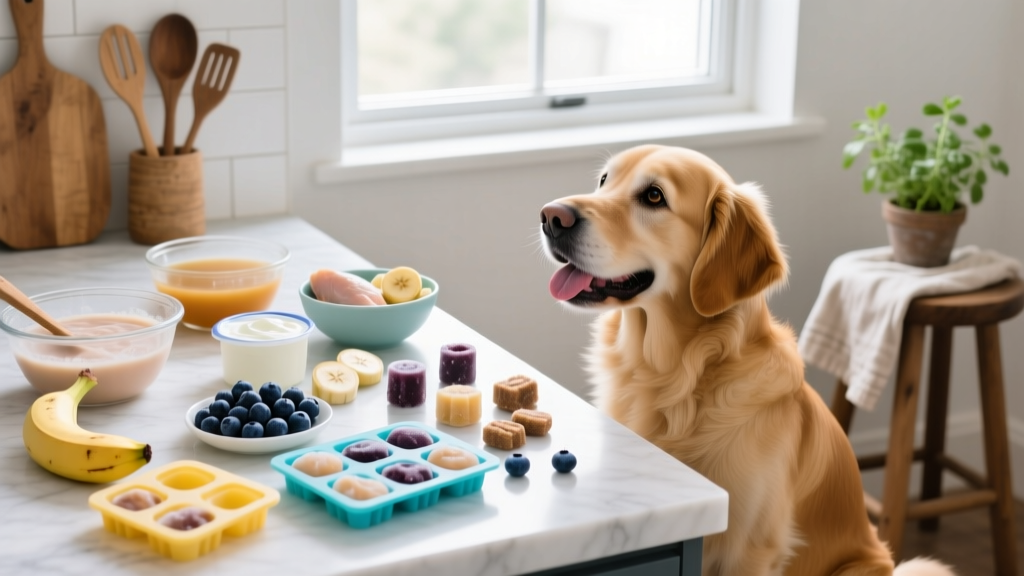
Homemade frozen dog treats offer a refreshing way to reward your dog while controlling exactly what goes into their body. Unlike many commercial options loaded with fillers and artificial preservatives, DIY frozen treats let you select whole, dog-safe ingredients tailored to your pet's specific needs. But "homemade" doesn't automatically mean "safe" — certain fruits, sweeteners, and fats can cause serious harm.
This guide covers the nutritional science behind frozen treats, safe ingredient selection, portion calculations by body weight, life-stage adjustments, and five vet-reviewed recipes you can make this weekend.
Nutritional Requirements: Where Treats Fit in Your Dog's Diet
The Merck Veterinary Manual outlines daily caloric needs based on weight and life stage. Treats — including frozen ones — should never exceed 10% of your dog's total daily caloric intake. Here's what that looks like in practice:
| Dog Weight | Daily Calories (Adult, Moderate Activity) | Max Treat Calories (10%) | Approx. Frozen Treat Servings |
|---|---|---|---|
| 10 lb / 4.5 kg | 340 kcal | 34 kcal | 1–2 small cubes (15 kcal each) |
| 25 lb / 11 kg | 630 kcal | 63 kcal | 3–4 small cubes |
| 50 lb / 23 kg | 990 kcal | 99 kcal | 5–6 medium cubes (20 kcal each) |
| 75 lb / 34 kg | 1,330 kcal | 133 kcal | 6–7 medium cubes |
| 100 lb / 45 kg | 1,650 kcal | 165 kcal | 8–9 medium cubes |
Macronutrient targets for treats: Aim for treats that are roughly 30–40% protein, 10–20% fat, and 40–60% carbohydrates/moisture by calorie. Treats are supplemental, not complete meals, so they don't need to meet AAFCO complete-and-balanced standards — but they should not displace nutritionally complete meals.
Safe Ingredients: What to Include in Homemade Frozen Dog Treats
Building safe frozen treats starts with understanding which ingredients are dog-friendly. Here's an ingredient analysis organized by category:
Protein Bases (Choose One)
- Plain Greek yogurt (nonfat): ~59 kcal per 100g, 10g protein. Provides probiotics. Avoid if dog is lactose-intolerant.
- Canned pumpkin (100% pure, NOT pie filling): ~26 kcal per 100g, high fiber. Excellent for digestive health.
- Natural peanut butter (xylitol-free): ~588 kcal per 100g, 25g protein. High calorie — use sparingly. Always verify the label says zero xylitol (birch sugar), which is lethal to dogs.
- Cooked, unseasoned chicken breast (shredded): ~165 kcal per 100g, 31g protein. Lean and highly digestible.
- Low-sodium bone broth (onion/garlic-free): ~15 kcal per cup. Great for hydration-focused treats.
Fruits & Vegetables (Choose 1–2)
- Blueberries: 57 kcal per 100g. Rich in antioxidants. Serve whole or mashed.
- Banana: 89 kcal per 100g. High potassium, naturally sweet. Use in moderation due to sugar content.
- Strawberries: 32 kcal per 100g. Contains malic acid (natural teeth whitener).
- Watermelon (seedless, rind removed): 30 kcal per 100g. 92% water — ideal for hydration treats.
- Carrots (grated or pureed): 41 kcal per 100g. Beta-carotene rich, low calorie.
- Green beans (steamed, unsalted): 31 kcal per 100g. Low calorie, high fiber.
Liquid Bases (Choose One)
- Water (zero calorie, universal)
- Goat's milk: ~69 kcal per 100ml. Lower lactose than cow's milk, easier to digest.
- Coconut water (unsweetened): ~19 kcal per 100ml. Electrolyte-rich for active dogs.
Toxic Ingredients: What to Avoid Completely
Never include these ingredients in homemade frozen dog treats:
| Ingredient | Toxicity Level | Symptoms | Why It Appears in Recipes Online |
|---|---|---|---|
| Xylitol (birch sugar) | Life-threatening | Hypoglycemia within 30 min, liver failure, seizures | Common in "sugar-free" peanut butter and yogurt |
| Grapes & raisins | Life-threatening | Acute kidney failure (onset 6–24 hrs) | Sometimes used in "fruit medley" frozen treats |
| Chocolate (any form) | Moderate to life-threatening | Vomiting, tremors, arrhythmia (theobromine toxicity) | Used in "pupsicle" recipes mimicking human desserts |
| Macadamia nuts | Moderate | Weakness, vomiting, hyperthermia (onset 12 hrs) | Added to "trail mix" style treats |
| Onion & garlic (powder or fresh) | Moderate | Heinz body anemia (onset 3–5 days cumulative) | Found in savory broth-based recipes |
| Avocado (pit, skin, leaves) | Mild to moderate | Vomiting, diarrhea (persin toxicity) | Trendy "superfood" addition |
Five Vet-Reviewed Homemade Frozen Dog Treat Recipes
Each recipe below yields approximately 12 standard ice-cube-sized treats (about 15–25 kcal per cube depending on ingredients). Always consult your veterinarian before introducing new foods, especially if your dog has known allergies, kidney disease, or other health conditions.
Recipe 1: Blueberry Yogurt Bites (Antioxidant Boost)
- 1 cup plain nonfat Greek yogurt (100 kcal, 17g protein)
- ½ cup fresh blueberries, mashed (43 kcal)
- 1 tbsp natural peanut butter, xylitol-free (94 kcal)
Total: ~237 kcal for batch, ~20 kcal per treat, 14 treats. Directions: Mash blueberries, mix all ingredients, pour into silicone molds, freeze 4–6 hours. Best for: Adult dogs, active dogs needing antioxidant support.
Recipe 2: Pumpkin Banana Digestion Soothers
- 1 cup canned pure pumpkin (78 kcal, 7g fiber)
- 1 medium banana, mashed (105 kcal)
- ¼ cup goat's milk (35 kcal)
Total: ~218 kcal for batch, ~18 kcal per treat, 12 treats. Directions: Blend all ingredients until smooth, pour into molds, freeze 4 hours. Best for: Dogs with sensitive stomachs, seniors needing gentle fiber.
Recipe 3: Chicken Broth Hydration Cubes (Summer Essential)
- 2 cups low-sodium, onion-free chicken bone broth (30 kcal)
- ¼ cup finely shredded cooked chicken breast (41 kcal)
- 2 tbsp grated carrot (5 kcal)
Total: ~76 kcal for batch, ~6 kcal per treat, 12 treats. Directions: Combine ingredients, distribute chicken and carrot evenly in molds, pour broth over, freeze 6 hours. Best for: Weight management dogs, summer hydration, senior dogs with reduced water intake.
Recipe 4: Watermelon Strawberry Cooler
- 1 cup seedless watermelon chunks, blended (30 kcal)
- ½ cup strawberries, hulled and blended (16 kcal)
- 2 tbsp unsweetened coconut water (4 kcal)
Total: ~50 kcal for batch, ~4 kcal per treat, 12 treats. Directions: Blend all ingredients, strain if desired for smoother texture, pour into molds, freeze 3–4 hours. Best for: Overweight dogs (ultra-low calorie), hot weather refreshment.
Recipe 5: Peanut Butter Green Bean Protein Bites
- 1 cup steamed green beans, pureed (31 kcal, 3g fiber)
- 2 tbsp natural peanut butter, xylitol-free (188 kcal)
- ¼ cup plain Greek yogurt (25 kcal)
- 2 tbsp water
Total: ~244 kcal for batch, ~20 kcal per treat, 12 treats. Directions: Puree green beans with water, mix in peanut butter and yogurt, spoon into molds, freeze 5 hours. Best for: Active dogs needing protein, dogs on limited-ingredient diets (verify no chicken/beef allergies).
Life Stage & Condition Adjustments
Not every frozen treat recipe suits every dog. Here's how to adjust based on your dog's life stage or health condition:
Puppies (Under 12 Months)
Puppies have higher protein requirements (minimum 22% on a dry matter basis per AAFCO growth standards) and more sensitive digestive systems. Adjustments: Use yogurt-based recipes rather than fruit-heavy ones. Limit treat calories to 5% of daily intake (not 10%) since puppies need their calories from complete growth-formulated food. Introduce one ingredient at a time over 3 days to monitor for allergic reactions. Avoid very cold treats for puppies under 16 weeks — slightly softened treats are gentler on developing teeth.
Senior Dogs (7+ Years)
Senior dogs often have reduced kidney function, dental issues, and slower metabolisms. Adjustments: Prioritize hydration-focused recipes (bone broth cubes, watermelon blends). Reduce protein-dense treats if kidney disease is present — your vet will confirm via bloodwork (BUN/creatinine levels). Make treats smaller and softer (reduce freeze time to 2–3 hours) for dogs with dental disease. Consider adding a pinch of ground turmeric (~50mg per batch) for anti-inflammatory support — discuss with your vet first.
Overweight Dogs (BCS 6–9/9)
If your dog's body condition score is above ideal (5/9), frozen treats can still work. Adjustments: Stick to recipes under 10 kcal per treat (watermelon cooler, broth cubes). Reduce main meal portions by the treat calorie amount — don't add treats on top of existing meals. Use treats as training rewards during active sessions, not as couch snacks. Aim for 20–30 minutes of additional daily exercise alongside dietary changes.
Dogs with Food Allergies
Common canine allergens include chicken, beef, dairy, wheat, soy, and egg. Adjustments: Use novel protein bases (if your dog tolerates them) — for example, cooked salmon instead of chicken in broth recipes. Choose dairy-free liquid bases (water, coconut water) instead of yogurt or goat's milk. Run a 48-hour single-ingredient test: freeze just the new ingredient alone and feed one treat, then monitor for itching, ear redness, GI upset, or paw licking before combining ingredients.
Dogs with Kidney Disease
Renal diets restrict phosphorus and protein. Adjustments: Avoid yogurt, peanut butter, and meat-based treats. Focus on fruit/vegetable-based recipes (watermelon, pumpkin, green bean). Use water as the only liquid base. These treats should be approved by your veterinarian or a board-certified veterinary nutritionist (ACVN diplomate) before feeding.
Portion Sizes & Feeding Frequency by Weight
Frozen treats should be fed based on body weight, activity level, and the specific recipe's calorie density. Here's a feeding calculator framework:
| Dog Weight | Low-Cal Treats (<10 kcal) | Medium-Cal Treats (10–20 kcal) | High-Cal Treats (20+ kcal) | Max Frequency |
|---|---|---|---|---|
| Under 15 lb / 7 kg | 1–2 per day | 1 per day | ½ per day (split) | Daily max |
| 15–30 lb / 7–14 kg | 2–3 per day | 1–2 per day | 1 per day | Daily max |
| 30–60 lb / 14–27 kg | 3–5 per day | 2–3 per day | 1–2 per day | Daily max |
| 60–90 lb / 27–41 kg | 5–7 per day | 3–4 per day | 2–3 per day | Daily max |
| 90+ lb / 41+ kg | 7–9 per day | 4–6 per day | 3–4 per day | Daily max |
Adjustment factors: Increase by 25% for highly active working/sport dogs. Decrease by 25% for sedentary indoor dogs, spayed/neutered dogs (reduced metabolic rate), or dogs on weight-loss plans. Senior dogs over 10 years typically need a 15–20% reduction from adult baselines.
Supplement Guidance: Do Frozen Treats Need Add-Ins?
Most homemade frozen dog treats don't require supplements since they're occasional extras, not meal replacements. However, certain add-ins can provide functional benefits:
- Fish oil (EPA/DHA): 1 pump (~500mg) per batch of 12 treats. Supports skin, coat, and joint health. Add to yogurt or peanut butter bases. Dosage target: 20–55 mg combined EPA+DHA per kg body weight daily (total from all sources).
- Probiotic powder (canine-specific): 1 capsule (~1 billion CFU) per batch. Mix into yogurt-based recipes after blending (heat from blending can reduce viability). Look for Enterococcus faecium or Lactobacillus acidophilus strains.
- Glucosamine/chondroitin powder: For senior dogs with joint issues. Add 250mg per batch (provides ~20mg per treat). Discuss with your vet — therapeutic doses are typically 20mg/kg/day from all sources combined.
- Turmeric (ground): ¼ tsp per batch. Anti-inflammatory. Add a pinch of black pepper to improve bioavailability. Avoid if dog is on blood thinners.
When supplements are NOT needed: If your dog eats a complete-and-balanced commercial diet carrying an AAFCO statement for their life stage, additional vitamin/mineral supplements in treats are unnecessary and could cause excess intake (particularly fat-soluble vitamins A, D, E, K).
Commercial Frozen Treat Alternatives: What to Look For
If homemade isn't always practical, commercial frozen treats can work — but label reading is critical. Here's what to evaluate:
Selection Criteria
- Named protein source first: "Chicken" or "salmon" — not "meat by-products" or "animal fat"
- Under 30 kcal per treat for standard-size dogs
- No artificial preservatives: Avoid BHA, BHT, ethoxyquin
- No xylitol or grape-derived ingredients
- Short ingredient list: Fewer than 8 ingredients typically indicates less processing
- Country of origin: Treats manufactured in the US, EU, or Australia generally have stricter quality controls
Recommended Commercial Options (2026 Price Ranges)
| Brand & Product | Key Ingredients | Calories/Treat | Price Range | Best For |
|---|---|---|---|---|
| Primal Pet Foods Frozen Dog Treats (Beef) | Beef liver, beef heart, organic produce | ~12 kcal | $9–$12 / 8 oz bag | Raw-fed dogs, high-protein needs |
| Stella & Chewy's Freeze-Dried Raw Coated Treats | Single-source protein, organic fruits/veg | ~15 kcal | $11–$14 / 8 oz bag | Limited-ingredient diets |
| Zuke's Z-Filets Frozen (Salmon) | Salmon, potatoes, flaxseed | ~18 kcal | $8–$11 / 6 oz bag | Skin/coat support (omega-3) |
| Fruitables Skinny Minis (Frozen Watermelon) | Watermelon, chickpeas, coconut | ~4 kcal | $6–$8 / 10 oz bag | Weight management |
| Bocce's Bakeshop Frozen Yogurt Bites | Greek yogurt, fruit puree | ~8 kcal | $7–$10 / 8 oz bag | Small breeds, puppies (softened) |
Preparation, Storage & Food Safety
Frozen treats carry food safety considerations for both you and your dog:
- Use silicone ice cube trays or dedicated dog-treat molds — avoid plastic trays that may leach BPA. Silicone molds cost $8–$15 and last for years.
- Label and date all batches. Homemade frozen treats last up to 3 months in a standard freezer (0°F / -18°C). After that, quality and nutrient density degrade.
- Store in airtight freezer bags or containers to prevent freezer burn and absorption of other food odors.
- Thaw slightly for senior dogs or small breeds: Let treats sit at room temperature for 2–3 minutes before serving to reduce choking risk and tooth stress.
- Wash all produce thoroughly before use, even if organic — pesticide residue and soil bacteria can contaminate treats.
- Never refreeze thawed treats — bacterial growth accelerates after the first thaw cycle.
Monitoring Success: Is Your Dog Tolerating the Treats?
After introducing any new frozen treat, monitor these indicators over 48–72 hours:
- Stool quality: Should remain firm and well-formed (score 2–3 on the Purina Fecal Scoring System). Loose stools or diarrhea suggest an ingredient intolerance — eliminate ingredients one at a time to identify the culprit.
- Energy level: No change expected from treats. Lethargy after ingestion warrants immediate vet attention.
- Coat condition: Over 2–4 weeks of regular treat feeding, fish-oil-enhanced treats should produce noticeable coat shine improvement.
- Body condition score (BCS): Weigh your dog monthly. If BCS increases beyond 5/9, reduce treat frequency or switch to lower-calorie recipes.
- Itching/skin redness: New allergies can develop at any age. Watch for paw licking, ear scratching, or belly redness within 24 hours of introducing a new ingredient.
Frequently Asked Questions
Can puppies have homemade frozen dog treats?
Yes, puppies over 12 weeks can have small amounts of frozen treats made from puppy-safe ingredients (plain yogurt, banana, pumpkin). Keep portions to 5% of daily calories and introduce one ingredient at a time over 3 days to monitor for allergies. Soften treats slightly before serving to protect developing teeth.
How long do homemade frozen dog treats last?
Up to 3 months when stored in airtight containers at 0°F (-18°C). Label each batch with the date and ingredients. Discard any treats with visible freezer burn (white, dry patches) or off-odors after thawing.
Can I use these treats for dogs on prescription diets?
Not without veterinary approval. Prescription diets (e.g., Hill's Prescription Diet, Royal Canin Veterinary Diet, Purina Pro Plan Veterinary Supplements) are formulated for specific medical conditions. Adding treats with unapproved ingredients can counteract the therapeutic diet. Ask your vet which ingredients are compatible.
Are frozen treats safe for dogs with dental disease?
Hard frozen treats can fracture compromised teeth. For dogs with dental disease, soften treats at room temperature for 3–5 minutes before serving, or blend into a slush consistency. Discuss dental treatment with your veterinarian — treats don't replace professional dental cleaning.
Do I need a veterinary nutritionist to approve my recipes?
For occasional treats (under 10% of daily calories), a vet nutritionist isn't required — but your regular veterinarian should review any recipe you plan to use regularly, especially for dogs with health conditions. If you're considering a full homemade diet (not just treats), a board-certified veterinary nutritionist (ACVN diplomate) consultation is essential to prevent nutritional deficiencies. Expect to pay $150–$350 for a formulation consultation.
Can I use frozen treats for training rewards?
Frozen treats work well for at-home training sessions, especially in hot weather. For outdoor or rapid-fire training, they're impractical since they melt. Consider using freeze-dried versions of the same ingredients (e.g., freeze-dried liver, freeze-dried blueberries) for field training, and save frozen treats for post-session rewards or enrichment activities like stuffing into a Kong toy.
Aaron Whyte
All our authors care for dogs every day — read more of their work on the authors page.


