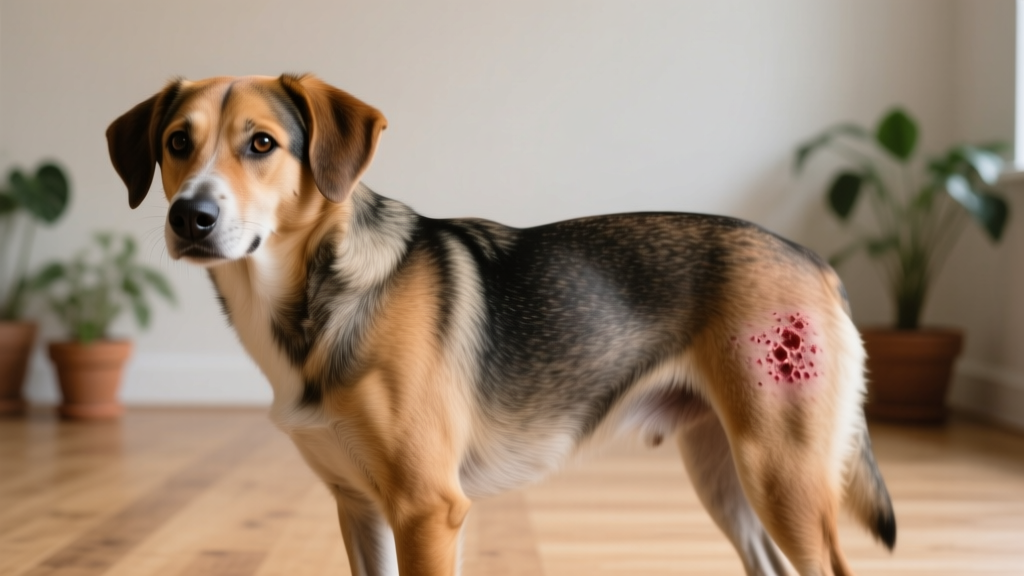
Treatment for Canine Bladder Stones: A Complete Veterinary Guide
Comprehensive guide to treatment for canine bladder stones covering symptoms, diagnosis, surgical and medical options, costs, and prevention strategies.

What Are Canine Bladder Stones?
Canine bladder stones (uroliths) are hard mineral deposits that form inside the urinary bladder. They develop when urine becomes oversaturated with certain minerals — most commonly struvite (magnesium ammonium phosphate), calcium oxalate, urate, or cystine. These crystals aggregate over weeks to months, growing from sand-like grains to stones that can reach several centimeters in diameter.
Bladder stones affect an estimated 2-3% of the dog population, with certain breeds carrying significantly higher risk. Unlike kidney stones in humans, which often pass on their own, canine bladder stones rarely resolve without intervention and can cause life-threatening urethral obstructions if left untreated. The condition is distinct from urinary tract infections (UTIs), though struvite stones in particular frequently develop secondary to chronic bacterial infections.
Recognizing the Symptoms: Early Warnings vs. Emergency Signs
Bladder stone symptoms range from subtle behavioral changes to acute medical emergencies. Early detection dramatically improves treatment outcomes and reduces costs. Use this checklist to assess your dog's condition:
| Severity | Symptoms | Action Required |
|---|---|---|
| Early Warning | Increased frequency of urination, straining slightly during urination, licking genital area more than usual, small amounts of blood in urine (pink tinge) | Schedule vet appointment within 48-72 hours |
| Moderate | Visible blood in urine (red/brown), frequent attempts to urinate with little output, accidents in previously house-trained dogs, discomfort or whimpering during urination, cloudy or strong-smelling urine | Vet appointment within 24 hours |
| Emergency | Complete inability to urinate, repeated unproductive straining, vomiting, lethargy/collapse, distended or painful abdomen, crying out in pain | Emergency vet immediately — urethral obstruction can be fatal within 24-48 hours |
Male dogs face higher obstruction risk due to their narrower, longer urethra. A complete blockage prevents urine elimination entirely, causing toxins to build up in the bloodstream (uremia) and potentially leading to bladder rupture, kidney failure, and cardiac arrest from electrolyte imbalances.
Breed Predisposition and Risk Factors
High-Risk Breeds by Stone Type
| Stone Type | Predisposed Breeds | Typical Age of Onset |
|---|---|---|
| Struvite | Miniature Schnauzers, Shih Tzus, Bichon Frises, Cocker Spaniels, Miniature Poodles | 2-8 years (often linked to UTIs) |
| Calcium Oxalate | Miniature Schnauzers, Lhasa Apsos, Yorkshire Terriers, Shih Tzus, Bichon Frises | 5-12 years (more common in older dogs) |
| Urate | Dalmatians (genetic defect), English Bulldogs, Yorkshire Terriers | 1-5 years (Dalmatians); variable in others |
| Cystine | Newfoundlands, Labrador Retrievers, English Bulldogs, Dachshunds | 3-8 years (genetic/metabolic) |
Beyond breed genetics, several factors increase bladder stone risk:
- Sex: Females are more prone to struvite stones (due to higher UTI rates); males face greater obstruction risk from any stone type
- Diet: High-mineral diets, low water intake, and urine pH imbalances contribute to crystal formation
- Weight: Overweight dogs show higher incidence rates, possibly due to reduced activity and altered metabolism
- Chronic UTIs: Recurrent urinary tract infections create the alkaline urine environment that promotes struvite formation
- Dehydration: Concentrated urine allows minerals to precipitate more readily
- Medications: Long-term corticosteroid use and certain diuretics can alter urine composition
How Veterinarians Diagnose Bladder Stones
Accurate diagnosis requires identifying not just the presence of stones, but their type, size, number, and whether obstruction or secondary infection exists. Here is the typical diagnostic pathway your veterinarian will follow:
Diagnostic Workup Sequence
- Physical Examination ($50-$90): Abdominal palpation to detect stones or a distended bladder. Your vet assesses hydration status, pain level, and checks for urethral obstruction.
- Urinalysis ($35-$75): Evaluates urine pH, specific gravity (concentration), presence of crystals, blood cells, and bacteria. This test often provides the first clue about stone type — struvite crystals form in alkaline urine (pH >7.0), while calcium oxalate crystals appear in acidic urine (pH <6.5).
- Urine Culture & Sensitivity ($80-$150): Identifies specific bacteria if infection is present and determines which antibiotics will be effective. Critical for struvite stone cases where infection drives stone formation.
- Abdominal Radiographs/X-rays ($150-$350): Most stone types are radiopaque (visible on X-ray). Radiographs reveal stone size, number, location, and whether stones have migrated into the urethra. Calcium oxalate and struvite stones are readily visible; urate and cystine stones may be radiolucent (invisible on standard X-rays).
- Abdominal Ultrasound ($250-$500): Used when radiolucent stones are suspected or when X-rays are inconclusive. Ultrasound detects all stone types and evaluates bladder wall thickness, kidney involvement, and ureteral obstruction.
- Blood Chemistry Panel ($80-$180): Assesses kidney function (BUN, creatinine), electrolyte balance, and liver function. Essential before anesthesia and to rule out metabolic causes (e.g., portosystemic shunts causing urate stones).
- Stone Analysis ($50-$100): After removal or retrieval, stones are sent to a laboratory (e.g., the Minnesota Urolith Center or Gerald V. Ling Urolith Laboratory) for quantitative mineral analysis. This step is non-negotiable — it determines the prevention protocol.
Total diagnostic cost range: $645-$1,445 depending on which tests are needed. Emergency presentations after hours will incur additional fees ($150-$300 emergency exam charge).
Treatment Options: Medical Dissolution vs. Surgical Removal
The right treatment depends on stone type, size, location, and whether obstruction is present. According to the Merck Veterinary Manual, treatment falls into three categories:
| Method | How It Works | Stone Types | Success Rate | Timeline | Cost Range |
|---|---|---|---|---|---|
| Surgical Cystotomy | Bladder is surgically opened, stones physically removed | All types; required for calcium oxalate, large stones, obstructed patients | 95%+ complete removal | Single procedure; 10-14 day recovery | $1,500-$4,000 |
| Medical Dissolution | Prescription diet alters urine pH and composition to dissolve stones over time | Struvite only (Hill's s/d, Royal Canin SO); urate (with allopurinol) | 70-85% for struvite with concurrent UTI treatment | 4-12 weeks; recheck X-rays every 3-4 weeks | $200-$600 (diet + monitoring) |
| Voiding Urohydropropulsion | Bladder is filled with saline via catheter, then manually expressed to flush out small stones | Small stones (<5mm) of any type in female dogs | 80-90% for appropriately selected cases | Single procedure under sedation; 2-3 day recovery | $500-$1,200 |
| Laser Lithotripsy | Endoscope inserted through urethra; laser fragments stones which are then retrieved | All types; best for urethral and bladder stones in female dogs | 85-95% | Single procedure; 3-5 day recovery | $2,500-$5,000 (specialty centers only) |
When Surgery Is the Only Option
Surgical cystotomy is mandatory when:
- Stones are calcium oxalate (these cannot be dissolved medically)
- A urethral obstruction is present or imminent
- Medical dissolution has failed after 8-12 weeks
- Stones are too large to pass or flush
- The dog is a male with multiple stones (narrow urethra prevents non-surgical removal)
During cystotomy, your dog is placed under general anesthesia. The surgeon opens the bladder, removes all stones, flushes the urethra to ensure patency, then closes the bladder in two layers. Most dogs go home within 24-48 hours post-surgery. An Elizabethan collar is required for the full 10-14 day recovery period to prevent licking at the incision.
Medical Dissolution Protocols
For struvite stones, your veterinarian may prescribe a dissolution diet such as Hill's Prescription Diet s/d or Royal Canin Urinary SO. These diets work by:
- Acidifying urine to a target pH of 5.5-6.0
- Reducing magnesium, ammonium, and phosphate concentrations
- Increasing water intake to dilute urine
Concurrent antibiotic therapy (based on culture and sensitivity results) is essential — without treating the underlying UTI, struvite stones will not fully dissolve. Expect prescription costs of $30-$80 for a 4-week supply of therapeutic diet, plus $80-$200 for antibiotics and follow-up urinalysis at each recheck.
Prognosis and Long-Term Outcomes
Prognosis for bladder stones is generally favorable when treatment is pursued promptly, but recurrence rates are a significant concern that owners must plan for.
| Scenario | Prognosis | Recurrence Rate | Life Expectancy Impact |
|---|---|---|---|
| Single episode, fully removed, no obstruction | Excellent | 20-30% lifetime recurrence | Normal lifespan expected |
| Recurrent stones with dietary management | Good with ongoing monitoring | 40-50% within 2-3 years without prevention | Normal with compliance to prevention protocol |
| Urethral obstruction treated within 12-24 hours | Good to fair | High risk — underlying cause must be addressed | Usually normal if kidneys not damaged |
| Obstruction with acute kidney injury | Guarded to poor | N/A — survival is primary concern | Reduced if permanent kidney damage occurs |
| Dalmatian with urate stones (genetic) | Fair — requires lifelong management | 60-80% without lifelong dietary modification | Near-normal with strict dietary adherence |
According to research published in the Journal of the American Veterinary Medical Association, calcium oxalate stones carry the highest recurrence rate — approximately 50% of dogs develop new stones within 2-3 years without preventive measures. This makes long-term dietary management and regular monitoring essential components of treatment, not optional add-ons.
Home Care, Prevention, and Ongoing Management
Whether your dog has been treated surgically or medically, preventing recurrence requires daily commitment to the following protocols:
Hydration Is Non-Negotiable
Increasing water intake is the single most effective prevention strategy across all stone types. Target a urine specific gravity below 1.020 (your vet measures this). Practical strategies:
- Feed canned/wet therapeutic diets instead of dry kibble (canned food is ~75% water vs. ~10% in kibble)
- Add 1-2 tablespoons of water or low-sodium broth to each meal
- Use a pet water fountain — circulating water encourages drinking (popular models: Catit Flower Fountain $25-$35, PetSafe Drinkwell $35-$55)
- Place multiple water stations throughout the home
- Offer ice cubes as treats in warm weather
Prescription Diets for Prevention
Based on stone analysis results, your veterinarian will recommend a maintenance urinary diet. Common options include:
- Royal Canin Urinary SO: For struvite and calcium oxalate prevention; available in dry and canned ($45-$75 for 12 lb bag)
- Hill's Prescription Diet c/d Multicare: Multi-stone prevention; clinically shown to reduce recurrence by 89% for struvite ($50-$80 for 12.5 lb bag)
- Purina Pro Plan Veterinary UR Urinary Ox/St: For calcium oxalate and struvite management ($40-$65 for 10 lb bag)
- Royal Canin Urinary UC (Low Purine): Specifically for urate stone prevention in Dalmatians and Bulldogs ($55-$85 for 12 lb bag)
These diets typically cost $500-$900 annually for a medium-sized dog. While this represents a significant ongoing expense, it is far less costly than repeat surgical procedures.
Monitoring Schedule
Post-treatment monitoring is critical for catching recurrence early:
- First year: Urinalysis every 3 months; abdominal radiographs every 6 months
- Years 2-3: Urinalysis every 6 months; radiographs annually
- Long-term: Annual urinalysis with radiographs if any abnormalities detected
Lifestyle Adjustments
- Provide frequent opportunities to urinate — at minimum every 6-8 hours. Consider a dog door or midday dog walker if you work long hours
- Maintain a healthy body condition score (BCS 4-5 on the 9-point scale). Obesity increases recurrence risk
- Avoid high-mineral treats (rawhide, calcium supplements, dairy-based treats) unless approved by your vet
- Treat UTIs aggressively and completely — always finish the full antibiotic course and confirm resolution with a follow-up urine culture
Complete Cost Breakdown: What to Budget For
Bladder stone treatment costs vary significantly based on severity, treatment method, and your geographic location. Here is a realistic budget framework based on 2026 veterinary pricing:
| Expense Category | Low Estimate | High Estimate | Notes |
|---|---|---|---|
| Initial diagnostics (exam, urinalysis, X-rays, blood work) | $400 | $900 | Ultrasound adds $250-$500 |
| Medical dissolution (diet + antibiotics + monitoring, 3 months) | $300 | $700 | Only applicable to struvite |
| Surgical cystotomy (including anesthesia, hospitalization) | $1,500 | $4,000 | Emergency/after-hours adds $500-$1,500 |
| Stone analysis (laboratory) | $50 | $100 | Do not skip this step |
| Annual prevention (prescription diet + monitoring) | $600 | $1,200 | Ongoing lifelong expense |
| Emergency obstruction (catheterization, hospitalization, surgery) | $3,000 | $7,000+ | Includes ICU care, IV fluids, electrolyte correction |
Worst-case total first-year cost: $7,000-$10,000 for a dog presenting with obstruction requiring emergency surgery and ICU stabilization. Pet insurance with accident-and-illness coverage typically reimburses 70-90% of these costs after deductible, making it a worthwhile investment for predisposed breeds. Note that most policies will not cover pre-existing conditions, so enrollment before diagnosis is essential.
When to See the Vet: Emergency Red Flags
🚨 Seek Emergency Veterinary Care Immediately If Your Dog:
- Cannot urinate at all — attempts to urinate produce nothing or only drops. This indicates complete urethral obstruction and is fatal within 24-48 hours without treatment.
- Strains repeatedly without producing urine — often mistaken for constipation by owners. If your dog assumes a urination posture multiple times with no output, go to the emergency clinic now.
- Vomits and appears lethargic alongside urinary symptoms — suggests toxin buildup from kidney compromise.
- Has a hard, distended, painful abdomen — may indicate a bladder that is dangerously overfilled.
- Collapses or seems disoriented — electrolyte imbalances (particularly elevated potassium) from obstruction can cause cardiac arrhythmias.
Do not wait for your regular vet's office to open. Go to the nearest 24-hour emergency veterinary hospital.
For non-emergency symptoms — increased urination frequency, mild blood in urine, or behavioral changes around elimination — contact your regular veterinarian for an appointment within 48-72 hours. Always consult your veterinarian before starting or stopping any treatment, diet change, or supplement, as individual dogs may have specific contraindications.
Frequently Asked Questions
Can bladder stones in dogs be cured?
Bladder stones can be successfully removed or dissolved, but "cured" overstates the outcome. Because recurrence rates range from 20-50% depending on stone type and underlying cause, bladder stones are better understood as a manageable chronic condition rather than a one-time event. Dogs with genetic predispositions (Dalmatians with urate stones, Newfoundlands with cystine stones) require lifelong dietary and medical management.
How much does bladder stone treatment cost for dogs?
Uncomplicated surgical removal typically costs $1,500-$4,000. Medical dissolution for eligible cases runs $300-$700 over 3 months. Emergency obstruction treatment is the most expensive scenario, ranging from $3,000-$7,000 or more. Ongoing prevention (prescription diet plus monitoring) adds $600-$1,200 annually for the dog's lifetime.
What is the life expectancy of a dog with bladder stones?
Most dogs treated for bladder stones live a normal lifespan, provided the underlying cause is managed and recurrence is monitored. Dogs that suffer acute kidney injury from prolonged obstruction may have reduced life expectancy due to permanent renal damage. Dalmatians and other breeds with genetic stone-forming conditions can live full lives with strict adherence to preventive protocols.
Which breeds are most prone to bladder stones?
Miniature Schnauzers top the list for both struvite and calcium oxalate stones. Dalmatians have a well-documented genetic defect in uric acid metabolism causing urate stones. Other high-risk breeds include Shih Tzus, Bichon Frises, Lhasa Apsos, Yorkshire Terriers, Cocker Spaniels, English Bulldogs, and Newfoundlands. Mixed-breed dogs are not immune, but have lower overall incidence rates.
Can I treat my dog's bladder stones at home?
No. There are no safe, effective home remedies for dissolving or removing bladder stones. Apple cider vinegar, cranberry supplements, and other internet-suggested remedies cannot dissolve mineralized stones and may alter urine pH in ways that worsen certain stone types. Some supplements can also interact with medications or mask symptoms while obstruction risk increases. Always obtain a veterinary diagnosis and follow a prescribed treatment plan.
How long does recovery take after bladder stone surgery?
Most dogs recover from surgical cystotomy within 10-14 days. Activity restriction (no running, jumping, or rough play) is required for the full recovery period. Your dog will likely wear an Elizabethan collar to protect the incision and may need pain medication (typically NSAIDs like carprofen or meloxicam) for 5-7 days post-surgery. A recheck appointment at 10-14 days confirms healing and removes sutures if non-absorbable material was used.
Will my dog need a prescription diet forever?
In most cases, yes. Therapeutic urinary diets are formulated to maintain specific urine pH and mineral concentrations that prevent crystal formation. Switching back to regular food significantly increases recurrence risk. The annual cost of $500-$900 for prescription food is a fraction of the cost of repeat surgery. If cost is a barrier, discuss options with your veterinarian — some practices offer price-matching or payment plans, and manufacturers like Hill's and Royal Canin offer loyalty discounts.
Sources consulted for this guide include the Merck Veterinary Manual, the American Kennel Club, and peer-reviewed literature from the Journal of the American Veterinary Medical Association. Treatment decisions should always be made in consultation with your veterinarian based on your individual dog's diagnosis and health status.
Priya Sutaria
All our authors care for dogs every day — read more of their work on the authors page.