Dog Fungal Skin Infection: Symptoms, Care & Prevention Guide
Learn how to identify, treat, and prevent dog fungal skin infections. Includes home exam steps, breed risks, vet red flags, and care routines.
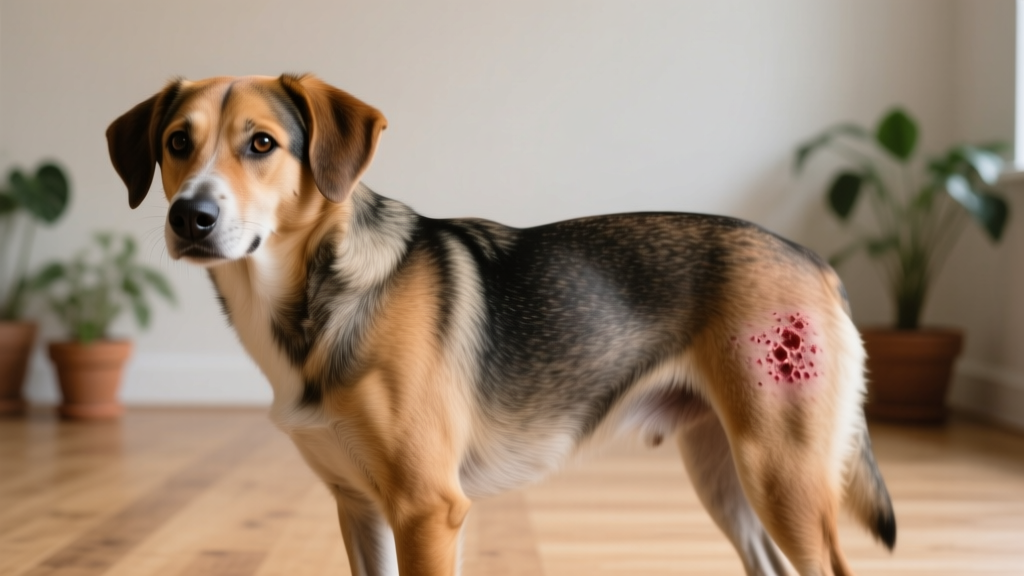
Canine Skin Anatomy: Why Dogs Get Fungal Infections So Easily
Dog skin is structurally different from human skin in ways that directly affect fungal susceptibility. While human skin averages 10–15 cell layers thick, canine epidermis is only 3–5 cell layers thick, making it more vulnerable to barrier disruption. Dogs also have a higher skin pH (6.2–7.4) compared to humans (4.5–5.5), creating a less acidic environment where fungi like Malassezia pachydermatis and dermatophytes (ringworm species) can thrive.
Key anatomical differences:
- Hair follicle density: Dogs have compound follicles — one primary hair surrounded by 3–15 secondary hairs — all sharing a single pore opening. This creates micro-environments where moisture and fungal spores can accumulate.
- No sweat glands over most of the body: Dogs rely on panting and paw-pad sweating for thermoregulation. However, apocrine glands distributed across the skin produce secretions that feed naturally occurring yeast, which can overgrow into infection.
- Lipid composition: Canine skin surface lipids differ from human sebum. Malassezia yeast is lipophilic (fat-loving), meaning it feeds on these specific lipids and multiplies rapidly when oil production increases due to allergies or hormonal shifts.
Common Fungal Skin Problems in Dogs
Not all fungal skin infections look the same. The two primary categories — yeast infections and dermatophytosis (ringworm) — present differently, affect different body regions, and require different treatment approaches.
| Condition | Causative Agent | Primary Symptoms | Typical Locations | Contagious? |
|---|---|---|---|---|
| Malassezia dermatitis | Malassezia pachydermatis (yeast) | Greasy skin, musty/"corn chip" odor, reddened skin, intense itching, darkened/thickened skin (chronic) | Ears, paw pads, armpits, groin, lip folds, neck folds | No — opportunistic overgrowth of normal flora |
| Ringworm (dermatophytosis) | Microsporum canis, M. gypseum, Trichophyton mentagrophytes | Circular hairless patches, scaly/crusty lesions, broken hairs, mild itching (variable) | Head, ears, paws, forelimbs — can spread anywhere | Yes — zoonotic (transmissible to humans and other pets) |
| Interdigital yeast cysts | Malassezia spp. (secondary to licking/moisture) | Red-brown staining between toes, swelling, pain on walking, recurrent licking | Between toes, nail beds | No |
According to the Merck Veterinary Manual, Malassezia dermatitis is one of the most common causes of canine pruritus (itching) and is almost always secondary to an underlying condition such as atopic dermatitis, food allergy, or hypothyroidism.
How to Perform a Home Skin Examination on Your Dog
Catching a fungal skin infection early can mean the difference between a two-week topical treatment and a months-long systemic medication course. Perform this exam every 2–4 weeks, or weekly if your dog is a predisposed breed.
- Choose a well-lit area. Natural daylight or a bright LED lamp (5000K color temperature) reveals skin color changes that warm indoor lighting masks.
- Start with the ears. Flip each ear flap and examine the inner pinna. Healthy inner ear skin is pale pink. Look for brown waxy buildup, redness, or a yeasty/sweet odor — hallmark signs of Malassezia.
- Part the coat in sections. Using your fingers, create a center part along the spine from neck to tail base, then along each side. Look for circular bald spots, scaling, crusts, or areas where hair breaks off easily.
- Check skin folds. For brachycephalic breeds or dogs with loose skin, gently open facial folds, lip folds, vulvar folds, and tail folds. Healthy fold skin is dry and pale pink. Watch for moisture, redness, dark pigmentation, or a sour smell.
- Inspect paw pads and between toes. Spread each toe and examine the interdigital skin. Note any rust-brown staining (from saliva porphyrins due to licking), swelling, or greasy buildup between pads.
- Examine the groin and armpits. These areas have thinner hair coverage and higher moisture retention — prime real estate for yeast overgrowth. Look for reddened, darkened, or thickened ("elephant skin") patches.
- Do the scratch test. Gently scratch along your dog's back, sides, and belly. Note any areas that trigger frantic scratching, nibbling, or flinching — localized pruritus often maps to infection sites.
Normal vs. Abnormal: What Healthy Dog Skin Actually Looks Like
Many owners struggle to distinguish early fungal infection from normal skin variation. Use this comparison as a visual reference during your home exams.
✓ Normal / Healthy
- Skin color: pale pink to light brown (varies by breed pigmentation)
- Surface: smooth, slightly moist (not wet), no flaking
- Odor: neutral or mild "dog smell" — not offensive
- Coat: hairs firmly rooted, no easy breakage when gently tugged
- Ears: pale pink inner pinna, minimal light-yellow cerumen (wax)
- Paw pads: rough but intact, no cracking or greasy film
- Folds: dry, no discharge, no odor
- Itch level: occasional scratching (1–3 times per hour is normal)
✗ Abnormal / Suspect Fungal Infection
- Skin color: bright red, dark brown/black hyperpigmentation, or mottled patches
- Surface: greasy film, flaky scales, crusty plaques, or thickened "elephant" texture
- Odor: strong musty, cheesy, or "corn chip" smell — noticeable from 2+ feet away
- Coat: patchy hair loss, broken stubble, hair pulls out in clumps
- Ears: dark brown/black waxy discharge, head shaking, scratching at ears
- Paw pads: rust-brown staining between toes, swollen interdigital spaces
- Folds: moist, reddened, foul-smelling, sometimes with yellow-green discharge
- Itch level: persistent scratching, licking, or rubbing (5+ times per hour, interrupting sleep)
Critical note: Ringworm lesions can be subtle in dogs — sometimes appearing as a single small circular patch with fine scaling. If you find any circular area of hair loss with a defined border, treat it as potentially contagious until your vet confirms otherwise.
Home Care Routine: Cleaning and Maintenance for Fungal Prevention
A consistent skin care routine reduces fungal overgrowth risk significantly, especially for predisposed breeds. Here's a practical schedule with specific products and methods.
Weekly Maintenance
- Ear cleaning (1x/week for floppy-eared breeds): Apply a veterinarian-recommended ear cleanser with a drying agent (e.g., Epi-Otic Advanced by Virbac, ~$18–22 per 8 oz bottle). Fill the ear canal, massage the base for 20–30 seconds, let the dog shake, then wipe the visible pinna with a cotton ball. Never use cotton swabs inside the ear canal.
- Paw wipe-down (after every outdoor walk): Use chlorhexidine-based wipes (e.g., Chlorhexidine 2% wipes, ~$12–15 per 50-count box) to clean between toes and around pads. This removes environmental fungal spores (Microsporum gypseum lives in soil) and reduces moisture.
- Skin fold care (2–3x/week for fold-heavy breeds): Wipe folds with chlorhexidine or ketoconazole wipes, then dry thoroughly with a clean microfiber cloth. Moisture trapped in folds is the #1 trigger for fold yeast dermatitis.
Monthly Maintenance
- Medicated bath (every 2–4 weeks for predisposed dogs): Use a shampoo containing 2% chlorhexidine + 2% miconazole (e.g., Malaseb by Dechra, ~$28–35 per 16 oz bottle, or Douxo S3 PYO by Ceva, ~$24–30). Lather, leave on for a full 10-minute contact time (this is critical — most owners rinse too early), then rinse thoroughly.
- Full skin exam: Follow the 7-step home examination protocol described above.
- Bedding wash: Launder all dog bedding in hot water (minimum 140°F / 60°C) to kill fungal spores. If ringworm has been diagnosed, add a laundry disinfectant and wash human bedding the dog contacts as well.
Important: If your dog already has an active fungal skin infection, these maintenance steps are supplementary — not a replacement for veterinary-prescribed treatment. Active Malassezia infections typically require 2–4 weeks of medicated baths plus possible oral antifungal medication (itraconazole or ketoconazole), while ringworm may require 6–8 weeks of systemic treatment combined with topical lime sulfur dips. Always consult your veterinarian for a proper treatment plan.
When to See the Vet: Red Flag Symptoms
🚨 Schedule a vet visit within 24–48 hours if you notice:
- Hair loss patches expanding over 48 hours or new patches appearing on multiple body areas
- Skin that is hot to the touch, oozing, or has a pus-like discharge (signs of secondary bacterial co-infection)
- Your dog is losing sleep due to itching or scratching to the point of self-trauma (open sores, bleeding)
- A yeasty or foul odor that persists 24+ hours after bathing
- Ear discharge that is dark brown/black and accompanied by head tilting or loss of balance (possible middle ear involvement)
- Lesions on your skin (circular, red, itchy patches) — indicates zoonotic ringworm transmission
🚨 Seek emergency/same-day care if:
- Rapidly spreading skin redness covering large body areas (possible secondary cellulitis)
- Lethargy, fever (rectal temperature >103.5°F / 39.7°C), or loss of appetite accompanying skin symptoms
- Swelling of the face or muzzle (possible deep fungal infection or allergic reaction)
What to expect at the vet: Diagnosis typically involves skin cytology (tape prep or impression smear examined under a microscope, ~$45–75), fungal culture via dermatophyte test medium (DTM, ~$35–60, results in 10–21 days), and possibly a Wood's lamp examination (fluoresces ~50% of M. canis cases). For recurrent yeast infections, your vet will likely recommend allergy testing and blood work to identify underlying causes — Malassezia overgrowth is almost always secondary to atopy, food allergy, or endocrine disease.
Breed Predispositions: Which Dogs Are Most at Risk
Genetics, coat type, and conformation play major roles in fungal skin infection susceptibility. The following breeds have documented higher incidence rates based on veterinary dermatology literature and AKC health resources.
| Breed | Primary Risk Factor | Common Infection Sites | Prevention Priority |
|---|---|---|---|
| Basset Hound | Heavy skin folds, long pendulous ears, high cerumen production | Ears, facial folds, lip folds | Weekly ear cleaning, daily fold drying |
| Cocker Spaniel (American & English) | Floppy ears, predisposition to seborrhea and atopic dermatitis | Ears, paws, groin | Bi-weekly ear cleaning, monthly medicated baths |
| West Highland White Terrier | Strong breed predisposition to atopic dermatitis (up to 30% of the breed) | Paws, ears, axillae (armpits) | Allergy management, regular paw soaks |
| German Shepherd Dog | Immune-mediated skin susceptibility, double coat traps moisture | Back, ears, interdigital spaces | Thorough drying after swimming, allergy screening |
| Shar-Pei | Extreme skin folding (mucin deposition in skin), narrow ear canals | All body folds, ears | Daily fold care, veterinary dermatology partnership |
| Bulldog (English & French) | Deep facial and tail folds, atopy predisposition | Face folds, tail fold, interdigital | Daily fold wipes, weight management (reduces fold depth) |
| Dachshund | Low-to-ground body contacts damp surfaces, predisposition to acanthosis nigricans | Axillae, groin, ears | Belly wipe-downs after outdoor time, ear care |
| Poodle (all sizes) | Dense curly coat traps moisture close to skin, ear canal hair growth | Ears, skin under coat mats | Regular grooming (every 4–6 weeks), ear hair plucking debate — discuss with your vet |
Prevention Strategies: Reducing Fungal Skin Infection Risk
Prevention focuses on three pillars: moisture control, immune support, and managing underlying conditions.
Moisture Management
- Dry your dog thoroughly after every bath, swim, or rain exposure. Use a high-velocity pet dryer (e.g., Metro Air Force Commander, ~$130–160) to blow moisture out of the undercoat — towel drying alone leaves the skin-level environment damp for hours, especially in double-coated breeds.
- Avoid leaving damp harnesses or clothing on. Remove wet gear immediately and allow skin to air-dry. Prolonged contact with wet fabric creates an occlusive, humid microenvironment ideal for yeast proliferation.
- Use absorbent paw-drying mats or microfiber mitts at entryways during wet seasons. Interdigital moisture is the #1 trigger for paw yeast infections.
Nutritional & Immune Support
- Feed an AAFCO-complete diet with adequate omega-3 fatty acids (EPA + DHA). A maintenance dose of 50–75 mg combined EPA/DHA per kg of body weight daily supports skin barrier function. Fish oil supplements (e.g., Nordic Naturals Omega-3 Pet, ~$20–25 per 8 oz) can bridge dietary gaps.
- Manage food allergies proactively. If your dog has recurrent yeast infections, discuss a strict 8–12 week elimination diet trial with your vet using a novel protein or hydrolyzed protein diet. According to AVMA resources on canine dermatology, food allergy is an underdiagnosed trigger for secondary yeast overgrowth.
- Maintain healthy body condition. Obese dogs have deeper skin folds and reduced grooming ability, both increasing fungal infection risk. A body condition score (BCS) of 4–5 out of 9 is ideal.
Environmental Controls
- Limit exposure to soil-rich fungal reservoirs if your dog has had ringworm. Microsporum gypseum is a geophilic (soil-loving) dermatophyte. Avoid letting susceptible dogs dig in garden beds or lie on damp earth.
- Disinfect your home if ringworm is diagnosed. Use a 1:10 dilution of household bleach (sodium hypochlorite) on hard surfaces. Vacuum daily and discard the bag/clean the canister, as fungal spores (arthroconidia) can survive in carpet and upholstery for up to 18 months.
- Isolate infected pets. If you have multiple animals and one is diagnosed with ringworm, separate them until the infected pet has two consecutive negative fungal cultures. Ringworm spreads through direct contact and contaminated fomites (brushes, bedding, grooming tools).
Frequently Asked Questions
Can I treat my dog's fungal skin infection with over-the-counter human antifungal cream?
While some OTC antifungal creams (like clotrimazole 1%) are technically the same active ingredient used in veterinary medicine, self-treating without a diagnosis is risky. You may be dealing with a bacterial infection, mange, or an allergic condition that looks similar but requires entirely different treatment. Additionally, dogs lick treated areas, potentially ingesting the medication. Always get a veterinary diagnosis first — your vet can prescribe a lick-safe, veterinary-formulated topical appropriate for the specific fungus involved.
How long does a dog fungal skin infection take to clear up?
Malassezia (yeast) dermatitis typically improves within 1–2 weeks of starting appropriate medicated baths and addressing the underlying cause, but full resolution often takes 3–6 weeks. Dermatophytosis (ringworm) is slower — systemic treatment combined with topical therapy usually requires 6–8 weeks minimum, and treatment should continue until two consecutive negative fungal cultures are obtained (cultures taken 2–4 weeks apart). Stopping treatment early based on visual improvement alone is the most common reason for recurrence.
Is ringworm from my dog contagious to me and my family?
Yes. Microsporum canis, the most common ringworm species in dogs, is zoonotic — meaning it can spread to humans. Children, elderly individuals, and immunocompromised people are at highest risk. Human ringworm from a dog typically appears as circular, red, itchy, scaly patches on the arms, chest, or face. If you notice these lesions, see your physician and mention your dog's diagnosis. Wear disposable gloves when applying topical treatments, wash hands thoroughly after handling your dog, and avoid letting the dog sleep in your bed during treatment.
Why does my dog's yeast infection keep coming back?
Recurrent Malassezia infections almost always signal an unmanaged underlying condition. The three most common culprits are: (1) environmental allergies (atopic dermatitis), (2) food allergy, and (3) endocrine disorders like hypothyroidism or Cushing's disease. Without identifying and managing the root cause, yeast will continue to overgrow because the skin environment remains favorable for it. Ask your veterinarian about allergy testing (intradermal or serum IgE), a food elimination trial, and thyroid/adrenal function blood panels.
Are there any home remedies that actually work for dog fungal skin infections?
Apple cider vinegar (ACV) diluted 1:1 with water can serve as a mild acidic rinse that creates a less hospitable environment for yeast — but it will not cure an established infection. It may help as a between-bath maintenance rinse for mildly affected paw pads (never use on open sores or inflamed skin, as it will sting). Coconut oil has some in vitro antifungal properties, but evidence for clinical effectiveness in dogs is lacking, and applying oils to the skin can actually feed lipophilic Malassezia yeast. For any active infection, evidence-based veterinary treatment is the only reliable approach.
Disclaimer: This guide is for educational purposes and does not replace professional veterinary care. If your dog is showing signs of a fungal skin infection, consult your veterinarian for proper diagnosis and treatment. Early, accurate diagnosis prevents unnecessary suffering and reduces the risk of zoonotic transmission in ringworm cases.
Aaron Whyte
All our authors care for dogs every day — read more of their work on the authors page.


