How to Safely Treat Hot Spot Dog Home Remedy: Vet-Guided Steps
Learn how to treat hot spot dog home remedy safely with vet-approved steps, symptom checklists, cost breakdowns, and when to skip DIY and call the vet.

What Is a Hot Spot in Dogs?
A hot spot — clinically called acute moist dermatitis or pyotraumatic dermatitis — is a rapidly developing, superficial bacterial skin infection that appears as a red, oozing, intensely itchy lesion. According to the Merck Veterinary Manual, hot spots are among the most common skin emergencies seen in veterinary practice, often appearing within hours after a dog begins licking, chewing, or scratching a localized area.
The cycle is self-perpetuating: an initial irritant (flea bite, allergy flare, moisture trapped under the coat) triggers scratching, which breaks the skin barrier, allowing normal skin bacteria — typically Staphylococcus pseudintermedius — to proliferate in the warm, moist environment. Lesions can expand from a dime-sized patch to a 3-inch wound in under 24 hours if left unchecked.
Hot Spot Symptom Checklist: Early vs. Advanced
Recognizing severity determines whether a home remedy is appropriate or whether your dog needs immediate veterinary attention.
| Severity | Symptoms | Home Care Appropriate? |
|---|---|---|
| Early (Mild) | Small red area (<1 inch), slight moisture, dog occasionally licks the spot, no foul odor, minimal hair loss around edges | Yes — with close monitoring for 24–48 hours |
| Moderate | Lesion 1–3 inches, visible oozing or crusting, strong odor, dog frequently licks/chews, surrounding skin warm, partial hair loss | Caution — start home care but schedule vet visit within 24 hours |
| Advanced (Severe) | Lesion >3 inches or multiple spots, thick yellow/green discharge, strong putrid odor, dog in visible distress, lethargy, fever (>103°F / 39.4°C), swollen lymph nodes near lesion | No — seek veterinary care immediately |
Early-stage hot spots respond well to prompt home intervention. However, if you notice any advanced symptoms, skip the home remedy and contact your veterinarian — deep pyoderma or secondary complications may require systemic antibiotics.
Risk Factors: Which Dogs Are Most Prone to Hot Spots?
- Breed predisposition: Golden Retrievers, German Shepherds, Labrador Retrievers, Rottweilers, and St. Bernards — all thick-coated breeds that trap moisture against the skin
- Coat type: Double-coated and long-haired breeds are 3–4× more likely to develop hot spots than short-coated breeds
- Age: Most common in dogs ages 2–6, correlating with peak allergy sensitivity years
- Environment: Hot, humid weather (summer months); swimming or bathing without thorough drying; dirty living conditions
- Underlying conditions: Flea allergy dermatitis (FAD), atopic dermatitis, food allergies, hypothyroidism, anal gland impaction, ear infections
- Behavioral: Dogs with anxiety-driven compulsive licking or boredom-related chewing
The American Kennel Club notes that hot spots are not breed-specific diseases but are far more prevalent in dogs with dense undercoats that retain moisture. Any dog with an untreated underlying allergy is at elevated risk regardless of breed.
How Vets Diagnose Hot Spots
While hot spots are often diagnosed visually, your veterinarian may run additional tests to identify the underlying cause and rule out mimicking conditions.
| Diagnostic Test | Purpose | Typical Cost Range (2026) |
|---|---|---|
| Physical examination + history | Visual assessment of lesion, identification of pattern and location | $50–$90 (office visit fee) |
| Cytology (tape prep or swab) | Identify bacterial type and presence of yeast (Malassezia) | $30–$60 |
| Flea comb / skin scraping | Rule out flea infestation, mites (demodex, sarcoptic) | $25–$50 |
| Fungal culture (DTM) | Rule out ringworm (dermatophytosis) if lesion is circular | $40–$80 |
| Allergy testing (IgE blood panel) | If recurrent hot spots suggest environmental or food allergies | $200–$400 |
| Bacterial culture & sensitivity | If infection doesn't respond to first-line antibiotics (MRSP suspicion) | $80–$150 |
For a straightforward first-time hot spot, expect total diagnostic costs of $80–$150. Recurrent cases requiring allergy workups can push total diagnostic spending to $400–$700+.
Treatment Options: Home Remedies vs. Veterinary Care
The right approach depends on severity. Here's a side-by-side comparison of what works at each stage.
| Treatment | Type | Best For | Success Rate | Notes |
|---|---|---|---|---|
| Clip & clean with chlorhexidine | Home / Vet | All stages (foundational step) | High when combined with other treatments | Use 2% chlorhexidine solution; never full-strength hydrogen peroxide |
| Cool compress (black tea bags) | Home remedy | Mild early-stage | Moderate — soothing, mild astringent | Tannins help dry the lesion; apply 5 min, 3× daily |
| Topical hydrocortisone spray (OTC) | Home / OTC | Mild to moderate | Moderate — reduces itch temporarily | Use only products labeled for dogs; prevent licking with E-collar |
| Topical antibiotic ointment (e.g., Neosporin plain) | Home / OTC | Mild, small lesions only | Low-moderate alone | Must prevent licking; not sufficient for moderate+ lesions |
| Prescription topical (e.g., Gentamicin/Betamethasone spray) | Veterinary | Moderate to severe | High (85–95%) | Combines antibiotic + steroid; fast-acting |
| Oral antibiotics (e.g., Cephalexin, Amoxicillin-clavulanate) | Veterinary | Severe or deep infections | High (90%+) with full course | Typical course: 14–21 days at 22 mg/kg BID |
| Oral corticosteroids (Prednisone) | Veterinary | Severe inflammation | High for symptom relief | Short course (5–7 days taper); not for long-term use |
| Oral Apoquel (Oclacitinib) | Veterinary | Allergy-driven recurrent hot spots | High (70–80% long-term control) | Targets itch pathway; $3–$5/day depending on dose |
Step-by-Step Home Remedy Protocol for Mild Hot Spots
If your dog's hot spot is small (under 1 inch), mild, and you've confirmed no advanced symptoms, follow this protocol:
- Clip the hair around the lesion using blunt-nosed grooming scissors or electric clippers. Expose at least 1 inch of healthy skin around the border. Air exposure is critical — moisture trapped under fur fuels bacterial growth.
- Clean the area with a dilute chlorhexidine solution (2% chlorhexidine diluted 1:10 with warm water, yielding ~0.2% concentration). Gently wipe away crust and debris with a clean gauze pad. Do not scrub.
- Apply a cool, damp black tea bag to the area for 5 minutes. The tannic acid acts as a mild astringent, helping dry the oozing surface. Repeat 3 times daily.
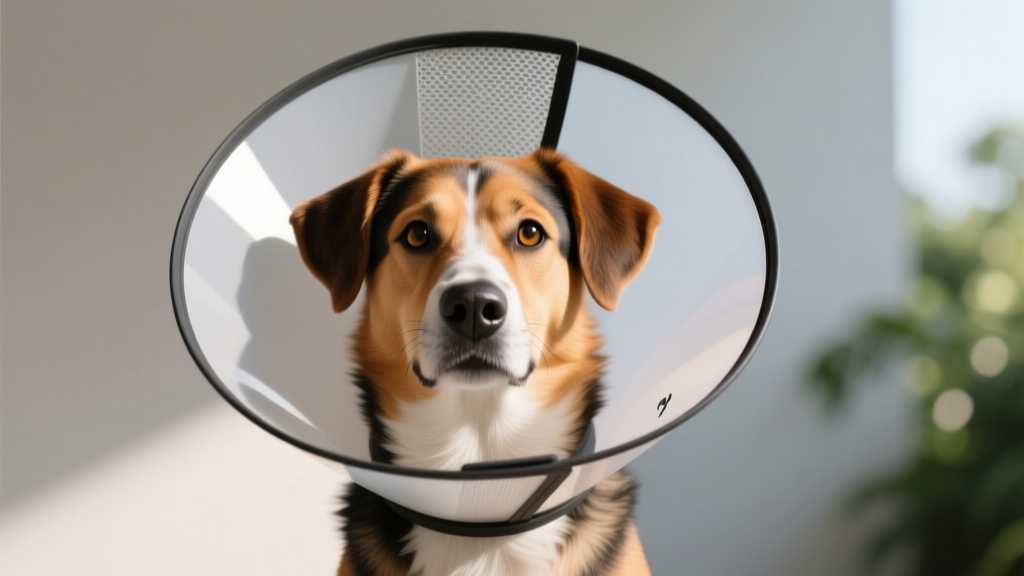
- Prevent licking with an Elizabethan collar (E-collar), inflatable recovery collar, or a fitted recovery suit. This is non-negotiable — licking reintroduces bacteria and moisture, undoing all treatment progress.
- Monitor twice daily. If the lesion is visibly smaller, drier, and less red after 48 hours, continue the protocol for 5–7 days total. If it's the same or worse at 48 hours, call your veterinarian.
- Never use undiluted hydrogen peroxide — it damages healthy tissue and delays healing
- Never apply rubbing alcohol — extremely painful on open skin and causes tissue damage
- Never use human anti-itch creams containing lidocaine or benzocaine — toxic if licked (can cause methemoglobinemia)
- Never bandage or cover the hot spot — occlusion creates the warm, moist environment bacteria thrive in
- Never use tea tree oil (melaleuca) — toxic to dogs at concentrations above 1–2%, and even "diluted" products can cause neurological symptoms
Prognosis and Recovery Timeline
| Severity | Expected Healing Time | Prognosis | Recurrence Risk |
|---|---|---|---|
| Mild (early, home-treated) | 5–7 days | Excellent — full recovery expected | Moderate if underlying cause unaddressed |
| Moderate (vet-treated, topical Rx) | 7–14 days | Very good — most resolve with compliance | Moderate to high without allergy management |
| Severe (systemic antibiotics + steroids) | 14–28 days | Good — full recovery typical, some scarring possible | High if root cause (allergies, fleas) not managed |
| Recurrent/chronic | Ongoing management | Fair — depends on identifying and controlling underlying disease | Very high without long-term allergy protocol |
Hot spots are not life-threatening in the vast majority of cases. The ASPCA notes that with appropriate treatment, nearly all dogs recover fully. The real concern is recurrence — dogs that develop one hot spot are statistically more likely to develop another, especially during warm, humid months.
Cost Breakdown: Treating Hot Spots in Dogs
| Scenario | Estimated Total Cost | What's Included |
|---|---|---|
| Mild, home-treated | $15–$40 | Chlorhexidine solution ($8–$15), E-collar ($5–$15), grooming scissors or clippers (one-time $15–$30) |
| Moderate, single vet visit | $100–$250 | Office visit ($50–$90), cytology ($30–$60), prescription topical spray ($20–$50), E-collar ($10–$20) |
| Severe, systemic treatment | $200–$500 | Office visit, cytology, oral antibiotics ($20–$60), oral steroid ($10–$25), possible recheck ($40–$70) |
| Recurrent with allergy workup | $500–$1,500+ | All diagnostics above, allergy testing ($200–$400), long-term Apoquel or Cytopoint ($50–$150/month), hypoallergenic diet trial ($60–$100/bag) |
Prevention: Stopping Hot Spots Before They Start
- Flea control year-round: Use a veterinary-recommended isoxazoline-class preventive (e.g., Bravecto, NexGard, Simparica). Flea allergy dermatitis is the single most common trigger for hot spots.
- Thorough drying after baths and swimming: Use a high-velocity dog dryer on cool setting, focusing on areas where moisture hides — behind ears, under the front legs, around the hip and tail base.
- Regular grooming: Brush double-coated breeds at least 2–3 times per week to prevent matting, which traps moisture and debris against the skin.
- Address allergies proactively: If your dog has known environmental or food allergies, work with your vet on a long-term management plan before hot spot season begins.
- Mental enrichment: Boredom and anxiety-driven licking are underrecognized triggers. Provide puzzle feeders, structured walks, and training sessions to reduce compulsive grooming behaviors.
- Anal gland maintenance: Impacted anal glands cause irritation at the tail base — a common hot spot location. Have them expressed by your vet or groomer as needed (typically every 4–8 weeks for prone dogs).
When to See the Vet: Red Flag Symptoms
- The hot spot is larger than 3 inches or you see multiple lesions
- Thick yellow or green pus is present (indicates deep pyoderma)
- Your dog has a fever — rectal temperature above 103°F (39.4°C)
- The lesion is near the eyes, inside the ear canal, or on the genitals
- Your dog is lethargic, refusing food, or showing signs of systemic illness
- The hot spot has not improved after 48 hours of home treatment
- Your dog has had 3 or more hot spots in the past 12 months (indicates underlying disease)
- The skin around the lesion is black, necrotic, or sloughing off
Do not attempt home treatment on facial lesions near the eyes — topical products can cause corneal damage, and infections in this area can spread rapidly to deeper facial tissues.
Frequently Asked Questions
Can I treat a hot spot on my dog at home without going to the vet?
Yes, but only for mild, early-stage hot spots (under 1 inch, no pus, no fever, no lethargy). The home protocol of clipping, cleaning with dilute chlorhexidine, applying cool tea bag compresses, and preventing licking with an E-collar can resolve mild cases in 5–7 days. If there's no visible improvement within 48 hours, veterinary care is needed.
What is the best home remedy for dog hot spots?
The most evidence-supported home approach combines three steps: (1) clipping hair to expose the lesion to air, (2) gentle cleansing with diluted chlorhexidine (0.2% solution), and (3) cool black tea bag compresses for their natural astringent properties. The single most important step is preventing licking with an E-collar — no topical remedy works if the dog keeps re-contaminating the area.
How long does a hot spot take to heal with home treatment?
Mild hot spots treated at home typically show improvement within 24–48 hours and fully heal within 5–7 days. Hair regrowth takes 2–4 weeks. If the lesion hasn't started drying and shrinking by day 3, discontinue home treatment and see your veterinarian.
Can I use apple cider vinegar on my dog's hot spot?
Diluted apple cider vinegar (1 part ACV to 3 parts water) can be used as a mild antiseptic rinse on intact skin around the lesion, but it should never be applied directly to open, raw, or broken skin — it causes significant stinging and tissue irritation. It is not a substitute for chlorhexidine or veterinary-prescribed treatments.
Which breeds are most prone to hot spots?
Thick-coated and double-coated breeds are at highest risk: Golden Retrievers, Labrador Retrievers, German Shepherds, Rottweilers, St. Bernards, and Newfoundlands. However, any breed can develop hot spots if underlying allergies, flea infestations, or moisture-retention issues are present.
Are hot spots contagious to other dogs or humans?
No. Hot spots (acute moist dermatitis) are not contagious. They are caused by the dog's own skin bacteria proliferating in a damaged area. However, if the underlying cause is a contagious parasite like sarcoptic mange mites, that condition can spread — which is why veterinary diagnosis matters for recurrent cases.
What is the life expectancy of a dog with hot spots?
Hot spots are not life-threatening and do not affect life expectancy. They are superficial skin infections that resolve fully with appropriate treatment. The only exception is if a severe, untreated hot spot progresses to deep pyoderma or cellulitis with systemic infection — which is rare in dogs receiving any level of care.
Priya Sutaria
All our authors care for dogs every day — read more of their work on the authors page.