Best Cone Collar for Dogs in 2026: Vet-Approved Recovery Picks
Find the best cone collar for dogs in 2026. Compare top recovery collars by comfort, protection, and price with expert buying criteria and vet guidance.
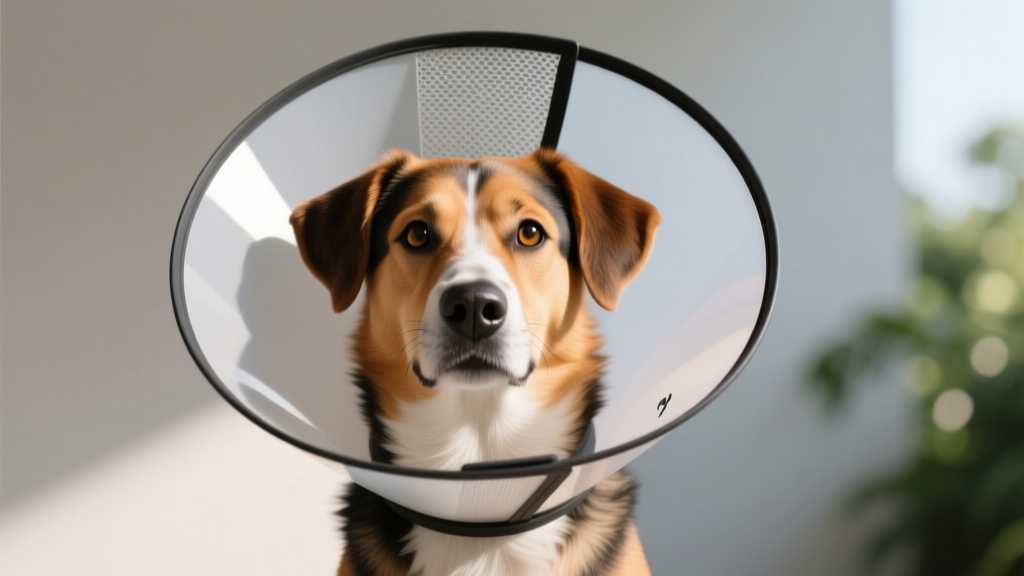
Why Your Dog Needs a Cone Collar (And How They Work)
Whether your dog just came home from a spay, is healing from hot spots, or is recovering from an eye injury, a cone collar for dogs—clinically known as an Elizabethan collar or E-collar—serves one critical purpose: it prevents licking, chewing, and scratching at wounds during the healing process. According to the American Veterinary Medical Association (AVMA), post-surgical wound interference is one of the leading causes of delayed healing and secondary infections in canine patients.
Traditional hard plastic cones create a physical barrier that extends beyond the dog's snout, making it mechanically impossible for them to reach most areas of their body. Newer designs—soft fabric cones, inflatable collars, and recovery suits—offer alternatives with varying levels of protection. The right choice depends on your dog's injury location, temperament, and the stage of healing.
Top 7 Cone Collars for Dogs Compared
1. Trimline Hard Plastic E-Collar
Price: $6–$14 depending on size (XS through XL)
Key Features: Medical-grade translucent plastic, rolled edge for neck comfort, adjustable strap closure, available in 6 sizes from 5.5" to 14" depth. This is the same brand used in most veterinary clinics nationwide.
Pros: Maximum wound protection; vet-standard design; translucent material allows peripheral vision; cheapest option; easy to wipe clean; durable against determined chewers
Cons: Bumping into walls and furniture; difficult for dogs to eat/drink in some positions; noisy when scraping surfaces; some dogs refuse to move while wearing it
2. Kong Cloud Collar (Inflatable Recovery Collar)
Price: $14–$22 (sizes S, M, L, XL)
Key Features: Inflatable inner bladder with soft plush cover, machine-washable outer layer, Velcro strap adjustment, resembles a travel neck pillow. Provides 360° cushioning around the neck.
Pros: Excellent comfort; does not obstruct vision; dogs eat and drink normally; lightweight; washable cover; dogs adapt quickly
Cons: NOT suitable for head, ear, or eye injuries; can be punctured by sharp claws; insufficient for long-snouted breeds reaching lower body wounds; some dogs remove it by backing against furniture
3. Comfy Cone Soft Recovery Collar
Price: $15–$28 (sizes XS through XL)
Key Features: Foam-backed nylon with Velcro closure, removable stays for rigidity adjustment, water-resistant exterior, reflective binding for visibility. Flexible enough for sleeping but firm enough to block wound access.
Pros: Softer than plastic while maintaining cone shape; adjustable rigidity; reflective trim; dogs sleep more comfortably; foldable for storage
Cons: Determined chewers can bite through foam; still causes some furniture bumping; not fully waterproof; higher price than hard plastic
4. Alfie Pet Recovery Suit (Post-Surgery Bodysuit)
Price: $18–$35 depending on size and style
Key Features: Cotton-spandex blend bodysuit, snap closures along back, covers torso and upper legs, available for male and female anatomies. An alternative approach that protects the wound rather than restricting the head.
Pros: No head obstruction whatsoever; dogs behave normally; washable; good for spay/neuter and back wounds; reduces anxiety compared to cones
Cons: Does NOT protect face, ears, eyes, or paws; dogs can chew through fabric at edges; must remove for outdoor bathroom breaks; sizing is inconsistent across breeds
5. ProCollar Premium Inflatable Collar
Price: $16–$24 (sizes XS through XL)
Key Features: Inner inflatable tube with removable washable cover, D-ring for leash attachment, wider profile than Kong Cloud for better coverage. Available in multiple colors.
Pros: Wider coverage area than competitors; leash attachment built in; comfortable for extended wear; good for short-snouted breeds with body wounds
Cons: Still limited protection for head injuries; deflation risk from claws; bulkier than Kong Cloud; may restrict some head movement
6. Veterinarian's Best Soft Cone (Flexible Fabric Cone)
Price: $12–$20 (sizes S, M, L, XL)
Key Features: Soft fleece-lined nylon cone shape, drawstring closure, lightweight construction, maintains shape through structured fabric rather than rigid plastic. Collapses flat for storage.
Pros: Lightweight; less intimidating than hard plastic; quiet (no scraping sounds); budget-friendly soft option; adequate for minor wound protection
Cons: Can be collapsed by determined dogs pressing against surfaces; less protective than rigid options; drawstring can loosen over time; limited size range
7. BiteNot Collar (Harness-Based Restriction)
Price: $28–$45 (5 sizes based on neck and chest measurements)
Key Features: Unique harness-and-collar system that restricts neck flexion without encircling the head with material. Uses a rigid plastic stay along the spine to prevent the dog from turning to reach wounds. Originally designed for tail and hindquarter injuries.
Pros: Unobstructed vision and hearing; excellent for tail/base-of-spine wounds; dogs eat and drink freely; very secure fit through harness system
Cons: Higher price point; complex initial fitting; NOT effective for head, ear, or front-leg wounds; requires precise measurement; limited availability in stores
Product Comparison Table
| Product | Type | Best For | Price Range | Protection Level | Eating/Drinking Ease |
|---|---|---|---|---|---|
| Trimline Hard Plastic E-Collar | Rigid plastic | All wound locations, especially head/eyes | $6–$14 | Maximum | Difficult for some dogs |
| Kong Cloud Collar | Inflatable | Body and back wounds, short-snouted breeds | $14–$22 | Moderate | Easy |
| Comfy Cone Soft Recovery Collar | Soft foam cone | Most body wounds, overnight comfort | $15–$28 | High | Moderate |
| Alfie Pet Recovery Suit | Bodysuit | Spay/neuter, torso wounds | $18–$35 | Moderate (torso only) | Easy |
| ProCollar Premium Inflatable | Inflatable | Body wounds, brachycephalic breeds | $16–$24 | Moderate | Easy |
| Veterinarian's Best Soft Cone | Fabric cone | Minor wounds, calm dogs | $12–$20 | Low-Moderate | Moderate |
| BiteNot Collar | Harness restriction | Tail, hindquarter, and hip wounds | $28–$45 | High (rear only) | Easy |
How to Choose the Right Cone Collar for Your Dog
The decision framework below matches your dog's specific situation to the appropriate product type. Skipping this step is the most common reason owners end up buying a second collar after the first fails.
- Step 1 — Identify wound location: Head, ears, or eyes? You need a rigid or semi-rigid cone (Trimline, Comfy Cone). Torso or back? Inflatable collars or recovery suits work. Tail or hindquarters? Consider the BiteNot harness system. Paws? A rigid cone is usually required since dogs can reach paws with flexible alternatives.
- Step 2 — Measure accurately: Use a soft tape measure. For neck circumference, measure where the collar sits naturally. For cone depth, measure from the base of the neck to the tip of the nose—add 1–2 inches. For inflatable collars, match the neck measurement to the manufacturer's size chart exactly.
- Step 3 — Assess your dog's determination level: If your dog has a history of destroying toys, chewing through bandages, or is particularly persistent, soft and inflatable options are risky. Stick with rigid plastic or the Comfy Cone with stays inserted. Calm, compliant dogs can use softer alternatives.
- Step 4 — Consider breed-specific anatomy: Brachycephalic breeds (French Bulldogs, Pugs, Boston Terriers) often struggle with traditional cones because their short snouts mean the cone must be very deep relative to their neck size. Inflatable collars or recovery suits often work better for these breeds with body wounds. Long-snouted breeds (Greyhounds, Collies) need deeper cones—verify depth measurements carefully.
- Step 5 — Confirm with your veterinarian: Before switching from the cone your vet sent home, ask whether the alternative provides adequate protection for your dog's specific wound type and healing stage. Some surgical sites require rigid protection during the first 5–7 days but can transition to softer options afterward.
How to Use a Cone Collar Safely: Step-by-Step
1. Fit the collar while your dog is calm. Have treats ready. Slide the cone over the snout first, then fasten the neck strap or closure. You should be able to fit two fingers between the collar and your dog's neck—not more, not less.
2. Check the depth immediately. The cone edge must extend at least 1–2 inches beyond the tip of the nose. If your dog can touch their nose to the cone's rim and curl around it, the cone is too short and provides zero protection.
3. Supervise the first 30 minutes. Watch for signs of distress: pawing at the collar, backing into corners, refusing to move, or panic panting. Some adjustment is normal; persistent distress may require a different product or anti-anxiety medication from your vet.
4. Adjust feeding setup. Elevate food and water bowls 2–4 inches off the floor so the cone doesn't hit the ground before the dog reaches the bowl. For wide cones, you may need to temporarily use a smaller-diameter bowl.
5. Never remove the cone unsupervised. Even "just for a minute" while you turn your back. Dogs can reopen a 10-day-old surgical incision in seconds. If you must remove it for cleaning, hold your dog's collar or harness and replace the cone before releasing.
6. Inspect the neck skin daily. Remove the cone briefly (while holding your dog securely) to check for rubbing, redness, or hair loss at the contact points. Apply a thin layer of petroleum jelly to irritated spots and adjust the fit.
7. Follow your vet's timeline for removal. Most spay/neuter sites require 10–14 days of cone wear. Hot spots may need 5–7 days. Eye injuries may require continuous wear until your follow-up appointment. Do NOT remove the cone early because your dog "seems healed"—the wound is weakest during the remodeling phase of healing.
Safety Warnings and When to See the Vet Instead
Red Flags: Skip the OTC Cone and Call Your Vet If:
- Your dog has a wound that is actively bleeding, oozing pus, or has an odor—these require veterinary treatment, not just barrier protection
- The surgical site has opened (dehiscence)—this is an emergency requiring immediate veterinary closure
- Your dog cannot eat or drink at all after 24 hours with the cone on
- Your dog shows signs of heat stress (excessive panting, drooling, lethargy) while wearing a cone in warm conditions
- The wound involves the eye—improper cone depth can allow a dog to rub their eye against furniture and cause corneal damage
- Your dog is a puppy under 16 weeks—sized-down adult cones may not fit proportionally; your vet can source pediatric-appropriate sizes
A cone collar is a protective tool, not a treatment. If you're using one to manage a wound at home without veterinary guidance, you're risking infection and delayed healing. The Merck Veterinary Manual emphasizes that proper wound assessment—including depth evaluation, debridement needs, and infection risk—requires professional examination before barrier protection alone is sufficient.
Are There Natural Alternatives to Cone Collars?
The short answer: there are no true "natural" alternatives that replace the mechanical barrier function of a cone collar for dogs. However, there are complementary strategies that can reduce reliance on rigid cones:
- Bitter-tasting sprays (e.g., Grannick's Bitter Apple, Veterinarian's Best Bitter Yuck): These deter licking through taste aversion. They work as a supplement to—not replacement for—physical barriers. Reapply every 4–6 hours. Effectiveness varies: approximately 30% of dogs ignore the taste entirely.
- Recovery suits and medical pet shirts: Cotton bodysuits that cover torso wounds. As noted above, these are effective for spay/neuter sites but leave extremities and the head unprotected.
- Distraction and enrichment: Frozen Kongs, lick mats, and puzzle feeders reduce the psychological drive to lick wounds by providing alternative oral stimulation. This is a management strategy, not a physical barrier.
- Supervised "cone breaks": Under direct, unbroken supervision, you can remove the cone for 5–10 minutes of enrichment time. The moment your dog's attention turns to their wound, the cone goes back on. This is not hands-off—you must be actively watching the entire time.
Never substitute essential oils, herbal salves, or homeopathic remedies for proper wound barrier protection. Some essential oils (tea tree, eucalyptus, citrus) are toxic to dogs when applied topically or ingested through licking. If you have questions about topical applications, consult ASPCA Animal Poison Control at (888) 426-4435 (24/7, consultation fee applies) or your veterinarian.
How Much Does a Cone Collar for Dogs Cost?
Here's what to budget based on product type and where you buy:
| Product Type | Price Range | Where to Buy |
|---|---|---|
| Hard plastic E-collar (vet clinic) | $10–$25 (often included in surgery cost) | Veterinary offices |
| Hard plastic E-collar (retail) | $6–$14 | Chewy, Amazon, PetSmart, Petco |
| Inflatable recovery collar | $14–$24 | Chewy, Amazon, pet supply stores |
| Soft fabric cone | $12–$28 | Chewy, Amazon, specialty pet retailers |
| Recovery suit / medical shirt | $18–$35 | Amazon, Chewy, direct from manufacturer |
| BiteNot harness collar | $28–$45 | Chewy, Amazon, direct from BiteNot |
Budget tip: If your dog is having planned surgery, ask your vet whether they provide a take-home cone in the surgery fee. Many clinics include a basic hard plastic cone at no additional charge. You can then purchase a more comfortable alternative for the later healing days while keeping the clinic cone as a backup for high-risk periods (overnight, unsupervised time).
Effectiveness: What Veterinary Evidence Tells Us
The clinical rationale for Elizabethan collars is well-established in veterinary medicine. A study published in the Journal of the American Veterinary Medical Association found that post-surgical wound complications (dehiscence, infection, seroma formation) increase significantly when dogs are able to access surgical sites with their mouths. Canine saliva contains bacteria including Pasteurella and Capnocytophaga species that, while normal oral flora, become pathogenic when introduced into open wounds.
However, veterinary behaviorists also recognize that cone collars cause measurable stress in many dogs. Research from the University of Sydney's School of Veterinary Science documented behaviors including decreased activity, increased anxiety markers, and sleep disruption in dogs wearing rigid E-collars. This is precisely why the industry has developed alternatives—the goal is finding the minimum effective barrier for each individual case rather than defaulting to maximum restriction.
Your veterinarian can advise whether your dog's specific wound allows for a step-down approach: rigid cone for days 1–5 (highest infection risk period), then transition to a soft cone or inflatable collar for days 6–14 (lower risk as the wound closes). This protocol is not appropriate for all cases—eye injuries and orthopedic surgeries often require rigid protection for the full healing period. Always consult your veterinarian before modifying your dog's recovery protocol.
Frequently Asked Questions
What is the best cone collar for dogs overall?
There is no single best cone collar for dogs because the answer depends on wound location and dog temperament. For maximum protection across all wound types, the Trimline hard plastic E-collar remains the veterinary gold standard. For dogs healing from spay/neuter surgery who need more comfort, the Comfy Cone offers an excellent balance of protection and wearability. For tail and hindquarter wounds specifically, the BiteNot harness system provides targeted protection without any head obstruction.
How long does my dog need to wear the cone collar?
Most soft tissue wounds (spay/neuter, lump removals) require 10–14 days of cone wear. Hot spots typically need 5–7 days. Orthopedic surgical sites may require 14–21 days. Eye injuries follow the ophthalmologist's specific timeline, often until the follow-up appointment confirms healing. The most common mistake owners make is removing the cone on day 8 or 9 because the wound "looks fine"—wound tensile strength at day 10 is only about 20% of normal skin strength. Follow your vet's specific timeline.
Can my dog sleep with the cone collar on?
Yes, and they should. Removing the cone overnight is one of the most common reasons dogs reopen surgical sites—dogs tend to lick more when relaxed and drowsy. Soft cones like the Comfy Cone and inflatable collars like the Kong Cloud allow more comfortable sleeping positions. If your dog cannot settle with a hard plastic cone at night, discuss switching to a softer alternative with your vet rather than removing the collar entirely.
Is it safe to leave my dog home alone with a cone on?
Yes, provided the cone fits correctly and your environment is safe. Remove objects your dog could get the cone caught on (narrow gaps between furniture, loose cords, wire crate edges). Some owners use a soft-sided exercise pen instead of a wire crate during cone recovery to prevent the cone from catching on crate bars. Never leave a dog in a wire crate wearing a rigid cone unsupervised—the cone can wedge between bars and cause panic or injury.
My dog keeps backing out of the cone collar. What can I do?
First, check the fit: you should only be able to fit two fingers between the strap and the neck. If the cone is too loose, your dog can paw it off or back out. Second, consider attaching the cone to your dog's regular flat collar using small carabiner clips or the built-in loops some cones provide—this prevents the cone from sliding forward over the ears. For extremely determined dogs, the BiteNot harness system is nearly escape-proof because it secures around the chest rather than relying on neck tension alone.
When should I skip OTC cone collars and see a vet?
See your veterinarian if: the wound is deep, gaping, or bleeding; you notice redness spreading outward from the wound (possible cellulitis); there is discharge that is yellow, green, or foul-smelling; your dog has a fever (normal canine temperature is 101–102.5°F / 38.3–39.2°C—anything above 103.5°F / 39.7°C warrants a call); or no over-the-counter cone stays on your dog long enough to protect the wound. Your vet may prescribe anti-anxiety medication (such as trazodone) to help your dog tolerate cone wear, or may recommend a medical-grade alternative that requires professional fitting.
Priya Sutaria
All our authors care for dogs every day — read more of their work on the authors page.