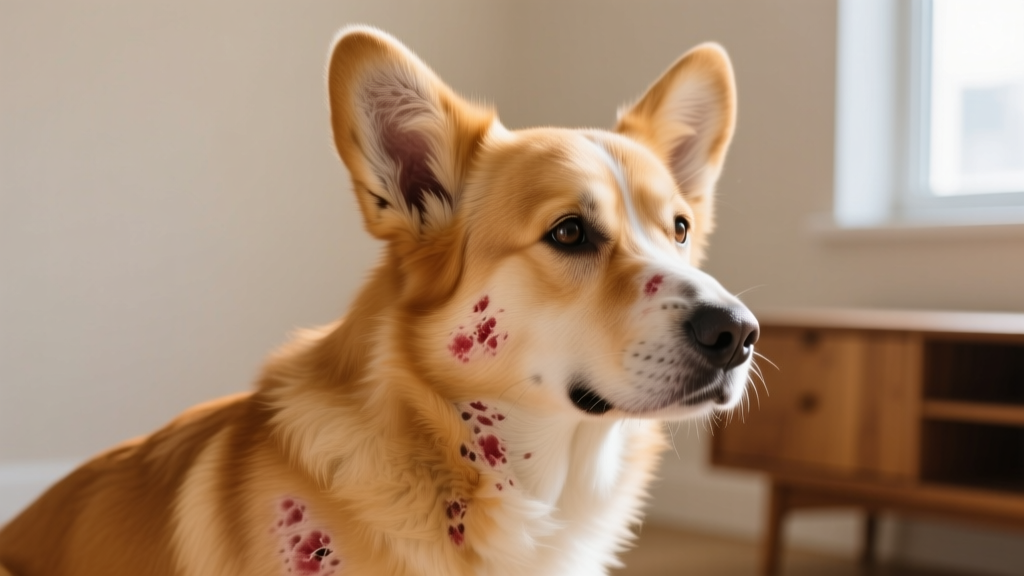
Soft Tissue Sarcoma in Dogs: Symptoms, Diagnosis, and Treatment Guide
Learn about soft tissue sarcoma in dogs — symptoms, diagnosis, treatment options, costs, and prognosis. A comprehensive guide for dog owners.

Discovering a lump on your dog is alarming, and soft tissue sarcoma in dogs is one of the more common cancer diagnoses veterinarians make each year. These tumors arise from connective tissues — fat, muscle, nerves, blood vessels, and fibrous tissue — and account for roughly 8–15% of all canine skin and subcutaneous tumors, according to the Merck Veterinary Manual. While many soft tissue sarcomas are slow-growing and locally invasive, some behave aggressively, making early identification and veterinary staging essential.
This guide walks you through what soft tissue sarcoma is, what symptoms to watch for, how your vet will diagnose it, what treatment options exist, and what you can realistically expect for your dog's quality of life and prognosis.
What Is Soft Tissue Sarcoma in Dogs?
Soft tissue sarcoma (STS) is an umbrella term for a group of malignant tumors that originate in mesenchymal (connective) tissues. Unlike carcinomas, which arise from epithelial cells, sarcomas develop in the supportive structures of the body. Common subtypes seen in dogs include:
- Fibrosarcoma — arises from fibrous connective tissue
- Peripheral nerve sheath tumor (PNST) — develops around nerves, often in the limbs
- Hemangiopericytoma — originates from blood vessel support cells, common on the trunk and limbs
- Liposarcoma — arises from fat tissue (relatively rare)
- Leiomyosarcoma — develops in smooth muscle
- Rhabdomyosarcoma — originates in skeletal muscle
- Myxosarcoma — arises from myxoid connective tissue
These tumors are graded on a scale of I to III based on mitotic index (how fast cells are dividing), degree of differentiation, and necrosis (cell death). Grade I tumors are well-differentiated and slow-growing, while Grade III tumors are poorly differentiated and more likely to metastasize (spread to other organs). The metastatic rate for low-grade STS is approximately 10–15%, while high-grade tumors may metastasize in 25–40% of cases, most commonly to the lungs or regional lymph nodes.
Symptoms of Soft Tissue Sarcoma in Dogs
Soft tissue sarcomas are notoriously deceptive in their early stages. Many owners first notice a firm, fixed, or semi-mobile lump beneath the skin that seems to grow slowly — or sometimes not at all for weeks. Because these tumors can appear almost anywhere on the body, symptoms vary based on location and size.
Early Warning Signs
| Symptom | What to Look For |
|---|---|
| Subcutaneous lump or mass | Firm, rubbery, or fleshy bump under the skin; may be movable or fixed to underlying tissue |
| Slow, steady growth | Mass increases in size over weeks to months; some remain stable for extended periods before rapid growth |
| No pain on palpation | Many STS tumors are painless early on, which can delay owner concern |
| Skin changes over mass | Occasional hair loss, ulceration, or redness over the tumor site |
Advanced Symptoms
| Symptom | What to Look For |
|---|---|
| Lameness or difficulty moving | If the tumor involves a limb, nerve sheath, or joint area |
| Pain on touch | Tumor invades surrounding nerves or muscle; dog may flinch, vocalize, or guard the area |
| Open, non-healing wound | Large tumors may ulcerate through the skin, creating a draining or infected wound |
| Weight loss or appetite decline | Systemic signs often indicate advanced disease or metastasis |
| Difficulty breathing | May indicate pulmonary metastasis (lung spread) or a tumor in the chest cavity |
| Swollen lymph nodes | Regional lymph node involvement suggests metastatic spread |
Risk Factors and Breed Predisposition
Key Risk Factors for Soft Tissue Sarcoma
- Age: Most common in middle-aged to senior dogs (7–10 years old on average), though younger dogs can be affected
- Size: Medium to large breeds are disproportionately affected
- Breed predisposition: Golden Retrievers, Labrador Retrievers, Boxers, German Shepherds, and mixed-breed large dogs show higher incidence
- Weight: Overweight dogs may have increased risk for certain sarcoma subtypes, though the link is less defined than for other cancers
- Previous trauma or inflammation: Some studies suggest injection-site sarcomas (more commonly documented in cats) can occur in dogs at sites of prior tissue injury, though this is rare
- Genetics: Certain familial cancer predisposition syndromes exist in breeds like Golden Retrievers, though specific STS genetic markers are still under investigation
It is worth noting that soft tissue sarcoma can develop in any dog regardless of breed, age, or lifestyle. The breed predispositions above represent statistical trends observed in veterinary oncology literature, not certainties. If your dog fits these risk profiles, it simply means you should be extra vigilant during routine body checks.
How Is Soft Tissue Sarcoma Diagnosed?
Diagnosing soft tissue sarcoma in dogs involves a multi-step process. Your veterinarian will begin with a physical examination and progressively move to more advanced diagnostics based on what they find. Here is the typical diagnostic pathway:
Diagnostic Process Flowchart
- Physical Examination & History — Vet palpates the mass, assesses size, mobility, attachment to deeper structures, and checks regional lymph nodes. Cost: $50–$85 (exam fee)
- Fine Needle Aspirate (FNA) — A small needle extracts cells from the mass for cytology. FNA can identify many tumor types but has a ~20–30% non-diagnostic rate for sarcomas because these tumors do not shed cells easily. Cost: $75–$200
- Biopsy (Incisional or Excisional) — If FNA is inconclusive or confirms sarcoma, a tissue biopsy provides a definitive diagnosis and tumor grade (I, II, or III). Incisional biopsy takes a small sample; excisional biopsy removes the entire mass. Cost: $200–$600 (procedure) + $150–$350 (histopathology lab fee)
- Staging — Blood Work — Complete blood count (CBC), chemistry panel, and urinalysis assess overall health and organ function before treatment. Cost: $150–$300
- Staging — Chest X-rays (3 views) — Checks for pulmonary metastasis, the most common site of STS spread. Cost: $200–$400
- Staging — Abdominal Ultrasound — Evaluates internal organs for metastatic disease. Cost: $350–$600
- Advanced Imaging (CT or MRI) — Recommended for surgical planning, especially for tumors on limbs, the head, or near vital structures. CT provides 3D detail of tumor extent and relationship to bone and vessels. Cost: $1,000–$2,500
Total diagnostic costs typically range from $500 to $1,500 for basic staging (exam, FNA, biopsy, blood work, chest X-rays) and can reach $2,500–$4,000+ when advanced imaging like CT or MRI is included. Pet insurance with illness coverage can offset a significant portion of these costs if the policy was active before diagnosis.
Treatment Options for Soft Tissue Sarcoma
Can soft tissue sarcoma in dogs be cured? The answer depends on tumor grade, size, location, and whether metastasis has occurred. For many low-grade and completely excised tumors, long-term control — effectively a functional cure — is achievable. Higher-grade tumors require more aggressive, multimodal approaches.
| Treatment | Best For | Local Control Rate | Estimated Cost |
|---|---|---|---|
| Surgery alone (wide margins) | Low-grade (I) tumors, small masses, favorable locations | 75–90% local control when 2–3 cm lateral margins and one fascial plane deep are achieved | $1,500–$4,000 |
| Surgery + Radiation therapy | Grade II–III tumors, incomplete surgical margins, tumors in difficult locations | 85–95% local control with combined approach; radiation addresses residual microscopic disease | $5,000–$9,000 (combined) |
| Radiation therapy alone | Tumors that cannot be surgically removed due to location or owner preference | ~50–70% local control; best as palliative or when surgery is not feasible | $3,000–$6,000 (definitive); $1,500–$3,000 (palliative) |
| Chemotherapy (Doxorubicin-based) | High-grade (III) tumors, known or suspected metastasis, as adjuvant therapy | Modest response rates (~20–35% for measurable metastatic disease); primarily used to delay metastasis | $2,000–$5,000 (full protocol, 4–6 treatments) |
| Metronomic chemotherapy | Post-surgery maintenance for high-grade tumors; anti-angiogenic approach to slow recurrence | Variable; some studies show extended disease-free intervals, others show limited benefit | $100–$300/month (oral cyclophosphamide + NSAID) |
| Palliative/supportive care | Advanced disease, poor surgical candidates, owner budget limitations | Focuses on comfort rather than cure; pain management, wound care | $100–$500/month |
Surgery: The Cornerstone of Treatment
Wide surgical excision remains the gold standard for soft tissue sarcoma in dogs. The goal is to remove the tumor with 2–3 cm lateral margins (healthy tissue on all sides) and at least one deep fascial plane. This aggressive approach dramatically reduces recurrence rates. However, achieving clean margins is not always possible, particularly for tumors on the lower limbs (where tissue is limited) or near vital structures.
When margins are incomplete (tumor cells found at the edge of the removed tissue), your veterinary oncologist will typically recommend either a second surgery to take wider margins or adjuvant radiation therapy to kill remaining microscopic cells.
Radiation Therapy
Radiation is typically delivered in one of two protocols:
- Definitive radiation: 15–20 daily treatments (Monday–Friday) over 3–4 weeks under brief general anesthesia. Best long-term control rates.
- Palliative radiation: 4–6 weekly treatments aimed at shrinking the tumor and reducing pain. Lower cost and fewer visits, but shorter duration of control.
Side effects of radiation are usually localized — skin redness, hair loss at the treatment site, and temporary moist desquamation (similar to a sunburn) that heals within 2–4 weeks after treatment ends.
Chemotherapy
Chemotherapy for soft tissue sarcoma is primarily used when metastasis is confirmed or highly suspected (high-grade tumors). Doxorubicin is the most commonly used agent, sometimes combined with cyclophosphamide or ifosfamide. Side effects in dogs are generally milder than in humans — most dogs maintain appetite and energy, though temporary gastrointestinal upset and lowered white blood cell counts can occur.
According to the American Veterinary Medical Association, approximately 1 in 4 dogs will develop some form of cancer in their lifetime, and advances in veterinary oncology continue to improve outcomes and quality of life for affected dogs.
Prognosis and Life Expectancy
The prognosis for soft tissue sarcoma in dogs varies significantly based on tumor grade, completeness of surgical removal, and metastatic status. Here is what the veterinary oncology literature generally reports:
| Tumor Grade | Metastatic Rate | Median Survival Time (with treatment) | Key Factors |
|---|---|---|---|
| Grade I (Low) | ~10% | Often >4 years; many dogs die of unrelated causes | Surgery with clean margins often curative; low recurrence rate |
| Grade II (Intermediate) | ~15–25% | 2–4 years with surgery ± radiation | Recurrence risk higher; adjuvant radiation improves outcomes with incomplete margins |
| Grade III (High) | ~25–44% | 6–18 months (varies widely) | Aggressive multimodal treatment recommended; chemotherapy may extend survival |
These survival times are medians drawn from veterinary oncology studies and represent general ranges. Individual outcomes depend on tumor location, the dog's overall health, how quickly treatment begins, and response to therapy. Some dogs with Grade III tumors respond exceptionally well and exceed expected survival times, while others with Grade I tumors in difficult locations may face challenges.
Home Care and Daily Management
Whether your dog is undergoing active treatment or being managed palliatively, home care plays a critical role in their comfort and recovery.
Post-Surgical Care
- Incision monitoring: Check the surgical site twice daily for redness, swelling, discharge, or dehiscence (opening). Most sutures or staples are removed at 10–14 days.
- Activity restriction: Limit running, jumping, and rough play for 10–14 days post-surgery. Leash walks only for bathroom breaks.
- E-collar compliance: Prevent licking or chewing at the incision. An Elizabethan collar or recovery suit is essential.
- Pain management: Administer prescribed NSAIDs (e.g., carprofen, meloxicam) or opioids exactly as directed. Never give human pain medications — ibuprofen and acetaminophen are toxic to dogs.
During Radiation or Chemotherapy
- Monitor for side effects: Radiation may cause localized skin irritation. Keep the area clean and dry; avoid applying creams unless directed by your oncologist.
- Appetite support: Chemo-related nausea can reduce appetite. Offer small, frequent meals of a highly digestible diet. Your vet may prescribe anti-nausea medication like Cerenia (maropitant).
- Immune support: During chemotherapy, your dog's white blood cell count may drop. Avoid dog parks, boarding facilities, and contact with sick animals during this period.
Ongoing Monitoring
- Perform full-body "lump checks" weekly by running your hands over your dog's entire body, including the belly, armpits, and between the toes.
- Track any existing masses with photos and measurements (length and width in cm) every 2–4 weeks.
- Schedule recheck chest X-rays every 3–6 months as recommended by your oncologist to monitor for metastasis.
- Maintain regular wellness exams every 6 months for senior dogs with a cancer history.
Cost of Treating Soft Tissue Sarcoma in Dogs
Cancer treatment costs are one of the most stressful aspects of a diagnosis. Here is a realistic breakdown based on 2026 US veterinary pricing:
| Phase of Care | Low Estimate | High Estimate |
|---|---|---|
| Initial diagnostics (exam, FNA, biopsy, blood work, X-rays) | $500 | $1,500 |
| Advanced imaging (CT or MRI) | $1,000 | $2,500 |
| Surgical removal | $1,500 | $4,000 |
| Radiation therapy (definitive protocol) | $3,500 | $6,000 |
| Chemotherapy (full protocol) | $2,000 | $5,000 |
| Ongoing monitoring (rechecks, X-rays, blood work, per year) | $400 | $1,200 |
| Palliative medications (monthly) | $100 | $500 |
Best-case scenario (surgery only, clean margins, Grade I): $2,000–$5,500 total
Multimodal treatment (surgery + radiation + chemotherapy): $8,000–$18,000+
Worst-case scenario (advanced disease with complications): $15,000–$25,000+
Pet insurance can significantly reduce out-of-pocket costs if your policy covers cancer treatment. Many comprehensive plans reimburse 70–90% of eligible veterinary costs after the deductible. If you do not have insurance, ask your veterinary clinic about payment plans, and look into organizations like the AKC Canine Health Foundation or local veterinary charitable funds that may offer assistance.
Prevention and Early Detection
There is no proven way to prevent soft tissue sarcoma in dogs — these tumors arise from genetic mutations in connective tissue cells, and most cases have no identifiable external cause. However, you can take meaningful steps to catch problems early and potentially improve outcomes:
- Monthly body checks: Run your hands over your dog's entire body, feeling for any new lumps, bumps, or changes in existing masses. Pay special attention to the trunk, limbs, and neck.
- Measure and document: If you find a mass, photograph it next to a ruler or coin for scale, and record the date. Share this with your vet.
- The "1-2-3 Rule" for lumps: Any lump that is 1 cm or larger, has been present for 2 months or more, or has grown in the last 3 weeks warrants a veterinary evaluation. This simple framework helps owners avoid both unnecessary panic and dangerous delays.
- Maintain a healthy weight: While not directly proven to prevent STS, obesity increases systemic inflammation and is a known risk factor for several canine cancers.
- Regular veterinary exams: Biannual wellness visits for dogs over 7 years old allow your vet to detect masses you might miss, especially on heavily coated breeds.
- Know your breed's risks: If you own a predisposed breed (Golden Retriever, Labrador, Boxer, German Shepherd), discuss cancer screening protocols with your veterinarian.
🚨 When to See the Vet Immediately
Seek prompt veterinary attention if your dog shows any of the following:
- A rapidly growing lump (noticeable increase in size over days to weeks)
- A mass that is ulcerated, bleeding, or oozing
- Sudden lameness or reluctance to move, especially with a visible mass on the limb
- Difficulty breathing, persistent coughing, or exercise intolerance (possible lung metastasis)
- Unexplained weight loss, lethargy, or loss of appetite lasting more than 48 hours
- Swollen lymph nodes (under the jaw, in front of the shoulders, or behind the knees)
- A mass that feels firmly attached to underlying bone or muscle (fixed, not movable)
Do not wait for these symptoms to resolve on their own. Early intervention consistently leads to better outcomes and more treatment options.
Frequently Asked Questions
What is soft tissue sarcoma in dogs?
Soft tissue sarcoma is a group of malignant tumors that develop from connective tissues such as fat, muscle, nerves, fibrous tissue, and blood vessels. They most commonly appear as subcutaneous masses on the trunk, limbs, or head. These tumors are graded I through III based on aggressiveness, and while many are slow-growing, higher-grade variants can metastasize to the lungs and lymph nodes.
Which breeds are most prone to soft tissue sarcoma?
Golden Retrievers, Labrador Retrievers, Boxers, German Shepherds, and large mixed-breed dogs show higher incidence rates. However, soft tissue sarcoma can occur in any breed. Medium and large breeds are affected more often than small breeds, and most cases occur in dogs aged 7–10 years.
How is soft tissue sarcoma diagnosed in dogs?
Diagnosis typically involves a fine needle aspirate (FNA) as a first step, followed by an incisional or excisional biopsy for definitive diagnosis and tumor grading. Staging includes blood work, chest X-rays (to check for lung metastasis), and often abdominal ultrasound or advanced imaging (CT/MRI) for surgical planning.
Can soft tissue sarcoma in dogs be cured?
Many low-grade (Grade I) soft tissue sarcomas are effectively cured with complete surgical excision achieving clean margins. Grade II tumors have a higher recurrence rate but can be well-controlled with surgery combined with radiation therapy. Grade III tumors carry a more guarded prognosis due to higher metastatic potential, but multimodal treatment can extend survival significantly.
How much does treatment for soft tissue sarcoma cost?
Costs range from approximately $2,000–$5,500 for surgery alone (best-case scenario with a low-grade tumor) to $8,000–$18,000+ for multimodal treatment including surgery, radiation, and chemotherapy. Ongoing monitoring adds $400–$1,200 per year. Pet insurance can significantly reduce these costs if the policy was in place before diagnosis.
What is the life expectancy of a dog with soft tissue sarcoma?
Life expectancy varies widely by grade. Dogs with Grade I tumors treated with surgery often live more than 4 years and may die of unrelated causes. Grade II tumors carry a median survival of 2–4 years with appropriate treatment. Grade III tumors have a median survival of 6–18 months, though individual outcomes vary based on treatment response and metastatic status.
Is soft tissue sarcoma painful for dogs?
In the early stages, most soft tissue sarcomas are painless, which is one reason they can go unnoticed. As tumors grow, invade nerves or muscle, or ulcerate through the skin, they can become painful. Pain management is an important component of treatment at every stage, and your veterinarian can prescribe appropriate analgesics to keep your dog comfortable.
Should I have my dog's lump removed even if it seems benign?
Any lump that meets the "1-2-3 Rule" (1 cm or larger, present for 2+ months, or growing in the last 3 weeks) should be evaluated by your veterinarian. FNA can often determine whether a lump is concerning. Early removal of a small mass is simpler, less expensive, and carries a better prognosis than waiting until a tumor is large and invasive.
This guide was developed with reference to the Merck Veterinary Manual, the AVMA, and peer-reviewed veterinary oncology literature. Always consult your veterinarian or a board-certified veterinary oncologist for diagnosis and treatment decisions specific to your dog's condition.
Anouk Beaumont
All our authors care for dogs every day — read more of their work on the authors page.