Mange Dog Guide: Types, Symptoms, Treatment & Prevention
Complete mange dog guide covering sarcoptic vs demodectic mange — visual identification, treatment protocols, prevention products, and zoonotic risks explained.
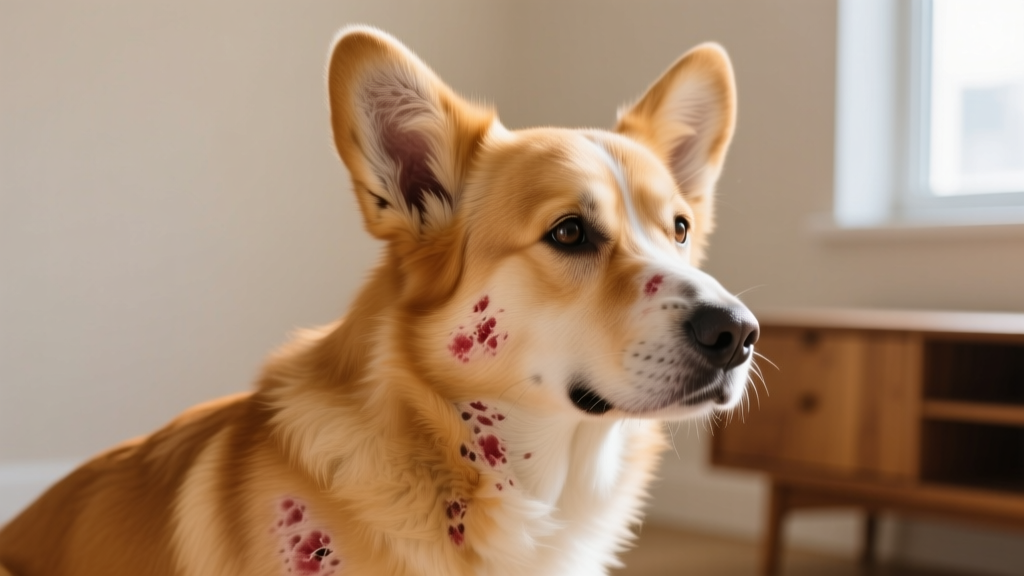
Understanding Mange in Dogs: What Every Owner Needs to Know
When your dog is scratching relentlessly, losing patches of fur, and developing crusty, inflamed skin, mange is one of the first conditions a veterinarian will consider. Mange is a parasitic skin disease caused by microscopic mites that burrow into or live on the surface of your dog's skin. Unlike fleas or ticks, these parasites are invisible to the naked eye, which makes diagnosis and treatment more complex than many owners expect.
There are two primary types of mange that affect dogs, each caused by a different mite species with distinct behaviors, symptoms, and treatment requirements. Confusing the two — or attempting home treatment without proper diagnosis — can lead to weeks of unnecessary suffering for your dog and hundreds of dollars in wasted remedies.
Identifying Mange Mites: A Visual Guide
Mite Identification Reference
| Characteristic | Sarcoptes scabiei (Sarcoptic Mange) | Demodex canis (Demodectic Mange) |
|---|---|---|
| Size | 0.3–0.5 mm (microscopic) | 0.2–0.3 mm (microscopic, cigar-shaped) |
| Color/Shape | Round body, translucent, 4 pairs of short legs | Elongated/worm-like, 4 pairs of very short stubby legs |
| Location on Dog | Burrows into upper skin layers; prefers ear margins, elbows, hocks, belly, chest | Lives inside hair follicles and sebaceous glands; face, muzzle, around eyes, forelegs |
| Visible to Naked Eye? | No — requires microscope at 10–40x magnification | No — requires deep skin scraping and microscope |
| Contagious? | Highly contagious to dogs, other animals, and humans | Not considered contagious — most dogs carry small numbers naturally |
Because both mite species are microscopic, you will never see the mites themselves. Instead, you're looking for the damage they cause. Sarcoptic mange produces intense, frantic itching that doesn't respond to standard allergy treatments. Demodectic mange often begins with hair loss patches that may or may not be itchy — the itching typically comes later if secondary bacterial infections develop.
How Dogs Get Mange: Transmission Routes and the Mite Life Cycle
Sarcoptic Mange Transmission
Sarcoptic mange spreads through direct contact with an infested animal. The mite Sarcoptes scabiei var. canis can survive off the host for 2–3 days in the environment (longer in cool, humid conditions), meaning your dog can pick up mites from:
- Direct dog-to-dog contact at parks, grooming facilities, or boarding kennels
- Contact with wildlife — foxes, coyotes, and raccoons are common carriers
- Contaminated bedding, brushes, or furniture where an infested animal recently rested
- Shelters and rescue facilities where overcrowding facilitates rapid spread
The life cycle from egg to adult takes approximately 14–21 days. The female mite burrows into the epidermis, lays 2–3 eggs per day for 4–5 weeks, and the larvae hatch within 3–4 days. These larvae migrate to the skin surface, molt through nymph stages, and mature into adults that mate and restart the cycle. A single fertilized female can establish a full infestation.
Demodectic Mange Transmission
Demodex transmission is fundamentally different. Nearly all dogs acquire Demodex canis mites from their mother during the first 2–3 days of nursing as puppies. The mites are considered part of the normal skin fauna in small numbers. According to the Merck Veterinary Manual, clinical demodectic mange develops when a dog's immune system fails to keep the mite population in check — not because the dog was "exposed" to something new.
Factors that trigger Demodex overpopulation include:
- Immature immune system in puppies (3–18 months old)
- Immunosuppressive conditions: Cushing's disease, hypothyroidism, cancer
- Immunosuppressive medications (corticosteroids, chemotherapy)
- Severe stress, malnutrition, or systemic illness
- Genetic predisposition — certain breeds (Shar-Peis, English Bulldogs, Boxers, Dobermans) show higher susceptibility
Recognizing Symptoms: Mild vs. Severe Infestations
| Severity | Sarcoptic Mange | Demodectic Mange |
|---|---|---|
| Mild / Early | Occasional scratching at ears and elbows; slight redness on ear margins; thinning hair on belly or chest; "pedal-pinna reflex" (dog scratches when ear margin is rubbed) | 1–5 small patches of hair loss on face/forelegs; skin may look normal or slightly scaly; typically NOT itchy at this stage; localized form |
| Moderate | Constant scratching and restlessness; yellowish crusts on ear margins, elbows, and hocks; thickened, darkened skin (lichenification); secondary bacterial infection beginning | More than 5 patches or spreading beyond face/legs; skin becomes red, greasy, or moist; pustules forming; mild to moderate itching from secondary infection |
| Severe | Widespread crusting and oozing lesions; extreme self-trauma from scratching; open wounds and deep pyoderma; lethargy, weight loss, behavioral changes; entire body potentially affected | Generalized demodicosis: hair loss over >50% of body; deep skin infections with draining tracts; foul odor from skin; swollen lymph nodes; fever and systemic illness possible |
Health Risks and Secondary Complications
Mange itself is caused by the mite infestation, but the real danger lies in secondary complications that develop without prompt treatment:
- Secondary bacterial pyoderma: Broken skin from scratching allows Staphylococcus pseudintermedius and other bacteria to cause deep skin infections. These infections can become systemic if untreated, leading to sepsis in severe cases.
- Secondary yeast infections: Malassezia yeast overgrowth thrives in the warm, moist, inflamed skin created by mange, adding another layer of itching and odor.
- Self-trauma wounds: Dogs with sarcoptic mange scratch so intensely they create open wounds, hematomas (especially ear hematomas from head-shaking), and significant tissue damage.
- Systemic illness in generalized demodicosis: When demodectic mange becomes generalized, the immune system is overwhelmed. Without treatment, the prognosis for generalized demodicosis with deep pyoderma is guarded — approximately 50% of dogs with severe generalized demodicosis and concurrent deep infection may not respond fully to treatment, according to veterinary dermatology literature.
- Zoonotic transmission: Sarcoptic mange can spread to humans through close contact. While canine scabies mites cannot complete their life cycle on humans, they cause temporary but intensely itchy papular rashes that last 2–3 weeks. Anyone handling an infested dog should wear gloves and wash thoroughly afterward.
Treatment Protocols: From Diagnosis to Full Recovery
Step 1: Professional Diagnosis
Your veterinarian will perform a skin scraping — using a scalpel blade to collect cells and debris from the affected skin, then examining it under a microscope. For sarcoptic mange, skin scrapings are only positive in about 20–30% of cases because the mites burrow deeply and are few in number. Vets often use the "pedal-pinna reflex" test (rubbing the ear margin to trigger a scratching response) and may treat presumptively based on clinical signs and response to therapy. Diagnosis typically costs $50–$150 depending on your region and whether sedation is needed.
For demodectic mange, deep skin scrapings or hair plucks are more reliably positive. Your vet may also recommend bloodwork to check for underlying immunosuppressive conditions, especially in adult-onset demodicosis (dogs over 2 years old). Expect $200–$400 for a full diagnostic workup including skin scraping, cytology, and basic blood panel.
Step 2: Prescription Treatment Options
| Medication | Type | Mange Type | Protocol | Efficacy | Cost Range |
|---|---|---|---|---|---|
| Isoxazolines (Bravecto/fluralaner, NexGard/afoxolaner, Simparica/sarolaner) | Oral chewable (prescription) | Both types | Single dose or 2–3 doses at labeled intervals; Bravecto often resolves sarcoptic mange in one dose | 85–97% for sarcoptic; high efficacy for demodectic with extended use | $30–$65 per dose |
| Ivermectin | Oral or injectable (prescription) | Both types (primarily demodectic) | Daily oral dosing at 0.3–0.6 mg/kg for demodicosis; treatment continues 4 weeks past negative scraping | 70–90% for demodicosis; avoid in MDR1 gene-positive breeds | $20–$50 for full course |
| Amitraz dips (Mitaban) | Topical dip (prescription) | Demodectic | Diluted dip every 2 weeks for 6–14 treatments; dog must be clipped short | 60–80% cure rate; labor-intensive | $40–$80 for dip solution + veterinary application fees |
| Lime sulfur dips | Topical dip (OTC available) | Sarcoptic | Weekly dips for 4–6 weeks; strong odor, stains surfaces | Moderate efficacy; safer for puppies and ivermectin-sensitive breeds | $15–$30 per bottle |
| Moxidectin/imidacloprid (Advantage Multi) | Topical spot-on (prescription) | Demodectic (FDA-approved) | Monthly application; may require 3–4 months for generalized demodicosis | 75–90% for mild-moderate demodicosis | $45–$70 per dose |
Important breed warning: Dogs with the MDR1 gene mutation (common in Collies, Australian Shepherds, Shetland Sheepdogs, and related herding breeds) can suffer severe neurological toxicity from ivermectin at the doses needed to treat mange. Always discuss breed-specific risks with your veterinarian. Washington State University's Veterinary Clinical Pharmacology Lab offers MDR1 genetic testing.
Step 3: Managing Secondary Infections
Most mange cases require concurrent treatment for secondary bacterial or yeast infections. Your vet will likely prescribe:
- Antibiotics: Cephalexin (22–30 mg/kg twice daily) or amoxicillin-clavulanate for 3–6 weeks depending on infection depth. Cost: $15–$40 for a typical course.
- Medicated shampoos: Chlorhexidine 2–4% or benzoyl peroxide shampoos used 2–3 times weekly to flush hair follicles and reduce bacterial load. Cost: $12–$25 per bottle.
- Anti-itch relief: Apoquel (oclacitinib) or short-term corticosteroids may be prescribed to break the itch-scratch cycle while mite treatment takes effect. Never administer human anti-itch creams without veterinary guidance.
Prevention Products Compared: Keeping Mange Mites Away
While there is no product specifically labeled "mange prevention," several parasiticide classes used for routine flea/tick/heartworm prevention also provide strong efficacy against mange mites. Dogs on consistent monthly isoxazoline preventives rarely develop sarcoptic mange.
| Product | Form | Active Ingredient | Mite Coverage | Duration | Monthly Cost |
|---|---|---|---|---|---|
| Bravecto | Oral chew | Fluralaner | Fleas, ticks, sarcoptic mange, demodectic mange | 12 weeks | $15–$22 (prorated) |
| NexGard | Oral chew | Afoxolaner | Fleas, ticks, sarcoptic mange | 4 weeks | $17–$24 |
| Simparica Trio | Oral chew | Sarolaner + moxidectin + pyrantel | Fleas, ticks, sarcoptic mange, roundworms, hookworms, heartworm | 4 weeks | $20–$28 |
| Advantage Multi | Topical spot-on | Imidacloprid + moxidectin | Fleas, heartworm, hookworms, roundworms, demodectic mange, sarcoptic mange | 4 weeks | $18–$25 |
| Revolution Plus | Topical spot-on | Selamectin + sarolaner | Fleas, ticks, heartworm, ear mites, sarcoptic mange | 4 weeks | $19–$26 |
According to the American Kennel Club, the isoxazoline class (fluralaner, afoxolaner, sarolaner) has largely replaced older dip-based treatments as the first-line option for both treatment and ongoing prevention of sarcoptic mange. These oral medications are easier to administer, better tolerated, and more consistently effective.
Environmental Control: Treating Your Home and Yard
While demodectic mange doesn't require environmental treatment (since the mite isn't contagious), sarcoptic mange demands thorough environmental management to prevent reinfestation.
Indoor Treatment Protocol
- Wash all bedding in hot water (minimum 130°F / 54°C) and dry on high heat. This includes your dog's bed, crate pads, blankets, and any human bedding your dog contacts. Repeat weekly during treatment.
- Vacuum thoroughly — all carpets, upholstery, and areas where your dog rests. Dispose of vacuum bags or empty canisters immediately in an outdoor trash bin. Vacuuming alone removes a significant percentage of mites from soft surfaces.
- Steam clean carpets and upholstery — steam at 150°F+ kills mites on contact. This is particularly important if your dog has access to furniture.
- Isolate the infested dog from other pets during active treatment. If you have multiple dogs, your veterinarian will likely recommend treating all dogs in the household simultaneously, even those showing no symptoms.
- Disinfect grooming tools — brushes, combs, and clippers should be soaked in a diluted bleach solution (1:32 ratio) or replaced entirely.
Sarcoptes mites can survive off-host for 2–3 days at typical room temperatures (68–72°F / 20–22°C) and up to 7 days in cool, humid conditions. After 36 hours without a host, most mites are no longer viable, which is why a 72-hour isolation period for contaminated items is generally sufficient.
Yard and Outdoor Areas
If wildlife (foxes, coyotes, raccoons) is suspected as the source of infestation, take steps to reduce wildlife access to your yard: secure trash cans, remove brush piles, block access under decks, and consider motion-activated sprinklers. There is no effective yard spray specifically for sarcoptic mites since they don't survive long in the environment without a host — the focus should be on wildlife exclusion rather than chemical yard treatment.
Seasonal Risk Patterns and Regional Considerations
Mange Risk Calendar by Region
| Region | Peak Sarcoptic Risk | Peak Demodectic Risk | Notes |
|---|---|---|---|
| Northeast US | Late fall through early spring (Oct–Mar) | Spring (puppy season, Mar–Jun) | Mites survive longer in cool weather; wildlife moves closer to homes in winter |
| Southeast US | Year-round, slightly higher in winter | Spring (Mar–Jun) | Warm climate allows year-round transmission; higher wildlife interaction |
| Midwest US | Winter months (Nov–Feb) | Spring (Apr–Jun) | Fox and coyote populations are primary vectors; highest risk near rural areas |
| Southwest US | Cooler months (Nov–Mar) | Spring (Mar–May) | Dry heat reduces off-host mite survival; lower overall environmental risk |
| Pacific Northwest | Fall through spring (Oct–Apr) | Spring (Apr–Jun) | Cool, humid conditions favor mite survival off-host; highest environmental persistence |
Demodectic mange does not follow seasonal patterns in the same way, since the mite is already present on the dog. However, spring and early summer see more diagnoses because that's when puppies born in winter reach the 3–6 month age window where localized demodicosis commonly appears. Adult-onset demodicosis can occur any time of year and always warrants investigation into underlying health conditions.
Zoonotic Risk: Can Mange Spread to Humans and Other Pets?
Sarcoptic Mange and Human Transmission
Yes — sarcoptic mange is zoonotic. The canine scabies mite (S. scabiei var. canis) can transfer to humans through direct contact or contaminated surfaces. However, canine mites cannot complete their reproductive cycle on human skin. They burrow superficially, causing an itchy papular rash (small red bumps), but the infestation is self-limiting and typically resolves in 2–3 weeks without treatment once the source dog is treated.
People most at risk include family members who share sleeping spaces with the dog, veterinary staff handling infested patients, and children who have prolonged close contact. If you develop an itchy rash after contact with a dog diagnosed with sarcoptic mange, consult your physician — they may prescribe a topical scabicide (permethrin 5% cream) for comfort, though the mites will die on their own on human skin.
Spread to Other Pets
Sarcoptic mange is highly contagious between dogs and can also infect cats (though feline scabies is less common). All dogs in a household should be treated simultaneously. Cats that have had close contact should be evaluated by a veterinarian. Demodectic mange is not considered contagious between animals — it will not spread from one dog to another through contact.
Frequently Asked Questions About Mange in Dogs
How do I know if my dog has mange?
The hallmark signs differ by type. Sarcoptic mange causes intense, unrelenting itching — particularly at the ear margins, elbows, and belly — that doesn't improve with standard allergy medications. Demodectic mange typically starts as non-itchy hair loss patches on the face, around the eyes, and on the forelegs. A definitive diagnosis requires a veterinary skin scraping examined under a microscope. If your dog's itching is severe and sudden in onset, sarcoptic mange should be on the differential list.
How do dogs get mange?
Sarcoptic mange spreads through direct contact with infested animals (dogs or wildlife like foxes and coyotes) or contaminated environments where mites survived 2–3 days off-host. Demodectic mange is acquired from the mother during nursing in the first days of life and becomes problematic only when the immune system fails to control the mite population — often due to age (puppies), illness, immunosuppressive medications, or genetic predisposition.
What are the best prevention products?
Isoxazoline-class oral preventives (Bravecto, NexGard, Simparica) provide excellent protection against sarcoptic mange mites as a secondary benefit of their flea and tick coverage. Advantage Multi (topical) is FDA-approved for demodectic mange treatment and provides ongoing mite suppression. Maintaining your dog on a consistent monthly or 12-week preventive is the single most effective strategy for preventing sarcoptic mange.
How do I treat a mange infestation?
Treatment requires veterinary-prescribed medications — typically isoxazoline oral chews (often resolving sarcoptic mange in 1–3 doses) or daily ivermectin for demodectic mange. Secondary bacterial and yeast infections must be treated concurrently with antibiotics and medicated shampoos. Treatment for demodectic mange typically takes 4–12 weeks and requires follow-up skin scrapings to confirm the mites are eliminated. Never attempt to treat mange with motor oil, kerosene, or undiluted essential oils — these are toxic and can cause severe harm.
Can mange spread to humans or other pets?
Sarcoptic mange can temporarily infect humans, causing a self-limiting itchy rash that resolves in 2–3 weeks once the dog is treated. It is highly contagious to other dogs and can infect cats. All household pets should be evaluated and potentially treated. Demodectic mange is not contagious to humans or other animals.
How often should I treat my dog for mange?
For active sarcoptic mange, treatment typically involves 1–3 doses of an isoxazoline product spaced according to the product's labeled interval (e.g., one Bravecto dose may be sufficient, or two doses 4 weeks apart with NexGard). For demodectic mange, treatment continues until two consecutive monthly skin scrapings are negative — often 2–4 months for localized cases and 4–8+ months for generalized cases. Once resolved, maintaining your dog on a routine monthly or 12-week preventive provides ongoing protection against reinfestation.
Mange is a manageable condition when caught early and treated with modern veterinary medications. The isoxazoline class of parasiticides has transformed mange treatment from a months-long ordeal of toxic dips to a straightforward oral medication protocol. If your dog is showing signs of mange, don't wait — early intervention prevents secondary infections, reduces your dog's suffering, and in the case of sarcoptic mange, protects your family from temporary zoonotic transmission.
Priya Sutaria
All our authors care for dogs every day — read more of their work on the authors page.