Skin Allergies of Dogs: Complete Identification & Treatment Guide
Guide to skin allergies of dogs covering symptoms, diagnosis, treatment costs, breed risks, and management strategies from veterinary experts.

If your dog is scratching, licking, or chewing at their skin more than usual, you're not alone. Skin allergies of dogs — clinically known as allergic dermatitis — represent one of the most common reasons pet owners visit the veterinarian. According to the American Kennel Club, allergies affect up to 10–15% of the canine population, with skin manifestations being the predominant presentation.
Allergic dermatitis occurs when a dog's immune system overreacts to normally harmless substances (allergens) such as pollen, dust mites, mold spores, flea saliva, or certain food proteins. The result is a cascade of inflammatory responses that manifest primarily through the skin — causing itching, redness, hair loss, and secondary infections if left untreated. Unlike human allergies that often present as sneezing or watery eyes, dogs experience allergies dermatologically, making skin allergies of dogs a distinct and sometimes frustrating condition to manage.
What Are Skin Allergies of Dogs? Understanding the Three Main Types
Canine allergic dermatitis is not a single disease but rather a category of immune-mediated skin conditions. Veterinary dermatologists classify skin allergies of dogs into three primary categories, each with distinct triggers, diagnostic approaches, and treatment protocols:
The Three Types of Canine Skin Allergies
- Flea Allergy Dermatitis (FAD): Hypersensitivity to proteins in flea saliva. Even a single flea bite can trigger days of intense itching in sensitized dogs. This is the most common allergy type seen in veterinary practice.
- Environmental Allergies (Atopic Dermatitis / Atopy): Reactions to inhaled or contact allergens like tree pollens, grass pollens, weed pollens, dust mites, and mold. Often seasonal initially, atopy frequently becomes year-round as dogs develop sensitivities to additional allergens over time.
- Food Allergies (Cutaneous Adverse Food Reactions): Immune responses to specific proteins in the diet — most commonly beef, dairy, chicken, wheat, soy, or lamb. True food allergies account for roughly 10–15% of all canine allergy cases, according to the Merck Veterinary Manual.
A fourth category — contact dermatitis — occurs when a dog's skin directly touches an irritant (certain plants, cleaning products, plastic food bowls). This is less common but worth noting because it's often overlooked.
Many dogs suffer from multiple allergy types simultaneously, which complicates diagnosis and treatment. A dog with flea allergy dermatitis may also have underlying atopy, making them more reactive to flea bites than a non-atopic dog would be.
Recognizing the Symptoms: Early Warning Signs vs. Advanced Indicators
One of the biggest challenges with skin allergies of dogs is that early symptoms are easily mistaken for normal grooming behavior or minor irritation. Use this symptom checklist to assess where your dog falls on the severity spectrum:
| Severity Level | Symptoms | Action Required |
|---|---|---|
| Mild / Early | Occasional paw licking, mild ear scratching, slight redness on belly or inner thighs, increased shedding | Monitor for 5–7 days; start flea prevention if not current |
| Moderate | Frequent scratching (multiple times per hour), hair thinning on flanks or paws, recurrent ear infections (2+ per year), red or inflamed skin patches, scooting on carpet | Schedule vet appointment within 1–2 weeks |
| Severe / Advanced | Open sores or hot spots, thickened/darkened skin (lichenification), foul skin odor, extensive hair loss, secondary bacterial or yeast infections, self-mutilation from constant chewing, sleep disruption from itching | Vet visit within 24–48 hours; may need emergency care for hot spots |
| Emergency | Facial swelling, hives covering large body areas, difficulty breathing, collapse (anaphylaxis — rare but possible with food or insect-triggered allergies) | Emergency vet immediately |
Key clinical pattern to watch for: Dogs with skin allergies of dogs typically itch in specific zones — paws, face (especially around the eyes and muzzle), ears, armpits, groin, and the base of the tail. If your dog's scratching is concentrated in these areas, allergies are more likely than a simple dry skin issue.
Which Breeds Are Prone to Skin Allergies? Risk Factors Explained
High-Risk Breeds for Canine Skin Allergies
While any dog can develop allergies, these breeds show statistically higher predisposition:
- Terriers: West Highland White Terriers, Cairn Terriers, Jack Russell Terriers, Boston Terriers
- Retrievers: Golden Retrievers, Labrador Retrievers
- Brachycephalic breeds: French Bulldogs, English Bulldogs, Pugs, Boxers
- Spaniels: Cocker Spaniels, Springer Spaniels
- Others: German Shepherds, Shar-Peis, Dalmatians, Shih Tzus, Lhasa Apsos
French Bulldogs have become particularly notable — a 2023 study published in Canine Genetics and Epidemiology found that Frenchies are among the breeds most predisposed to atopic dermatitis, with estimated prevalence rates exceeding 30% in some bloodlines.
Beyond breed, several other risk factors influence whether your dog develops skin allergies:
| Risk Factor | Details |
|---|---|
| Age of Onset | Atopic dermatitis typically first appears between 6 months and 3 years of age. Food allergies can appear at any age, including in puppies under 6 months. |
| Genetics | Dogs with one allergic parent have a significantly higher risk. Certain gene variants related to skin barrier function (filaggrin mutations) have been identified in predisposed breeds. |
| Environment | Dogs in high-humidity climates, urban areas with higher pollution, or homes with carpeting and forced-air heating tend to have higher rates of environmental allergies. |
| Weight | Overweight dogs experience more severe allergic symptoms because excess body fat increases systemic inflammation and creates skin folds that trap allergens and moisture. |
| Coat Type | Dogs with dense double coats or deep skin folds (Shar-Peis, Bulldogs) have more surface area for allergen contact and trapped moisture. |
How Veterinarians Diagnose Skin Allergies of Dogs
Diagnosing skin allergies of dogs is a process of elimination — there is no single test that confirms all types of allergies at once. Your veterinarian will work through a structured diagnostic protocol that typically unfolds over several visits:
Step-by-Step Diagnostic Process
- Complete History & Physical Exam ($60–$120): Your vet will ask about symptom onset, seasonality, diet, flea prevention history, environment, and family history of allergies. They'll examine the pattern and distribution of skin lesions — this alone can narrow the diagnosis significantly.
- Skin Cytology & Tape Prep ($40–$80): A microscope slide is pressed against affected skin or a piece of clear tape is applied and removed to collect cells. This identifies secondary bacterial (Staphylococcus) or yeast (Malassezia) infections that commonly accompany allergies.
- Flea Comb & Skin Scraping ($30–$60): Rules out flea infestation and parasitic mites (Demodex, Sarcoptes) that mimic allergy symptoms.
- Strict Elimination Diet Trial — Food Allergies ($80–$200 for prescription diet over 8–12 weeks): The gold standard for diagnosing food allergies. Your dog eats ONLY a novel protein diet (e.g., hydrolyzed protein, rabbit, venison) or a prescription hydrolyzed diet for 8–12 weeks. No treats, flavored medications, or table scraps. If symptoms resolve, a food challenge with the original diet confirms the diagnosis.
- Intradermal Allergy Testing (IDT) ($250–$500): Performed by a veterinary dermatologist. Small amounts of regional allergens are injected under sedation, and skin reactions are measured after 15–20 minutes. This identifies specific environmental allergens for immunotherapy formulation.
- Serum IgE Blood Testing ($150–$350): A blood draw sent to a lab (e.g., Heska, Greer Laboratories) to measure allergen-specific IgE antibodies. Less invasive than IDT but slightly less accurate. Useful when sedation for IDT is not possible.
Important note: Over-the-counter "hair analysis" allergy tests sold online for $60–$100 have been shown to be unreliable. A 2019 study in BMC Veterinary Research demonstrated that these tests could not distinguish between allergic and non-allergic dogs, producing high rates of false positives. Save your money and work with your veterinarian instead.
Treatment Options: What Actually Works for Canine Skin Allergies
Can skin allergies of dogs be cured? The honest answer is no — but they can be very effectively managed. Most allergic dogs require lifelong management, with the goal being to reduce itching to a tolerable level (typically a 50–80% reduction in pruritus scores) rather than complete elimination of all symptoms.
Treatment follows a multimodal approach — meaning several strategies are combined for the best results:
| Treatment | Type | Monthly Cost (50 lb dog) | Effectiveness | Notes |
|---|---|---|---|---|
| Oclacitinib (Apoquel) | Prescription — JAK inhibitor | $75–$130 | High — 70–80% of dogs show significant improvement within 4–24 hours | Most commonly prescribed itch medication. Not for dogs under 12 months. Long-term monitoring recommended. |
| Lokivetmab (Cytopoint) | Injectable — monoclonal antibody | $65–$150 (injection every 4–8 weeks) | High — similar efficacy to Apoquel; some dogs respond better to one over the other | Administered by vet. Minimal side effects. Safe for puppies and dogs with liver/kidney concerns. |
| Allergen-Specific Immunotherapy (ASIT) | Allergy shots or sublingual drops | $40–$80 (after $300–$600 initial formulation) | Moderate-High — 60–75% of dogs show improvement; takes 6–12 months for full effect | Only treatment that modifies the underlying immune response. Requires prior allergy testing. Lifelong commitment. |
| Corticosteroids (Prednisone, Temaril-P) | Prescription — anti-inflammatory | $10–$30 | Very High short-term — rapid itch relief within 24–48 hours | Best for short-term flare-ups. Long-term use causes significant side effects (increased thirst/urination, weight gain, immune suppression, diabetes risk, Cushing's disease). |
| Strict Flea Prevention | Monthly topical/oral | $15–$50 | Essential baseline — all allergic dogs must have zero flea exposure | Products like Bravecto, NexGard, Simparica Trio. Year-round, even for indoor dogs. |
| Topical Therapy (medicated shampoos, sprays) | Supportive — OTC/prescription | $15–$40 | Moderate — reduces surface allergens, soothes skin, treats mild secondary infections | Shampoos with chlorhexidine, ketoconazole, or colloidal oatmeal. Bathe 1–2x weekly during flare-ups. |
| Elimination Diet (Food Allergies) | Prescription diet | $80–$160 | High — if food allergy confirmed, removing the trigger protein resolves symptoms in 80–90% of cases | Hydrolyzed protein diets (Hill's z/d, Royal Canin HP) or novel protein diets. Must be lifelong for food-allergic dogs. |
Consult your veterinarian before starting or changing any medication. The right treatment plan depends on your dog's specific allergy type, age, overall health, and the severity of symptoms. Many dogs need a combination — for example, Cytopoint injections for itch control alongside immunotherapy for long-term immune modification, plus strict flea prevention and weekly medicated baths.
Home Care and Daily Management Strategies
While veterinary treatment forms the backbone of allergy management, daily home care makes a significant difference in your dog's comfort level. Here are evidence-based strategies that complement medical treatment:
Environmental Allergen Reduction
- Wipe down after outdoor time: Use a damp microfiber cloth or unscented pet wipe to remove pollen and dust from your dog's coat, paws, and belly after every walk. This physically removes allergens before they penetrate the skin barrier.
- Wash bedding weekly in hot water: Water temperature should be at least 130°F (54°C) to kill dust mites. Use a hypoallergenic, fragrance-free detergent.
- Use HEPA air filtration: A true HEPA filter in rooms where your dog spends the most time can reduce airborne allergens by 50–80%. Replace filters per manufacturer schedule (typically every 6–12 months).
- Reduce carpeting: Hard flooring traps fewer allergens than carpet. If replacing carpet isn't feasible, vacuum with a HEPA-equipped vacuum 2–3 times per week.
- Control indoor humidity: Keep humidity between 30–50% to discourage dust mites and mold growth. Use a dehumidifier in damp areas.
Skin Barrier Support
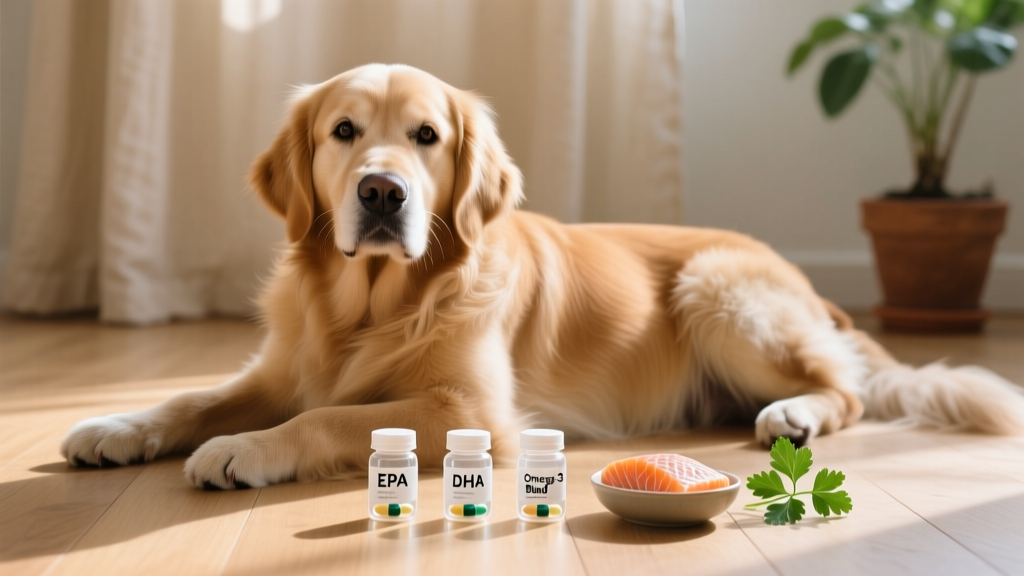
- Omega-3 fatty acid supplementation: Fish oil containing EPA and DHA at a dose of approximately 20–55 mg combined EPA+DHA per kg of body weight daily has been shown to reduce inflammatory mediators in the skin. For a 50 lb (23 kg) dog, this translates to roughly 460–1,265 mg combined EPA+DHA per day. Products like Nordic Naturals Omega-3 Pet or Welactin are veterinary-recommended options.
- Avoid over-bathing: While medicated baths help during flare-ups, bathing more than twice weekly without a specific medicated shampoo can strip natural skin oils and worsen barrier function.
- Consider a ceramide-based topical: Products containing phytosphingosine or ceramides (e.g., Virbac Allerderm Spot-On, Douxo S3 line) help rebuild the lipid barrier of allergic skin.
Dietary Management
- For confirmed food allergies: strict adherence to the identified safe diet — no deviations, no flavored heartworm preventives (switch to a non-flavored option like Heartgard or ask your vet about ivermectin-based alternatives), no table scraps.
- For environmental allergies: no specific dietary restriction is needed, but a high-quality diet with adequate essential fatty acids supports overall skin health.
- Probiotics: Some evidence suggests specific strains (e.g., Lactobacillus rhamnosus GG) may help modulate immune response in atopic dogs, though results are mixed. Discuss with your vet before adding supplements.
Treatment Costs: Budgeting for Canine Allergy Management
Skin allergies of dogs are a chronic condition, and costs accumulate over years. Here's a realistic breakdown based on 2025–2026 veterinary pricing:
| Expense Category | First-Year Cost Range | Ongoing Annual Cost |
|---|---|---|
| Initial diagnostic workup (exam, cytology, skin scraping) | $150–$350 | $50–$100 (annual rechecks) |
| Allergy testing (IDT or serum IgE) | $250–$600 | $0 (one-time) |
| Elimination diet trial (8–12 weeks) | $150–$350 | $900–$1,800 (if food allergy confirmed, ongoing prescription diet) |
| Medication (Apoquel or Cytopoint) | $800–$1,800 | $800–$1,800 |
| Immunotherapy (ASIT) | $400–$800 (formulation + initial year) | $400–$700 |
| Flea prevention (year-round) | $180–$500 | $180–$500 |
| Topical care (shampoos, wipes, sprays) | $100–$300 | $100–$250 |
| Treatment of secondary infections (antibiotics/antifungals) | $80–$300 per episode | Variable — well-managed dogs may have 0–1 episodes/year |
| TOTAL ESTIMATED FIRST-YEAR COST | $2,100–$5,000+ | $1,500–$3,500/year ongoing |
Worst-case scenario costs: Dogs with severe, poorly controlled allergies that develop chronic ear infections may require a Total Ear Canal Ablation (TECA) surgery, which costs $2,500–$5,000 per ear. Dogs with recurrent deep pyoderma (skin infections) may need 6–8 weeks of oral antibiotics plus culture and sensitivity testing ($150–$250 per culture).
Insurance consideration: Most pet insurance policies cover allergy diagnostics and treatment IF the condition develops after the policy's effective date and waiting period. Pre-existing allergies are universally excluded. If you have a breed prone to allergies, enrolling in insurance during puppyhood — before symptoms appear — is financially strategic. Companies like Trupanion, Healthy Paws, and Nationwide offer plans that cover chronic condition management.
Prognosis and Life Expectancy for Dogs with Skin Allergies
The Good News About Prognosis
Skin allergies of dogs are not life-threatening and do not directly reduce life expectancy. A dog with well-managed allergies can live a full, normal lifespan — 10–15+ years depending on breed and overall health.
The prognosis depends on management quality rather than disease severity:
| Management Level | Expected Quality of Life | Long-Term Outlook |
|---|---|---|
| Well-managed (consistent medication, flea control, environmental management) | Excellent — occasional mild flare-ups during peak allergen seasons, minimal discomfort | Normal lifespan. May need medication adjustments over time as allergies can evolve. Some dogs on immunotherapy can eventually reduce or discontinue other medications. |
| Partially managed (inconsistent treatment, sporadic flea prevention) | Fair to Good — frequent flare-ups, recurrent secondary infections, periodic discomfort | Normal lifespan but reduced quality of life. Repeated antibiotic courses increase risk of antibiotic-resistant infections. Chronic inflammation may contribute to secondary conditions. |
| Poorly managed / Untreated | Poor — constant itching, self-trauma, chronic pain from ear infections, behavioral changes | May indirectly reduce lifespan due to complications: resistant infections, chronic ear disease requiring surgery, long-term corticosteroid side effects (diabetes, Cushing's, immune suppression). |
A critical point many owners miss: allergies tend to worsen over time if left untreated. A dog that starts with mild seasonal itching at age 2 may develop year-round symptoms by age 5, and add food sensitivities by age 7. Early, proactive intervention prevents this escalation and often results in lower lifetime costs because you're preventing secondary complications.
When to See the Vet: Red Flag Symptoms
🚨 Seek Veterinary Care If You Notice:
- Open wounds or hot spots: Moist, red, oozing lesions that spread rapidly — these are acute moist dermatitis and require immediate treatment to prevent deep infection.
- Foul odor from skin or ears: Indicates secondary bacterial or yeast infection that needs prescription medication.
- Ear discharge or head shaking: Allergic dogs are extremely prone to otitis externa (ear infections). Left untreated, these can progress to middle ear infections causing head tilt or balance problems.
- Itching that disrupts sleep or normal activity: If your dog wakes up at night to scratch or can't settle down, their itch level has exceeded a tolerable threshold.
- Skin thickening or color changes: Dark, thickened, "elephant-like" skin (lichenification) indicates chronic inflammation and requires medical intervention.
- Symptoms that don't improve after 2 weeks of home management: If you've started flea prevention and bathing but see no improvement, veterinary diagnostics are needed.
- Facial swelling or hives: May indicate an acute allergic reaction. If accompanied by vomiting, diarrhea, difficulty breathing, or collapse, go to an emergency vet immediately — this could be anaphylaxis.
For any suspected toxic ingestion or severe acute allergic reaction, contact the ASPCA Animal Poison Control Center at (888) 426-4435 (available 24/7, consultation fee applies).
Prevention Strategies: Reducing Allergy Risk and Flare-Ups
While you cannot prevent a genetically predisposed dog from developing allergies entirely, you can reduce the severity and delay onset through proactive measures:
- Year-round flea prevention from puppyhood: This is the single most impactful preventive step. Even one flea bite can sensitize a predisposed dog. Start a veterinary-recommended flea preventive by 8 weeks of age and never skip a dose.
- Early nutrition optimization: Feed a high-quality, AAFCO-approved diet. Some evidence suggests that omega-3 supplementation during puppyhood may support skin barrier development, though data is not conclusive for preventing allergies outright.
- Avoid unnecessary dietary variety: Contrary to popular belief, rotating proteins does NOT prevent food allergies and may actually increase the number of proteins your dog becomes sensitized to. Stick with a consistent diet unless there's a medical reason to change.
- Regular grooming and skin checks: Brush your dog 2–3 times per week to distribute natural skin oils, remove environmental debris, and catch early skin changes before they escalate.
- Maintain a healthy weight: Obesity increases systemic inflammation and worsens allergic skin disease. Keep your dog at an ideal body condition score (BCS 4–5 on a 9-point scale).
- Minimize environmental allergen load: Regular cleaning, air filtration, and wiping your dog down after outdoor exposure all reduce the total allergen burden on their skin.
Frequently Asked Questions About Skin Allergies of Dogs
Can skin allergies of dogs be cured permanently?
No. Canine allergies are a lifelong immune system tendency, not a curable infection. However, allergen-specific immunotherapy (ASIT) comes closest to a "cure" by retraining the immune system — approximately 60–75% of dogs on ASIT achieve significant long-term improvement, and some can eventually discontinue other medications. Even with ASIT, most dogs require some level of ongoing management.
How long does it take to see improvement after starting treatment?
It depends on the treatment: Apoquel typically reduces itching within 4–24 hours. Cytopoint injections take effect within 1–3 days and last 4–8 weeks. Corticosteroids work within 24–48 hours. Immunotherapy takes the longest — expect 3–6 months before noticeable improvement, with full effects at 9–12 months. Elimination diet trials require 8–12 weeks of strict adherence before evaluating results.
Are grain-free diets better for dogs with skin allergies?
Not necessarily, and potentially harmful. True grain allergies in dogs are rare — the most common food allergens are animal proteins (beef, dairy, chicken). More critically, the FDA has investigated a potential link between grain-free diets (particularly those high in legumes and potatoes) and dilated cardiomyopathy (DCM) in dogs. The FDA's ongoing investigation has not yet concluded, but most veterinary nutritionists recommend against grain-free diets unless a specific grain allergy has been confirmed through an elimination trial.
Can I give my dog Benadryl for skin allergies?
Diphenhydramine (Benadryl) is generally safe for dogs at a dose of 1 mg per pound of body weight, given every 8–12 hours. However, antihistamines are only effective in approximately 20–30% of allergic dogs and tend to work best for mild cases or as an adjunct to other treatments. Always consult your veterinarian before giving any OTC medication, and never use combination products containing decongestants (pseudoephedrine is toxic to dogs) or xylitol as a sweetener.
Is coconut oil helpful for dog skin allergies?
Topical coconut oil may provide mild moisturizing benefits and has some antimicrobial properties due to its lauric acid content. However, it is not a substitute for veterinary treatment and has limited evidence for treating allergic dermatitis specifically. If used, apply a thin layer to dry, non-infected areas only. Avoid applying to hot spots or open wounds, as the occlusive nature of oil can trap bacteria and worsen infection.
My dog only scratches seasonally — do they still need year-round treatment?
Seasonal itching often indicates environmental allergies tied to specific pollen seasons (spring tree pollens, summer grass pollens, fall weed pollens). Many dogs with initially seasonal allergies eventually develop year-round symptoms as they become sensitized to additional allergens like dust mites. Discuss with your vet whether to treat only during flare-up seasons or maintain baseline therapy year-round. At minimum, flea prevention should always be year-round, as flea allergy dermatitis can flare any time fleas are present.
Robin Maitland
All our authors care for dogs every day — read more of their work on the authors page.