High EPA & DHA for Dogs: 2026 Dosage Guide & Best Sources
Discover high EPA and DHA content for dogs—science-backed dosages, conversion facts, and top omega-3 sources for joint & brain health. Get.
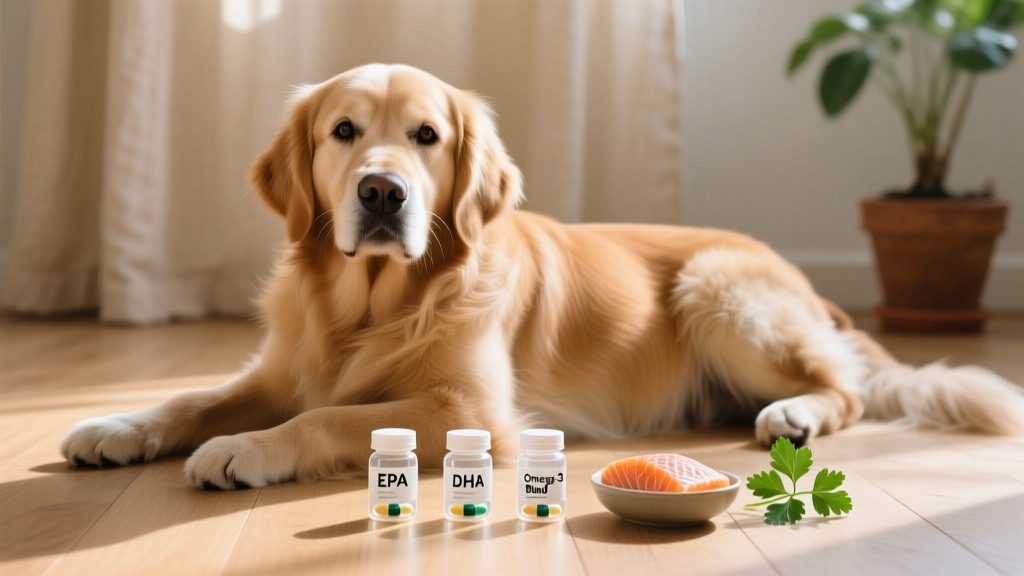
Eicosapentaenoic acid (EPA) is a marine-derived omega-3 fatty acid that serves as a primary anti-inflammatory agent in canine nutrition. When dogs consume EPA, it integrates into cell membranes and inhibits the production of pro-inflammatory cytokines, directly reducing joint pain, skin irritation, and systemic inflammation. For adult dogs dealing with osteoarthritis or allergic dermatitis, EPA is the most critical omega-3 fatty acid for symptom management. This guide is specifically designed for dog owners and caregivers seeking science-backed, veterinary-aligned nutritional strategies to manage their pet's chronic conditions, optimize mobility, and select the correct omega-3 supplements without risking toxicity.
Key Takeaways: EPA for Dogs
- Primary Function: EPA actively resolves cellular inflammation, making it superior for joint and skin conditions.
- EPA vs. DHA: Prioritize EPA for adult dogs with osteoarthritis; prioritize DHA for puppy brain development and senior cognitive support.
- Therapeutic Dosage: Clinical efficacy for joint pain typically requires 75 mg per kg of metabolic body weight daily.
- Best Sources: Triglyceride-form fish oil, green-lipped mussel, and algae oil offer the highest bioavailability.
Table of Contents
- What Is EPA and Why Do Dogs Need It?
- EPA vs. DHA: Which Omega-3 Does Your Dog Need?
- Proven Health Benefits of EPA for Dogs
- How to Calculate the Right EPA Dosage
- Best Sources of EPA for Dogs
- Frequently Asked Questions
What Is EPA and Why Do Dogs Need It?
Eicosapentaenoic acid (EPA) is a long-chain, 20-carbon omega-3 polyunsaturated fatty acid found primarily in cold-water marine organisms. In canine biology, EPA functions as a direct precursor to resolvins and protectins, which are specialized lipid mediators that actively resolve cellular inflammation and promote tissue healing.
Dogs cannot synthesize EPA efficiently from plant-based precursors like alpha-linolenic acid (ALA) found in flaxseed. The conversion rate in canines is less than 5%, making direct marine supplementation mandatory for therapeutic results. According to the 2026 veterinary consensus on lipid mediators, bypassing this metabolic bottleneck with direct EPA supplementation is the only reliable way to achieve clinical anti-inflammatory outcomes.
EPA vs. DHA: Which Omega-3 Does Your Dog Need?
While both are essential marine omega-3s, they serve distinctly different biological roles. Understanding the difference between EPA and DHA for dogs ensures you select the right supplement for your pet's specific life stage and health condition.
Docosahexaenoic acid (DHA) is a 22-carbon omega-3 fatty acid crucial for structural development in the brain, eyes, and nervous system. While EPA manages active inflammation, DHA maintains cellular membrane fluidity and supports neurological function, making it vital for puppies and aging senior dogs.
When to Prioritize EPA
Focus on high-EPA formulations for adult and senior dogs suffering from active inflammatory conditions. This includes canine osteoarthritis, atopic dermatitis, inflammatory bowel disease (IBD), and post-surgical recovery. EPA directly interrupts the inflammatory cascade at the cellular level.
When to Prioritize DHA
Prioritize DHA-dominant profiles for pregnant dogs, nursing mothers, and puppies under 12 months of age to support retinal and neurological development. DHA is also the preferred omega-3 for senior dogs exhibiting signs of canine cognitive dysfunction (CCD).
Proven Health Benefits of EPA for Dogs
The clinical benefits of EPA for dogs are well-documented in peer-reviewed veterinary literature. When administered at therapeutic doses, EPA alters the lipid composition of cell membranes, resulting in measurable physiological improvements.
Joint Health and Osteoarthritis
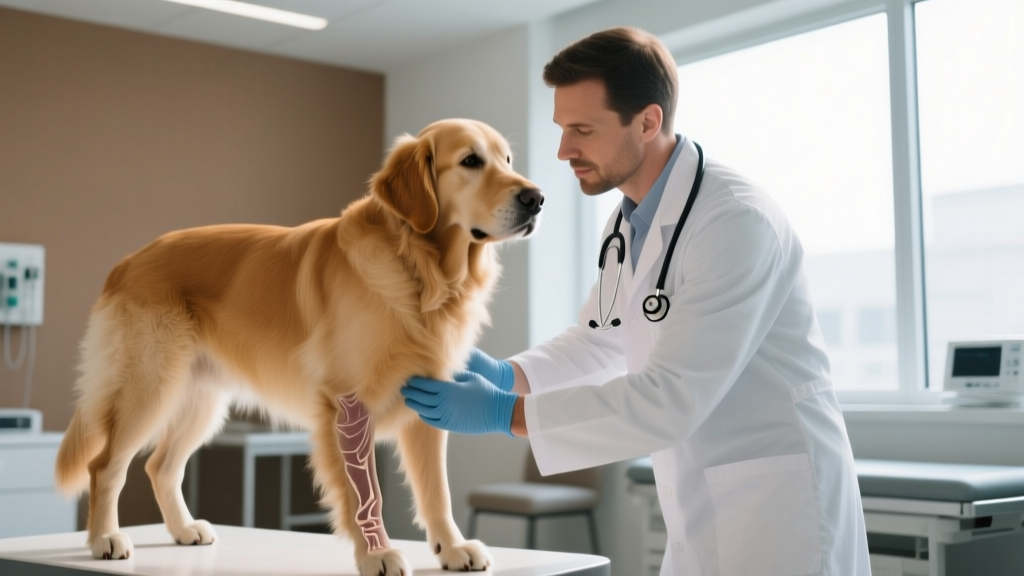
EPA reduces the activity of matrix metalloproteinases, the enzymes responsible for degrading joint cartilage. A landmark study published in the Journal of the American Veterinary Medical Association demonstrated that dogs receiving high-EPA diets showed significant improvements in weight-bearing capacity and mobility within 12 weeks of starting supplementation.
Skin Allergies and Coat Quality
For dogs with environmental or food allergies, EPA modulates the immune system's overreaction to allergens. It decreases the production of leukotrienes, which are responsible for the intense itching and erythema (redness) associated with allergic dermatitis. Consistent EPA intake strengthens the skin barrier, reducing secondary bacterial infections.
How to Calculate the Right EPA Dosage for Your Dog
Providing an inadequate dose is the most common reason owners report that fish oil 'doesn't work' for their dogs. The World Small Animal Veterinary Association (WSAVA) provides guidelines for therapeutic omega-3 dosing based on metabolic body weight, not just total body weight.
EPA Decision Framework & Dosage Table
Use the table below to determine the correct therapeutic EPA dosage for your dog's specific condition. Always calculate based on the EPA content alone, not the total fish oil volume.
| Canine Condition | Target EPA Dose | Expected Timeline for Results |
|---|---|---|
| General Skin & Coat Health | 20 mg per kg of body weight | 4 to 6 weeks |
| Mild to Moderate Osteoarthritis | 50 mg per kg of metabolic weight | 8 to 10 weeks |
| Severe Joint Inflammation | 75 mg per kg of metabolic weight | 12 weeks |
| Chronic Kidney Disease Support | 30 mg per kg of body weight | Ongoing maintenance |
For a 25 kg dog with severe osteoarthritis, the target is approximately 500 mg of pure EPA daily. Check your supplement label carefully; a standard 500 mg fish oil capsule often contains only 90 mg of EPA, meaning you would need multiple capsules to reach the therapeutic threshold.
Best Sources of EPA for Dogs
The bioavailability of EPA depends heavily on the molecular form of the supplement and the source organism. Current-generation supplements utilize the triglyceride (TG) form, which is absorbed up to 70% more efficiently than the synthetic ethyl ester (EE) form found in cheaper products.
- Wild-Caught Fish Oil: Sourced from anchovies, sardines, and mackerel. Ensure the product is molecularly distilled to remove heavy metals and certified by the Global Organization for EPA and DHA Omega-3s (GOED).
- Green-Lipped Mussel: Contains a unique profile of EPA alongside natural glycosaminoglycans (GAGs), offering a dual-action approach to joint cartilage support.
- Marine Algae Oil: A sustainable, vegan alternative. While traditionally higher in DHA, specific 2026 microalgae strains are now cultivated to yield high-EPA profiles suitable for canine inflammation.
Potential Side Effects and Safety Precautions
While EPA is highly safe, excessive intake can lead to adverse effects. The upper safe limit for total dietary fat from supplements should not exceed 3% of the dog's total daily caloric intake to prevent pancreatitis in susceptible breeds.
High doses of EPA can mildly inhibit platelet aggregation. If your dog is scheduled for surgery or is taking NSAIDs (like Carprofen or Meloxicam), consult your veterinarian to adjust the dosage and prevent prolonged bleeding times. Additionally, oxidized fish oil causes gastrointestinal upset; always store liquid oils in the refrigerator and discard them if they develop a rancid odor.
Frequently Asked Questions
Can dogs have too much EPA?
Yes. Mega-dosing EPA beyond 100 mg per kg of metabolic weight can cause gastrointestinal diarrhea, impaired blood clotting, and altered immune function. Always adhere to veterinary-recommended therapeutic ceilings.
Is EPA or DHA better for dogs with itchy skin?
EPA is superior for itchy skin. It directly targets the inflammatory pathways (specifically the COX and LOX pathways) that cause pruritus (itching) and skin barrier breakdown in allergic dogs.
Should I give my dog Vitamin E with EPA supplements?
Yes. Processing polyunsaturated fats increases oxidative stress. A general veterinary rule is to provide 400 IU of Vitamin E (as d-alpha-tocopherol) for every gram of fish oil supplemented to protect cellular membranes from lipid peroxidation.
Next Steps for Your Dog's Health
Managing your dog's inflammation requires precise nutritional intervention rather than guesswork. To implement this safely, check your current dog food label to calculate the baseline EPA already present in their diet. Then, schedule a 15-minute nutritional consultation with your veterinarian to confirm the exact therapeutic dosage and select a third-party-tested triglyceride-form supplement tailored to your dog's specific metabolic weight.
anouk-beaumont
All our authors care for dogs every day — read more of their work on the authors page.


