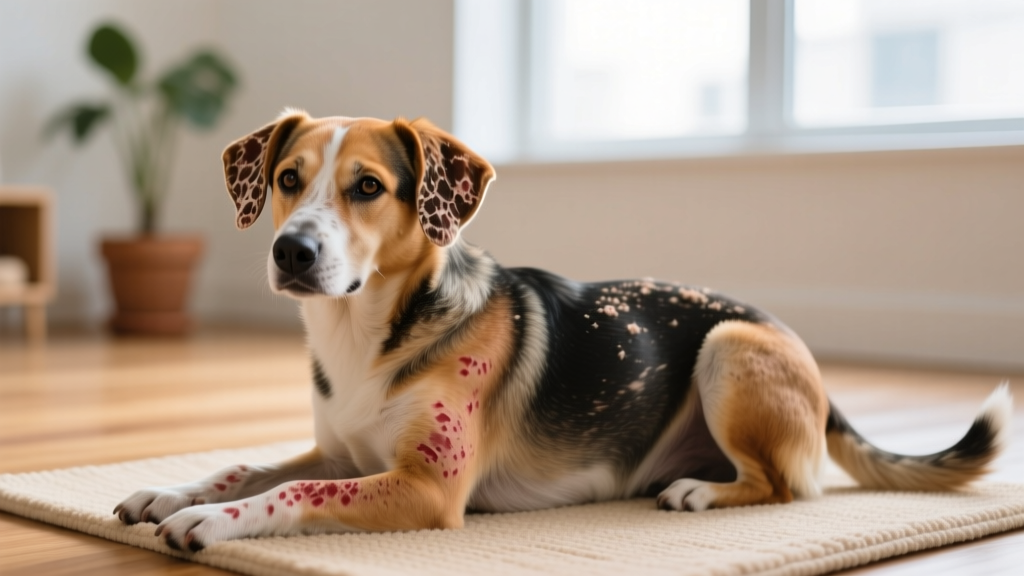
Prednisone Side Effects in Dogs: What Every Owner Should Know
A detailed guide to prednisone side effects in dogs, including dosage ranges, drug interactions, monitoring needs, and when to contact your veterinarian.

If your veterinarian has prescribed prednisone for your dog, you're probably feeling a mix of relief that there's a treatment plan and anxiety about what this powerful steroid might do to your pet. Prednisone is one of the most commonly dispensed medications in veterinary medicine — and for good reason. It's remarkably effective at suppressing inflammation, modulating immune responses, and managing conditions ranging from severe allergies to autoimmune disease. But it also carries a side effect profile that every dog owner needs to understand before the first pill goes down.
This guide breaks down exactly what prednisone does, the side effects you're likely to see versus those that signal a problem, how dosing works, and what monitoring your dog will need during treatment. All information here is meant to complement — not replace — the guidance your veterinarian provides.
What Is Prednisone and What Is It Used for in Dogs?
Prednisone is a synthetic glucocorticoid — a type of corticosteroid hormone that mimics cortisol, the natural stress hormone produced by your dog's adrenal glands. Once ingested, prednisone is converted by the liver into prednisolone, the active metabolite that does the actual therapeutic work. (In dogs with significant liver disease, veterinarians may prescribe prednisolone directly to bypass this conversion step.)
How Prednisone Works in the Canine Body
Prednisone works at the cellular level by binding to glucocorticoid receptors inside your dog's cells. This binding action does three critical things:
- Suppresses inflammatory pathways: It inhibits phospholipase A2, the enzyme that triggers the production of prostaglandins and leukotrienes — the chemical messengers responsible for swelling, redness, heat, and pain.
- Modulates immune response: At higher (immunosuppressive) doses, it reduces the activity of T-lymphocytes and B-lymphocytes, effectively dialing down an overactive immune system that's attacking the dog's own tissues.
- Affects metabolism: It influences glucose production (gluconeogenesis), protein breakdown, and fat redistribution — which is why long-term use produces some of the more visible physical changes.
The dose determines the effect. Anti-inflammatory dosing produces mild immune modulation, while immunosuppressive dosing produces profound immune system suppression. This dose-response relationship is why your vet is very specific about milligram amounts.
FDA-Approved and Common Off-Label Uses
Prednisone is FDA-approved for use in dogs and is indicated for a broad range of inflammatory and immune-mediated conditions. According to the Merck Veterinary Manual, common veterinary applications include:
| Category | Specific Conditions |
|---|---|
| Allergic/Inflammatory | Atopic dermatitis, allergic bronchitis, inflammatory bowel disease (IBD), severe flea allergy dermatitis |
| Autoimmune/Immune-Mediated | Immune-mediated hemolytic anemia (IMHA), immune-mediated thrombocytopenia (ITP), lupus, pemphigus |
| Musculoskeletal | Intervertebral disc disease (IVDD), arthritis flare-ups, myositis |
| Neurological | Spinal cord inflammation, certain brain tumors, meningitis |
| Respiratory | Asthma-like conditions, tracheal collapse management, eosinophilic lung disease |
| Oncology (Supportive) | Lymphoma protocols (CHOP), mast cell tumor management, palliative appetite stimulation |
| Endocrine | Addison's disease (as replacement glucocorticoid at physiologic doses) |
Most uses in veterinary medicine are considered well-established standard of care, though specific protocols (especially in oncology and autoimmune disease) often represent off-label applications that your veterinarian will discuss with you.
Prednisone Dosage for Dogs: By Condition and Weight
Dosing is where precision matters enormously. Prednisone dosing in dogs follows a tiered system based on the therapeutic goal. Your veterinarian will calculate the exact dose based on your dog's weight, condition severity, and individual health factors. Never adjust your dog's prednisone dose without veterinary direction.
| Therapeutic Goal | Dose (mg/kg) | Dose (mg/lb) | Typical Frequency |
|---|---|---|---|
| Anti-inflammatory | 0.5–1.0 mg/kg | 0.25–0.5 mg/lb | Once to twice daily |
| Immunosuppressive | 2.0–4.0 mg/kg | 1.0–2.0 mg/lb | Once to twice daily |
| Shock / Emergency | 5.0–10.0 mg/kg (IV) | 2.5–5.0 mg/lb | Single dose (clinic only) |
| Addison's Replacement | 0.05–0.1 mg/kg | 0.025–0.05 mg/lb | Once daily (lifelong) |
Example Calculation for a 50 lb Dog
A 50 lb (22.7 kg) dog receiving anti-inflammatory dosing at 0.5 mg/kg would get approximately 11.4 mg per dose. Your veterinarian would typically round this to the nearest available tablet size — commonly 10 mg or a combination of 5 mg tablets. At immunosuppressive dosing (2 mg/kg), that same dog would receive approximately 45 mg per dose.
Administration Instructions
- With or without food: Prednisone can cause stomach upset, so giving it with a small meal is generally recommended, especially at higher doses or during the first few days of treatment.
- Timing: If prescribed once daily, give in the morning to align with your dog's natural cortisol rhythm. If twice daily, space doses roughly 12 hours apart.
- Tablet forms: Prednisone is available in 1 mg, 2.5 mg, 5 mg, 10 mg, 20 mg, and 50 mg scored tablets. Liquid formulations (typically 5 mg/mL or 15 mg/mL) are available for small dogs or precise dosing.
- Duration: Short courses (3–7 days) are common for acute inflammation. Chronic conditions may require weeks to months of therapy with a structured tapering protocol.
Prednisone Side Effects in Dogs: What to Expect
Understanding the difference between expected, manageable side effects and serious adverse reactions is one of the most important things you can do as a dog owner managing prednisone therapy. Side effects are dose-dependent — higher doses and longer durations increase both frequency and severity.
Common Side Effects (Expected at Therapeutic Doses)
These effects occur in a significant percentage of dogs on prednisone, particularly at anti-inflammatory doses and above. They are generally not cause for alarm but should be monitored.
| Side Effect | Estimated Frequency | What You'll Notice | Management Tips |
|---|---|---|---|
| Increased thirst (polydipsia) | 60–80% | Drinking significantly more water than normal; emptying bowls rapidly | Ensure constant access to fresh water; never restrict water intake |
| Increased urination (polyuria) | 60–80% | More frequent bathroom breaks; possible house accidents even in trained dogs | Increase potty break frequency; be patient with accidents |
| Increased appetite (polyphagia) | 50–70% | Begging, food-seeking behavior, seeming insatiable | Use low-calorie treats (green beans, carrots); do not increase food portions |
| Panting | 30–50% | Excessive panting, especially at rest or at night | Keep environment cool; mention at next vet visit |
| GI upset | 15–25% | Mild vomiting, soft stools, occasional diarrhea | Give with food; contact vet if persistent beyond 48 hours |
| Behavioral changes | 10–20% | Restlessness, irritability, occasional lethargy | Monitor; usually resolves as body adjusts |
Serious Side Effects Requiring Immediate Veterinary Attention
🚨 Contact Your Veterinarian Immediately If You Observe:
- Black, tarry stools (melena) — indicates gastrointestinal bleeding, a known risk of corticosteroid use, especially when combined with NSAIDs
- Vomiting blood or material resembling coffee grounds — suggests gastric ulceration
- Severe lethargy, weakness, or collapse — may indicate an Addisonian crisis from abrupt withdrawal or adrenal suppression
- Marked abdominal distension — could signal fluid accumulation or organ enlargement
- Jaundice (yellowing of gums, eyes, or skin) — suggests liver damage
- Seizures or severe disorientation
- Suspected overdose — call ASPCA Animal Poison Control at (888) 426-4435 (24/7, consultation fee applies) or Pet Poison Helpline at (855) 764-7661
Long-Term Side Effects (With Prolonged Use Beyond 3–4 Months)
Dogs on long-term prednisone therapy may develop a constellation of changes collectively resembling iatrogenic Cushing's syndrome — essentially, medication-induced overexposure to corticosteroids. These changes include:
- Pot-bellied appearance: Fat redistribution to the abdomen combined with abdominal muscle weakening
- Muscle wasting: Particularly along the spine and hindquarters due to protein catabolism
- Thinning skin and hair coat changes: Hair loss (alopecia), skin that bruises easily, slow wound healing
- Calcinosis cutis: Hard, calcium-deposit plaques on the skin — a specific corticosteroid-associated dermatological change
- Recurrent infections: Urinary tract infections, skin infections, and respiratory infections due to immune suppression
- Diabetes mellitus: Chronic prednisone use induces insulin resistance; some dogs develop overt diabetes requiring insulin therapy
- Adrenal suppression: The adrenal glands stop producing natural cortisol, making abrupt discontinuation dangerous
Contraindications: Dogs Who Should NOT Receive Prednisone
Prednisone is not appropriate for every dog. Your veterinarian will evaluate your dog's full medical history before prescribing, but it helps to know which conditions raise red flags:
- Systemic fungal infections — corticosteroids suppress the immune response needed to fight fungal organisms; prednisone can allow disseminated fungal disease to worsen rapidly
- Active gastrointestinal ulceration — prednisone reduces protective prostaglandins in the stomach lining
- Uncontrolled diabetes mellitus — prednisone raises blood glucose and worsens insulin resistance
- Known hypersensitivity to corticosteroids — rare but documented
- Viral infections — particularly parvovirus or distemper, where immune suppression is contraindicated
- Recent vaccination — prednisone may blunt vaccine immune response; your vet may delay vaccination during steroid therapy
Pregnant dogs require careful risk-benefit analysis. Corticosteroids at high doses can induce labor or cause fetal abnormalities, so use during pregnancy is restricted to situations where the benefit clearly outweighs the risk.
Drug Interactions with Prednisone
Prednisone interacts with several commonly prescribed veterinary medications. Some combinations are dangerous, while others simply require dose adjustments or closer monitoring.
| Medication | Interaction Type | Risk Level | Clinical Significance |
|---|---|---|---|
| NSAIDs (carprofen, meloxicam, deracoxib) | Additive GI toxicity | HIGH | Significantly increased risk of GI ulceration and perforation; concurrent use generally avoided |
| Diuretics (furosemide) | Electrolyte imbalance | MODERATE | Both drugs cause potassium loss; combined use can lead to dangerous hypokalemia |
| Phenobarbital | Increased hepatic metabolism | MODERATE | Phenobarbital accelerates prednisone breakdown, reducing its effectiveness; dose adjustment may be needed |
| Insulin | Antagonistic effect | MODERATE | Prednisone raises blood glucose; insulin doses may need significant upward adjustment |
| Mitotane (Lysodren) | Adrenal function interference | HIGH | Prednisone complicates Cushing's treatment monitoring; specific protocols required |
| Amphotericin B | Additive immunosuppression | HIGH | Severe risk of uncontrolled fungal infection |
| Vaccines (live) | Reduced immune response | MODERATE | Vaccine efficacy diminished; live vaccines may cause disease in immunosuppressed dogs |
Critical rule: Never give your dog an over-the-counter NSAID (aspirin, ibuprofen, naproxen) while they are on prednisone. The combination dramatically increases the risk of life-threatening gastrointestinal bleeding. Always consult your veterinarian before adding any medication or supplement.
Monitoring Requirements During Prednisone Therapy
Responsible prednisone use involves more than filling a prescription. Dogs on this medication — especially those on courses longer than two weeks or at immunosuppressive doses — need structured veterinary monitoring to catch complications early.
| Timeframe | Recommended Monitoring | Purpose |
|---|---|---|
| Baseline (before starting) | Complete blood count (CBC), chemistry panel, urinalysis | Establish baseline liver/kidney function, blood glucose, and rule out contraindications |
| 2–4 weeks after starting | Recheck exam, owner report on side effects, possible urinalysis | Assess therapeutic response, adjust dose if needed, screen for UTI (steroids mask infection signs) |
| Every 3 months (chronic use) | CBC, chemistry panel, urinalysis with culture, blood pressure | Monitor for liver changes, diabetes onset, occult UTIs, hypertension |
| Every 6 months (long-term) | Full workup including ACTH stimulation test if Cushingoid signs develop | Evaluate adrenal function, assess whether dose reduction is possible |
| During tapering | Clinical assessment at each dose reduction step | Ensure disease doesn't flare and adrenal glands are recovering |
One frequently overlooked monitoring point: urinalysis with bacterial culture. Prednisone suppresses the inflammatory response that normally signals a urinary tract infection. Your dog may have a significant UTI with no visible symptoms — no straining, no blood in urine, no frequent licking. A culture is the only way to detect these "silent" infections, which affect an estimated 30–40% of dogs on long-term corticosteroid therapy according to data referenced by the AVMA.
How Long Will My Dog Need Prednisone?
Treatment duration depends entirely on the condition being managed. Here's a general framework:
- Acute allergic reactions or minor inflammation: 3–7 days, sometimes a single injection followed by oral tablets
- Moderate inflammatory conditions (IBD flare, severe dermatitis): 2–6 weeks with a tapering schedule
- Autoimmune disease (IMHA, ITP, pemphigus): Months to potentially lifelong, with the goal of tapering to the lowest effective alternate-day dose
- Cancer protocols: Varies by protocol; lymphoma CHOP protocols use prednisone in specific cycles alongside chemotherapy agents
- Addison's disease: Lifelong daily replacement therapy at physiologic doses (much lower than anti-inflammatory doses)
The tapering protocol is non-negotiable. If your dog has been on prednisone for more than 7–10 days, the medication cannot be stopped abruptly. The adrenal glands have down-regulated their own cortisol production, and suddenly removing the exogenous source leaves your dog with no cortisol at all — a potentially fatal Addisonian crisis. Your veterinarian will provide a tapering schedule that gradually reduces the dose, typically over 2–8 weeks depending on duration of therapy and dose level.
What to Do If You Miss a Dose or Suspect an Overdose
Missed Dose
If you realize you've missed a dose within a few hours of the scheduled time, give it as soon as you remember. If it's close to the next scheduled dose, skip the missed dose entirely and resume the normal schedule. Never double the dose to make up for a missed one. For dogs on alternate-day therapy, contact your veterinarian for specific guidance, as the timing matters more for adrenal recovery protocols.
Suspected Overdose
A single extra dose of prednisone is unlikely to cause a life-threatening emergency in most dogs, but it can produce acute GI upset, vomiting, and pronounced restlessness. However, a significant overdose (multiple times the prescribed amount) warrants immediate action:
⚠️ Overdose Action Steps
- Do not induce vomiting unless specifically instructed by a veterinarian or poison control specialist.
- Call your veterinarian or emergency veterinary clinic immediately.
- Call ASPCA Animal Poison Control: (888) 426-4435 (available 24/7; a consultation fee of approximately $95 applies) or Pet Poison Helpline: (855) 764-7661.
- Have ready: your dog's weight, the prednisone tablet strength (mg), the approximate number of tablets ingested, and the time of ingestion.
- Monitor for vomiting, diarrhea, lethargy, excessive drooling, or abdominal pain while awaiting professional guidance.
Cost of Prednisone for Dogs and Generic Availability
Prednisone is one of the most affordable medications in veterinary medicine, which is one reason it remains a first-line treatment for so many conditions. Generic prednisone is widely available and is therapeutically equivalent to any brand-name formulation.
| Formulation | Typical Cost Range | Notes |
|---|---|---|
| Generic prednisone tablets (5 mg, 10 mg, 20 mg) | $5–$20 per 60 tablets | Available at most human pharmacies with a veterinary prescription; often the cheapest option |
| Generic prednisone tablets (50 mg) | $15–$35 per 60 tablets | For large dogs on higher doses; can be split along score lines |
| Compounded liquid prednisone | $25–$55 per 30 mL bottle | Useful for small dogs requiring precise dosing; various flavors available |
| Prednisone injectable (clinic-administered) | $15–$45 per injection | Long-acting formulations available; cost includes veterinary administration |
| Monitoring bloodwork (per visit) | $80–$250 | CBC/chemistry/urinalysis; varies by region and clinic; budget for 3–4 visits per year on chronic therapy |
For most dogs on a short course, total medication cost is under $15. For chronic therapy, budget approximately $200–$600 annually when combining medication costs with required monitoring bloodwork.
Are There Alternatives to Prednisone?
Depending on the condition, your veterinarian may discuss several alternatives — either as replacements for prednisone or as "steroid-sparing" agents that allow you to reduce the prednisone dose while maintaining disease control.
- Oclacitinib (Apoquel): A Janus kinase (JAK) inhibitor specifically approved for canine atopic dermatitis and allergic pruritus. It controls itch without the broad immune suppression of prednisone. Typical cost: $50–$90/month depending on dog size. Not appropriate for autoimmune disease or cancer.
- Lokivetmab (Cytopoint): A monoclonal antibody injection that neutralizes interleukin-31 (IL-31), the primary itch cytokine. Administered every 4–8 weeks. Cost: approximately $65–$150 per injection. Excellent for allergy management but does not address systemic inflammatory or autoimmune conditions.
- Cyclosporine (Atopica): A calcineurin inhibitor used for atopic dermatitis, perianal fistulas, and some autoimmune conditions. Takes 4–6 weeks to reach full effect. Cost: $80–$200/month. Has its own side effect profile (GI upset, gingival hyperplasia) but avoids many corticosteroid-specific risks.
- Mycophenolate mofetil: An immunosuppressant used as a steroid-sparing agent in IMHA and other autoimmune conditions. Often used in combination with a reduced prednisone dose.
- Azathioprine: Another immunosuppressant used for IBD, autoimmune hepatitis, and IMHA as a steroid-sparing option. Requires regular CBC monitoring due to bone marrow suppression risk.
- Leflunomide: Used for immune-mediated polyarthritis and histiocytic sarcoma; sometimes employed as a steroid-sparing agent.
The choice between prednisone and its alternatives depends on the specific diagnosis, your dog's comorbidities, cost considerations, and how quickly disease control is needed. Prednisone often acts within 24–48 hours, while many alternatives take weeks to reach therapeutic effect — making prednisone critical for acute management even when a longer-term plan involves transitioning to a different medication.
Frequently Asked Questions About Prednisone for Dogs
Can I give my dog human prednisone?
While the active ingredient is the same, you should never give your dog prednisone that was prescribed for a human. The dosing, tablet strengths, and treatment protocols for dogs differ significantly from human protocols. Additionally, some human liquid formulations contain xylitol or other ingredients toxic to dogs. Always use prednisone prescribed specifically for your dog by your veterinarian.
Will prednisone make my dog gain weight?
Prednisone increases appetite dramatically and causes fat redistribution (particularly to the abdomen), so weight gain is common on longer courses. Managing this requires discipline: do not increase meal portions despite the begging. Instead, offer low-calorie alternatives like plain green beans, carrot sticks, or ice cubes. Your dog's increased hunger is a medication side effect, not genuine nutritional need.
Can prednisone cause diabetes in dogs?
Yes. Chronic prednisone use induces insulin resistance and increases hepatic glucose production. Some dogs — particularly those with a genetic predisposition or who are overweight — may develop steroid-induced diabetes mellitus. This is one reason regular blood glucose monitoring is part of long-term prednisone therapy. In many cases, steroid-induced diabetes resolves after the medication is tapered off, but some dogs require lifelong insulin therapy.
Is it safe to stop prednisone suddenly?
No. If your dog has been on prednisone for more than approximately 7–10 days, abrupt discontinuation can trigger an Addisonian crisis — a life-threatening condition where the body has no cortisol at all because the adrenal glands have stopped producing it. Symptoms include severe weakness, vomiting, diarrhea, collapse, and potentially death. Always follow your veterinarian's tapering schedule precisely, even if your dog seems fully recovered.
My dog is drinking and peeing much more — is this normal?
Yes. Increased thirst (polydipsia) and increased urination (polyuria) are among the most predictable and common side effects of prednisone, occurring in an estimated 60–80% of treated dogs. This happens because corticosteroids alter the kidney's ability to concentrate urine and affect the thirst center in the brain. Never restrict your dog's water access — dehydration is a greater risk than the inconvenience of extra potty breaks. These effects typically diminish as the dose is tapered.
Can my dog receive vaccines while on prednisone?
Generally, veterinarians recommend delaying routine vaccination during prednisone therapy, particularly at immunosuppressive doses. The steroid suppresses the immune response needed to generate protective antibodies from vaccines, making vaccination less effective. Live vaccines carry additional risk in immunosuppressed animals. Your veterinarian will advise on appropriate timing — typically waiting until the prednisone dose has been tapered to anti-inflammatory levels or below before vaccinating.
What's the difference between prednisone and prednisolone?
Prednisone is a prodrug that must be converted by the liver into prednisolone (the active form) to exert its effects. In dogs, this hepatic conversion is efficient, so prednisone and prednisolone are generally considered interchangeable. However, in dogs with significant liver disease or liver failure, the conversion may be impaired — which is why veterinarians often prescribe prednisolone directly for these patients. In cats (not covered here), the conversion is notably less efficient, making prednisolone the preferred choice.
Disclaimer: This article is for informational purposes only and does not constitute veterinary medical advice. Always consult your veterinarian before starting, adjusting, or discontinuing any medication for your dog. If your dog is experiencing a medical emergency, contact your nearest emergency veterinary clinic immediately.
Dr. Hannah Wickes
All our authors care for dogs every day — read more of their work on the authors page.