Seborrheic Dermatitis in Dogs: Symptoms, Diagnosis & Treatment Guide
Complete guide to seborrheic dermatitis in dogs — symptoms by severity, vet diagnosis costs, treatment options, breed risks, and home management strategies.
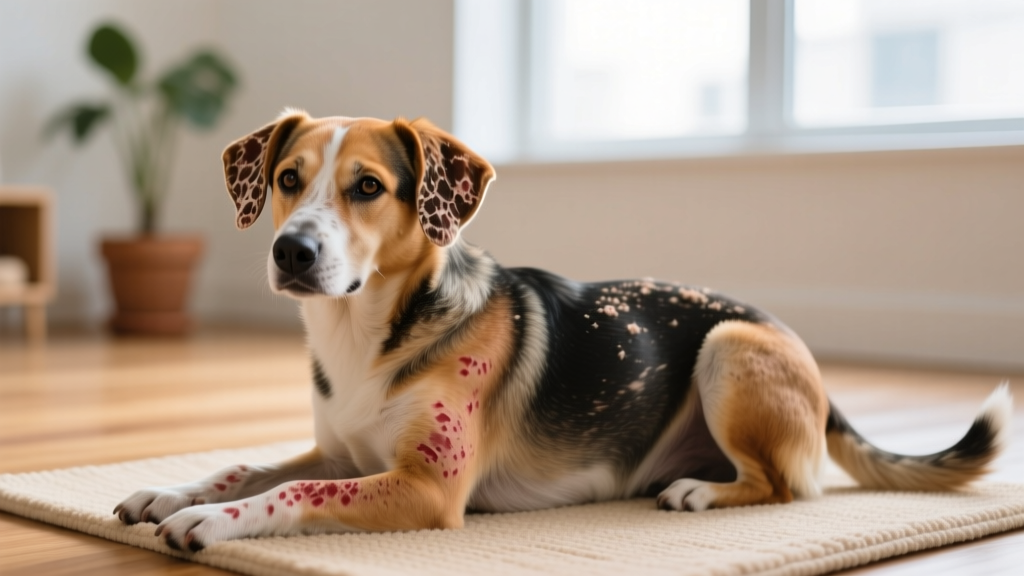
If your dog has flaky skin, a greasy coat, or an odor that won't quit no matter how often you bathe them, you may be dealing with seborrheic dermatitis in dogs — a chronic skin disorder caused by overactive sebaceous (oil-producing) glands and abnormal keratinization (skin cell turnover). According to the Merck Veterinary Manual, seborrhea affects dogs of all breeds but is especially prevalent in spaniels, retrievers, and terriers. It comes in two forms: seborrhea sicca (dry, flaky) and seborrhea oleosa (greasy, waxy), and many dogs exhibit both simultaneously. While primary (idiopathic) seborrhea is an inherited condition with no cure, secondary seborrhea — triggered by allergies, hormonal imbalances, or parasites — is often manageable once the underlying cause is identified. Either way, this is a condition that demands veterinary diagnosis and a structured, long-term care plan.
What Is Seborrheic Dermatitis in Dogs?
Seborrheic dermatitis is a keratinization disorder where the skin's natural renewal cycle accelerates abnormally. In a healthy dog, skin cells mature and shed over roughly 21–28 days. In a dog with seborrhea, this cycle can compress to as few as 7–10 days, causing immature skin cells to accumulate on the surface as scales, flakes, or greasy plaques. The sebaceous glands simultaneously overproduce sebum (skin oil), creating the characteristic waxy buildup and musty odor that owners often describe as "corn chip" or "stale cheese" smelling.
There are two distinct categories:
- Primary (idiopathic) seborrhea: An inherited genetic defect in keratinization. This form has no identifiable underlying cause and is a lifelong condition requiring continuous management. It typically appears in young dogs (under 2 years old) and progresses over time.
- Secondary seborrhea: A symptom of another condition — most commonly environmental or food allergies, hypothyroidism, Cushing's disease, parasitic infestations (Demodex, Cheyletiella, Sarcoptes), bacterial or yeast overgrowth (Malassezia), or autoimmune disorders. This form is more common and often resolves or improves significantly when the root cause is treated.
Secondary seborrhea is far more prevalent than primary seborrhea in general veterinary practice. A thorough diagnostic workup is essential because treating only the skin symptoms without addressing an underlying hormonal or allergic cause will lead to recurring flare-ups.
Symptoms of Seborrheic Dermatitis: Early Warning Signs vs. Advanced Stages
Seborrheic dermatitis symptoms range from mild cosmetic nuisance to severe, uncomfortable skin disease. Recognizing where your dog falls on this spectrum helps you communicate effectively with your vet and set realistic treatment expectations.
| Severity Level | Symptoms | Typical Onset Timeline |
|---|---|---|
| Early / Mild |
|
Develops gradually over 2–6 weeks |
| Moderate |
|
Progresses over 1–3 months without treatment |
| Advanced / Severe |
|
Can develop within 4–8 weeks of untreated moderate seborrhea |
A critical distinction: if your dog's seborrhea is accompanied by excessive thirst, increased urination, a pot-bellied appearance, or unexplained weight gain, these are not skin symptoms — they point to systemic conditions like Cushing's disease or hypothyroidism that require immediate veterinary evaluation.
Which Dog Breeds Are Most Prone to Seborrheic Dermatitis?
Primary seborrhea has a strong genetic component in these breeds:
- American Cocker Spaniel — most commonly cited breed for inherited seborrhea; often presents before 18 months of age
- English Springer Spaniel
- West Highland White Terrier
- Basset Hound
- Irish Setter
- German Shepherd
- Shar-Pei — exacerbated by deep skin folds
- Labrador Retriever and Golden Retriever
- Dachshund
Additional risk factors across all breeds:
- Age: Primary form appears in dogs under 2 years; secondary form more common in middle-aged to senior dogs (5–10+ years) as hormonal conditions emerge
- Weight: Obese dogs have deeper skin folds and reduced grooming ability, worsening seborrhea in groin and axillary areas
- Environment: Low humidity (winter heating, arid climates) worsens sicca form; high humidity worsens oleosa form and yeast overgrowth
- Allergies: Dogs with atopic dermatitis (environmental allergies) or food allergies are significantly more likely to develop secondary seborrhea
How Veterinarians Diagnose Seborrheic Dermatitis in Dogs
Because seborrhea can mimic or mask other conditions — including fungal infections, parasitic mange, and autoimmune skin diseases — your veterinarian will follow a systematic diagnostic process. Primary seborrhea is technically a diagnosis of exclusion, meaning your vet must rule out every secondary cause before confirming the idiopathic form.
Here is the typical diagnostic workflow you can expect:
- Complete physical examination and history — Your vet will assess coat quality, skin texture, odor, distribution of lesions, ear canals, and paw pads. Expect questions about diet, bathing frequency, flea/tick prevention, onset timeline, and any concurrent symptoms (thirst, appetite changes, lethargy). Cost: Included in exam fee ($50–$95).
- Skin cytology (tape prep or impression smear) — A quick in-clinic test where clear tape or a glass slide is pressed against affected skin and examined under a microscope. This reveals yeast (Malassezia), bacteria (Staphylococcus), and the type of skin cells present. Cost: $35–$75.
- Skin scraping — Rules out Demodex and Sarcoptes mites. The vet uses a dull blade to gently scrape the skin surface and examines the sample microscopically. Cost: $25–$50.
- Fungal culture or Wood's lamp exam — Rules out dermatophytosis (ringworm), which can mimic seborrheic scaling. Fungal cultures take 2–4 weeks for results. Cost: $30–$80.
- Blood work (CBC, chemistry panel, thyroid) — Essential for ruling out hypothyroidism and Cushing's disease (hyperadrenocorticism), two of the most common hormonal triggers of secondary seborrhea. A full thyroid panel (total T4, free T4, TSH) costs more than a basic T4 screen. Cost: $120–$350 depending on panel breadth.
- Advanced endocrine testing — If Cushing's is suspected based on initial blood work, your vet may recommend an ACTH stimulation test or low-dose dexamethasone suppression test. Cost: $150–$300 additional.
- Skin biopsy — Reserved for atypical, non-responsive, or severe cases. A punch biopsy under local anesthesia or sedation is sent to a veterinary dermatopathologist. This is the gold standard for confirming primary keratinization disorders and ruling out cutaneous lymphoma or pemphigus. Cost: $200–$500 including pathology fees.
- Allergy testing — If allergies are suspected as the underlying trigger, intradermal skin testing or serum IgE testing may be recommended, often by a veterinary dermatologist. Cost: $350–$800.
Total diagnostic cost range: $150–$400 for straightforward secondary seborrhea with a clear underlying cause; $600–$2,000+ for complex cases requiring endocrine workups, biopsies, and allergy panels.
Treatment Options: Medical, Supportive, and Home Management
Seborrheic dermatitis treatment falls into two parallel tracks: treating the underlying cause (for secondary seborrhea) and managing the skin symptoms directly (for both forms). Even when a root cause is identified and treated, the skin may take 4–8 weeks to normalize, and symptomatic treatment is necessary during that period.
| Treatment Category | Specific Options | How It Works | Typical Cost | Success Expectation |
|---|---|---|---|---|
| Medicated Shampoos | Ketoconazole, chlorhexidine, coal tar, salicylic acid, sulfur, benzoyl peroxide formulations (e.g., Douxo S3 Seb, Malaseb, Sebolytic) | Keratolytic agents break down excess scale; antifungal/antibacterial agents control secondary overgrowth | $18–$45 per bottle (8–16 oz); lasts 2–6 weeks depending on dog size | Core treatment for all cases; significant improvement in 3–4 weeks with consistent use |
| Topical Leave-On Products | Douxo S3 Seb mousse, chlorhexidine wipes, ceramide-based sprays (e.g., Dermoscent Essential 6 Spot-On) | Maintains skin barrier between baths; targets specific areas (ears, folds, paws) | $20–$55 per product; 2–4 week supply | Excellent adjunct to bathing; reduces bath frequency needs |
| Systemic Antifungals | Ketoconazole (5–10 mg/kg BID), itraconazole (5 mg/kg SID/BID), fluconazole | Controls severe or widespread Malassezia yeast overgrowth that topical therapy alone cannot resolve | $30–$90 for a 3–6 week course depending on dog weight and drug choice | Highly effective for yeast-driven seborrhea; liver values should be monitored with ketoconazole |
| Systemic Antibiotics | Cephalexin (22–30 mg/kg BID), amoxicillin-clavulanate, Convenia (cefovecin injection) | Treats secondary bacterial pyoderma complicating seborrheic lesions | $25–$80 for oral courses; $60–$150 per Convenia injection | Resolves pyoderma in 3–6 weeks; does not treat seborrhea itself |
| Essential Fatty Acid Supplements | Omega-3 (EPA/DHA from fish oil) and omega-6 (GLA from evening primrose or borage oil) supplements — e.g., Nordic Naturals Omega-3 Pet, Derm Caps | Modulates skin inflammation, supports ceramide production, improves coat quality from within | $15–$40 per month depending on dose and product | Moderate benefit; takes 8–12 weeks for visible coat improvement; best as long-term support |
| Systemic Retinoids | Isotretinoin (1–2 mg/kg SID) or acitretin — used for severe, refractory primary seborrhea | Normalizes keratinocyte differentiation at the cellular level | $80–$200+ per month; requires veterinary dermatologist oversight | Reserved for severe inherited cases; can produce dramatic improvement but requires lifelong use and monitoring (teratogenic, liver effects) |
| Underlying Cause Treatment | Thyroid hormone replacement (levothyroxine), trilostane for Cushing's, allergy immunotherapy (Apoquel, Cytopoint, allergy shots), parasite treatment | Eliminates the trigger driving secondary seborrhea | $20–$200+/month depending on condition | Secondary seborrhea often resolves substantially within 6–8 weeks of controlling the root cause |
Important: Never start systemic antifungals, antibiotics, or retinoids without veterinary guidance. Dosages must be calculated based on your dog's exact weight and health status. Your veterinarian will determine appropriate medications and monitoring protocols.
The Bathing Protocol That Actually Works for Seborrheic Dogs
Medicated bathing is the cornerstone of seborrhea management, but most owners do it wrong — either using the wrong shampoo, not leaving it on long enough, or bathing too infrequently. Here is a protocol based on veterinary dermatology recommendations:
- Pre-bath brushing: Gently brush to remove loose scale and debris. Use a slicker brush or grooming rake. This allows the shampoo to contact skin directly.
- First wash — cleansing shampoo: Use a mild, non-medicated shampoo to remove surface grease, dirt, and loose scale. Rinse thoroughly with lukewarm water (not hot — heat worsens inflammation).
- Second wash — medicated shampoo: Apply the prescribed medicated shampoo and lather into the skin, not just the coat. Focus on affected areas: ears, elbows, hocks, groin, axillae, and along the spine.
- Contact time — 10 to 15 minutes: This is non-negotiable. Medicated shampoos require extended skin contact to deliver active ingredients. Set a timer. Keep your dog occupied with treats or a lick mat during this period.
- Thorough rinse: Rinse until water runs completely clear. Residual shampoo causes irritation and defeats the purpose.
- Conditioner (if recommended): Some veterinary dermatologists recommend a ceramide-containing or moisturizing conditioner after medicated shampoos to restore the skin barrier, particularly for the sicca form. Ask your vet.
- Frequency: For active flare-ups, bathe every 3–7 days. For maintenance once controlled, every 1–3 weeks depending on severity. Over-bathing (daily) can strip the skin and worsen rebound oil production.
Pro tip: If your dog hates baths, invest in a handheld shower sprayer attachment ($15–$30 at any hardware store) and a non-slip bath mat. Many seborrheic dogs need lifelong bathing routines, so reducing stress around the process pays dividends.
Prognosis and Life Expectancy for Dogs with Seborrheic Dermatitis
The good news: seborrheic dermatitis is not a life-threatening condition on its own. Dogs with seborrhea can live full, normal lifespans. However, the prognosis for complete resolution depends heavily on whether the seborrhea is primary or secondary.
| Classification | Prognosis | Expected Timeline | Long-Term Management Needs |
|---|---|---|---|
| Secondary seborrhea — identified and treatable cause (e.g., hypothyroidism, parasites) | Good to excellent; often full resolution | Skin normalizes within 6–8 weeks of treating the underlying condition | Minimal once root cause is controlled; occasional flare-ups possible |
| Secondary seborrhea — chronic manageable cause (e.g., atopic dermatitis, food allergies) | Good with consistent management; periodic flare-ups expected | Improvement in 4–8 weeks; ongoing allergy management required indefinitely | Moderate; regular medicated bathing (every 2–4 weeks), allergy medications, dietary management |
| Primary (idiopathic) seborrhea — mild to moderate | Fair; controllable but not curable | Lifelong condition; symptoms managed with consistent bathing and supplements | High; medicated baths every 1–2 weeks indefinitely, fatty acid supplements, periodic vet visits for secondary infections |
| Primary seborrhea — severe/refractory | Guarded for quality of life without aggressive treatment | May require systemic retinoids or cyclosporine; response varies | Very high; specialist oversight, expensive medications, frequent monitoring blood work |
Dogs with well-managed seborrhea have normal life expectancies consistent with their breed. The condition does not affect internal organs or systemic health directly. However, chronic untreated secondary infections (deep pyoderma, Malassezia dermatitis) can cause significant discomfort, and rare cases of chronic severe ear infections can lead to aural hematomas or middle ear damage requiring surgery.
Cost Breakdown: What to Budget for Seborrheic Dermatitis Treatment
Seborrhea is a chronic condition, so costs accumulate over time. Here is a realistic budget framework based on typical US veterinary pricing in 2026:
- Initial diagnostic workup: $150–$400 (basic) to $600–$2,000+ (comprehensive with endocrine testing, biopsy, allergy panels)
- Medicated shampoos and topicals: $25–$75 per month ongoing
- Essential fatty acid supplements: $15–$40 per month ongoing
- Systemic medications (if needed): $30–$200+ per month depending on drug and dog size
- Treatment of secondary infections: $50–$150 per episode (exam + antibiotics or antifungals); severe cases may require $200–$500 with culture and sensitivity testing
- Veterinary dermatologist consultation (if referred): $200–$400 initial visit; follow-ups $120–$250 each
- Annual maintenance costs: $400–$1,500 per year for a dog with managed primary seborrhea; $200–$600 per year for well-controlled secondary seborrhea
- Worst-case scenario (severe refractory primary seborrhea with systemic retinoids, specialist care, recurrent infections): $2,000–$4,000+ per year
Budget tip: Pet insurance can offset diagnostic and medication costs if enrolled before symptoms appear. Most policies cover chronic skin conditions, but pre-existing condition exclusions apply. If your dog is a predisposed breed, consider enrolling during puppyhood.
Contact your vet promptly if your dog exhibits any of the following alongside seborrheic symptoms:
- Open sores, bleeding, or pus-filled lesions (indicates deep infection)
- Rapid hair loss spreading over days
- Excessive thirst and urination (possible Cushing's disease or diabetes)
- Lethargy, weight gain, or cold intolerance (possible hypothyroidism)
- Head shaking, ear scratching, or ear discharge (secondary otitis requiring treatment)
- Signs of pain — reluctance to be touched, flinching, yelping during grooming
- No improvement after 3–4 weeks of consistent medicated bathing
For suspected poisoning or toxic ingestion unrelated to seborrhea, contact the ASPCA Animal Poison Control Center at (888) 426-4435 (24/7, consultation fee applies).
Home Care and Prevention Strategies for Seborrheic Dogs
Whether your dog has primary or secondary seborrhea, these daily and weekly management practices make a measurable difference in symptom control and quality of life:
Nutrition
Feed a complete and balanced diet that meets AAFCO standards for your dog's life stage. Dogs with seborrhea benefit from diets with adequate levels of zinc, vitamin A, vitamin E, and essential fatty acids. If food allergies are suspected as a contributing factor, your vet may recommend a hydrolyzed protein diet (e.g., Hill's z/d, Royal Canin Hydrolyzed Protein) or a novel protein diet for an 8–12 week elimination trial. Do not start a homemade diet for a seborrheic dog without consulting a veterinary nutritionist — nutritional imbalances can worsen keratinization disorders.
Environmental Control
- Humidity management: Use a humidifier in dry winter months (target 40–50% indoor humidity) for sicca-type seborrhea. For oleosa-type, ensure good air circulation and avoid overly humid environments.
- Bedding hygiene: Wash your dog's bedding weekly in hot water (at least 130°F / 54°C) to reduce yeast and bacterial load. Consider antimicrobial bedding fabrics.
- Flea and tick prevention: Maintain year-round parasite prevention. Flea allergy dermatitis is a common trigger for secondary seborrhea flare-ups. Products like Bravecto, NexGard, or Simparica Trio provide reliable coverage.
Grooming Routine
- Brush your dog 2–3 times per week with an appropriate brush for their coat type. This distributes natural oils, removes loose scale, and allows you to monitor skin condition.
- Clean ear canals weekly with a veterinarian-recommended ear cleaner (e.g., Epi-Otic Advanced, TrizUltra). Seborrheic dogs are prone to ceruminous otitis.
- Trim hair around paw pads and in skin folds to reduce moisture trapping and microbial overgrowth.
- Avoid human shampoos, dish soap, or "natural" remedies like undiluted essential oils — these disrupt the skin's acid mantle and worsen seborrhea.
Monitoring
Keep a simple symptom journal: note bathing dates, shampoo used, any flare-ups, and ear condition. This data is invaluable for your vet to adjust the treatment protocol. Photograph affected areas monthly to track progress objectively.
Frequently Asked Questions About Seborrheic Dermatitis in Dogs
Can seborrheic dermatitis in dogs be cured?
Secondary seborrhea can often be fully resolved by treating the underlying cause (thyroid disease, parasites, etc.). Primary (idiopathic) seborrhea cannot be cured — it is a lifelong genetic condition — but it can be effectively managed with consistent medicated bathing, supplements, and periodic veterinary care. Most dogs with managed seborrhea live comfortable, happy lives.
Is seborrheic dermatitis contagious to other dogs or humans?
No. Seborrheic dermatitis itself is not contagious. However, if the seborrhea is secondary to a contagious condition like Sarcoptic mange or ringworm, that underlying condition can spread to other pets or (in the case of ringworm) to humans. This is another reason veterinary diagnosis is essential.
Can I use human anti-dandruff shampoo on my dog?
Not recommended. Human shampoos are formulated for a skin pH of approximately 5.5, while canine skin has a pH of 6.2–7.4. Using human products disrupts the acid mantle, potentially worsening seborrhea and increasing infection risk. Veterinary-formulated medicated shampoos like Douxo S3 Seb or Sebolytic are pH-balanced for canine skin and contain appropriate concentrations of active ingredients.
How long does it take to see improvement with treatment?
With consistent medicated bathing (every 3–7 days initially), most dogs show visible improvement in scaling and odor within 2–4 weeks. Full coat recovery and resolution of secondary infections may take 6–8 weeks. If no improvement is seen after 4 weeks of consistent treatment, your vet should re-evaluate for missed underlying causes.
Does diet affect seborrheic dermatitis?
Yes, indirectly. Nutritional deficiencies (particularly zinc, vitamin A, and essential fatty acids) can worsen keratinization. Food allergies can trigger secondary seborrhea. However, simply switching to a "better" commercial food rarely resolves seborrhea on its own — it must be part of a comprehensive treatment plan. Always look for an AAFCO statement of nutritional adequacy on any food you feed.
Should I see a veterinary dermatologist?
Consider a referral to a board-certified veterinary dermatologist (DACVD) if your dog's seborrhea does not respond to initial treatment, if the diagnosis is uncertain, if systemic retinoids or immunosuppressants are being considered, or if your dog has recurrent secondary infections that require culture-guided antibiotic therapy. Your primary veterinarian can provide a referral.
Disclaimer: This article provides educational information and should not replace professional veterinary advice. Always consult your veterinarian for diagnosis and treatment of your dog's skin conditions. Individual treatment plans should be developed with your vet based on your dog's specific health status, weight, and medical history.
Priya Sutaria
All our authors care for dogs every day — read more of their work on the authors page.


