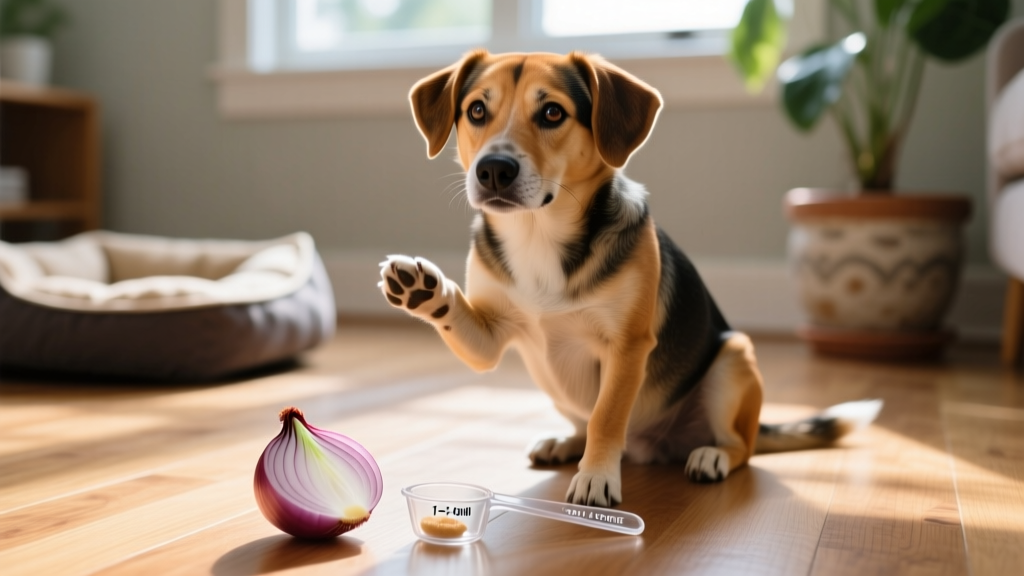
Managing Chronic Kidney Disease Through Nutrition
A complete guide to kidney diet for dogs with chronic kidney disease.

What Is Chronic Kidney Disease in Dogs and Why Diet Matters
Chronic kidney disease (CKD), also called chronic renal failure, is a progressive condition where the kidneys gradually lose their ability to filter waste products from the blood. According to the Merck Veterinary Manual, CKD affects an estimated 0.5% to 1.5% of the general dog population, rising to over 10% in dogs older than 15 years. The kidneys contain roughly 400,000 nephrons — tiny filtering units — and clinical signs typically appear only after 65% to 75% of nephron function is lost.
Once nephrons are destroyed, they do not regenerate. This makes CKD irreversible. However, a properly formulated kidney diet for dogs is one of the most powerful tools available to slow progression, manage symptoms, and improve quality of life. Studies published in the Journal of the American Veterinary Medical Association have demonstrated that dogs fed therapeutic renal diets live significantly longer — often doubling or tripling survival time compared to dogs on standard maintenance diets.
The primary causes of CKD in dogs include age-related degeneration, chronic infections (such as pyelonephritis), immune-mediated glomerulonephritis, congenital malformations, exposure to nephrotoxic substances (ethylene glycol, certain grapes/raisins, NSAIDs), and systemic diseases like leptospirosis or Lyme nephritis. In many cases, the underlying cause remains idiopathic — meaning the exact trigger is never identified.
Recognizing Kidney Disease: Symptoms Organized by Severity
Early detection dramatically changes the management trajectory. Because dogs compensate well for early kidney dysfunction, subtle signs are easy to miss. Use this checklist to monitor your dog across disease stages.
| Severity | Symptom | What to Watch For |
|---|---|---|
| Early (IRIS Stage 1–2) | Increased thirst (polydipsia) | Water bowl emptied more frequently; drinking from unusual sources |
| Increased urination (polyuria) | More frequent outdoor breaks; larger urine volume; accidents in house-trained dogs | |
| Mild weight loss | Gradual loss of 3–5% body weight over weeks | |
| Decreased appetite (intermittent) | Skipping meals occasionally; showing less enthusiasm for food | |
| Slightly dull coat | Less glossy fur; increased shedding | |
| Moderate (IRIS Stage 2–3) | Consistent appetite reduction | Regularly leaving food; weight loss of 5–10% |
| Vomiting (occasional) | 1–2 episodes per week, often in the morning on an empty stomach | |
| Lethargy | Reduced play drive; sleeping more than 14 hours/day | |
| Bad breath (uremic odor) | Ammonia-like or metallic smell from the mouth | |
| Muscle wasting | Visible spine/hip prominence; loss of topline muscle | |
| Mouth ulcers | Red or pale gums; reluctance to chew hard food | |
| Advanced (IRIS Stage 3–4) | Severe anorexia | Refusing all food for 24+ hours |
| Frequent vomiting | Multiple episodes daily; may contain blood | |
| Dehydration | Tacky gums; skin tent test positive; sunken eyes | |
| Weakness/collapse | Difficulty standing; wobbling gait; trembling | |
| Seizures or neurological signs | Disorientation; head pressing; seizure activity |
Risk Factors: Which Dogs Are Most Vulnerable?
- Age: Dogs over 7 years face exponentially higher risk; median age at diagnosis is approximately 9–11 years
- Breed predisposition: Certain breeds carry genetic susceptibility (see breed list below)
- Body size: Small-breed dogs live longer and therefore have higher lifetime incidence, though large breeds are not exempt
- Previous kidney insults: History of acute kidney injury, urinary tract infections, or nephrotoxic drug exposure
- Concurrent diseases: Cushing's disease, diabetes mellitus, hypercalcemia, and dental disease all increase CKD risk
- Environmental exposure: Access to antifreeze (ethylene glycol), toxic plants (lilies), grapes/raisins, or unregulated NSAIDs
Breeds with Higher CKD Predisposition
Certain breeds carry inherited renal conditions or show higher population-level rates of chronic kidney disease:
- Bull Terrier — Hereditary nephritis (autosomal dominant)
- Samoyed — Hereditary glomerulopathy (Samoyed hereditary nephritis)
- Cairn Terrier — Polycystic kidney disease
- German Shepherd — Familial renal disease; higher rates of glomerulonephritis
- English Cocker Spaniel — Familial nephropathy (autosomal recessive)
- Doberman Pinscher — Predisposition to chronic interstitial nephritis
- Shih Tzu — Renal dysplasia reported in breeding lines
- Lhasa Apso — Familial renal dysplasia
- Soft-Coated Wheaten Terrier — Protein-losing nephropathy (PLE/PLN syndrome)
- Bernese Mountain Dog — Familial glomerulonephritis
If your dog belongs to one of these breeds, annual blood work and urinalysis starting at age 5 is strongly recommended, even in the absence of symptoms.
How Is Kidney Disease Diagnosed? Tests, Costs, and What to Expect
Diagnosis requires a combination of blood work, urinalysis, and often imaging. Your veterinarian will piece together these results to stage the disease using the IRIS (International Renal Interest Society) staging system, which is the global standard for canine CKD classification.
- Initial Exam & History — Vet reviews symptoms, water intake, medication history, and performs physical exam (palpating kidneys, checking hydration, assessing body condition score). Cost: $60–$120
- Complete Blood Count (CBC) & Chemistry Panel — Measures blood urea nitrogen (BUN), creatinine, symmetric dimethylarginine (SDMA), phosphorus, potassium, calcium, and packed cell volume (PCV). SDMA can detect kidney dysfunction when only 25%–40% of function is lost, far earlier than creatinine alone. Cost: $150–$300
- Complete Urinalysis — Evaluates urine specific gravity (USG), protein levels, sediment, and pH. A USG below 1.030 in dogs indicates inadequate concentrating ability. Urine protein:creatinine ratio (UPC) quantifies protein loss. Cost: $50–$100
- Blood Pressure Measurement — Systemic hypertension is both a cause and consequence of CKD. Systolic pressure above 160 mmHg warrants treatment. Cost: $40–$80
- Abdominal Ultrasound or X-ray — Assesses kidney size, shape, and architecture. Small, irregular kidneys suggest chronic disease. Rules out obstruction, stones, or tumors. Cost: $300–$600 (ultrasound); $150–$300 (X-ray)
- Advanced Testing (if needed) — Kidney biopsy ($800–$1,500) for definitive diagnosis of glomerular disease; leptospirosis titers ($80–$150) if infectious cause suspected; ethylene glycol test (emergency, $100–$200). Note: biopsy is rarely performed in advanced CKD due to bleeding risk.
Total initial diagnostic cost range: $650–$1,500 for a comprehensive workup. Follow-up panels every 3–6 months typically cost $150–$350 each.
IRIS Staging and Prognosis: What Each Stage Means for Your Dog
The IRIS system stages CKD from 1 to 4 based on fasting blood creatinine and SDMA levels, with substaging for proteinuria and hypertension. Prognosis varies dramatically by stage at diagnosis.
| IRIS Stage | Creatinine (mg/dL) | SDMA (μg/dL) | Clinical Picture | Median Survival Time* |
|---|---|---|---|---|
| Stage 1 | < 1.4 | < 18 | Kidney damage present but function near-normal; no clinical signs or very mild | Often 2+ years; may never progress |
| Stage 2 | 1.4 – 2.0 | 18 – 25 | Mild azotemia; increased thirst/urination; subtle appetite changes | Approximately 400–600 days (some studies show longer with dietary management) |
| Stage 3 | 2.1 – 5.0 | 26 – 38 | Moderate azotemia; weight loss, vomiting, lethargy more apparent | Approximately 150–300 days with treatment |
| Stage 4 | > 5.0 | > 38 | Severe azotemia; anorexia, dehydration, uremic crisis, potential neurological signs | Approximately 14–80 days; quality of life focus |
*Survival times are median estimates from peer-reviewed studies and vary significantly based on individual factors, concurrent diseases, and treatment adherence. Some dogs exceed these ranges substantially, particularly when a therapeutic kidney diet is introduced early.
Treatment Options: Medical, Nutritional, and Supportive Care
Chronic kidney disease cannot be cured. However, a multi-modal treatment approach — anchored by a properly formulated kidney diet for dogs — can slow progression, reduce symptoms, and meaningfully extend both lifespan and quality of life.
| Treatment | Purpose | Typical Cost | Success/Impact |
|---|---|---|---|
| Therapeutic renal diet | Reduce phosphorus, moderate high-quality protein, supplement omega-3s, alkalinize blood | $45–$90/month (prescription diets) | Strongest single intervention; studies show 2–3× longer survival vs. maintenance diet |
| Phosphate binders (aluminum hydroxide, chitosan-based) | Bind dietary phosphorus when diet alone is insufficient | $15–$40/month | Reduces secondary hyperparathyroidism; slows progression in Stage 3–4 |
| Subcutaneous fluids | Maintain hydration; flush uremic toxins | $30–$60/month (supplies); $50–$100 per vet-administered session | Significant quality-of-life improvement in Stage 3–4; many owners learn home administration |
| Antihypertensives (amlodipine, benazepril, telmisartan) | Control systemic hypertension; reduce proteinuria | $20–$60/month | Reduces risk of hypertensive crises (retinal detachment, stroke); protects remaining nephrons |
| Anti-nausea medications (maropitant/Cerenia, ondansetron) | Control vomiting and nausea to maintain appetite | $30–$80/month | Directly improves food intake and owner-assessed quality of life |
| Appetite stimulants (mirtazapine, capromorelin/Entyce) | Encourage eating in anorexic patients | $25–$70/month | Effective short-term; capromorelin shows promise for longer-term use |
| Erythropoiesis-stimulating agents (darbepoetin) | Treat non-regenerative anemia in advanced CKD | $100–$300/month | Improves energy and quality of life when PCV drops below 20% |
| Omega-3 fatty acid supplementation (fish oil, EPA/DHA) | Reduce renal inflammation; slow glomerular damage | $15–$35/month | Modest but measurable benefit; often already included in renal diets |
The Central Role of a Kidney Diet for Dogs
Nutritional management is not an add-on to CKD treatment — it is the foundation. Therapeutic renal diets differ from standard dog food in several specific ways:
- Restricted phosphorus: Typically 0.3%–0.6% on a dry matter basis (DM), compared to 1.0%–2.0% in maintenance diets. Elevated phosphorus accelerates nephron loss and triggers secondary hyperparathyroidism.
- Moderate, high-quality protein: Roughly 14%–20% DM (vs. 22%–30% in standard adult food). The goal is not protein restriction per se, but providing enough high-biological-value protein to prevent muscle wasting while minimizing nitrogenous waste products the kidneys must excrete.
- Increased omega-3 fatty acids: EPA and DHA at levels designed to reduce glomerular inflammation.
- Sodium restriction: Moderate sodium reduction to help manage hypertension.
- Alkalinizing buffers: Potassium citrate or similar compounds to counter metabolic acidosis, a common CKD complication that accelerates muscle breakdown.
- Increased B-vitamin supplementation: Water-soluble vitamins are lost through increased urination and must be replenished.
- Higher caloric density: CKD dogs often eat less volume, so each bite must deliver more energy. Renal diets are typically 400–500 kcal/cup versus 350–400 in maintenance formulas.
Major veterinary-prescribed renal diet brands include Hill's Prescription Diet k/d, Royal Canin Veterinary Diet Renal Support (available in multiple flavor profiles — T, D, A, E, and more — to address palatability challenges), Purina Pro Plan Veterinary Diets NF Kidney Function, and Blue Buffalo Natural Veterinary Diet Kidney Support. All require a veterinary prescription because their nutrient profiles are designed for a specific medical condition and are not appropriate for healthy dogs.
What If My Dog Won't Eat the Renal Diet?
Palatability is the single biggest challenge with therapeutic kidney diets. CKD itself causes nausea and appetite suppression, and the lower protein content can make renal diets less appealing. Strategies that work in practice:
- Warm the food to body temperature (approximately 101°F / 38.3°C) to enhance aroma
- Offer multiple flavor profiles — Royal Canin's Renal Support line offers over 5 variants specifically for this reason
- Transition gradually over 7–14 days, mixing increasing amounts of new food with old
- Add low-sodium broth or a small amount of water to create a "gravy"
- Feed smaller, more frequent meals — 3 to 4 times daily rather than twice
- Consider a veterinary nutritionist-formulated homemade renal diet if commercial options are consistently refused. This requires working with a board-certified veterinary nutritionist (ACVN diplomate) to ensure completeness. Expect formulation costs of $200–$500 for a custom recipe.
Home Care and Daily Management for Dogs with CKD
Managing CKD at home is a daily commitment, but most owners develop a manageable routine within a few weeks. Here is what consistent home care looks like:
Daily Requirements
- Fresh water access at all times. Never restrict water — even if urination seems excessive. Dehydration is far more dangerous than inconvenience. Consider a pet water fountain to encourage drinking.
- Feed the prescribed renal diet consistently. Measure portions by weight (grams), not volume, for accuracy. Follow your vet's caloric recommendation based on your dog's ideal (not current) body weight.
- Administer all medications on schedule. Set phone alarms. Phosphate binders must be given with meals to work.
- Monitor water intake. Track how many bowls your dog drinks per day or measure in milliliters. A sudden increase or decrease is clinically significant.
- Observe appetite and behavior. Keep a simple daily log noting food consumed (percentage), energy level (1–5 scale), vomiting episodes, and any unusual behavior.
Weekly and Monthly Monitoring
- Weekly weigh-ins using the same scale, same time of day. Weight loss of more than 2% per week warrants a vet call.
- Monthly blood pressure checks if your dog is hypertensive (some vets provide home blood pressure monitoring training, though this is uncommon).
- Subcutaneous fluid administration as prescribed — typically 100–500 mL per session, given every 1–3 days in Stage 3–4. Supplies cost approximately $30–$50/month and most owners become proficient within 2–3 sessions.
Environmental and Lifestyle Adjustments
- Provide easy outdoor access for increased urination — consider a dog door or more frequent walks
- Use non-slip rugs on hard floors if muscle weakness is present
- Maintain regular but gentle exercise — short, low-intensity walks help preserve muscle mass without overtaxing the system
- Eliminate access to nephrotoxic substances: store antifreeze securely, keep grapes/raisins out of reach, and never administer over-the-counter NSAIDs (ibuprofen, naproxen) without explicit veterinary direction
Cost of Managing Kidney Disease in Dogs
CKD is a chronic condition requiring ongoing financial commitment. Costs vary by stage, region, and how aggressively the disease is managed.
| Expense Category | Stage 1–2 (Annual) | Stage 3–4 (Annual) |
|---|---|---|
| Diagnostic workup (initial) | $650–$1,500 (one-time) | $650–$1,500 (one-time) |
| Follow-up blood work and urinalysis | $300–$700 (2× per year) | $600–$1,400 (4× per year) |
| Prescription renal diet | $540–$1,080 | $540–$1,080 |
| Medications (phosphate binders, antihypertensives, anti-nausea) | $240–$720 | $600–$2,400 |
| Subcutaneous fluids (supplies) | $0–$120 | $360–$720 |
| Emergency/uremic crisis hospitalization | Unlikely | $1,500–$5,000 per event (IV fluids, monitoring) |
| Estimated annual total | $1,730–$4,120 | $4,100–$12,100 |
Pet insurance can offset some of these costs if the policy was purchased before CKD diagnosis. Pre-existing conditions are excluded by all major insurers. If your dog is young and healthy, purchasing insurance now — before any renal diagnosis — is one of the most financially prudent decisions you can make. Comprehensive policies from providers like Trupanion, Healthy Paws, or Nationwide typically reimburse 70%–90% of eligible veterinary costs after deductible.
Prevention Strategies: Reducing Kidney Disease Risk
While age-related CKD cannot be entirely prevented, several strategies reduce risk and support earlier detection:
- Annual wellness blood work starting at age 5 (or age 3 for predisposed breeds). Request SDMA testing — it detects dysfunction earlier than creatinine alone.
- Aggressive dental care. Chronic periodontal disease is associated with increased CKD risk. Daily tooth brushing and professional cleanings under anesthesia when recommended by your vet reduce bacterial burden on the kidneys.
- Avoid nephrotoxic exposure. Keep antifreeze (ethylene glycol) in sealed containers — even a tablespoon can be fatal to a small dog. Never give human NSAIDs (ibuprofen, naproxen, aspirin) without veterinary direction. Keep grapes and raisins completely out of reach.
- Maintain hydration. Encourage water intake with fountains, broth additions, or canned food toppers. Chronic mild dehydration stresses the kidneys over time.
- Manage concurrent conditions proactively. Well-controlled diabetes, Cushing's disease, and hypertension all reduce secondary kidney damage.
- Vaccinate against leptospirosis. This bacterial infection is a known cause of acute kidney injury that can transition to chronic disease. The AKC recommends leptospirosis vaccination for dogs with outdoor exposure in endemic areas.
Contact your veterinarian or an emergency clinic right away if your dog exhibits any of the following:
- Complete refusal to eat for more than 24 hours
- Repeated vomiting (3+ episodes in 12 hours) or vomiting blood
- Sudden collapse, inability to stand, or seizures
- Signs of severe dehydration: tacky or dry gums, skin that stays "tented" when gently pinched, sunken eyes
- Dramatic change in urination — sudden inability to urinate (possible obstruction) or a sudden massive increase in volume
- Known or suspected ingestion of antifreeze, grapes/raisins, or human NSAIDs — call ASPCA Animal Poison Control at (888) 426-4435 (24/7, consultation fee applies) immediately
Do not wait for a scheduled appointment. Acute kidney injury can develop within hours of toxin exposure, and aggressive IV fluid therapy within the first 12–24 hours significantly improves outcomes.
Frequently Asked Questions
Can kidney disease in dogs be cured?
No. Chronic kidney disease is irreversible because destroyed nephrons do not regenerate. However, with early detection and a comprehensive management plan — especially a therapeutic kidney diet — many dogs live months to years beyond diagnosis with good quality of life. Acute kidney injury (AKI), which is different from CKD, can sometimes be partially reversed if treated aggressively within hours of the insult.
What is the life expectancy of a dog with kidney disease?
Life expectancy depends heavily on the IRIS stage at diagnosis. Dogs caught in Stage 1 or 2 may live 2 or more years with dietary management. Stage 3 dogs typically survive 5–10 months with treatment, though some exceed this. Stage 4 carries a prognosis of weeks to a few months. These are median estimates — individual outcomes vary based on the underlying cause, concurrent diseases, and how consistently the treatment plan is followed.
Can I feed my dog a homemade kidney diet instead of a prescription food?
Yes, but only under the direct supervision of a board-certified veterinary nutritionist. A homemade renal diet must be precisely balanced for phosphorus, protein quality, calcium, potassium, B-vitamins, and caloric density. Improperly formulated homemade diets can accelerate kidney damage or cause dangerous nutrient deficiencies. Expect to pay $200–$500 for a custom formulation, plus ongoing ingredient costs. Never rely on internet recipes for a medical diet.
Is a kidney diet for dogs safe for my other healthy dog to eat?
No. Therapeutic renal diets are formulated for dogs with compromised kidney function and are nutritionally inappropriate for healthy dogs long-term. The restricted protein and modified mineral content can cause deficiencies in a healthy animal. If you have a multi-dog household, feed the CKD dog separately and ensure the healthy dog does not have access to the renal diet.
How quickly will I see improvement after starting a kidney diet?
Most owners notice improvement in appetite, energy, and overall demeanor within 2–4 weeks of consistent renal diet feeding. Blood work improvements (reduced BUN, stabilized creatinine, improved phosphorus) are typically visible at the first recheck, usually 4–8 weeks after dietary transition. The diet does not reverse damage — it slows further progression and reduces the uremic toxin burden that causes symptoms.
Which breeds are most prone to kidney disease?
Breeds with documented hereditary renal conditions include Bull Terriers, Samoyeds, Cairn Terriers, English Cocker Spaniels, German Shepherds, Doberman Pinschers, Shih Tzus, Lhasa Apsos, Soft-Coated Wheaten Terriers, and Bernese Mountain Dogs. However, any breed can develop CKD, and mixed-breed dogs are not exempt — age remains the single strongest risk factor across all breeds.
Should I give my CKD dog supplements in addition to the renal diet?
Possibly, but only with veterinary approval. Common beneficial supplements include omega-3 fish oil (EPA/DHA for anti-inflammatory support), probiotics formulated for renal support (such as Azodyl, which aims to reduce uremic toxins via enteric dialysis — though evidence is mixed), and B-complex vitamins to replace water-soluble vitamins lost through polyuria. Avoid calcium supplements unless specifically prescribed, as they can worsen mineral imbalances. Always discuss any supplement with your veterinarian before adding it to the treatment plan.
Aaron Whyte
All our authors care for dogs every day — read more of their work on the authors page.