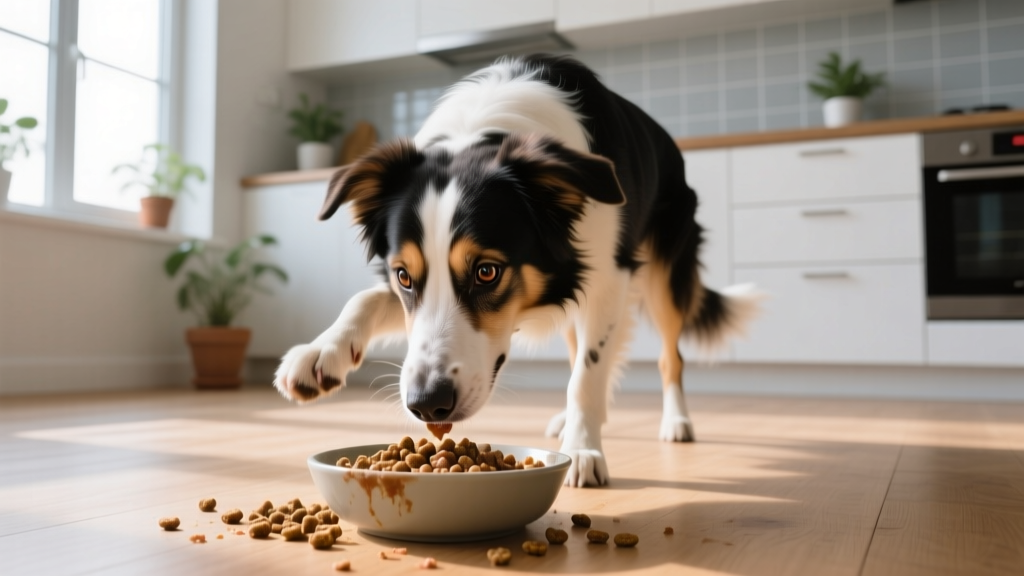
Is Olive Oil Safe for Dogs? Benefits, Serving Sizes & Risks
Is olive oil safe for dogs? Yes, with proper dosing. Learn exact serving sizes by weight, nutritional benefits, risks, and when to avoid it.

Can Dogs Eat Olive Oil? The Quick Verdict
Olive oil is safe for most healthy adult dogs when given in small, weight-appropriate doses. Extra virgin olive oil (EVOO) is the preferred type due to its higher concentration of monounsaturated fats and antioxidants. However, olive oil is calorie-dense (approximately 119 calories and 13.5g of fat per tablespoon), and overfeeding can cause gastrointestinal upset, pancreatitis flare-ups, or unwanted weight gain. Always start with a fraction of the recommended dose and monitor your dog for 24–48 hours before increasing.
If you've ever drizzled olive oil over your own salad and wondered whether a splash in your dog's bowl could help their dry skin or dull coat, you're not alone. Many veterinarians and canine nutritionists acknowledge olive oil as a beneficial supplemental fat — but the key word is supplemental. It should never replace a complete and balanced diet, and the serving size matters far more than most owners realize.
How Much Olive Oil Can I Give My Dog?
The general guideline recommended by veterinary nutritionists is approximately 1 teaspoon per 20 pounds of body weight per day, though many dogs do well with half that amount, especially when first introducing it. Here's a precise breakdown:
| Dog Weight Class | Weight Range | Starting Dose | Maximum Daily Dose | Calories Added |
|---|---|---|---|---|
| Toy / Small | 5–20 lb (2–9 kg) | ¼ teaspoon | ½–1 teaspoon | 10–40 kcal |
| Medium | 21–50 lb (10–23 kg) | ½ teaspoon | 1–2 teaspoons | 20–80 kcal |
| Large | 51–90 lb (23–41 kg) | 1 teaspoon | 1 tablespoon | 40–119 kcal |
| Giant | 91+ lb (41+ kg) | 1 teaspoon | 1–1½ tablespoons | 40–179 kcal |
Important: These amounts represent the total supplemental fat from olive oil. If you're already feeding fish oil, coconut oil, or a high-fat diet, you need to reduce or eliminate olive oil to avoid exceeding your dog's daily fat tolerance. According to the Merck Veterinary Manual, excessive dietary fat is a primary trigger for pancreatitis in predisposed dogs.
Is Olive Oil Good for Dogs Nutritionally?
Extra virgin olive oil contains several compounds that can benefit canine health when used appropriately. Here's what's actually in one tablespoon (15 mL) of EVOO, based on USDA nutritional data:
| Nutrient | Amount per 1 Tbsp | Canine Relevance |
|---|---|---|
| Total Fat | 13.5 g | Energy-dense; supports fat-soluble vitamin absorption |
| Monounsaturated Fat (oleic acid) | 9.9 g | Anti-inflammatory; supports skin barrier and coat shine |
| Vitamin E (alpha-tocopherol) | 1.9 mg (13% human DV) | Antioxidant; protects cell membranes from oxidative damage |
| Vitamin K | 8.1 mcg (10% human DV) | Supports normal blood clotting |
| Polyphenols (oleocanthal, oleuropein) | Trace (varies by brand) | Anti-inflammatory properties; limited canine-specific studies |
| Omega-6 Fatty Acids | 1,318 mg | Essential fatty acid; skin and coat health |
| Omega-3 Fatty Acids | 102 mg | Low ratio compared to fish oil; modest anti-inflammatory effect |
What the evidence supports:
- Skin and coat improvement: The monounsaturated fats and vitamin E in olive oil can improve skin hydration and coat luster in dogs with mild dryness. Many owners report visible improvement within 4–6 weeks of consistent supplementation.
- Antioxidant support: Polyphenols in EVOO have demonstrated anti-inflammatory effects in human studies, though canine-specific clinical trials remain limited. The vitamin E content is well-documented as beneficial for dogs.
- Digestive lubrication: Small amounts of olive oil can help with mild constipation by lubricating the digestive tract — a technique some veterinarians recommend before resorting to laxatives.
What olive oil does NOT do: It is not a substitute for omega-3-rich fish oil when the goal is reducing systemic inflammation. Olive oil's omega-3 content is minimal compared to salmon oil or sardine oil. If your dog has allergies, arthritis, or inflammatory bowel disease, fish oil (providcing EPA and DHA) is the evidence-backed choice.
How Should I Prepare Olive Oil for My Dog?
- Choose extra virgin olive oil (EVOO). EVOO is cold-pressed and retains more polyphenols and vitamin E than refined or "light" olive oil. Avoid flavored or infused olive oils — garlic-infused oil is toxic to dogs, and onion-infused oil damages red blood cells.
- Do not heat or cook with it for your dog. Heating olive oil above its smoke point (around 375°F / 190°C for EVOO) degrades beneficial polyphenols and can create harmful lipid peroxides. Add it raw, directly to your dog's food after cooking.
- Measure precisely. Use an actual measuring spoon — not a free-pour from the bottle. The difference between a teaspoon and a tablespoon is 3x the calories and 3x the fat, which can easily trigger diarrhea in a small dog.
- Mix thoroughly into food. Drizzle the measured oil over kibble or homemade food and stir. Some dogs will lick oil off the surface and leave the food underneath, which means they get a fat bolus without balanced nutrition.
- Store properly. Keep olive oil in a dark, cool place. Rancid oil (which smells waxy or like crayons) has oxidized fats that can be harmful. Most EVOO bottles should be used within 6 months of opening.
How to Introduce Olive Oil Safely
Start with one-quarter of the recommended dose for your dog's weight class. For a 30-pound dog, that means roughly ⅛ teaspoon on day one. Mix it into their regular meal and observe for the next 24–48 hours.
What to watch for during the introduction period:
- Loose stools or diarrhea (most common sign of too much fat too fast)
- Decreased appetite or food refusal
- Vomiting within 2–4 hours of eating
- Increased flatulence
- Lethargy or signs of abdominal discomfort (hunched posture, restlessness)
If none of these appear after 48 hours, increase to half the recommended dose for another 2–3 days, then move to the full dose if tolerated. This gradual approach is especially important for dogs who have never had supplemental fat before.
What Happens If My Dog Eats Too Much Olive Oil?
The most immediate consequence of excessive olive oil is gastrointestinal distress — typically diarrhea, vomiting, or both, appearing within 2–8 hours of ingestion. Because olive oil is 100% fat, a large dose overwhelms the pancreas and small intestine's ability to emulsify and absorb it, resulting in steatorrhea (greasy, foul-smelling stools).
More serious risks from chronic overfeeding or a single large dose:
- Pancreatitis: This is the most dangerous acute risk. Dogs with a history of pancreatitis, or breeds predisposed to it (Miniature Schnauzers, Yorkshire Terriers, Cocker Spaniels), can develop a life-threatening pancreatic inflammation from a sudden fat load. Symptoms include severe vomiting, abdominal pain, dehydration, and fever.
- Weight gain: One tablespoon of olive oil contains roughly 119 calories. For a 20-pound dog whose daily caloric needs are approximately 500–600 kcal, a single tablespoon represents nearly 20–25% of their daily intake. Over weeks, this leads to significant weight gain if not accounted for.
- Nutrient imbalance: Excess fat can interfere with absorption of certain nutrients and displace protein and fiber in the diet, potentially leading to deficiencies over time.
- Repeated vomiting (more than 2 episodes in 12 hours)
- Bloody or greasy diarrhea
- Abdominal pain (whining when touched, "prayer position" stretching)
- Lethargy lasting more than 12 hours
- Refusal to eat or drink for 24 hours
- Signs of dehydration (tacky gums, skin tenting)
For accidental ingestion of a large quantity (e.g., your dog knocked over and drank from the bottle), contact the ASPCA Animal Poison Control Center at (888) 426-4435 (24/7, consultation fee applies) or the Pet Poison Helpline at (855) 764-7661.
Which Dogs Should NOT Have Olive Oil?
While olive oil is safe for most healthy adult dogs, several categories of dogs should avoid it entirely or only use it under direct veterinary supervision:
- Dogs with current or past pancreatitis: Any added fat increases the risk of a recurrence. Even small amounts can trigger a flare-up in sensitive individuals.
- Dogs with gallbladder disease or bile duct obstruction: Fat digestion requires bile; compromised gallbladder function means the dog cannot process supplemental fat properly.
- Overweight or obese dogs (Body Condition Score 7–9/9): Adding calorie-dense oil to an already excessive diet works against weight management goals. Address weight loss first.
- Puppies under 6 months: Their digestive systems are still developing, and their diets should be precisely formulated for growth. Supplemental fats can throw off the calcium-to-phosphorus ratio and other critical nutrient balances in puppy food.
- Dogs on prescription low-fat diets: If your vet has prescribed a gastrointestinal low-fat diet (such as Hill's Prescription Diet i/d Low Fat or Royal Canin Gastrointestinal Low Fat), adding olive oil directly contradicts the therapeutic purpose.
- Dogs with fat malabsorption disorders: Conditions like exocrine pancreatic insufficiency (EPI) or lymphangiectasia require carefully managed fat intake under veterinary guidance.
Always consult your veterinarian before adding any supplement to your dog's diet, especially if they have a chronic health condition or take medications. Your vet can assess whether olive oil complements or conflicts with your dog's current nutritional plan.
Related Foods and Oils: What's Safe and What Isn't
| Oil / Food | Safe for Dogs? | Notes |
|---|---|---|
| Extra Virgin Olive Oil | ✅ Yes (dosed properly) | Best choice among plant oils for supplemental use |
| Coconut Oil | ✅ Yes (caution — high saturated fat) | Can raise cholesterol in some dogs; similar calorie density |
| Fish Oil (salmon, sardine) | ✅ Yes (preferred for omega-3) | Better evidence for anti-inflammatory benefits; choose triglyceride form |
| Garlic-Infused Olive Oil | ❌ Toxic | Garlic damages canine red blood cells; can cause hemolytic anemia |
| Onion-Infused Olive Oil | ❌ Toxic | Allium species (onion, garlic, leek, chive) are toxic to dogs in all forms |
| Vegetable Oil (generic blend) | ⚠️ Not recommended | High omega-6 to omega-3 ratio may promote inflammation |
| Flaxseed Oil | ✅ Yes (limited canine conversion) | Contains ALA omega-3, but dogs convert ALA to EPA/DHA poorly |
| Avocado Oil | ✅ Yes (dosed properly) | Similar fat profile to olive oil; avoid avocado flesh/skin/pit (persin risk) |
| Essential Oils (tea tree, eucalyptus, etc.) | ❌ Toxic | Concentrated essential oils are NOT food oils — many are toxic even topically |
Frequently Asked Questions
Can I put olive oil on my dog's food every day?
For most healthy adult dogs, a daily dose within the weight-appropriate range is fine and can support coat and skin health. However, you should factor the added calories into your dog's daily intake to prevent weight gain, and periodically reassess whether the supplement is still needed. If your dog's coat and skin improve, you may be able to reduce the frequency to every other day or a few times per week for maintenance.
Will olive oil help my dog's itchy skin?
It may help mildly. The vitamin E and monounsaturated fats in olive oil can improve skin barrier function and hydration. However, if your dog's itching is caused by allergies (environmental or food), parasites, or a bacterial/fungal infection, olive oil will not address the root cause. For allergy-related skin inflammation, omega-3 fatty acids from fish oil have stronger clinical evidence. See your veterinarian if itching persists beyond 2 weeks.
Is olive oil good for dogs with constipation?
A small amount of olive oil (within the recommended dose) can act as a mild lubricant for the digestive tract and may help move things along in cases of mild, temporary constipation. However, if your dog hasn't had a bowel movement in 48+ hours, is straining painfully, or has a hard/distended abdomen, do not attempt home treatment — this could indicate a blockage that requires veterinary attention.
Can puppies have olive oil?
Generally, no. Puppies under 6 months should receive their nutrition exclusively from a complete-and-balanced puppy diet formulated to AAFCO growth standards. Adding supplemental fats can disrupt the precise nutrient ratios needed for proper skeletal and organ development. After 6 months, consult your veterinarian before introducing any supplement.
Does the brand of olive oil matter for dogs?
Yes, to a degree. Choose a reputable brand of extra virgin olive oil that is 100% pure EVOO — some cheaper brands have been found to be diluted with refined seed oils. Look for oils in dark glass bottles (which protect against light oxidation), a harvest date on the label, and certification seals from organizations like the International Olive Council (IOC) or the California Olive Oil Council (COOC). You don't need the most expensive artisan oil, but avoid the cheapest bulk options where adulteration is more common.
Can I use olive oil as a topical treatment for my dog's skin?
Some owners apply small amounts of olive oil topically to dry patches or paw pads. While this is generally safe and can provide temporary moisturization, dogs tend to lick it off, which means they're ingesting an unmeasured amount. For topical skin care, veterinary-formulated products containing ceramides or colloidal oatmeal are more effective and designed for canine skin pH (which differs from human skin). If you do apply olive oil topically, use a very small amount and distract your dog for 10–15 minutes to allow some absorption.
Olive oil can be a simple, affordable addition to your dog's diet when used thoughtfully. The key takeaways: measure precisely, start slow, choose EVOO, account for the added calories, and always check with your veterinarian if your dog has any health conditions. It's not a miracle cure, but for many dogs, a small daily drizzle makes a noticeable difference in coat quality and overall vitality.
Robin Maitland
All our authors care for dogs every day — read more of their work on the authors page.