Do Dogs Have Memories of the Food That Made Them Sick? A Safety Guide
Do dogs have memories of food that made them sick? Learn how canine taste aversion works and how to safely introduce new human foods to your dog.
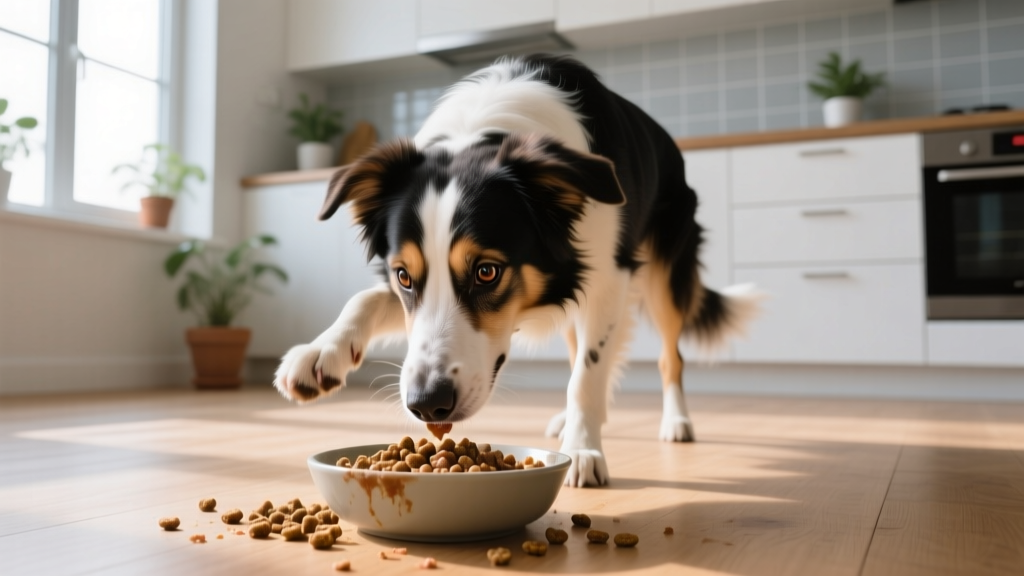
You've probably watched your dog inhale a dropped piece of cheese, then refuse that same food weeks later for no obvious reason. It raises a surprisingly complex question: do dogs have memories of what they eat, particularly foods that made them feel unwell?
The short answer is yes — dogs possess associative memory systems that can create lasting food aversions after a single negative experience. Understanding this cognitive ability is essential when introducing safe human foods, because how you introduce a new food can determine whether your dog accepts it long-term or develops a stubborn refusal pattern.
This guide covers one of the safest, most versatile human foods you can share with your dog — plain, cooked sweet potato — while explaining the memory science behind food acceptance and aversion in canines.
Plain, cooked sweet potato (no skin, no seasoning, no added sugar or butter) is safe and nutritious for most dogs. Serve in weight-appropriate portions. Raw sweet potato is a choking and intestinal blockage hazard. Always consult your veterinarian before introducing new foods to dogs with diabetes or weight management needs.
Do Dogs Have Memories That Affect Food Acceptance?
Research in canine cognition confirms that dogs form episodic-like memories — they can recall specific events, including what they ate and how they felt afterward. A 2016 study published in Current Biology demonstrated that dogs can remember and imitate human actions after delays of up to 24 hours, confirming a memory capacity far beyond simple conditioning.
When it comes to food specifically, dogs exhibit conditioned taste aversion (CTA) — a survival mechanism shared across mammals. If your dog eats something and then experiences nausea, vomiting, or diarrhea within the next few hours, their brain creates a powerful associative memory linking that food's taste and smell to illness. This aversion can persist for months or even permanently after a single incident.
This is why the introduction protocol matters enormously. If you feed your dog a large portion of sweet potato for the first time and it causes gastrointestinal upset (not from toxicity, but from the sudden dietary change), your dog may refuse sweet potato — and sometimes similar-textured foods — indefinitely.
Key Insight: Dogs don't just remember what they ate — they remember how they felt afterward. A single episode of digestive upset can create a lasting food aversion, which is why gradual introduction protocols are non-negotiable.
Safe Serving Sizes for Sweet Potato by Dog Weight
Sweet potato is calorie-dense compared to most vegetables — approximately 86 calories per 100 grams (cooked, mashed, no additives). Treats and supplemental foods should never exceed 10% of your dog's daily caloric intake, per AKC nutritional guidelines.
| Dog Weight Class | Weight Range | Max Serving (Cooked, Mashed) | Approximate Calories | Frequency |
|---|---|---|---|---|
| Toy/Small | 5–15 lb (2.3–6.8 kg) | 1–2 teaspoons | 5–10 cal | 2–3× per week |
| Medium | 16–40 lb (7.3–18.1 kg) | 1–2 tablespoons | 15–30 cal | 3–4× per week |
| Large | 41–80 lb (18.6–36.3 kg) | 2–4 tablespoons | 30–60 cal | 3–4× per week |
| Giant | 81+ lb (36.7+ kg) | ¼–⅓ cup | 55–75 cal | 4–5× per week |
First-time introduction: Start with half the recommended serving above. Wait 24–48 hours before offering again. This protects against both digestive upset and the formation of a taste aversion memory.
Nutritional Profile: What Sweet Potato Provides Your Dog
| Nutrient | Per 100g Cooked Sweet Potato | Canine Benefit |
|---|---|---|
| Dietary Fiber | 3.3 g | Supports healthy gut motility and firm stools |
| Beta-Carotene (Vitamin A precursor) | 11,509 IU | Antioxidant support, skin and coat health, immune function |
| Vitamin C | 12.8 mg | Anti-inflammatory (dogs synthesize their own, but supplemental amounts aid senior dogs) |
| Potassium | 230 mg | Electrolyte balance, muscle function |
| Manganese | 0.27 mg | Bone development, metabolic enzyme support |
| Vitamin B6 | 0.16 mg | Neurotransmitter synthesis, glucose regulation |
Nutritional data sourced from the USDA FoodData Central database. While dogs produce their own vitamin C (unlike humans), the antioxidant and fiber contributions of sweet potato are genuinely beneficial as a dietary supplement — not a meal replacement.
How to Prepare Sweet Potato for Your Dog
- Choose firm, unblemished sweet potatoes. Avoid any with mold spots, soft areas, or sprouting — these indicate spoilage compounds that can cause GI distress.
- Wash thoroughly and peel completely. The skin contains higher concentrations of oxalates, which can contribute to calcium oxalate urinary stones in predisposed breeds (Miniature Schnauzers, Bichon Frises, Shih Tzus).
- Cook using one of these methods:
- Boiling: Cut into 1-inch cubes, boil 15–20 minutes until fork-tender. Retains most nutrients.
- Baking: Pierce whole sweet potato with fork, bake at 400°F (204°C) for 45–60 minutes. Enhances natural sweetness dogs enjoy.
- Steaming: Cube and steam 12–15 minutes. Best nutrient retention method.
- Mash or cut into bite-sized pieces appropriate for your dog's size. No chunks larger than a grape for small breeds — choking hazard.
- Cool to room temperature before serving. Hot food can burn oral tissue and trigger a negative memory association.
- Serve plain. No butter, brown sugar, cinnamon, marshmallows, salt, or seasoning blends. Many seasoning ingredients (garlic powder, onion powder, nutmeg) are toxic to dogs.
Risks, Side Effects, and When Sweet Potato Is the Wrong Choice
While sweet potato is broadly safe, certain dogs should avoid it entirely, and every owner should understand the overdose scenario.
What Happens If Your Dog Eats Too Much Sweet Potato?
Overconsumption typically produces symptoms within 4–12 hours:
- Mild overdose (1.5–2× recommended serving): Soft stools, mild gas, slight decrease in appetite at next meal. Usually resolves within 24 hours without intervention.
- Moderate overdose (3–4× recommended serving): Diarrhea, vomiting, abdominal discomfort (restlessness, hunched posture). Withhold food for 12 hours, offer small amounts of water, and contact your vet if symptoms persist beyond 24 hours.
- Severe overconsumption (5× or more, especially with skin): Risk of intestinal blockage from dense, fibrous mass. Symptoms include repeated vomiting, inability to pass stool, lethargy, and abdominal pain. This is an emergency — contact your veterinarian immediately.
Dogs Who Should NOT Eat Sweet Potato
- Diabetic dogs: Sweet potato has a glycemic index of 61 (medium-high). The carbohydrate load can destabilize blood glucose management. Your vet may approve tiny portions, but this requires individual assessment.
- Overweight dogs on calorie-restricted plans: At 86 cal/100g, sweet potato is significantly more calorie-dense than green beans (31 cal/100g) or carrots (41 cal/100g). Better low-calorie alternatives exist.
- Dogs with calcium oxalate stone history: Oxalate content in sweet potato (particularly the skin) makes it a poor choice for breeds predisposed to urinary crystals.
- Puppies under 12 weeks: Immature digestive systems handle dietary changes poorly. Stick to puppy-formulated food during early development.
- Dogs with known food aversions to starchy textures: If your dog has previously rejected potato, pumpkin, or similar textures due to a negative memory, forcing sweet potato may reinforce the aversion.
- Vomiting occurs more than twice within 6 hours of eating sweet potato
- Your dog shows signs of abdominal pain (whining, pacing, "prayer position" stretching)
- No stool has been passed in 24+ hours after a large ingestion
- Diarrhea contains blood or appears black/tarry
- Your dog is diabetic and consumed any amount beyond the vet-approved portion
ASPCA Animal Poison Control: (888) 426-4435 (24/7, consultation fee applies) — call if you suspect your dog ate sweet potato prepared with toxic seasonings (garlic, onion, xylitol-containing sweeteners).
Foods to Avoid That Are Related or Similar
Understanding what sits near sweet potato on the "risk spectrum" helps you make safer choices:
| Food | Safety Verdict | Key Concern |
|---|---|---|
| Raw sweet potato | NO | Choking hazard, difficult to digest, intestinal blockage risk |
| Sweet potato skin | CAUTION | High oxalate content, tough fiber — choking risk for small dogs |
| Candied yams (canned) | NO | Added sugar, syrup, potential xylitol, marshmallows |
| Sweet potato fries | NO | Fried in oil, salted, seasoning blends often contain garlic/onion |
| Sweet potato baby food | CAUTION | Check ingredients — some contain onion powder or added sugar |
| White potato (cooked, plain) | YES | Safe but higher glycemic index (78); less nutrient-dense than sweet potato |
| Raw potato or green potato | NO | Contains solanine — toxic to dogs; causes vomiting, diarrhea, neurological symptoms |
The Memory Connection: Building Positive Food Associations
Because dogs do have memories that influence future food acceptance, you can use this knowledge strategically. Pair new food introductions with positive experiences:
- Offer new foods during calm, low-stress moments — not immediately after a vet visit, car ride, or thunderstorm when cortisol levels are elevated.
- Use the "taste and praise" protocol: Offer a tiny amount, immediately follow with verbal praise and gentle petting when accepted. This builds a positive episodic memory.
- Never force-feed or hide new food in regular meals without warning. If your dog discovers an unfamiliar taste mixed into their trusted food and reacts negatively, they may develop an aversion to their regular diet — a much harder problem to solve.
- If your dog refuses a new food, don't push. Wait 3–5 days and try again with a different preparation (mashed vs. cubed, warm vs. room temperature). Forcing the issue strengthens the negative memory.
According to the Merck Veterinary Manual, gradual dietary transitions over 7–10 days minimize GI upset and allow dogs to form neutral-to-positive associations with new foods. This timeline respects both their digestive physiology and their memory formation processes.
Frequently Asked Questions
Do dogs have memories of being fed by a specific person?
Yes. Dogs associate people with feeding experiences. Studies show dogs remember who fed them and can show preference for that person even months later. This is why consistency in who handles food introductions can help anxious dogs accept new items more readily.
How long does a food aversion memory last in dogs?
Conditioned taste aversions can last from weeks to permanently, depending on the severity of the negative experience. A mild stomach upset might create a 2–4 week avoidance, while a significant illness episode (vomiting, pain) can produce lifelong refusal of that food or even similar-smelling foods.
Can I use sweet potato as a pill pocket substitute?
A small ball of mashed sweet potato works well for hiding medications in medium-to-large dogs. Use approximately 1 teaspoon of mashed sweet potato wrapped around the pill. However, if your dog detects the medication and has a negative experience, they may develop an aversion to sweet potato itself. For expensive or critical medications, use a purpose-made pill pocket instead.
Is dehydrated sweet potato safe as a chew treat?
Commercial dehydrated sweet potato chews (single-ingredient, no additives) are safe for most dogs and provide a longer-lasting chewing experience. Look for products with a single ingredient listed and made in the USA. Avoid imported dried sweet potato treats — the FDA has investigated contamination concerns with certain overseas-sourced dried treats. Always supervise chewing and select a size appropriate for your dog's jaw strength.
My dog ate sweet potato pie at Thanksgiving — is that dangerous?
Sweet potato pie typically contains sugar, butter, eggs, milk, nutmeg, and sometimes xylitol in sugar-free versions. Nutmeg contains myristicin, which is toxic to dogs in sufficient quantities. Xylitol is extremely dangerous and can cause rapid hypoglycemia and liver failure. If your dog consumed sweet potato pie, check the ingredient list immediately and call ASPCA Poison Control at (888) 426-4435 if xylitol or large amounts of nutmeg were present.
Should I consult my veterinarian before adding sweet potato to my dog's diet?
For healthy adult dogs at a normal weight, small portions of plain cooked sweet potato are generally safe to introduce at home. However, always consult your veterinarian first if your dog has diabetes, kidney disease, a history of urinary stones, food allergies, or is on a prescription diet where macronutrient ratios are carefully controlled.
Sources: American Kennel Club — Nutrition | Merck Veterinary Manual — Canine Nutrition | ASPCA Animal Poison Control
Jonas Cole
All our authors care for dogs every day — read more of their work on the authors page.