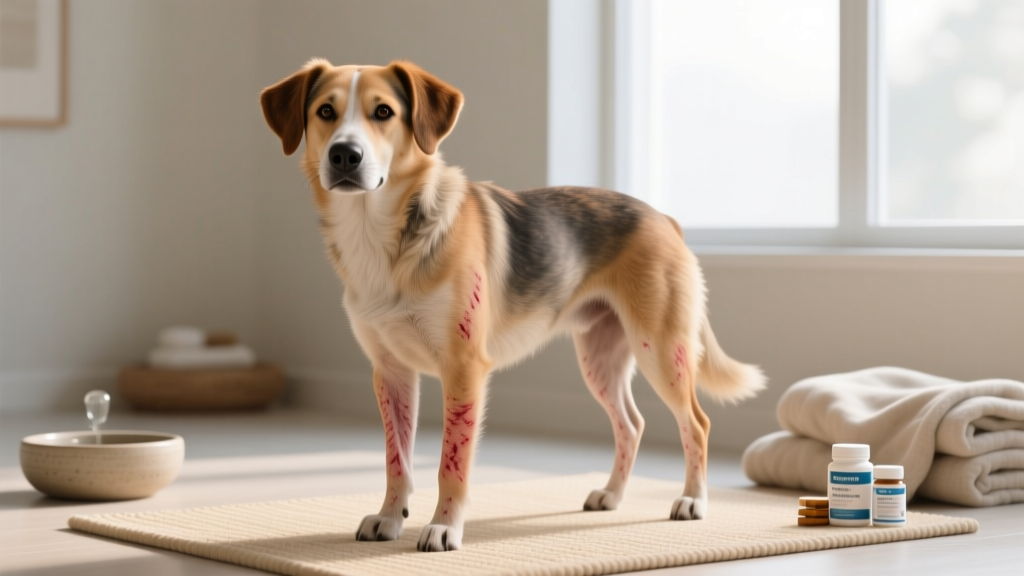
Is Mint Bad for Dogs? A Complete Safety Guide for Pet Owners
Is mint bad for dogs? Learn which mint varieties are safe, proper serving sizes by weight, nutritional benefits, and when to call the vet.

Can Dogs Eat Mint? The Short Answer
Mint can be a refreshing, low-calorie treat for dogs when offered fresh or dried in appropriate portions. The herb contains beneficial compounds like rosmarinic acid and menthol, but the concentration matters enormously. Fresh leaves pose minimal risk, while mint essential oils contain menthol levels that can cause liver damage and central nervous system depression in canines.
According to the ASPCA's toxic plant database, common garden mint (Mentha species) is not listed as toxic to dogs. However, the organization specifically warns against pennyroyal (Mentha pulegium), which contains pulegone—a compound that causes hepatotoxicity even in small doses.
Safe Serving Sizes by Dog Weight
Portion control prevents digestive upset. Mint's strong flavor and fiber content can cause stomach irritation if overfed. Use these guidelines for fresh mint leaves:
| Dog Size | Weight Range | Fresh Mint Leaves | Dried Mint | Frequency |
|---|---|---|---|---|
| Small breeds | Under 20 lb (9 kg) | 1-2 small leaves | 1/8 teaspoon | 2-3 times per week |
| Medium breeds | 20-50 lb (9-23 kg) | 3-4 leaves | 1/4 teaspoon | 2-3 times per week |
| Large breeds | 50-90 lb (23-41 kg) | 5-6 leaves | 1/2 teaspoon | 2-3 times per week |
| Giant breeds | Over 90 lb (41 kg) | 6-8 leaves | 1/2 teaspoon | 2-3 times per week |
These portions assume mint is offered as an occasional treat, not a dietary staple. Treats should comprise no more than 10% of your dog's daily caloric intake per AVMA feeding guidelines.
How to Prepare Mint for Your Dog
Step 1: Choose the right variety. Stick to spearmint (Mentha spicata) or peppermint (Mentha × piperita). Avoid pennyroyal entirely. If you're unsure about your garden mint's species, consult a botanist or bring a sample to your local nursery.
Step 2: Wash thoroughly. Rinse fresh mint under cool running water for 30 seconds to remove pesticides, soil, and potential parasites. Organic mint reduces pesticide exposure but still requires washing.
Step 3: Remove tough stems. Mint stems are fibrous and pose a choking hazard, especially for small dogs. Pluck leaves from the woody portions.
Step 4: Chop or tear leaves. For small dogs, tear leaves into 2-3 pieces. Medium and large dogs can handle whole leaves, but chopping releases beneficial oils and makes digestion easier.
Step 5: Serve plain. No added sugar, salt, or seasonings. Avoid mint-flavored human products (candies, gum, toothpaste) which often contain xylitol—a sugar substitute highly toxic to dogs.
Nutritional Benefits of Mint for Dogs
While mint won't replace a balanced commercial diet, it offers trace nutrients and bioactive compounds:
| Nutrient | Amount per 2 tbsp fresh mint (3.2g) | Canine Benefit |
|---|---|---|
| Vitamin A | 12.8 mcg | Supports vision, immune function, skin health |
| Vitamin C | 0.9 mg | Antioxidant activity (dogs synthesize their own) |
| Calcium | 7.6 mg | Bone maintenance (negligible vs. daily requirement) |
| Iron | 0.16 mg | Oxygen transport in blood |
| Fiber | 0.2 g | Mild digestive support |
| Rosmarinic acid | Trace amounts | Anti-inflammatory, may support allergy relief |
Important context: The nutrient quantities in safe mint portions are too small to meaningfully impact your dog's nutrition. The primary value is enrichment and breath-freshening rather than dietary supplementation. Dogs produce their own vitamin C, so mint's contribution is redundant.
Risks and Side Effects to Monitor
Even safe mint varieties can cause problems under certain conditions:
Digestive Upset
Excessive mint consumption may cause vomiting, diarrhea, or gas. The menthol in peppermint can irritate the gastrointestinal lining. If your dog shows these symptoms within 2-4 hours of eating mint, withhold further servings and offer bland food (boiled chicken and rice) for 12-24 hours.
Allergic Reactions
Though rare, some dogs develop contact dermatitis or food allergies to mint. Signs include:
- Facial swelling, especially around muzzle and eyes
- Hives or raised bumps on skin
- Excessive scratching or pawing at face
- Difficulty breathing (emergency—seek immediate care)
Choking and Obstruction
Whole mint leaves or stems can lodge in the throat or esophagus, particularly in toy breeds under 10 lb (4.5 kg). Always supervise your dog when introducing new foods and chop leaves appropriately.
Essential Oil Toxicity
Mint essential oils contain 50-90% menthol—far higher than fresh leaves. Ingestion can cause:
- Liver damage (elevated ALT/AST enzymes)
- Central nervous system depression
- Hypothermia
- Respiratory distress
If your dog ingests mint essential oil, contact the ASPCA Animal Poison Control Center at (888) 426-4435 immediately (consultation fee applies). Do not induce vomiting unless directed by a professional.
Dogs Who Should Avoid Mint
Certain dogs face elevated risks and should skip mint entirely:
- Puppies under 6 months: Immature digestive systems are more sensitive to plant compounds. Wait until weaning is complete and your puppy has transitioned to solid food for at least 2-3 months.
- Dogs with gastroesophageal reflux: Peppermint relaxes the lower esophageal sphincter, potentially worsening acid reflux symptoms.
- Dogs with gallbladder disease: Mint stimulates bile production, which can aggravate gallstones or biliary obstruction.
- Dogs on certain medications: Mint may interact with cyclosporine, antacids, and drugs metabolized by liver enzyme CYP3A4. Consult your veterinarian if your dog takes prescription medications.
- Dogs with a history of plant allergies: If your dog has reacted to other herbs in the Lamiaceae family (basil, oregano, rosemary), mint may trigger similar responses.
Similar Herbs and Foods to Avoid
Not all mint-adjacent plants are safe:
- Pennyroyal (Mentha pulegium): Highly toxic. Contains pulegone, which causes liver failure. Even small amounts can be fatal.
- Wild mint varieties: Unless positively identified by a botanist, avoid feeding wild-harvested mint. Some species contain toxic compounds.
- Mint-flavored human products: Candies, gum, baked goods, and beverages often contain xylitol, artificial sweeteners, or concentrated oils unsafe for dogs.
- Catnip (Nepeta cataria): While not toxic to dogs, catnip is a mint relative that can cause vomiting and diarrhea in canines. It's not recommended.
When to Call the Veterinarian
Contact your vet immediately if your dog shows:
- Persistent vomiting (more than 2 episodes in 24 hours)
- Diarrhea lasting over 48 hours or containing blood
- Lethargy or weakness after mint ingestion
- Difficulty breathing or excessive drooling
- Signs of abdominal pain (hunched posture, whining when touched)
- Any ingestion of mint essential oil or pennyroyal
For emergencies: ASPCA Animal Poison Control: (888) 426-4435 (24/7, fee applies) or Pet Poison Helpline: (855) 764-7661.
Frequently Asked Questions
Can dogs eat mint leaves from my garden?
Yes, if you've confirmed the species is spearmint or peppermint and the plants haven't been treated with pesticides. Wash leaves thoroughly and remove stems before serving. If you're uncertain about the mint variety, don't feed it to your dog until you've identified it.
Is peppermint oil safe for dogs?
No. Peppermint essential oil is highly concentrated and can cause liver toxicity, respiratory distress, and neurological symptoms. Even diluted oils pose risks. Never apply peppermint oil to your dog's skin, add it to food, or diffuse it in enclosed spaces where your dog spends time.
Will mint help my dog's bad breath?
Fresh mint may provide temporary breath-freshening, but persistent bad breath often signals dental disease, kidney problems, or diabetes. If your dog has chronic halitosis, schedule a veterinary exam rather than masking the symptom with mint. Professional dental cleaning may be necessary.
Can puppies eat mint?
Wait until puppies are at least 6 months old before introducing mint. Young puppies have sensitive digestive systems and are still developing immune tolerance to new foods. Focus on a complete-and-balanced puppy diet during the first six months.
How much mint is toxic to dogs?
There's no established toxic dose for common mint varieties when fed as fresh leaves. However, mint essential oil becomes dangerous at approximately 100-200 mg per kg of body weight. Pennyroyal is toxic at any dose. If your dog consumes large quantities of fresh mint (more than 10-15 leaves for a medium dog), monitor for vomiting and diarrhea.
Can I give my dog mint ice cream or mint-flavored treats?
Avoid commercial mint-flavored human foods. These often contain xylitol (highly toxic to dogs), excessive sugar, dairy (many dogs are lactose intolerant), or artificial flavorings. If you want to make dog-safe mint treats, blend 2-3 fresh mint leaves with plain yogurt and freeze in ice cube trays.
Does mint kill fleas or repel insects on dogs?
While mint has mild insect-repellent properties, it's not effective enough to replace veterinary-approved flea prevention. Don't rely on mint for parasite control. Use products containing fluralaner, afoxolaner, or other FDA-approved active ingredients recommended by your veterinarian.
Introducing Mint Safely: A Step-by-Step Protocol
- Day 1: Offer one small leaf (torn into pieces) mixed into your dog's regular food. Monitor for 24 hours.
- Day 2-3: If no adverse reactions occur, offer 2 leaves as a standalone treat. Watch for vomiting, diarrhea, or behavioral changes.
- Day 4-7: Gradually increase to the appropriate serving size for your dog's weight class.
- Ongoing: Limit mint treats to 2-3 times per week. Rotate with other safe herbs (parsley, basil) for variety.
If your dog refuses mint or shows disinterest, don't force it. Not all dogs enjoy strong flavors, and mint is nutritionally optional.
Bottom line: Fresh spearmint and peppermint are safe for most dogs in small, weight-appropriate portions. Avoid essential oils, pennyroyal, and mint-flavored human products. When in doubt, consult your veterinarian before introducing new foods to your dog's diet.
Jonas Cole
All our authors care for dogs every day — read more of their work on the authors page.