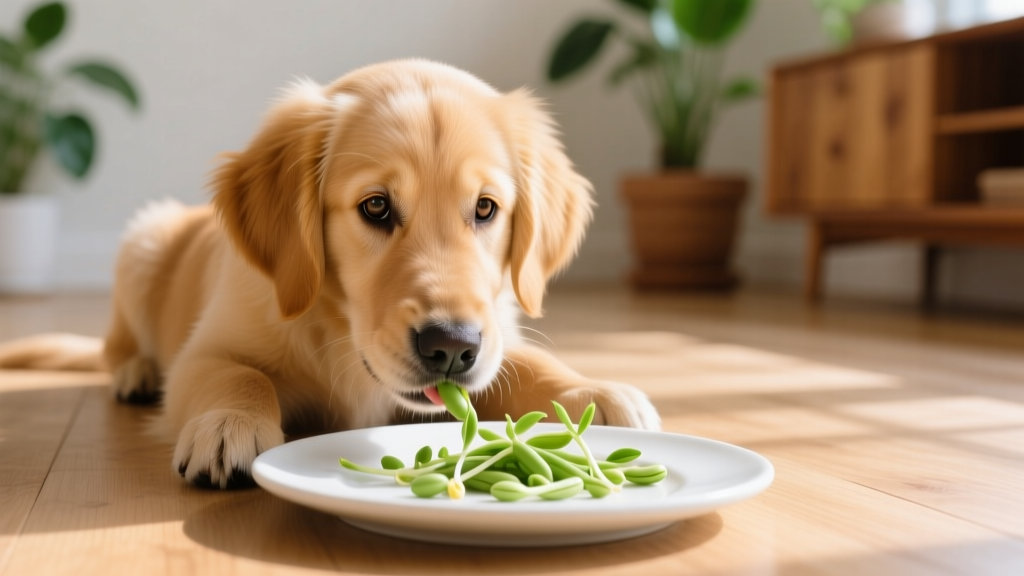
Iron Supplement for Dogs: When, Why, and How to Use Them Safely
Complete guide to iron supplements for dogs — deficiency signs, safe dosages, top iron-rich foods, and when to consult your vet before supplementing.

Understanding Iron's Role in Your Dog's Health
Iron is a trace mineral essential for hemoglobin production, oxygen transport, and cellular energy metabolism in dogs. Most healthy dogs eating a complete-and-balanced commercial diet receive adequate iron from their food. However, certain conditions — chronic blood loss, parasitic infections, kidney disease, or malabsorption disorders — can create deficiencies that require targeted supplementation.
Before reaching for an iron supplement for dogs, it's critical to understand that iron toxicity is a genuine risk. Unlike some vitamins your dog simply excretes when consumed in excess, iron accumulates in tissues and can cause organ damage. This guide walks through when supplementation makes sense, safe dosage ranges, and iron-rich food alternatives that may eliminate the need for pills altogether.
Signs Your Dog May Need Iron Supplementation
Iron deficiency in dogs typically manifests as iron-deficiency anemia, where the body cannot produce enough healthy red blood cells. According to the Merck Veterinary Manual, common causes include chronic blood loss from intestinal parasites, gastrointestinal ulcers, or tumors.
Symptom Checklist: When to Suspect Iron Deficiency
| Symptom | Severity | What You'll Notice |
|---|---|---|
| Pale or white gums | Moderate | Gums appear whitish-pink instead of healthy bubblegum pink |
| Lethargy and weakness | Moderate | Reduced play drive, reluctance to exercise, excessive sleeping |
| Rapid breathing at rest | Severe | Breathing rate exceeds 30 breaths/minute while resting |
| Pica (eating non-food items) | Moderate | Chewing dirt, rocks, or unusual objects — a classic deficiency behavior |
| Dark, tarry stools (melena) | Severe | Indicates GI bleeding, a common cause of iron loss |
| Poor coat quality | Mild | Dull, brittle fur with excessive shedding |
| Elevated heart rate | Severe | Heart working harder to compensate for reduced oxygen-carrying capacity |
Determining Your Dog's Iron Requirements
The National Research Council (NRC) and AAFCO establish minimum iron requirements for dogs at approximately 40 mg per kg of dry matter in adult maintenance diets. For most dogs eating quality commercial food, this baseline is already met.
Nutritional Requirements by Life Stage
| Life Stage/Condition | Iron Requirement | Protein % | Fat % | Daily Calories (50 lb dog) |
|---|---|---|---|---|
| Adult Maintenance | 40 mg/kg DM | ≥18% (DM basis) | ≥5.5% (DM basis) | 900-1,100 kcal |
| Puppy (growth) | 88 mg/kg DM | ≥22.5% (DM basis) | ≥8.5% (DM basis) | 1,200-1,600 kcal |
| Senior (7+ years) | 40 mg/kg DM | ≥18% (DM basis) | ≥5.5% (DM basis) | 750-950 kcal |
| Active/Working Dog | 40-50 mg/kg DM | ≥22% (DM basis) | ≥8% (DM basis) | 1,400-2,000 kcal |
| Anemic (vet-directed) | Supplemental per vet | ≥22% (DM basis) | ≥8% (DM basis) | Varies by BCS |
Key insight: Puppies require roughly double the iron of adult dogs due to rapid blood volume expansion during growth. This is why puppy-formulated foods contain higher iron concentrations — never feed adult maintenance food to growing puppies.
Iron Supplement Dosage and Administration
When your veterinarian confirms iron-deficiency anemia through a complete blood count (CBC) and serum ferritin testing, they'll prescribe a specific dosage. Over-the-counter iron supplements should never be dosed without this baseline data.
Typical Veterinary Dosage Guidelines
| Dog Weight | Typical Therapeutic Dose (Ferrous Sulfate) | Frequency | Duration |
|---|---|---|---|
| 10-25 lb (4.5-11 kg) | 50-100 mg elemental iron | Once daily | 4-8 weeks, then recheck |
| 26-50 lb (12-23 kg) | 100-200 mg elemental iron | Once daily | 4-8 weeks, then recheck |
| 51-75 lb (23-34 kg) | 200-300 mg elemental iron | Once daily | 4-8 weeks, then recheck |
| 76-100+ lb (34-45+ kg) | 300-400 mg elemental iron | Once daily | 4-8 weeks, then recheck |
Absorption tip: Iron absorbs best on an empty stomach, but GI upset (vomiting, diarrhea) is common. If your dog experiences side effects, administer with a small amount of food. Avoid giving iron simultaneously with calcium supplements, antacids, or dairy products, as calcium inhibits iron absorption by up to 50-60%.
Supplement Forms Available
- Ferrous sulfate — Most common, inexpensive, well-studied; available in tablet or liquid form
- Ferrous gluconate — Gentler on the stomach, slightly lower elemental iron content
- Ferrous fumarate — Higher elemental iron percentage, often used in veterinary compounding
- Iron dextran injections — Reserved for severe cases where oral absorption is compromised; administered by veterinarians only
Iron-Rich Commercial Dog Foods: Top Recommendations
For dogs with mild deficiency or those at risk (rescue dogs with unknown parasite history, dogs recovering from blood loss), selecting an iron-rich commercial diet can reduce or eliminate the need for separate supplementation. Here are specific products that meet AAFCO complete-and-balanced standards with notable iron content.
Purina Pro Plan Performance 30/20
Iron content: ~200 mg/kg (as fed)
Price range: $55-70 for 35 lb bag
Best for: Active dogs, working breeds, high-energy adults
Why it works: Chicken-first ingredient, 30% protein, AAFCO-approved for all life stages including growth of large-size dogs. Higher caloric density supports dogs with increased metabolic demands.
Hill's Science Diet Adult Advanced Fitness
Iron content: ~180 mg/kg (as fed)
Price range: $50-65 for 35 lb bag
Best for: Adult maintenance, dogs with sensitive digestion
Why it works: Highly digestible formula with lamb or chicken as first ingredient. Hill's conducts feeding trials (not just formulation testing), which provides stronger nutritional validation.
Royal Canin Veterinary Diet Gastrointestinal Low Fat
Iron content: ~170 mg/kg (as fed)
Price range: $80-100 for 27.5 lb bag
Best for: Dogs with GI disease causing malabsorption or chronic blood loss
Why it works: Prescription diet addressing the root cause of iron loss. Highly digestible, low-residue formula. Requires veterinary authorization.
Orijen Original Adult
Iron content: ~250 mg/kg (as fed, naturally higher from organ meats)
Price range: $85-105 for 25 lb bag
Best for: Dogs needing nutrient-dense whole-food iron sources
Why it works: Contains liver, heart, and other organ meats that naturally provide heme iron (more bioavailable than plant-based non-heme iron). 85% animal ingredients, AAFCO-approved for adult maintenance.
Zignature Limited Ingredient Lamb Formula
Iron content: ~190 mg/kg (as fed)
Price range: $65-80 for 27 lb bag
Best for: Dogs with food sensitivities who still need adequate iron
Why it works: Lamb is a red meat naturally higher in iron than poultry. Limited ingredient profile reduces allergen exposure while maintaining complete nutrition.
What to Look For on Dog Food Labels
When evaluating iron content in commercial foods, check for:
- AAFCO statement — Look for "complete and balanced" language, not just "formulated to meet" (the latter hasn't undergone feeding trials)
- Organ meats in top 10 ingredients — Liver, heart, and kidney are naturally iron-dense
- Iron listed in guaranteed analysis — Some premium brands disclose minimum iron content
- Heme vs. non-heme sources — Animal-based iron (heme) absorbs at 15-35% efficiency vs. plant-based iron (non-heme) at 2-20%
Iron-Rich Whole Foods You Can Safely Add
For mild cases or preventive nutrition, certain whole foods can boost dietary iron without risking supplement overdose. Always introduce new foods gradually and in appropriate portions.
Safe Iron-Rich Additions
| Food | Iron Content | Serving Size (50 lb dog) | Preparation Notes |
|---|---|---|---|
| Cooked beef liver | 5 mg per 3 oz | 1-2 oz, 2-3x/week | Cook thoroughly, no seasoning. Limit frequency — excess vitamin A risk |
| Lean cooked beef | 2.5 mg per 3 oz | 2-3 oz daily as topper | Ground or cubed, fully cooked, drain fat |
| Cooked sardines (canned in water) | 2 mg per 3 oz | 1-2 sardines, 2x/week | No salt added, bones are safe and calcium-rich |
| Cooked egg yolks | 1 mg per yolk | 1 yolk daily | Always cook eggs — raw egg whites contain avidin, which blocks biotin |
| Cooked spinach | 3 mg per ½ cup | 1-2 tbsp mixed into food | Lightly steamed; oxalates reduce absorption but small amounts are safe |
Foods to Avoid When Managing Iron Levels
- Human iron supplements — Concentrated doses designed for 150+ lb humans can cause fatal toxicity in dogs. A single 325 mg ferrous sulfate tablet can poison a 20 lb dog.
- Raw meat diets without veterinary nutritionist oversight — While raw meat contains iron, unbalanced homemade raw diets frequently cause calcium-phosphorus imbalances and may carry Salmonella or E. coli contamination risks.
- Excessive liver treats — More than 5% of daily calories from liver risks hypervitaminosis A, causing bone deformities and liver damage.
- Grapes, raisins, onions, garlic — These cause hemolytic anemia (red blood cell destruction), worsening iron-deficiency problems. Contact ASPCA Poison Control at (888) 426-4435 if ingested.
Homemade Diet Considerations for Iron Management
If you're preparing homemade meals for your dog — whether for medical reasons or personal preference — iron balance requires careful formulation. The American Kennel Club emphasizes that homemade diets should be developed with a board-certified veterinary nutritionist (DACVN) to prevent deficiencies.
Sample Iron-Conscious Recipe Framework
Important: This framework is for educational purposes only. Your veterinary nutritionist must calculate exact quantities based on your dog's weight, age, activity level, and health status.
- Protein base (40-50%): Lean ground beef (higher iron than chicken) or lamb
- Organ meat (5-10%): Beef liver, limited to prevent vitamin A toxicity
- Complex carbohydrates (30-40%): Sweet potato, brown rice, or quinoa
- Vegetables (10-15%): Steamed spinach, carrots, green beans
- Fat source: Fish oil (omega-3s) or flaxseed oil
- Calcium supplement: Essential — meat-heavy diets are phosphorus-dense and calcium-deficient without supplementation
- Balanced multivitamin: A veterinary-formulated supplement (e.g., Balance IT) to cover trace minerals including copper, zinc, and manganese that interact with iron metabolism
Transitioning to an Iron-Rich Diet: 10-Day Protocol
Whether you're switching to a new commercial food or adding whole-food iron sources, gradual transition prevents GI upset and allows you to monitor stool quality and appetite.
Step-by-Step Transition Schedule
| Days | Old Food | New Food | What to Monitor |
|---|---|---|---|
| 1-2 | 75% | 25% | Appetite, enthusiasm for new food |
| 3-4 | 50% | 50% | Stool consistency (firm, formed = good) |
| 5-6 | 25% | 75% | Energy levels, any vomiting or diarrhea |
| 7-8 | 0% | 100% | Full adjustment period begins |
| 9-10 | 0% | 100% | Confirm consistent eating and normal stools |
Adjustment factors: Dogs with sensitive stomachs or food allergies may need 14-21 days. Senior dogs with slower digestive adaptation often benefit from extending each phase by 1-2 days. If loose stools develop at any phase, hold that ratio for 2-3 extra days before advancing.
Monitoring Success: How to Know If Iron Levels Are Improving
After starting supplementation or dietary changes under veterinary guidance, you should see measurable improvement within 2-4 weeks. Here's what to track:
Body Condition and Physical Indicators
- Gum color: Should return to healthy pink within 2-3 weeks of effective treatment. Check weekly by gently lifting the upper lip.
- Energy levels: Increased play drive, willingness to exercise, and alertness typically improve within 1-2 weeks.
- Coat quality: Dull, brittle fur should show improvement in 4-6 weeks as new hair grows with adequate oxygen supply to follicles.
- Stool quality: Firm, brown, well-formed stools indicate good nutrient absorption. Dark tarry stools should resolve as GI bleeding (if present) is treated.
- Body Condition Score (BCS): Target 4-5 on a 9-point scale. Ribs should be easily felt but not visible; waist visible from above; abdominal tuck present from the side.
Veterinary Follow-Up Testing
Your vet will typically recheck a CBC 4 weeks after starting iron therapy. Key metrics:
- Hematocrit (HCT): Should increase by 1-2% per week with effective treatment
- Reticulocyte count: Elevated reticulocytes (immature red blood cells) within 5-7 days confirm bone marrow is responding
- Serum ferritin: Rechecked at 8-12 weeks to confirm iron stores are rebuilding
Frequently Asked Questions About Iron Supplements for Dogs
Can I give my dog human iron supplements?
No. Human iron supplements contain doses calibrated for 130-180 lb adults and often include xylitol (toxic to dogs) or other inactive ingredients unsafe for canine metabolism. A single adult-dose ferrous sulfate tablet (325 mg) can cause severe toxicity in a small dog. Always use veterinary-formulated products at vet-prescribed doses.
How much should I feed my dog to ensure adequate iron?
Feeding amounts depend on your dog's weight, age, activity level, and metabolism. As a baseline, a 50 lb moderately active adult dog needs approximately 900-1,100 calories daily from an AAFCO-approved adult maintenance food. Adjust upward 10-20% for intact dogs, working dogs, or dogs in cold climates; adjust downward 10-20% for senior dogs, neutered dogs with low activity, or dogs with a BCS above 5.
Can I feed my dog a raw diet to boost iron naturally?
Raw meat does contain bioavailable heme iron, but raw feeding carries Salmonella and E. coli risks for both dogs and humans in the household. More critically, unbalanced raw diets frequently lack appropriate calcium-phosphorus ratios and trace mineral balance. If you pursue raw feeding, work with a veterinary nutritionist and follow AVMA guidelines for safe handling.
What ingredients should I avoid in dog food if my dog has anemia?
Avoid foods with excessive phytates (found in large quantities of soy, corn, and wheat bran), which bind iron and reduce absorption. Also avoid foods listing garlic or onion powder — even small amounts cause oxidative damage to red blood cells, worsening anemia. Choose foods with named animal proteins as the first ingredient and organ meats in the top 10.
How do I switch my dog to a new iron-rich food?
Follow a 7-10 day gradual transition, increasing the new food by 25% every 2 days while decreasing the old food proportionally. Monitor stool quality daily — if diarrhea develops, pause the transition at the current ratio for 2-3 extra days. Dogs with known food sensitivities may need 14-21 days for full transition.
Does my dog need supplements if they eat quality commercial food?
Most dogs eating AAFCO-approved complete-and-balanced commercial food do not need additional iron supplements. Supplementation is only appropriate when veterinary bloodwork confirms deficiency. Unnecessary iron supplementation can cause constipation, GI upset, and over time, iron overload affecting the liver and heart. Focus on selecting a high-quality base diet and only add supplements under veterinary direction.
How long does it take for iron supplements to work in dogs?
You should see initial improvement in energy and gum color within 1-2 weeks. Reticulocyte counts rise within 5-7 days, confirming the bone marrow is producing new red blood cells. Full correction of anemia typically takes 4-8 weeks, with iron stores (serum ferritin) continuing to rebuild for 3-6 months. Your veterinarian will establish a recheck schedule based on severity.
Jonas Cole
All our authors care for dogs every day — read more of their work on the authors page.