Can Dogs Have Bean Sprouts? A Complete Safety & Feeding Guide
Can dogs have bean sprouts? Yes — learn safe serving sizes, preparation tips, nutritional benefits, and when to avoid feeding sprouts to your dog.
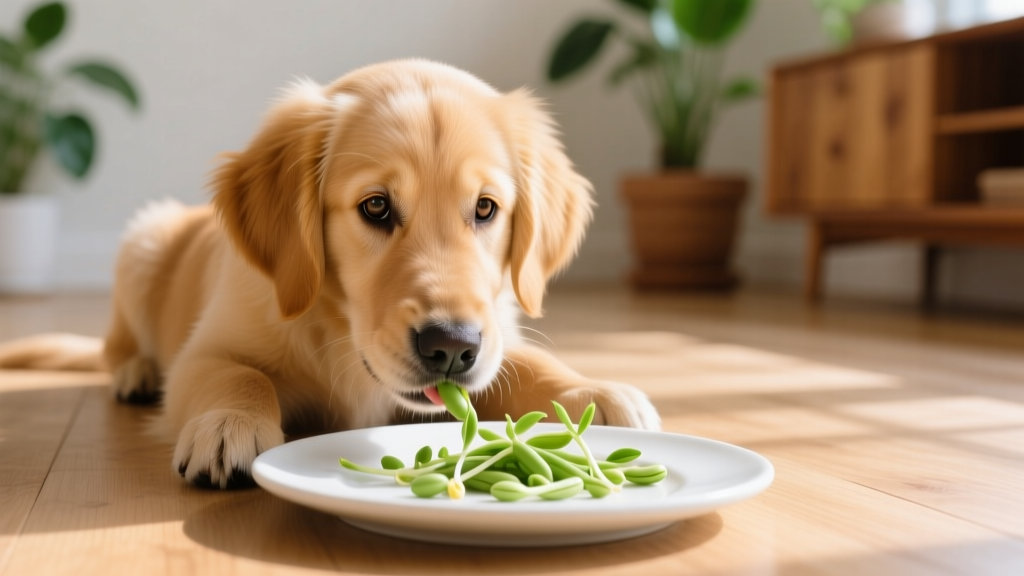
If you've ever caught your dog eyeing the crunchy sprouts on your sandwich, you've probably wondered whether it's safe to share. Bean sprouts are a staple in stir-fries, salads, and wraps, and their crisp texture can seem like a fun treat for dogs who love to crunch. But not every human food translates well to a canine digestive system, so it's worth understanding exactly what you're dealing with before tossing a handful into your pup's bowl.
Bean sprouts (including mung bean, alfalfa, broccoli, and radish sprouts) are non-toxic to dogs and can be offered as an occasional treat. They provide fiber, vitamin C, and folate, but should be served plain — washed thoroughly, with no seasoning, oil, or sauces. Always introduce slowly and keep portions small relative to your dog's size. Sprouts should never exceed 10% of your dog's daily caloric intake.
The short answer is that bean sprouts are safe for most healthy adult dogs. They are not listed as toxic by the ASPCA, and most veterinary nutritionists consider them an acceptable occasional treat. That said, "safe" doesn't mean "feed freely" — there are real considerations around bacterial contamination, digestive sensitivity, and portion sizing that every dog owner should understand.
How Much Bean Sprout Can I Give My Dog?
Portion control matters even with safe foods. Bean sprouts are low in calories — roughly 31 calories per cup (raw mung bean sprouts, per USDA FoodData Central) — but overfeeding any new food can trigger gastrointestinal upset. Use the table below as a starting point, and remember that treats of all kinds should stay under 10% of your dog's total daily calories.
| Dog Weight Class | Weight Range | Single Serving Size | Max Frequency |
|---|---|---|---|
| Toy / Small | Under 15 lb (7 kg) | 1 tablespoon (roughly 5–8 sprouts) | 2–3 times per week |
| Medium | 15–50 lb (7–23 kg) | 2–3 tablespoons (roughly 15–20 sprouts) | 2–3 times per week |
| Large | 50–90 lb (23–41 kg) | ¼ cup (roughly 30–40 sprouts) | 2–3 times per week |
| Giant | Over 90 lb (41+ kg) | ⅓ cup (roughly 45–55 sprouts) | 2–3 times per week |
These portions assume the sprouts are being given as a treat alongside a complete-and-balanced diet that meets AAFCO nutritional standards. If your dog is already eating a calorie-dense kibble or raw diet, adjust downward to avoid unnecessary weight gain.
Is Bean Sprout Good for Dogs Nutritionally?
Bean sprouts offer a modest nutritional profile that can complement — but never replace — a balanced canine diet. Here's what a 1-cup (104 g) serving of raw mung bean sprouts provides, based on USDA data:
| Nutrient | Amount | Relevance to Dogs |
|---|---|---|
| Calories | 31 kcal | Low-calorie treat option for weight management |
| Protein | 3.2 g | Minor contribution; dogs need animal-based proteins primarily |
| Fiber | 1.9 g | Supports digestive regularity in small amounts |
| Vitamin C | 13.7 mg | Antioxidant support; dogs synthesize their own vitamin C but extra can help during stress |
| Folate (B9) | 63 µg | Supports cell division and red blood cell formation |
| Vitamin K | 34.3 µg | Important for blood clotting and bone metabolism |
| Potassium | 155 mg | Electrolyte balance and muscle function |
| Iron | 0.9 mg | Minimal contribution; plant-based iron is less bioavailable to dogs |
The standout nutrients for dogs are vitamin C (an antioxidant that may support immune function during periods of stress or illness), folate (important for dogs on certain medications that deplete B vitamins), and fiber (which can help with mild constipation). However, dogs produce their own vitamin C in the liver, so dietary supplementation isn't strictly necessary for healthy animals.
Broccoli sprouts deserve a special mention: they contain significantly higher levels of sulforaphane, a compound studied for its potential anti-inflammatory and anticancer properties. Research published in the Journal of Veterinary Internal Medicine has explored sulforaphane's role in canine health, though most studies focus on concentrated supplements rather than dietary sprouts. Feeding a small amount of broccoli sprouts is safe and may offer trace benefits, but don't expect them to function as medicine.
How Should I Prepare Bean Sprouts for My Dog?
Preparation is where most problems arise. Bean sprouts served at restaurants or in pre-packaged salads often carry bacterial contamination risks, and the seasonings humans add can be harmful to dogs. Follow these steps:
- Choose fresh, refrigerated sprouts. Avoid sprouts that look slimy, discolored, or smell sour. Check the sell-by date on packaged sprouts — the FDA has issued multiple advisories about Salmonella and E. coli contamination in commercially grown sprouts.
- Wash thoroughly under cold running water. Rinse for at least 30 seconds, agitating with your hands to remove debris and surface bacteria. Do not use soap or produce washes, which can leave residue harmful to dogs.
- Decide: raw or lightly steamed. Raw sprouts retain more vitamin C but carry a slightly higher bacterial risk. Lightly steaming (2–3 minutes) reduces bacterial load while preserving most nutrients. For puppies, seniors, or immunocompromised dogs, always steam or blanch.
- Cut or chop for small dogs. Long sprouts can be a choking hazard for toy breeds. Chop into ½-inch pieces for dogs under 20 lb (9 kg).
- Serve plain. No salt, garlic, onion, soy sauce, sesame oil, or any seasoning. Garlic and onion are toxic to dogs (causing hemolytic anemia), and high sodium can lead to excessive thirst, sodium ion poisoning in small dogs, or complications in dogs with heart or kidney disease.
- Cool to room temperature. If you steamed the sprouts, let them cool completely before serving to avoid mouth burns.
What Happens If My Dog Eats Too Much Bean Sprout?
Bean sprouts aren't toxic, so an overindulgence won't send you racing to the emergency vet in most cases. However, eating a large quantity — say, an entire bag from the fridge — can cause uncomfortable symptoms:
- Gas and bloating: The fiber and oligosaccharides in bean sprouts can produce significant flatulence, especially in dogs not accustomed to plant-based foods.
- Diarrhea: A sudden influx of fiber can accelerate gut transit time, resulting in loose stools within 12–24 hours.
- Vomiting: Some dogs with sensitive stomachs may regurgitate undigested sprouts within a few hours of eating.
- Abdominal discomfort: You may notice restlessness, a hunched posture, or reluctance to be picked up.
For most dogs, these symptoms resolve within 24–48 hours with a bland diet (boiled chicken breast and white rice in a 1:2 ratio) and access to fresh water. If vomiting persists beyond 24 hours, if you see blood in the stool, or if your dog becomes lethargic and refuses water, contact your veterinarian promptly.
- Vomiting or diarrhea lasts more than 24 hours
- Blood appears in vomit or stool
- Your dog shows signs of abdominal pain (whining, hunched back, guarding belly)
- Lethargy or weakness accompanies digestive symptoms
- Your dog is a puppy under 6 months, a senior over 10 years, or has a known immune condition — these dogs are more vulnerable to bacterial contamination from raw sprouts
For suspected ingestion of toxic seasonings (garlic, onion, xylitol-containing sauces), call the ASPCA Animal Poison Control Center at (888) 426-4435 (24/7, consultation fee applies) or the Pet Poison Helpline at (855) 764-7661.
Which Dogs Should NOT Eat Bean Sprouts?
While bean sprouts are generally safe, certain dogs should avoid them or only eat them under veterinary guidance:
- Puppies under 6 months: Their immune systems are still developing, making them more susceptible to Salmonella and E. coli, which are known contamination risks in raw sprouts. If you want to share, serve only steamed sprouts in tiny amounts (½ teaspoon for small breeds).
- Senior dogs with compromised immunity: Dogs undergoing chemotherapy, long-term corticosteroid therapy, or managing chronic diseases like Cushing's or diabetes have weakened immune defenses. Stick to cooked sprouts only, or skip them entirely.
- Dogs with inflammatory bowel disease (IBD) or chronic pancreatitis: The fiber content in sprouts may irritate an already inflamed GI tract. Consult your veterinarian before introducing any new plant-based food.
- Dogs on prescription diets: If your dog eats a veterinary therapeutic diet (e.g., Hill's Prescription Diet, Royal Canin Veterinary Diet, Purina Pro Plan Veterinary Supplements), adding outside foods can disrupt the carefully calibrated nutrient balance. Always check with your vet first.
- Dogs with a history of calcium oxalate bladder stones: Alfalfa sprouts contain moderate oxalates. While the amount in a typical serving is low, dogs prone to stone formation may benefit from avoiding high-oxalate foods altogether.
Related Foods to Watch Out For
Bean sprouts themselves are safe, but they often appear alongside foods that are dangerous to dogs. Be aware of these common companions:
| Food | Safety Verdict | Notes |
|---|---|---|
| Mung bean sprouts | ✅ Safe | Most common sprout type; low risk when washed and served plain |
| Alfalfa sprouts | ✅ Safe (caution with oxalates) | Moderate oxalate content; avoid for dogs with bladder stone history |
| Broccoli sprouts | ✅ Safe | Contains sulforaphane; serve in small amounts to avoid gas |
| Radish sprouts | ✅ Safe | Peppery flavor may be off-putting; not harmful |
| Garlic sprouts / scapes | ❌ Toxic | All parts of the garlic plant contain thiosulfate, which damages red blood cells |
| Onion sprouts / chives | ❌ Toxic | Same allium family as garlic; causes hemolytic anemia |
| Soy sauce (common sprout seasoning) | ❌ Dangerous | Extremely high sodium; can cause sodium ion poisoning in small dogs |
| Stir-fry with sprouts + onion/garlic | ❌ Unsafe | Even if sprouts are safe, the dish itself may contain toxic ingredients |
A critical point: if your dog snatches a forkful of restaurant pad thai or a leftover stir-fry that includes sprouts, the sprouts aren't your main concern — it's the garlic, onion, chili, and sodium in the sauce. Monitor for signs of allium toxicity (weakness, pale gums, dark urine) over the next 24–72 hours and call your vet if symptoms appear.
How to Introduce Bean Sprouts Safely
Any new food deserves a careful introduction. Here's a practical protocol:
- Day 1: Offer one or two individual sprouts (roughly 1 teaspoon for small dogs, 1 tablespoon for larger dogs) as a standalone treat, not mixed into a meal. This makes it easier to identify the cause if a reaction occurs.
- Monitor for 24–48 hours: Watch for gas, loose stool, vomiting, itching, hives, or facial swelling. Allergic reactions to bean sprouts are rare but possible — any legume can trigger a sensitivity in predisposed dogs.
- Day 3 (if no reaction): Increase to the full recommended serving size for your dog's weight class. You can now mix sprouts into their regular food or offer them as a training reward.
- Ongoing: Limit sprout treats to 2–3 times per week. Rotate with other safe vegetables (carrots, green beans, cucumber) to provide variety and prevent nutrient imbalances.
For dogs who are picky eaters or suspicious of new textures, try finely chopping the sprouts and mixing them into a small amount of plain, unsweetened pumpkin puree or low-sodium chicken broth. Positive reinforcement — praise, a favorite toy, or a follow-up treat your dog already loves — can help build a positive association with the new food.
Frequently Asked Questions
Can dogs eat raw bean sprouts?
Yes, healthy adult dogs can eat raw bean sprouts that have been thoroughly washed. However, raw sprouts carry a documented risk of Salmonella and E. coli contamination, as noted in FDA consumer advisories. For puppies, senior dogs, or dogs with weakened immune systems, lightly steaming the sprouts is the safer choice.
Are mung bean sprouts and alfalfa sprouts equally safe?
Both are non-toxic to dogs. Mung bean sprouts are slightly lower in oxalates and have a milder flavor, making them the more popular choice. Alfalfa sprouts are safe in small amounts but contain higher oxalate levels, so dogs with a history of calcium oxalate bladder stones should avoid them.
Can I feed my dog sprouts from my garden?
Home-grown sprouts can be safer than commercially produced sprouts because you control the growing conditions and can minimize bacterial contamination. However, sprouts grown in warm, humid environments (the conditions sprouts need to germinate) are inherently susceptible to bacterial growth. Wash home-grown sprouts just as thoroughly as store-bought ones.
Can bean sprouts cause bloat in dogs?
There is no direct evidence linking bean sprouts to gastric dilatation-volvulus (GDV, or bloat). However, any food that causes excessive gas production could theoretically contribute to discomfort in deep-chested, bloat-prone breeds like Great Danes, German Shepherds, and Standard Poodles. If your dog is in a high-risk bloat category, introduce any new high-fiber food cautiously and consult your veterinarian.
My dog ate a whole bag of bean sprouts — should I panic?
No need to panic. Bean sprouts are not toxic, and the most likely outcome is a bout of gas and possibly loose stools within the next 12–24 hours. Offer plenty of fresh water, feed a bland diet at the next meal, and monitor. Call your vet if vomiting, bloody stool, or lethargy develops. If the sprouts were seasoned with garlic, onion, or a sauce containing xylitol, contact ASPCA Poison Control at (888) 426-4435 immediately.
Can dogs with kidney disease eat bean sprouts?
Bean sprouts are relatively low in phosphorus (about 56 mg per cup of raw mung bean sprouts), which makes them a better treat option than many protein-rich snacks for dogs with chronic kidney disease (CKD). However, always consult your veterinarian before adding any food to a CKD management plan, as individual mineral restrictions vary by disease stage.
Bean sprouts are a perfectly reasonable occasional treat for most dogs — crunchy, low in calories, and carrying a modest nutritional bonus. The keys to feeding them safely are straightforward: wash them well, skip the seasoning, respect portion sizes, and know your dog's individual health profile. When in doubt, a quick call to your veterinarian can confirm whether sprouts fit your dog's specific dietary needs. Every dog is an individual, and what works for one may not suit another — especially when underlying health conditions are in play.
Anouk Beaumont
All our authors care for dogs every day — read more of their work on the authors page.


