Can I Put Hydrogen Peroxide on My Dog's Wound?
Can I use hydrogen peroxide on my dog's wound? Learn safe use, risks, and alternatives for proper canine wound care.
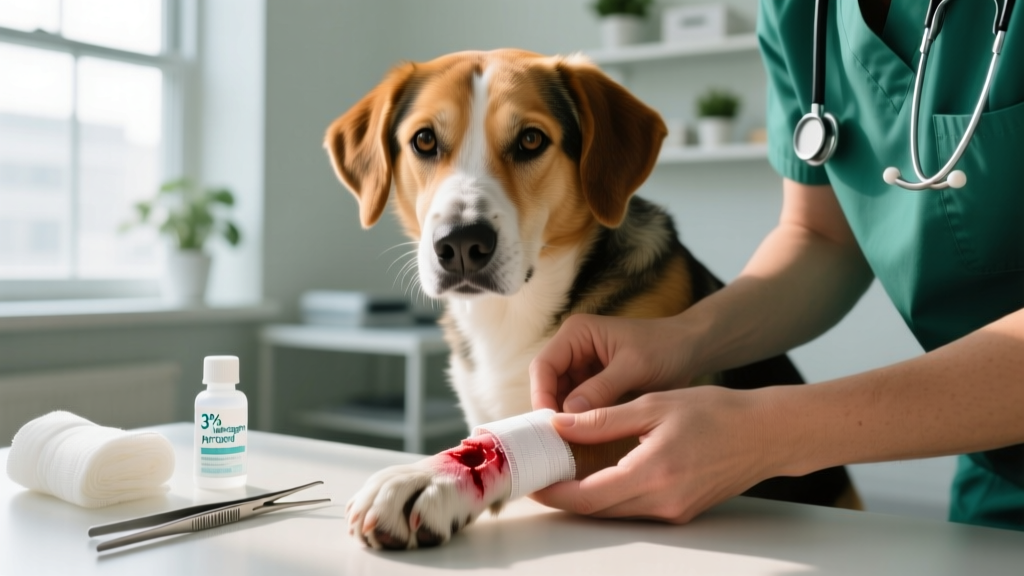
Your dog comes in from the yard with a fresh scrape on his leg, and you reach for the brown bottle in your medicine cabinet. Hydrogen peroxide is a staple in human first aid — but is it safe for your dog? The short answer is more nuanced than most pet owners realize, and using it incorrectly can actually slow healing and damage tissue.
This guide breaks down exactly when hydrogen peroxide is appropriate for canine wound care, when it's actively harmful, and what veterinary professionals recommend instead.
Can I Put Hydrogen Peroxide on My Dog's Wound? The Short Answer
Yes — but only in very specific circumstances, and only using 3% hydrogen peroxide solution. Even then, most veterinary dermatologists and emergency clinicians now advise against using it directly on open wounds because it damages healthy tissue alongside bacteria.
Hydrogen peroxide (H₂O₂) works through oxidative debridement: when it contacts living tissue, the enzyme catalase breaks it down into water and oxygen. That familiar fizzing action mechanically lifts debris and kills some anaerobic bacteria. The problem? That same oxidative reaction also destroys fibroblasts — the cells your dog needs to rebuild skin and close the wound.
According to the Merck Veterinary Manual, wound healing is significantly delayed when cytotoxic agents like hydrogen peroxide or rubbing alcohol are applied repeatedly to granulating wounds. A single, initial cleaning of a fresh contaminated wound is generally considered acceptable; repeated application is not.
What Is Hydrogen Peroxide and How Does It Work on Dogs?
Hydrogen peroxide is a chemical compound (H₂O₂) available in several concentrations:
- 3% solution — standard household/first-aid concentration; the only type appropriate for any canine use
- 6–10% — hair bleaching products; toxic to dogs, never use
- 35% (food grade) — industrial use; causes severe chemical burns
- 90% (industrial) — extremely dangerous; potentially fatal if ingested
The active mechanism is oxidation. When 3% H₂O₂ contacts organic material, it releases oxygen radicals that disrupt cell membranes of bacteria and organic debris. This makes it a broad-spectrum, non-selective antimicrobial — meaning it kills both harmful bacteria and the dog's own healing cells indiscriminately.
Active Ingredient Identification
The active ingredient is hydrogen peroxide, USP, 3% topical solution. It contains no additional active pharmaceutical compounds. However, some commercial wound-wash products blend hydrogen peroxide with stabilizers (acetanilide, sodium stannate, tetrasodium pyrophosphate) that are safe at formulated concentrations but should not be assumed safe for ingestion by dogs.
Approved and Off-Label Uses for Hydrogen Peroxide in Dogs
✓ Appropriate Uses
- Inducing vomiting (under veterinary direction only) — this is the single most evidence-supported use in dogs
- One-time initial flush of a heavily contaminated fresh wound (e.g., puncture from a dirty object) when no sterile saline is available
- Disinfecting non-living surfaces — cleaning crates, bowls, or grooming tools
- Ear cleaning — only in specific formulations diluted for veterinary otic use (never full-strength 3%)
✗ Do NOT Use For
- Repeated wound cleaning — delays healing by destroying granulation tissue
- Deep puncture wounds — trapped oxygen can create gas pockets in tissue (emphysema)
- Surgical incisions — disrupts suture sites and delays closure
- Hot spots or moist dermatitis — worsens tissue damage
- Eye contact or flushing — can cause corneal ulceration
- Ear flushing at full strength — damages the tympanic membrane if the eardrum is ruptured
Hydrogen Peroxide for Inducing Vomiting: Dosage by Weight
This is the most common veterinary-directed use of 3% hydrogen peroxide in dogs. According to the ASPCA Animal Poison Control, 3% hydrogen peroxide can be used to induce emesis in dogs only when directed by a veterinarian or poison control professional — and only if the ingested substance is appropriate for vomiting (never for caustics, petroleum products, or sharp objects).
| Dog Weight | Dose (3% H₂O₂) | Measurement | Max Dose |
|---|---|---|---|
| 5–10 lb (2.3–4.5 kg) | 1 mL per lb (2.2 mL/kg) | 5–10 mL (~1–2 tsp) | 10 mL |
| 11–25 lb (5–11.3 kg) | 1 mL per lb (2.2 mL/kg) | 11–25 mL (~2 tsp–5 tsp) | 25 mL |
| 26–50 lb (11.8–22.7 kg) | 1 mL per lb (2.2 mL/kg) | 26–45 mL (~5–9 tsp) | 45 mL (3 Tbsp) |
| 51–100 lb (23.1–45.4 kg) | 1 mL per lb (2.2 mL/kg) | 45–50 mL (~3–3.3 Tbsp) | 50 mL |
| 100+ lb (45+ kg) | 1 mL per lb, capped | 50 mL (~3.3 Tbsp) | 50 mL |
Calculation example: A 30 lb (13.6 kg) Labrador would receive 30 mL of 3% hydrogen peroxide, which equals approximately 6 teaspoons or 2 tablespoons. Administer orally via syringe into the cheek pouch. Vomiting typically occurs within 10–15 minutes. If the dog has not vomited within 15 minutes, a single repeat dose may be given — but never more than two doses total. If two doses fail, go to the vet immediately.
- Caustic substances (bleach, drain cleaner, batteries)
- Petroleum products (gasoline, kerosene, motor oil)
- Sharp objects (bones, needles, glass)
- And the dog is already vomiting, seizing, unconscious, or having difficulty breathing
In these cases, go directly to the nearest emergency veterinary hospital.
What Are the Side Effects of Hydrogen Peroxide in Dogs?
Side effects vary depending on route of administration — topical (on wounds) versus oral (for inducing vomiting).
| Side Effect | Route | Frequency | Severity |
|---|---|---|---|
| Tissue irritation and delayed wound healing | Topical | Very common with repeated use | Moderate |
| Skin blanching (temporary whitening) | Topical | Common | Mild — resolves in hours |
| Vomiting (intended effect) | Oral | Expected (~80% success rate) | Mild when successful |
| Gastritis / stomach inflammation | Oral | Common | Mild to moderate |
| Hemorrhagic gastritis (bloody vomit) | Oral | Occasional — especially with repeated dosing | Serious — vet attention needed |
| Aspiration pneumonia | Oral (if vomit inhaled) | Rare but documented | Life-threatening emergency |
| Gas embolism / tissue emphysema | Topical (deep wounds) | Rare | Serious — vet attention needed |
| Oral/esophageal ulceration | Oral (concentrations above 3%) | Common with wrong concentration | Serious |
A 2013 study published in the Journal of the American Veterinary Medical Association found that approximately 80% of dogs vomited after a single dose of 3% hydrogen peroxide, but a subset developed mild to moderate gastric irritation. Dogs that received higher-than-recommended doses or concentrations above 3% showed significantly higher rates of hemorrhagic gastritis.
Drug Interactions and Contraindications
⚠️ Hydrogen Peroxide Should NOT Be Combined With:
- Other emetics (apomorphine, ipecac) — risk of excessive vomiting, dehydration, and aspiration
- NSAIDs (carprofen, meloxicam, aspirin) — hydrogen peroxide already irritates the gastric mucosa; combining with NSAIDs increases ulcer and bleeding risk
- Corticosteroids (prednisone, dexamethasone) — similarly increase gastrointestinal ulceration risk when combined with H₂O₂
- Activated charcoal — if given too soon after H₂O₂, the foaming reaction can cause overflow and aspiration
Conditions Where Hydrogen Peroxide Is Dangerous (Contraindications)
Do not use hydrogen peroxide — orally or topically — in dogs with:
- Brachycephalic breeds (Bulldogs, Pugs, Boston Terriers, Shih Tzus) — elevated aspiration risk due to airway anatomy; veterinarians typically prefer apomorphine administered in-clinic for these breeds
- Pre-existing GI disease — inflammatory bowel disease, gastric ulcers, megaesophagus
- Laryngeal paralysis or other airway disorders — increased aspiration risk during vomiting
- Post-surgical patients — vomiting stresses suture lines, especially abdominal surgery
- Dogs with seizures or neurological conditions — risk of aspiration if consciousness is impaired
- Puppies under 12 weeks — higher dehydration risk from vomiting; always consult a vet first
How Long Does Hydrogen Peroxide Take to Work?
When administered orally to induce vomiting:
- Onset: Vomiting typically begins within 10–15 minutes of oral administration
- Duration: Most dogs vomit 1–3 times over a 15–20 minute window, then stop
- If no vomiting occurs within 15 minutes: One repeat dose may be given (per veterinary direction). If the second dose also fails within 15 minutes, do not give more — proceed to the veterinary clinic for injectable emetics (apomorphine) administered by a professional
When applied topically to a wound, the foaming action begins immediately on contact with tissue and lasts approximately 30–60 seconds. The oxidative antimicrobial effect is essentially instantaneous but short-lived, as H₂O₂ degrades rapidly once exposed to organic material and light.
Better Alternatives to Hydrogen Peroxide for Dog Wound Care
Given that hydrogen peroxide damages healing tissue, veterinary professionals widely recommend these alternatives for canine wound management:
| Alternative | Use Case | Advantages Over H₂O₂ | Approximate Cost (2026) |
|---|---|---|---|
| Sterile saline wound wash (0.9% NaCl) | First-line wound flushing; safe for repeated use | Non-cytotoxic; does not damage fibroblasts; isotonic | $4–$8 per bottle |
| Dilute chlorhexidine solution (0.05% — dilute 2% stock 1:40) | Antimicrobial wound lavage; infected wounds | Effective against bacteria and fungi; minimal tissue toxicity at correct dilution | $8–$15 for concentrate |
| Dilute povidone-iodine (0.1% — dilute until weak tea color) | Broad-spectrum wound antisepsis | Effective against bacteria, viruses, fungi; less tissue damage than H₂O₂ at correct dilution | $5–$10 per bottle |
| Veterinary honey (Manuka) | Wound dressing for open/granulating wounds | Antimicrobial, promotes moist wound healing, non-cytotoxic | $12–$25 per tube |
| Warm tap water | Emergency wound flushing when nothing else is available | Better than hydrogen peroxide for repeat cleaning; free and accessible | Free |
For a well-stocked canine first-aid kit, keep sterile saline wound wash (single-use vials or pressurized cans like Wound Wash Saline by NeilMed, ~$7) and a bottle of 2% chlorhexidine gluconate (Hibiclens or generic, ~$10) on hand. These cover the vast majority of at-home wound care needs without the tissue-damage risk of hydrogen peroxide.
When to Skip OTC and Go Straight to the Vet
🚨 Seek Immediate Veterinary Care If Your Dog's Wound Has:
- Uncontrolled bleeding — pressure applied for 5+ minutes has not stopped the flow
- Deep puncture wounds — especially from animal bites (high infection risk with Pasteurella, Staphylococcus, and anaerobic bacteria)
- Wounds over joints or on the face/eyes
- Visible muscle, tendon, or bone
- Wounds with embedded foreign objects — do not remove them yourself
- Signs of infection: pus, foul odor, increasing redness/swelling, wound warmth, fever (normal canine temperature: 101–102.5°F / 38.3–39.2°C)
- Wounds older than 6–8 hours — primary closure window may have passed
- Your dog is lethargic, pale-gummed, or refusing food/water after an injury
Typical emergency vet visit costs for wound management range from $200–$800 for basic laceration repair to $1,500–$4,000+ for complex surgical wounds requiring drains, extensive debridement, or overnight hospitalization.
Overdose and Emergency Response
Hydrogen peroxide overdose in dogs typically occurs when owners use concentrations higher than 3% or administer excessive oral volumes.
Overdose Symptoms
- Mild: Excessive vomiting (more than 4–5 episodes), drooling, oral irritation, pawing at mouth
- Moderate: Bloody vomit (hematemesis), abdominal pain, lethargy, refusal to eat for more than 12 hours post-administration
- Severe: Difficulty breathing (aspiration), collapse, seizures, black/tarry stools (digested blood indicating GI hemorrhage), distended abdomen
Emergency Response Steps
- Stop administering hydrogen peroxide immediately — do not give additional doses
- Call ASPCA Animal Poison Control: (888) 426-4435 or Pet Poison Helpline: (855) 764-7661 — have your dog's weight, the concentration used, the approximate volume given, and the time of administration ready
- Do NOT give milk, bread, or other home remedies unless specifically directed by poison control or your veterinarian
- Transport to the nearest emergency veterinary clinic if your dog shows moderate or severe symptoms
- Bring the hydrogen peroxide bottle with you so the vet can confirm concentration and ingredients
At the clinic, treatment may include antiemetics (maropitant/Cerenia at 1 mg/kg), gastroprotectants (sucralfate, famotidine), IV fluid therapy for dehydration, and in severe cases, endoscopy to assess gastric damage. Treatment costs for H₂O₂-induced hemorrhagic gastritis typically range from $500–$2,500 depending on severity and hospitalization needs.
Frequently Asked Questions
Can I give my dog hydrogen peroxide to make them throw up?
Yes, but only 3% concentration and only under direct guidance from your veterinarian or a poison control hotline. The dose is 1 mL per pound of body weight (maximum 50 mL), given orally. Never use concentrations above 3%, and never induce vomiting for caustic substances, petroleum products, or sharp objects. Brachycephalic breeds should generally not receive hydrogen peroxide at home due to aspiration risk.
How much hydrogen peroxide can I give my dog?
For inducing vomiting: 1 mL of 3% solution per pound of body weight, with a maximum single dose of 50 mL (about 3.3 tablespoons). This may be repeated once if vomiting does not occur within 15 minutes. Never exceed two total doses. For topical wound use: there is no "dose" — apply a small amount to a cotton ball or gauze and dab once, then switch to saline for ongoing care.
What is hydrogen peroxide used for in dogs?
The two primary uses are: (1) inducing vomiting after toxic ingestion, under veterinary direction, and (2) as a one-time initial wound cleanser for fresh, contaminated wounds when no better option is available. It is also used to disinfect non-living surfaces like crates and food bowls. It is not recommended for ongoing wound care, ear cleaning at full strength, or any internal use beyond emesis.
What are the side effects of hydrogen peroxide in dogs?
Topically: tissue irritation, delayed wound healing, skin blanching, and in rare cases tissue emphysema with deep wounds. Orally: expected vomiting, gastritis, possible bloody vomit with repeated dosing, and rare but serious aspiration pneumonia. Using concentrations above 3% can cause chemical burns to the mouth, esophagus, and stomach.
How long does it take for hydrogen peroxide to work?
For inducing vomiting: 10–15 minutes in most dogs. If no vomiting occurs after 15 minutes, one repeat dose may be given. If the second dose also fails, proceed to a veterinary clinic for professional emetics. Topically: the foaming action lasts 30–60 seconds on contact.
Are there alternatives to hydrogen peroxide for cleaning my dog's wound?
Yes, and they are generally preferred. Sterile saline wound wash (0.9% NaCl, ~$4–$8) is the gold standard for at-home wound flushing — it's non-toxic to healing tissue and can be used repeatedly. Dilute chlorhexidine (0.05%) or dilute povidone-iodine (0.1%) provide antimicrobial action without the tissue damage of H₂O₂. For emergencies, even clean lukewarm tap water is a better choice for repeated wound flushing than hydrogen peroxide.
Is hydrogen peroxide safe for all dog breeds?
No. Brachycephalic breeds (English Bulldogs, French Bulldogs, Pugs, Boston Terriers, Pekingese, Shih Tzus) have a significantly higher aspiration risk when vomiting is induced. For these breeds, veterinarians strongly prefer in-clinic administration of apomorphine, where the dog can be monitored and airway managed if needed. Puppies under 12 weeks, senior dogs with comorbidities, and dogs with pre-existing GI or respiratory conditions also face elevated risk.
Can I use hydrogen peroxide to clean my dog's ears?
Full-strength 3% hydrogen peroxide should not be used in dog ears. It can damage the delicate ear canal lining and, if the tympanic membrane (eardrum) is ruptured, can cause ototoxicity and hearing damage. Veterinary-formulated ear cleaners (such as Epi-Otic Advanced by Virbac or Otoflush by Dechra, ~$12–$18) are pH-balanced for the canine ear canal and are far safer. If your dog's ears are red, smelly, or your dog is shaking their head excessively, see your vet before putting anything in the ears.
Bottom line: Keep a bottle of 3% hydrogen peroxide in your dog first-aid kit for emergency vomiting situations — but call your vet or poison control before using it. For wound care, stock sterile saline and dilute chlorhexidine instead. Your dog's tissue will heal faster, and you'll avoid the complications that come with oxidative tissue damage. When in doubt, a quick call to your veterinarian can save you a much more expensive emergency visit later.
Jonas Cole
All our authors care for dogs every day — read more of their work on the authors page.