Cure for Dog Lice: Complete Treatment and Prevention Guide
Discover the most effective cure for dog lice, including OTC and prescription treatments, prevention products, and environmental control strategies.
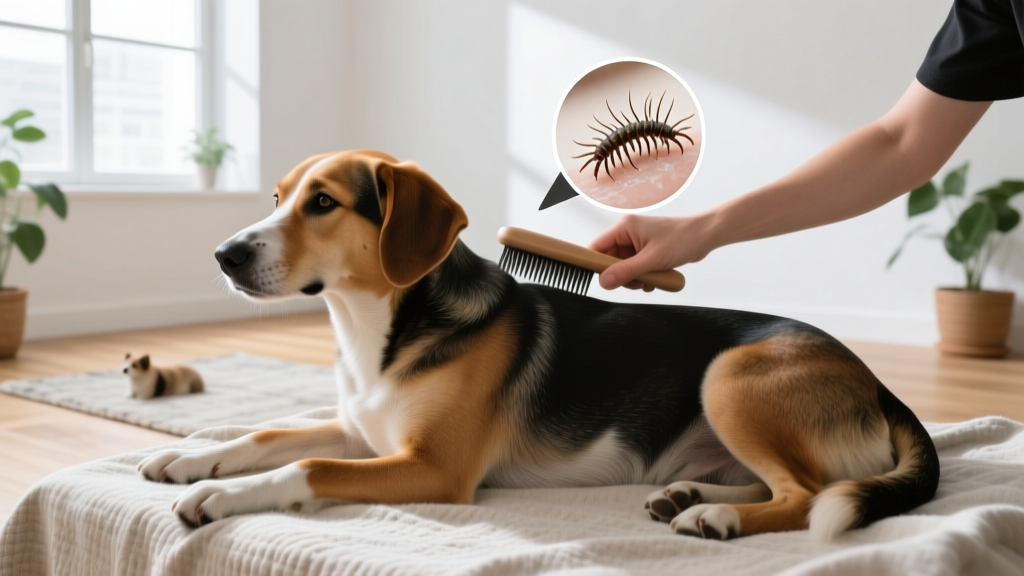
Understanding Dog Lice: Identification and Visual Guide
Dog lice are small, wingless insects that infest canine skin and hair. Unlike fleas, lice are species-specific, meaning dog lice (Trichodectes canis and Heterodoxus spiniger) primarily affect dogs and rarely transfer to humans or other species.
Visual Identification
- Size: 1-2 mm long (about the size of a sesame seed)
- Color: Pale yellow to tan; darker after feeding
- Body shape: Flat, elongated body with six legs ending in claws
- Location on dog: Primarily around ears, neck, groin, and tail base
- Eggs (nits): Tiny white ovals attached to hair shafts near skin
Two types affecting dogs:
- Trichodectes canis (biting louse) – feeds on skin debris
- Heterodoxus spiniger (biting louse) – more common in tropical/subtropical regions
How Do Dogs Get Lice? Transmission Routes
Lice spread primarily through direct contact with infested animals or contaminated objects. Unlike fleas, lice cannot jump or fly, making transmission slower but still concerning in multi-dog environments.
Common Transmission Routes
- Direct dog-to-dog contact: Playing, grooming, sleeping together
- Contaminated items: Brushes, combs, bedding, collars, grooming tools
- Shared spaces: Dog parks, kennels, grooming salons, shelters
- Wildlife vectors: Rare, but possible from foxes or coyotes
According to the Merck Veterinary Manual, lice infestations are more common in young, old, or immunocompromised dogs living in crowded or unsanitary conditions.
Life Cycle: How Dog Lice Reproduce and Spread
Complete Life Cycle (3-4 weeks total)
- Egg (nit) stage: Female lays eggs attached to hair shafts; hatches in 1-2 weeks
- Nymph stage: Immature lice molt three times over 2-3 weeks
- Adult stage: Mature lice live 3-4 weeks on the host
- Reproduction: Females lay 30-50 eggs during lifetime
Critical fact: Lice cannot survive more than 3-7 days off the host, making environmental treatment less intensive than flea control.
Symptoms: How Do I Know If My Dog Has Lice?
Lice infestations cause varying degrees of discomfort depending on severity and your dog's sensitivity.
| Severity Level | Symptoms |
|---|---|
| Mild Infestation | • Occasional scratching • Visible nits on hair shafts • Mild skin irritation • Dull, unkempt coat |
| Moderate Infestation | • Frequent scratching and biting • Hair loss (alopecia) • Red, inflamed skin • Restlessness • Visible adult lice |
| Heavy Burden | • Intense itching and self-trauma • Secondary bacterial infections • Crusting and scabbing • Severe hair loss • Anemia (rare, in puppies or debilitated dogs) • Behavioral changes (irritability) |
Diagnostic Tip
Use a fine-toothed flea comb over white paper. Lice and nits will be visible as tiny moving specks or attached eggs. Consult your veterinarian for confirmation, as lice can be confused with fleas or mites.
Health Risks: Can Dog Lice Transmit Diseases?
While less dangerous than ticks or mosquitoes, dog lice can pose health risks:
- Tapeworm transmission: Trichodectes canis can carry Dipylidium caninum tapeworm larvae. Dogs become infected by ingesting lice during grooming.
- Secondary infections: Scratching creates open wounds vulnerable to bacterial infection
- Anemia: Heavy infestations in puppies or small breeds may cause blood loss
- Stress and discomfort: Chronic itching affects quality of life
When to See Your Veterinarian Immediately
- Puppy under 6 months with lice
- Signs of anemia (pale gums, lethargy, weakness)
- Open sores or pus-filled lesions
- Failed OTC treatment after 2 weeks
- Multiple pets affected simultaneously
Cure for Dog Lice: Treatment Protocol
Effective lice treatment requires a multi-pronged approach targeting adult lice, eggs, and the environment.
Step-by-Step Treatment Plan
Step 1: Confirm Diagnosis (Day 1)
Visit your veterinarian for proper identification. They may perform skin scrapings or tape impressions to rule out mites or fungal infections.
Step 2: Topical Insecticide Treatment (Days 1, 14, 28)
Apply veterinarian-recommended products:
| Treatment Type | Active Ingredients | Efficacy | Cost Range |
|---|---|---|---|
| Prescription Topicals | • Imidacloprid (Advantage) • Selamectin (Revolution) • Fluralaner (Bravecto) |
95-100% effective Kills adults and larvae |
$40-80 per dose |
| OTC Shampoos | • Pyrethrin • Permethrin (dogs only, toxic to cats) |
70-85% effective Requires multiple applications |
$15-30 per bottle |
| Prescription Oral | • Spinosad (Comfortis) • Afoxolaner (NexGard) |
90-100% effective Systemic treatment |
$50-90 per dose |
Important: Never use permethrin products on cats. If you have multi-species households, consult your veterinarian for safe options. For accidental exposure, call ASPCA Animal Poison Control: (888) 426-4435.
Step 3: Manual Nit Removal (Days 1-28)
Use a fine-toothed comb daily to remove nits. Dip comb in soapy water between strokes to kill dislodged lice.
Step 4: Environmental Decontamination (Days 1-7)
- Wash all bedding, blankets, and soft toys in hot water (130°F/54°C) and dry on high heat
- Vacuum carpets, furniture, and car interiors thoroughly; dispose of vacuum bag immediately
- Soak brushes, combs, and grooming tools in insecticidal solution or replace them
- Isolate infested dogs from other pets during treatment
Step 5: Follow-Up Treatments (Days 14 and 28)
Repeat topical treatment to kill newly hatched nymphs that survived initial treatment. Most products require 2-3 applications spaced 2 weeks apart to break the life cycle.
Step 6: Tapeworm Prevention (Day 30)
Administer a dewormer containing praziquantel to eliminate potential tapeworm infection transmitted by lice.
Prevention Products Comparison Table
| Product Type | Examples | Active Ingredients | Duration | Pros | Cons |
|---|---|---|---|---|---|
| Topical Spot-On | Advantage II Frontline Plus Revolution |
Imidacloprid Fipronil Selamectin |
30 days | Easy application Water-resistant after 24h Broad parasite coverage |
Can wash off May cause skin irritation Requires monthly application |
| Oral Chewables | NexGard Bravecto Simparica |
Afoxolaner Fluralaner Sarolaner |
30-90 days | No bathing restrictions Highly effective Palatable |
Prescription required Higher cost Rare neurological side effects |
| Collars | Seresto Preventic |
Imidacloprid + Flumethrin Amitraz |
6-8 months | Long-lasting Cost-effective Continuous protection |
Can cause skin reactions Less effective if wet frequently Not for puppies under 7 weeks |
| Shampoos/Sprays | Various OTC brands | Pyrethrin Permethrin |
1-7 days | Immediate relief Low cost No prescription needed |
Short duration Labor-intensive Does not prevent reinfestation |
According to the American Veterinary Medical Association, year-round prevention is recommended in most regions, especially for dogs in high-risk environments (shelters, boarding facilities, dog parks).
Environmental Control: Treating Home and Yard
While lice cannot survive long off-host, thorough environmental cleaning prevents reinfestation and protects other pets.
Indoor Treatment Protocol
- Bedding: Wash weekly in hot water during infestation; consider replacing heavily infested beds
- Carpets and upholstery: Steam clean (temperature above 130°F/54°C kills lice and eggs)
- Grooming tools: Replace or soak in 1:10 bleach solution for 10 minutes
- Vacuuming: Daily during active infestation, then weekly for one month
Yard Treatment (If Applicable)
Lice rarely survive outdoors, but if multiple dogs share a kennel or run:
- Remove and replace bedding materials (straw, wood shavings)
- Power wash kennel surfaces with insecticidal cleaner
- Allow areas to dry completely before reintroducing dogs
Seasonal Risk Calendar: When Are Dog Lice Most Common?
Regional Risk Patterns
| Region | Peak Season | Risk Factors |
|---|---|---|
| Northern US/Canada | Late fall through early spring | Dogs spend more time indoors in close contact; crowded shelters |
| Southern US | Year-round, peaks in winter | Consistent temperatures allow continuous life cycles |
| Coastal regions | Fall and winter | Higher humidity supports lice survival |
| Arid Southwest | Late fall to early spring | Cooler, more humid months reduce desiccation |
High-risk environments year-round: Animal shelters, rescue facilities, breeding kennels, grooming salons with poor sanitation protocols.
Zoonotic Potential: Can Humans Get Dog Lice?
Dog lice are highly host-specific. According to the Centers for Disease Control and Prevention, Trichodectes canis cannot complete its life cycle on humans and will not establish infestations.
What This Means for Your Family
- Temporary contact: Lice may crawl onto human skin during handling but cannot bite or reproduce
- No human infestation: Dog lice do not cause human pediculosis (lice infestation)
- Children and immunocompromised: Still safe; no documented cases of dog lice establishing on humans
- Precaution: Wash hands after handling infested dogs; avoid sharing brushes or bedding
Important distinction: Human lice (head lice, body lice) are entirely different species and cannot transfer to dogs. If family members experience itching, consult a physician to rule out other causes.
Frequently Asked Questions
How do I know if my dog has lice?
Look for excessive scratching, visible nits (tiny white eggs) attached to hair shafts, and small tan insects moving on the skin. A fine-toothed comb over white paper helps identify lice. Your veterinarian can confirm diagnosis through skin examination.
How do dogs get lice?
Dogs contract lice through direct contact with infested animals or contaminated objects like brushes, bedding, and grooming tools. Shelters, kennels, and dog parks are common transmission sites.
What are the best prevention products?
Prescription oral medications (NexGard, Bravecto) and topical spot-ons (Advantage II, Revolution) offer 90-100% efficacy. Seresto collars provide 8-month protection. Consult your veterinarian to choose the best option for your dog's lifestyle and health status.
How do I treat a lice infestation?
Apply veterinarian-recommended insecticide treatments on days 1, 14, and 28 to break the life cycle. Manually remove nits with a fine comb, wash all bedding in hot water, and treat other household pets simultaneously.
Can lice spread to humans or other pets?
Dog lice are species-specific and cannot infest humans or cats. However, they can spread to other dogs in the household. Treat all dogs simultaneously and isolate infested animals during treatment.
How often should I treat my dog for lice?
During active infestation, treat every 2 weeks for 3-4 applications total. For prevention, use monthly topical or oral preventives year-round, or long-acting products like Bravecto (12 weeks) or Seresto collars (8 months).
Are there natural remedies for dog lice?
While some owners try essential oils or diatomaceous earth, these lack scientific evidence for efficacy and safety. Proven insecticides (imidacloprid, fipronil, spinosad) are safer and more effective. Always consult your veterinarian before using alternative treatments.
Can lice cause serious health problems?
Heavy infestations can cause anemia in puppies, secondary skin infections from scratching, and tapeworm transmission. While rarely life-threatening, lice significantly impact comfort and coat health.
When to Consult Your Veterinarian
While mild lice infestations can sometimes be managed with OTC products, professional veterinary care ensures proper diagnosis and treatment. Your veterinarian will:
- Confirm lice species and rule out mites, fungal infections, or allergies
- Prescribe more effective medications than OTC options
- Check for secondary infections requiring antibiotics
- Recommend appropriate tapeworm prevention
- Provide guidance for multi-pet households
Expected veterinary costs: Initial exam ($50-100), prescription medications ($40-90 per dose), follow-up visits ($40-80). Many pet insurance plans cover parasitic infestations.
With proper treatment and prevention, dog lice are highly curable. The key is breaking the life cycle through repeated treatments and thorough environmental decontamination. Consult your veterinarian for a customized treatment plan based on your dog's age, weight, and health status.
Aaron Whyte
All our authors care for dogs every day — read more of their work on the authors page.